Outdoor Picnic Stove Burner
CN → US| HS Code | Tariff Rate | Origin | Destination | Doc |
|---|---|---|---|---|
| 8416200040 | 17.5% | CN | US | Official Doc |
| 7321111060 | 90.7% | CN | US | Official Doc |
| 8416200080 | 17.5% | CN | US | Official Doc |
| 7321111030 | 90.7% | CN | US | Official Doc |
| 6911108010 | 38.3% | CN | US | Official Doc |
Product Images
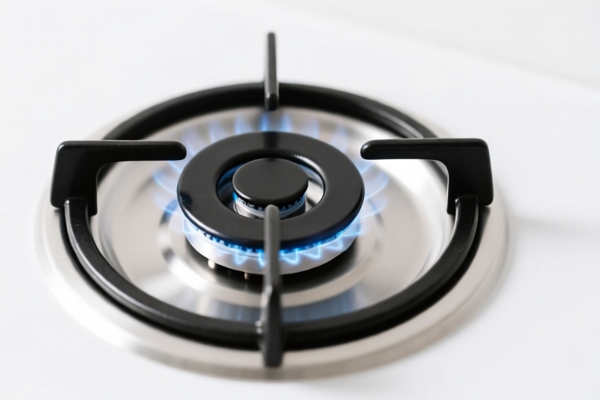
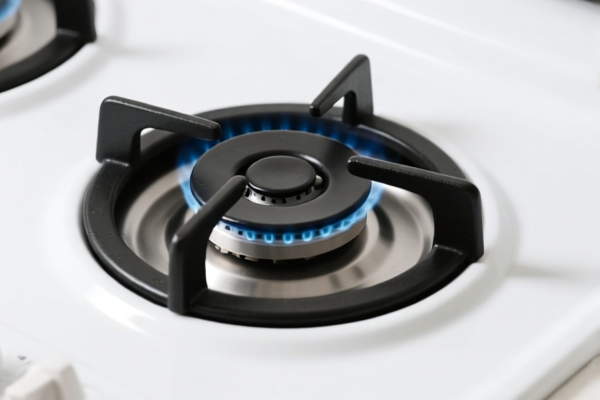
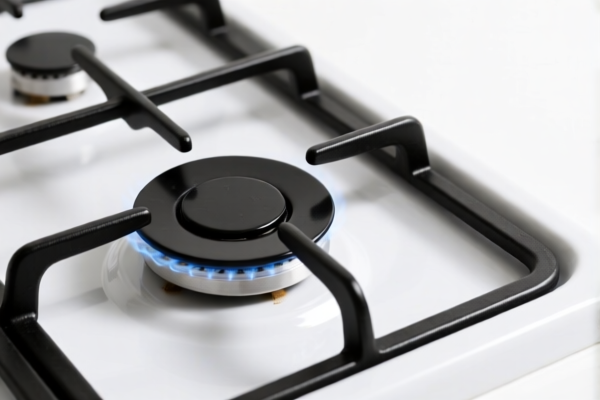

AI Analysis
🔥 Outdoor Picnic Stove Burner (Gas Burners & Portable Cooking Appliances)
🌐 HS Code Reference & Customs Clearance Guide | 2026 Latest Tariff Analysis | Professional Clearance Strategy
📌 I. Product Definition & Classification: Do You Really Understand "Outdoor Picnic Stove Burners"?
An Outdoor Picnic Stove Burner is a critical component or complete unit for outdoor cooking, typically fueled by propane or butane gas. In international trade, its classification depends heavily on whether it is a standalone burner component or a complete cooking appliance.
Gas Burner Components (Part only): Devices designed solely for combustion, lacking controls, pots, or frames typical of complete stoves. Portable Cooking Appliances (Complete Unit): Devices including the burner, fuel connection, and often a stand or housing, intended for non-electric household or portable cooking.
⚠️ Key Distinction Point:
- If it is strictly a burner head or valve assembly without a main body/housing → It may be classified as a Part or Gas Burner (Chapter 84).
- If it includes a stand, grill, or fuel regulator and functions as a complete Stove/Cooker → It is classified under Household Cooking Appliances (Chapter 73/79), often attracting significantly higher tariffs due to material (steel/aluminum) and anti-dumping/add-on tariffs.
📦 II. HS Code Classification Details (2026 Latest Tariff Authority Comparison)
| HS Code | Product Description | Applicable Scenario | Material/Function | Total Tax Rate |
|---|---|---|---|---|
8416.20.00.40 |
Gas Burners (Other than those of heading 84.16) | Specific gas burner components, not part of a larger stove system | Gas Combustion, Non-Specific | 17.5% |
7321.11.10.60 |
Other Cookers, Ranges, Ring Plate Hoods & Hot Plates, Non-Electric | Complete portable stove, steel/aluminum, non-electric | Steel/Aluminum, Complete Unit | 90.7% |
8416.20.00.80 |
Other Furnace Burners (Gas, Liquid, Powder Fuel) | General gas burner components, "Other" category | Gas Combustion, General | 17.5% |
7321.11.10.30 |
Cookers, Ranges, Ring Plate Hoods and Hot Plates, Non-Electric | Specific non-electric stoves, steel/aluminum | Steel/Aluminum, Complete Stove | 90.7% |
6911.10.80.10 |
Tableware, Kitchenware, Other Household Articles of Porcelain/Ceramic | Note: Mismatch for Metal Burners | Ceramic/Porcelain | 38.3% |
🔍 Critical Reminder:
- Steel/Aluminum Stoves (7321...) are subject to massive tariffs (90.7%) due to Section 301 and 122 Clause add-ons.
- Gas Burners (8416...) are considered parts/components or specialized combustion equipment, attracting much lower tariffs (17.5%).
- Do NOT classify a complete metal stove as a "Gas Burner" unless it is clearly a disassembled component. Customs will scrutinize the "complete function" vs. "part" argument.
- Ceramic (6911...) is generally incorrect for standard metal picnic burners unless specifically made of ceramic (rare for functional burners).
💰 III. 2026 Latest Tariff Rate Breakdown (Including Add-ons & Policy Surcharges)
✅ Applicable Country: United States (US)
✅ Origin: China (CN)
✅ Effective Date: November 10, 2025 onwards (including subsequent imports)
🎯 1. 8416.20.00.40 & 8416.20.00.80 —— Gas Burners (Parts/Components)
| Item | Content |
|---|---|
| Base Tariff | 0% (ad valorem) |
| Section 301 Add-on | +7.5% |
| Section 122 Clause Add-on | +10% |
| Total Rate | 17.5% |
| Tax Calculation | CIF Value × 17.5% |
| De Minimis Eligibility | ❌ No (denied de minimis for China-origin goods under current IEEPA/301 rules) |
| Legal Basis Path | USITC:8416.20.00 → FOOTNOTE:301.01 → IEEPA:122_CLAUSE |
📌 Explanation:
- These codes fall under "Gas Burners" or "Other Furnace Burners".
- They are NOT classified as "Steel Household Appliances," avoiding the heavy 50% steel/aluminum surcharge.
- Total 17.5% is manageable but still significant. Proper product description is key to avoid being reclassified as a stove.
🎯 2. 7321.11.10.30 & 7321.11.10.60 —— Non-Electric Cookers (Complete Stoves)
| Item | Content |
|---|---|
| Base Tariff | 5.7% |
| Section 301 Add-on | +25.0% |
| Section 122 Clause Add-on | +10% |
| Steel/Aluminum Add-on | +50.0% |
| Total Rate | 90.7% |
| Tax Calculation | CIF Value × 90.7% |
| De Minimis Eligibility | ❌ No (High risk of audit) |
| Legal Basis Path | USITC:7321.11.10 → FOOTNOTE:301.01 → IEEPA:122_CLAUSE → STEEL_ALUMINUM_SURCHARGE |
📌 Explanation:
- This is a disastrous tariff rate for exporters.
- It applies because the item is considered a Household Cooking Appliance made of Steel/Aluminum.
- The 50% Steel/Aluminum surcharge is the main driver.
- Only apply if the item is a complete, functional stove with a stand/body.
🎯 3. 6911.10.80.10 —— Ceramic Tableware (Reference Only)
| Item | Content |
|---|---|
| Base Tariff | 20.8% |
| Section 301 Add-on | +7.5% |
| Section 122 Clause Add-on | +10% |
| Total Rate | 38.3% |
| Applicability | Incorrect for standard metal picnic burners. Only for ceramic cooking ware. |
🛠️ IV. Customs Clearance Practical Advice (Real-World Pitfall Avoidance Guide)
✅ 1. Preparation Checklist (Missing Documents = Delay)
| Document | Mandatory? | Description |
|---|---|---|
| ✅ Product Specification Sheet | ✔️ | Must clearly state: "Gas Burner Component" OR "Portable Gas Stove". Include dimensions, weight, fuel type (Propane/Butane). |
| ✅ Product Photos | ✔️ | Crucial: Show if it has a stand, regulator, or hose. If it has a stand/body, it's a stove (90.7%). If just a burner head, it's a burner (17.5%). |
| ✅ Commercial Invoice | ✔️ | Description Must Be Precise: • Good: "Replacement Gas Burner Head for Outdoor Grill" • Bad: "Outdoor Cooking Device" (vague, risks stove classification) |
| ✅ Packing List | ✔️ | Ensure no extra parts (like pots or stands) are included if claiming "Burner" status. |
| ✅ Third-Party Certification | ✔️ | UL, CSA, CE (if applicable) for safety compliance. |
✅ 2. Declaration Strategy (Key Mantra)
🔥 "Component vs. Appliance: The $70k Difference!"
| Scenario | Correct Classification | Risk of Misclassification |
|---|---|---|
| Standalone Burner Head/Valve | 8416.20.00.40 / 8416.20.00.80 |
Low Risk (if no housing/stand) |
| Burner + Hose + Regulator (No Stand) | 8416.20.00.40 / 8416.20.00.80 |
Medium Risk (CBP may argue it's a kit) |
| Burner + Stand + Grill Grate | 7321.11.10.30 / 7321.11.10.60 |
High Cost (90.7% Tax) |
| Electric Stove | 8516.60.xx |
Different Tax (Check electric rules) |
📌 Pro Tip:
- If selling a kit, declare the main component (the burner) and list accessories separately if possible, or ensure the kit is clearly a "part" for existing stoves.
- If it is a complete portable stove, you must pay 90.7%. Do not try to hide it as a "burner" – Customs has clear definitions for "Cooking Appliances."
✅ 3. Special Case Handling
| Situation | Handling Advice |
|---|---|
| OEM Custom Burners | Provide OEM drawings showing it is a replacement part for specific models. |
| Burner with Electronic Ignition | May still be 8416 if the ignition is minimal, but could be debated. Better to consult CBP. |
| Steel vs. Aluminum Body | Both 7321 codes trigger the 50% Steel/Aluminum Surcharge. No difference in tax rate here. |
| Kit Assembly | If you ship a burner, hose, and stand in one box, CBP will likely classify it as a Stove (7321). Avoid shipping complete kits if you want the 17.5% rate. |
🌍 V. Global Market Clearance Comparison (2026 Latest)
| Country/Region | Recommended HS Code | Tariff (China Origin) | Key Certification | Remarks |
|---|---|---|---|---|
| 🇺🇸 USA | 8416.20.00.40 (Burner) 7321.11.10.30 (Stove) |
17.5% (Burner) 90.7% (Stove) |
UL, CSA, NFPA | Highest risk market due to Section 301 & Steel Surcharge. |
| 🇨🇳 China | 8416.20.00.40 / 7321.11.10.30 |
~10-15% | CCC (if applicable) | Lower tariffs, but domestic competition is high. |
| 🇪🇺 EU | 7321.11.00 (Stove) 8416.20 (Burner) |
0-6.5% (Varies) | CE, Gas Appliances Regulation | No Section 301 add-ons. More favorable than US. |
| 🇬🇧 UK | 7321.11.00 |
6.5% | UKCA | Post-Brexit rules apply. |
| 🇦🇺 Australia | 7321.11.00 |
5% | SAA/RCM | Moderate tariffs. |
📌 Conclusion:
- The US market is exceptionally punitive for metal outdoor cooking appliances.
- If you are a manufacturer, consider shifting production to Vietnam, Thailand, or Mexico to avoid Section 301 and Steel Surcharges, OR focus on exporting non-metal parts (e.g., ceramic burners, plastic components) to utilize lower HS codes.
- For the US, strictly separate parts (burners) from appliances (stoves) in your supply chain to minimize tax exposure.
📌 VI. Common Errors & Pitfall Guide (Lessons from the Field)
❌ Error 1: Declaring a complete portable stove as a "Gas Burner" to save tax.
👉 Consequence: Customs audit → Retroactive payment of 73.2% difference + Penalties + Goods Held.
❌ Error 2: Shipping a burner, hose, and stand in one box, but declaring only the "Burner."
👉 Consequence: CBP sees the full kit → Classifies as Stove → 90.7% Tax.
❌ Error 3: Using vague descriptions like "Outdoor Cooking Equipment."
👉 Consequence: CBP assigns default duty rate (often highest) → Delays & Higher Costs.
❌ Error 4: Ignoring the Steel/Aluminum Surcharge on 7321 codes.
👉 Consequence: Underestimating landed cost by 50%, destroying profit margins.
✅ Correct Practice:
"Replacement Gas Burner Assembly for Grill, Model XYZ, Steel, 12,000 BTU, No Stand Included"
OR
"Portable Non-Electric Gas Cooker with Steel Stand, Model ABC, UL Listed"
🎯 VII. Conclusion: Precision Classification Saves Money!
🎯 Remember the Mantra:
🔹 "Parts are Cheap (17.5%), Appliances are Expensive (90.7%)!"
🔹 "No Stand = Burner, With Stand = Stove!"
🔹 "Steel & Aluminum = 50% Extra Penalty!"
📌 Pro Tip:
If your product originates from Vietnam, Mexico, or Malaysia, you may be exempt from Section 301 and 122 Clause tariffs.
Steel/Aluminum Surcharge may still apply depending on specific origin rules, but IEEPA surcharges are reduced.
Recommendation: Apply for an Advance Ruling from CBP if your product structure is ambiguous.
📣 Immediate Action:
📞 Consult a Licensed Customs Broker + Provide Detailed Product Photos + Request HS Code Pre-Ruling
🚀 Clear Customs Smoothly, Avoid Penalties, Protect Your Margins!
✨ Professional Clearance Starts with Precise Classification!
💼 Every Dollar in Tax is a Dollar Less in Profit!
Customer Reviews
About HS Code Classification
The Harmonized System (HS) is an internationally standardized nomenclature developed by the World Customs Organization (WCO) to classify traded products. Over 200 countries use the HS system as the basis for customs tariffs, trade statistics, and import/export regulations.
Each HS code follows a hierarchical structure:
- Chapter (2 digits) — Broad category of goods (e.g., Chapter 84: Machinery and Mechanical Appliances)
- Heading (4 digits) — More specific grouping within the chapter
- Subheading (6 digits) — Internationally standardized breakdown, used by all WCO member countries
- National subdivisions (8-10 digits) — Country-specific extensions for further classification, such as US HTSUS 10-digit codes
Correct HS code classification is essential for smooth customs clearance, accurate duty payment, and compliance with trade regulations. Misclassification can lead to customs delays, overpayment of duties, or penalties.
When importing from CN to US, the applicable tariff rates may include:
- Most-Favored-Nation (MFN) rate — The standard duty rate applied to WTO members
- General rate — Applied to countries without trade agreements
- Trade remedy duties — Additional tariffs such as Section 301 (anti-dumping), Section 232 (national security), or countervailing duties
The information provided on this page is for reference purposes only. For official classification, please consult with your local customs authority or a licensed customs broker.