Outdoor Reflective Plastic Board
CN → US| HS Code | Tariff Rate | Origin | Destination | Doc |
|---|---|---|---|---|
| 3920991000 | 41.0% | CN | US | Official Doc |
| 3926909989 | 22.8% | CN | US | Official Doc |
| 8708295110 | 0.0% | CN | US | Official Doc |
| 8708295160 | 0.0% | CN | US | Official Doc |
| 3920995000 | 40.8% | CN | US | Official Doc |
Product Images
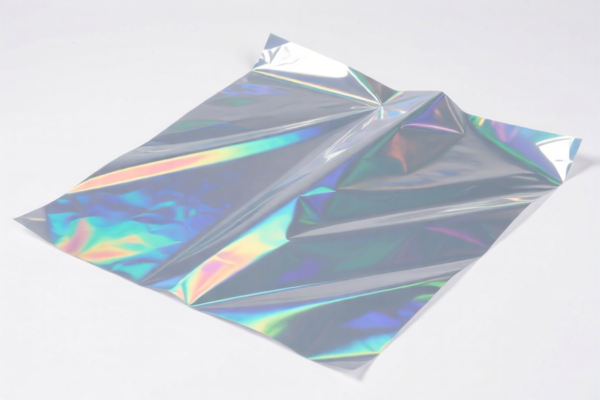
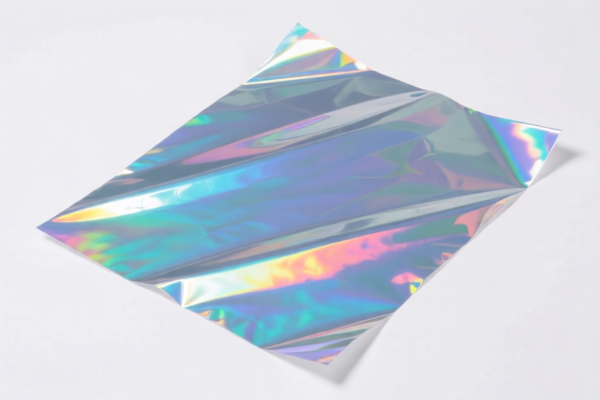
AI Analysis
🌟 Outdoor Reflective Plastic Board (塑料反光车身板)
🌐 HS Code Reference & Customs Clearance Guide | 2026 Latest Tariff Analysis | Professional Compliance Strategy
📌 I. Product Definition & Classification: What is an "Outdoor Reflective Plastic Board"?
This product is primarily used in the automotive industry as body panels or trim pieces. It is made of plastic materials, often featuring a reflective surface (for safety/visibility) and structured as a board/plate.
In international trade, the classification hinges on two main factors: 1. Material Nature: Is it considered a "plastic plate/panel" (Chapter 39)? 2. Functional End-Use: Is it considered an "automotive part" (Chapter 87)?
⚠️ Key Classification Dilemma:
- If classified as a Plastic Product: It falls under Chapter 39 (Hs Code: 3920, 3926).
- If classified as an Automotive Part: It falls under Chapter 87 (Hs Code: 8708).
- Critical Note: The US Customs and Border Protection (CBP) often scrutinizes "auto parts" made of plastic to prevent duty avoidance. Incorrect classification can lead to massive duty discrepancies and audits.
📦 II. HS Code Classification Details (2026 Latest Tariff Comparison)
The following HS Codes are derived strictly from the provided data. Each has distinct tax implications due to US Trade Policy (Section 301 and 122).
| HS Code | Product Description | Tax Rate (Total) | Key Characteristics |
|---|---|---|---|
3920.99.10.00 |
Plastic Reflective Board (Laminated/Composite) | 41.0% | Material: Plastic; Form: Board; Structure: Laminated/Composite non-cellular material. |
3926.90.99.89 |
Plastic Reflective Board (General Plastic Article) | 22.8% | Material: Plastic; Category: Goods of Chapter 39 (3901-3914); Form: Body Panel. |
8708.29.51.10 |
Automotive Body Panel (Plastic) | 2.5% + 35.0% | Use: Body Panel; Category: Automotive Parts; Material: Plastic. |
8708.29.51.60 |
Automotive Accessory (Plastic, Non-Chassis) | 2.5% + 85.0% | Use: Car Accessory; Material: Plastic; Not excluded as stamped/roof part. Includes Steel/Aluminum/Copper surcharge. |
3920.99.50.00 |
Plastic Reflective Board (Catch-all) | 40.8% | Material: Plastic; Form: Board; Classified under residual/catch-all provisions. |
🔍 Critical Observation:
- Chapter 39 (Plastics) classifications result in high duties (22.8% – 41.0%) due to Section 301 (25%) and Section 122 (10%) tariffs. - Chapter 87 (Auto Parts) classifications offer lower base duties (2.5%), but the total effective rate can skyrocket to 37.5% (8708.29.51.10) or 87.5% (8708.29.51.60) depending on specific exclusions and material composition (e.g., steel/aluminum components triggering additional 50% surcharges).
💰 III. 2026 Latest Tariff Rate Breakdown (With Surcharges)
✅ Applicable Country: United States (US)
✅ Origin: China (CN)
✅ Active Time: Current (Based on 2025/2026 policy context)
🎯 1. 3920.99.10.00 – Plastic Reflective Board (Laminated)
| Item | Detail |
|---|---|
| Base Duty | 6.0% |
| Section 301 Surcharge | 25.0% |
| Section 122 Surcharge | 10.0% |
| Total Duty | 41.0% |
| Legal Basis | USITC:3920.99.10.00 + Section 301 + Section 122 |
📌 Explanation:
This code is used when the board is viewed as a composite plastic material. The high duty (41%) is due to the aggregation of base duty, 301 tariffs (trade war), and 122 tariffs (specifically targeting Chinese plastic products).
🎯 2. 3926.90.99.89 – Plastic Reflective Board (General Plastic Article)
| Item | Detail |
|---|---|
| Base Duty | 5.3% |
| Section 301 Surcharge | 7.5% |
| Section 122 Surcharge | 10.0% |
| Total Duty | 22.8% |
| Legal Basis | USITC:3926.90.99.89 + Section 301 + Section 122 |
📌 Explanation:
This code applies if the board is classified as a general plastic article rather than a specific laminated plate. Note: The Section 301 rate here is lower (7.5% vs 25%) for certain residual plastic items, but the total remains high due to 122 tariffs.
🎯 3. 8708.29.51.10 – Automotive Body Panel (Plastic)
| Item | Detail |
|---|---|
| Base Duty | 2.5% |
| Section 301 Surcharge | 25.0% |
| Section 122 Surcharge | 10.0% |
| Total Duty | 37.5% (2.5% + 35%) |
| Legal Basis | USITC:8708.29.51.10 + Section 301 + Section 122 |
📌 Explanation:
Classified as an auto part. Base duty is low (2.5%), but 301 and 122 tariffs still apply. Total: 37.5%.
🎯 4. 8708.29.51.60 – Automotive Accessory (Plastic, Non-Chassis)
| Item | Detail |
|---|---|
| Base Duty | 2.5% |
| Section 301 Surcharge | 25.0% |
| Section 122 Surcharge | 10.0% |
| Steel/Aluminum/Copper Surcharge | 50.0% |
| Total Duty | 92.5% (2.5% + 90% effective surcharge) |
| Legal Basis | USITC:8708.29.51.60 + Section 301 + Section 122 + Steel/Aluminum/Copper Surcharge |
📌 Explanation:
⚠️ WARNING: This code triggers an additional 50% surcharge if the product contains steel, aluminum, or copper components (even if primarily plastic). This makes it the most expensive classification. Ensure your product does not contain metal reinforcements if possible.
🎯 5. 3920.99.50.00 – Plastic Reflective Board (Catch-all)
| Item | Detail |
|---|---|
| Base Duty | 5.8% |
| Section 301 Surcharge | 25.0% |
| Section 122 Surcharge | 10.0% |
| Total Duty | 40.8% |
| Legal Basis | USITC:3920.99.50.00 + Section 301 + Section 122 |
📌 Explanation:
Used as a residual category when the board doesn't fit other specific plastic sub-headings. Similar to3920.99.10.00, it incurs high tariffs.
🛠️ IV. Customs Clearance Practical Advice (Avoid Pitfalls)
✅ 1. Documentation Checklist (Must-Have)
| Document | Required | Notes |
|---|---|---|
| ✅ Product Specification Sheet | ✔️ | Must detail material composition (e.g., "100% ABS Plastic" vs. "ABS with Steel Reinforcement"). |
| ✅ Function Statement | ✔️ | Explicitly state: "Used as Automotive Body Panel" or "Plastic Structural Component." |
| ✅ Photos | ✔️ | Show the board, any mounting holes, and cross-section if laminated. |
| ✅ Commercial Invoice | ✔️ | Describe as "Plastic Auto Body Panel" NOT just "Plastic Board." |
| ✅ Origin Certificate | ✔️ | Proves China origin (triggering 301/122 tariffs). |
✅ 2. Classification Strategy (Key Mnemonic)
🔥 “Auto Part vs. Plastic Board – Choose Wisely!”
| Scenario | Recommended HS Code | Total Duty | Reason |
|---|---|---|---|
| Pure Plastic, No Metal | 3926.90.99.89 |
22.8% | Lowest duty among options. Classified as general plastic article. |
| Laminated Plastic Board | 3920.99.10.00 |
41.0% | Higher duty due to composite structure. |
| Auto Part, No Metal | 8708.29.51.10 |
37.5% | Lower base duty, but 301/122 still apply. |
| Auto Part, Contains Metal | 8708.29.51.60 |
92.5% | AVOID. Triggers 50% steel/aluminum surcharge. |
📌 Recommendation:
- If the board is pure plastic and can be classified as a general plastic article,3926.90.99.89(22.8%) is the most cost-effective.
- If it must be classified as an auto part, ensure it contains no steel/aluminum/copper to avoid the 50% surcharge under8708.29.51.60.
✅ 3. Special Circumstances
| Situation | Handling Advice |
|---|---|
| Product Contains Metal Reinforcement | Must declare metal content. Expect 8708.29.51.60 and 50% surcharge. Consider redesigning to remove metal. |
| Laminated Structure | Provide lamination process details. May fall under 3920.99.10.00 (41.0%). |
| Not for Auto Use | If used for industrial/signage, classify under Chapter 39 (e.g., 3926.90.99.89). Do NOT use 8708. |
🌍 V. Global Market Comparison (2026)
| Country | Recommended HS Code | Duty | Notes |
|---|---|---|---|
| 🇺🇸 USA | 3926.90.99.89 |
22.8% | Lowest duty option. Avoid 8708.29.51.60 due to 50% surcharge. |
| 🇨🇳 China | 3926.90.99.89 |
5% | Low base duty. No 301/122 tariffs. |
| 🇪🇺 EU | 3926.90.99.89 |
6% | Standard EU duty. No Section 301. |
| 🇯🇵 Japan | 3926.90.99.89 |
0%~4% | Check JETRO for current FTA rates. |
📌 Conclusion:
- US Market is the most challenging due to Section 301 and 122 tariffs.
- Optimization Strategy: Aim for3926.90.99.89(22.8%) by arguing the product is a "general plastic article" rather than a "laminated board" or "auto part with metal."
📌 VI. Common Mistakes & Pitfalls (Lessons Learned)
❌ Mistake 1: Classifying as 8708.29.51.60 without checking for metal content
👉 Result: 50% surcharge applied → Total Duty: 92.5%!
❌ Mistake 2: Using 3920.99.10.00 for a non-laminated board
👉 Result: Overpayment. 3926.90.99.89 (22.8%) is cheaper.
❌ Mistake 3: Failing to disclose "Reflective" nature
👉 Result: Customs may question the product description. Ensure "Reflective" is noted in specs but not the primary classifier.
✅ Correct Action:
“Plastic Automotive Body Panel, Reflective Surface, No Metal Components, Model XYZ”
🎯 VII. Conclusion: Precise Classification Saves Money!
🎯 Remember:
🔹 “No Metal? Choose 3926.90.99.89 (22.8%)”
🔹 “Metal Reinforcement? Avoid 8708.29.51.60 (92.5%)”
🔹 “Auto Part? Ensure No Metal to Avoid 50% Surcharge”
📌 Pro Tip:
If possible, consult with a customs broker to file a Binding Tariff Ruling (BTR) with CBP. This provides legal certainty and protects against future audits.
📣 Act Now:
📞 Contact Customs Experts + Provide Product Specs + Apply for Pre-Ruling
🚀 Clear Customs Smoothly, Reduce Costs, Maximize Profit!
✨ Professional Clearance Starts with Accurate Classification!
💼 Every Percent of Duty Counts!
Customer Reviews
About HS Code Classification
The Harmonized System (HS) is an internationally standardized nomenclature developed by the World Customs Organization (WCO) to classify traded products. Over 200 countries use the HS system as the basis for customs tariffs, trade statistics, and import/export regulations.
Each HS code follows a hierarchical structure:
- Chapter (2 digits) — Broad category of goods (e.g., Chapter 84: Machinery and Mechanical Appliances)
- Heading (4 digits) — More specific grouping within the chapter
- Subheading (6 digits) — Internationally standardized breakdown, used by all WCO member countries
- National subdivisions (8-10 digits) — Country-specific extensions for further classification, such as US HTSUS 10-digit codes
Correct HS code classification is essential for smooth customs clearance, accurate duty payment, and compliance with trade regulations. Misclassification can lead to customs delays, overpayment of duties, or penalties.
When importing from CN to US, the applicable tariff rates may include:
- Most-Favored-Nation (MFN) rate — The standard duty rate applied to WTO members
- General rate — Applied to countries without trade agreements
- Trade remedy duties — Additional tariffs such as Section 301 (anti-dumping), Section 232 (national security), or countervailing duties
The information provided on this page is for reference purposes only. For official classification, please consult with your local customs authority or a licensed customs broker.