Outdoor Reflective Plastic Sheet
CN → US| HS Code | Tariff Rate | Origin | Destination | Doc |
|---|---|---|---|---|
| 3926909989 | 22.8% | CN | US | Official Doc |
| 8708295160 | 0.0% | CN | US | Official Doc |
| 8708295110 | 0.0% | CN | US | Official Doc |
| 3926909925 | 22.8% | CN | US | Official Doc |
| 3926909989 | 22.8% | CN | US | Official Doc |
Product Images
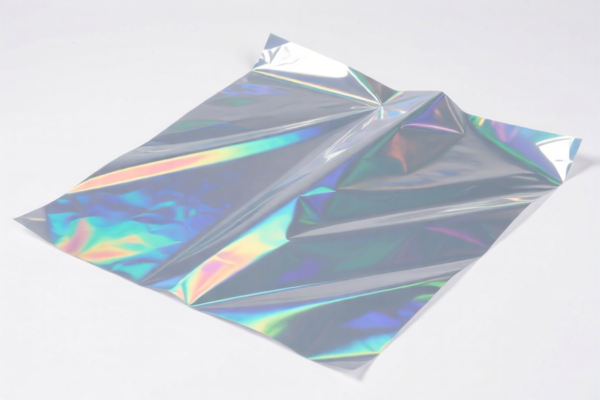
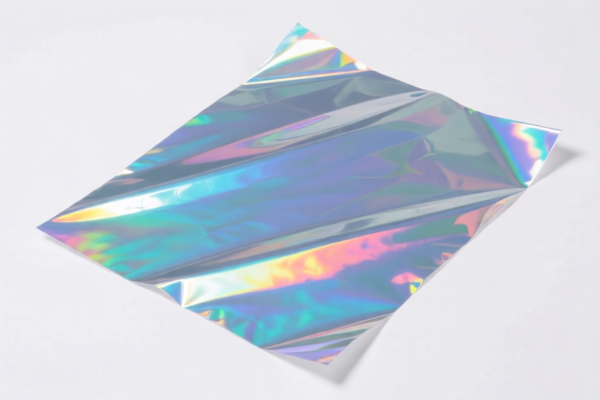


AI Analysis
🌟 Outdoor Reflective Plastic Sheets & Automotive Parts
🌐 HS Code Reference & Customs Clearance Guide | 2026 Latest Tariff Analysis | Professional Clearance Strategy
📌 I. Product Definition & Classification: Do You Really Know "Reflective Plastic Sheets"?
Reflective plastic sheets are high-performance materials primarily used for traffic safety, advertising, and automotive applications. In international trade, they are strictly categorized based on their final use and form, leading to vastly different tariff liabilities.
1. General Reflective Films (Advertising/Signage)
Materials primarily used for outdoor advertising billboards or warning signs. These are classified as "Other articles of plastics."
2. Automotive Body Parts (Vehicle Components)
Reflective plastic sheets specifically designed for installation on vehicles (e.g., side markers, rear reflectors). These are classified as "Parts and accessories of motor vehicles."
⚠️ Key Distinction Point:
- If the product is a general-purpose reflective film/sheet for signage/advertising → HS 3926.90.99.89
- If the product is a specific body part for vehicles (even if made of plastic) → HS 8708.29.51.xx
- Misclassification Risk: Declaring auto parts as general plastics can lead to severe penalties and delays, as the tariff structures differ significantly.
📦 II. HS Code Classification Details (2026 Latest Tariff Authority Comparison)
| HS Code | Product Description | Applicable Scenario | Total Tax Rate | Key Characteristics |
|---|---|---|---|---|
3926.90.99.89 |
Other articles of plastics; Reflective outdoor advertising film | Outdoor billboards, general signage, decorative films | 22.8% | Material: Plastic; Form: Film/Sheet. Classified under the "catch-all" for plastic articles. |
8708.29.51.60 |
Reflective plastic body sheet; Body parts of vehicles | Vehicle body components, side reflectors, rear reflectors | 2.5% + 85.0% | Material: Plastic; Use: Vehicle body parts. Subject to additional Steel/Aluminum/Copper tariffs. |
8708.29.51.10 |
Reflective plastic body sheet; Other vehicle parts & accessories | Other vehicle parts not specified elsewhere, reflective function | 2.5% + 35.0% | Material: Plastic; Use: Other vehicle parts. Standard auto parts tariff. |
3926.90.99.25 |
Self-adhesive reflective plastic sheet; Warning signs | Traffic warning signs, safety markers, self-adhesive labels | 22.8% | Function: Reflective warning; Classified as general plastic article. |
3926.90.99.89 |
Self-adhesive reflective plastic sheet; General purpose | Catch-all category for other plastic sheets/films | 22.8% | Material: Plastic; Form: Sheet. Classified under the "catch-all" for plastic articles. |
🔍 Critical Reminder:
- Auto Parts vs. General Plastic: Even if the material is identical (plastic), declaring a car part as3926(general plastic) is incorrect if it fits the definition of a vehicle part under Chapter 87. - Surcharge Alert: HS8708.29.51.60incurs an additional 50% surcharge for steel, aluminum, or copper products (if applicable), though this specific entry is plastic, verify component materials carefully.
💰 III. 2026 Latest Tariff Rate Details (Including Surcharges & Policy Add-ons)
✅ Applicable Country: United States (US)
✅ Origin: China (CN)
✅ Effective Time: 2025/2026 (Current Trade War Framework)
🎯 1. 3926.90.99.89 / 3926.90.99.25 —— Reflective Plastic Sheets (General/Advertising)
| Item | Content |
|---|---|
| Base Tariff | 5.3% (Ad Valorem) |
| Section 301 Surcharge (Add-on) | 7.5% |
| Section 122 Tariff | 10% |
| Total Effective Rate | 22.8% |
| Calculation | CIF Value × 22.8% |
| De Minimis Exemption | ❌ Not Eligible |
| Legal Basis | Standard USITC duty rates + Trade War add-ons |
📌 Explanation:
- These items are classified under Chapter 39 (Plastics).
- The 7.5% Section 301 tariff applies to most plastic articles from China.
- The 10% Section 122 tariff is an additional national security/defense-related surcharge.
- Total 22.8% is a moderate-high burden, but lower than auto parts.
🎯 2. 8708.29.51.10 —— Reflective Plastic Body Sheet (Other Auto Parts)
| Item | Content |
|---|---|
| Base Tariff | 2.5% |
| Section 301 Surcharge (Add-on) | 25.0% |
| Section 122 Tariff | 10% |
| Total Effective Rate | 2.5% + 35.0% = 37.5% (Note: Displayed as 2.5% + 35.0%) |
| Calculation | CIF Value × (2.5% + 35%) |
| De Minimis Exemption | ❌ Not Eligible |
| Legal Basis | USITC Auto Parts + Trade War Surcharges |
📌 Note:
- Auto parts generally have lower base tariffs (2.5%) but face standard high Section 301 rates (25%).
- Total ~37.5% is significantly higher than general plastics due to the 25% Section 301 rate.
🎯 3. 8708.29.51.60 —— Reflective Plastic Body Sheet (Specific Body Parts)
| Item | Content |
|---|---|
| Base Tariff | 2.5% |
| Section 301 Surcharge (Add-on) | 25.0% |
| Section 122 Tariff | 10% |
| Steel/Al/Copper Surcharge | +50% (If applicable components) |
| Total Effective Rate | 2.5% + 85.0% (Highly dependent on material composition) |
| Calculation | CIF Value × High Rate |
| De Minimis Exemption | ❌ Not Eligible |
| Legal Basis | USITC Auto Parts + Heavy Surcharges |
📌 Warning:
- This HS Code carries a potential +50% surcharge for steel, aluminum, or copper products. Even if the main body is plastic, if it contains metal components (e.g., backing, adhesive with metal particles), customs may apply this.
- Total Rate can exceed 85%, making it the most expensive category. Strict verification of material composition is required.
🛠️ IV. Customs Clearance Practical Advice (Battle-Tested Pitfall Avoidance)
✅ 1. Required Documentation Checklist (Non-negotiable)
| Document | Mandatory | Description |
|---|---|---|
| ✅ Product Specification Sheet | ✔️ | Must detail: Material (e.g., PET, PVC, Acrylic), Structure (Film, Sheet, Composite), Thickness, Width. |
| ✅ Intended Use Declaration | ✔️ | Explicitly state: "For Outdoor Advertising" OR "For Vehicle Body Installation." This determines the HS Code. |
| ✅ Product Photos (Clear) | ✔️ | Show the product alone, with scales, and any labels/markings. For auto parts, show installation context if possible. |
| ✅ Bill of Lading / Invoice | ✔️ | Must match the declared HS Code description exactly. |
| ✅ Composition Analysis | ✔️ | Especially for 8708.29.51.60. Prove if there are steel/aluminum/copper components to avoid the +50% surcharge. |
✅ 2. Declaration Tips (Critical Mnemonic)
🔥 “Function Dictates Code, Auto Parts Are Expensive, Avoid Surcharge Traps!”
| Scenario | Correct Declaration | Wrong Practice |
|---|---|---|
| Reflective film for billboards | HS 3926.90.99.89 (22.8%) | Declare as Auto Part → 35%+ |
| Reflective sheet for car side mirror | HS 8708.29.51.xx (~35-85%) | Declare as Plastic Film → 22.8% (Risk of Penalty) |
| Self-adhesive safety sticker | HS 3926.90.99.25 (22.8%) | Declare as Vehicle Part → Higher Tax |
| Plastic sheet with metal backing | Verify HS 8708.29.51.60 | Ignore metal content → +50% Surprise Tax |
✅ 3. Special Situation Handling
| Situation | Handling Advice |
|---|---|
| Mixed Shipment (Ads + Auto Parts) | Must Split Declaration. Do not lump all plastic sheets under one HS Code. Separate 3926 and 8708 line items. |
| OEM Auto Parts | Provide OEM authorization letter and blueprint showing the part is specifically for vehicle body assembly. |
| Plastic with Metal Components | For 8708.29.51.60, provide material analysis to prove it does not contain steel/aluminum/copper in significant amounts to avoid the 50% surcharge. |
| Unknown Destination Use | If use is ambiguous, declare as 3926 (Lower tax) BUT be prepared for customs audit. Provide strong evidence it is NOT a vehicle part. |
🌍 V. Global Market Customs Comparison (2026 Latest)
| Country/Region | Recommended HS Code | Tariff (China Origin) | Certification Req. | Remarks |
|---|---|---|---|---|
| 🇺🇸 USA | 3926.90.99.89 (Ads) / 8708 (Auto) |
22.8% / 35-85% | FTC, DOT (for auto) | Highest Surcharges. Critical to classify correctly. |
| 🇨🇳 China | 3926.90.99 / 8708.29 |
5% / 2.5% | CCC (for auto parts) | No Section 301/122. Lower tax burden. |
| 🇪🇺 EU | 3926.90 / 8708.29 |
6% / 0-4% | CE, E-mark (for auto) | No major surcharges. Stable rates. |
| 🇦🇺 Australia | 3926.90 / 8708.29 |
5% / 5% | SAA (for auto) | Moderate tariffs. |
📌 Conclusion:
- USA is the most challenging market due to Section 301 and Section 122 surcharges.
- Auto Parts (8708) are heavily penalized in the US compared to General Plastics (3926).
- Misclassifying Auto Parts as General Plastics in the US can lead to seizure, fines, and retroactive duties.
📌 VI. Common Mistakes & Pitfall Guide (Blood & Tears Lessons)
❌ Mistake 1: Declaring vehicle reflectors as "Plastic Film" to save tax.
👉 Consequence: Customs audit reveals auto-use intent → Retrospective duty of 35-85% + Penalties.
❌ Mistake 2: Ignoring metal components in reflective sheets.
👉 Consequence: If 8708.29.51.60 contains metal, the +50% surcharge applies, doubling your cost.
❌ Mistake 3: Using vague descriptions like "Reflective Sheet."
👉 Consequence: Customs may choose the higher duty rate or delay clearance for classification ruling.
❌ Mistake 4: Mixing advertising and auto parts in one container without proper segregation.
👉 Consequence: Entire shipment may be held for reclassification.
✅ Correct Practice:
"Reflective Polyester Film for Outdoor Billboard Advertising, 3mm Thickness, No Auto Use"
OR
"Reflective Plastic Body Panel for [Car Model] Installation, OEM Part Number XYZ, For Vehicle Safety"
🎯 VII. Conclusion: Professional Declaration Saves Money!
🎯 Remember the Mantra:
🔹 "Ads go to 3926 (22.8%), Auto goes to 8708 (35%+)."
🔹 "Check for Metal! +50% Surcharge is deadly."
🔹 "Be Specific in Description, Avoid Customs Traps."
📌 Pro Tip:
If you are unsure whether your reflective sheet is an "Auto Part" or "General Plastic," apply for a Pre-Ruling (Advance Ruling) with US Customs and Border Protection (CBP) before shipping. The cost of a ruling is far less than the cost of misclassification penalties.
📣 Immediate Action:
📞 Consult a Licensed Customs Broker
📂 Provide Detailed Product Specs & Intended Use
🚀 Ensure Accurate HS Classification to Maximize Profit Margins!
✨ Professional Customs Clearance Starts with Precise Classification!
💼 Every Percent in Tax Matters! Optimize Your Supply Chain Today!
Customer Reviews
About HS Code Classification
The Harmonized System (HS) is an internationally standardized nomenclature developed by the World Customs Organization (WCO) to classify traded products. Over 200 countries use the HS system as the basis for customs tariffs, trade statistics, and import/export regulations.
Each HS code follows a hierarchical structure:
- Chapter (2 digits) — Broad category of goods (e.g., Chapter 84: Machinery and Mechanical Appliances)
- Heading (4 digits) — More specific grouping within the chapter
- Subheading (6 digits) — Internationally standardized breakdown, used by all WCO member countries
- National subdivisions (8-10 digits) — Country-specific extensions for further classification, such as US HTSUS 10-digit codes
Correct HS code classification is essential for smooth customs clearance, accurate duty payment, and compliance with trade regulations. Misclassification can lead to customs delays, overpayment of duties, or penalties.
When importing from CN to US, the applicable tariff rates may include:
- Most-Favored-Nation (MFN) rate — The standard duty rate applied to WTO members
- General rate — Applied to countries without trade agreements
- Trade remedy duties — Additional tariffs such as Section 301 (anti-dumping), Section 232 (national security), or countervailing duties
The information provided on this page is for reference purposes only. For official classification, please consult with your local customs authority or a licensed customs broker.