Outdoor Woven Handbag
CN → US| HS Code | Tariff Rate | Origin | Destination | Doc |
|---|---|---|---|---|
| 4602192920 | 40.3% | CN | US | Official Doc |
| 4602112100 | 41.2% | CN | US | Official Doc |
| 4202224020 | 42.4% | CN | US | Official Doc |
| 4202228980 | 52.6% | CN | US | Official Doc |
Product Images
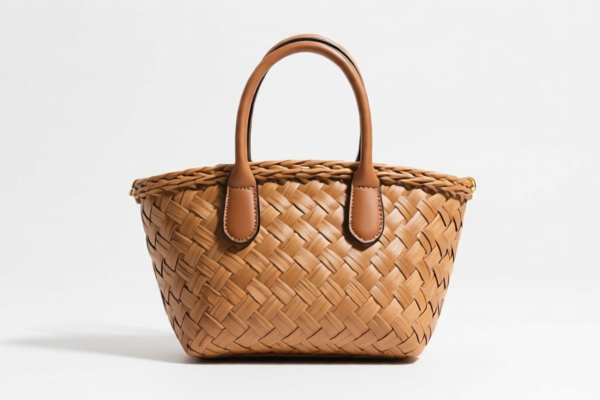
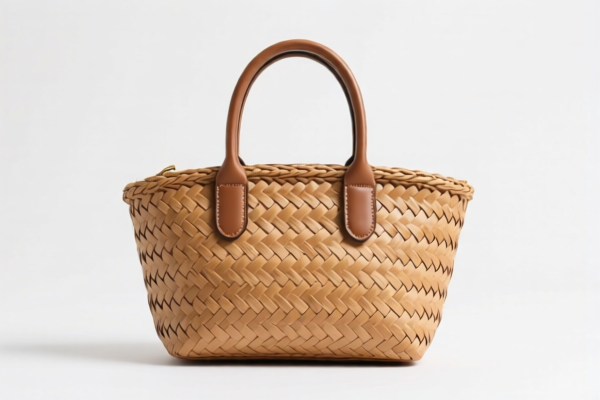
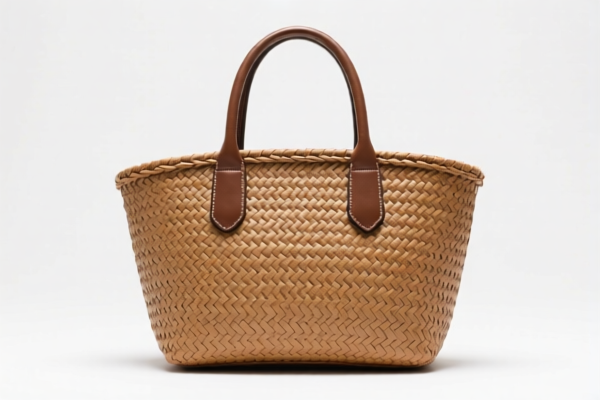
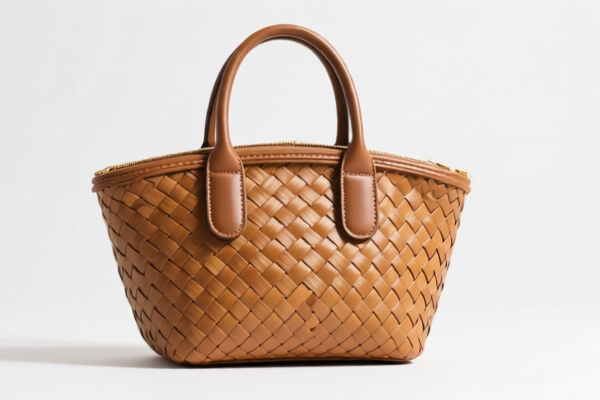
AI Analysis
🧺 Outdoor Woven Handbags (Plant & Textile Materials)
🌐 HS Code Reference & Clearance Guide | 2026 Latest Tariff Analysis | Professional Customs Strategy
📌 Part 1: Product Definition & Classification: Do You Really Understand "Woven Handbags"?
Outdoor woven handbags are accessories made primarily from plant-based materials (bamboo, rattan, straw) or textile fibers. In international trade, the classification depends strictly on the primary material and the specific weaving structure.
Plant-Based Woven Goods: Made from bamboo, rattan, or similar plant materials. These are generally classified under Chapter 46.
Handbag Structures (Leather/Textile Base): Even if woven, if the bag is classified as a "handbag" under Chapter 42 based on its shape, handle type, or if the material is classified as "other textile materials," it falls under Chapter 42.
⚠️ Key Distinction Point:
- If the bag is made of bamboo, rattan, or vegetable plaiting materials and retains the characteristic woven structure → Go to HS 4602.
- If the bag is a structured handbag made of woven textile/plastic material or other textile fibers → Go to HS 4202.
- Note: The "122 Section" tariff applies to all items originating from China entering the US market listed below.
📦 Part 2: HS Code Classification Details (2026 Latest Tariff Authority Comparison)
| HS Code | Product Description | Applicable Scenario | Material Type |
|---|---|---|---|
4602.19.29.20 |
Woven handbag, made of vegetable plaiting materials (not bamboo/rattan specifically listed elsewhere) | General plant-fiber woven bags (straw, reed, etc.) | 🌿 Plant Material |
4602.11.21.00 |
Woven handbag, made of bamboo, rattan, or similar plant materials | Bamboo chairs-style handles, rattan baskets | 🎋 Bamboo/Rattan |
4202.22.40.20 |
Woven handbag, made of woven materials (plastic/textile composite) | Woven plastic strips, synthetic fiber weaving | 🧵 Woven Material |
4202.22.89.80 |
Woven handbag, made of other textile materials | Fabric weaving, canvas woven bags, mixed textile weaves | 🧶 Textile Material |
🔍 Key Reminder:
- HS 4602 items are classified under "Articles of bamboo, cork, straw..." and are treated as woven articles, not necessarily "handbags" in the Chapter 42 sense.
- HS 4202 items are classified under "Suitcase, handbag... of leather or of sheeting of plastic material, or of textile materials." Even if woven, if it fits the Chapter 42 definition, it goes here.
- Tariff Rates: All items below include Section 301 and Section 122 tariffs due to China origin.
💰 Part 3: 2026 Latest Tariff Rate Details (Including Surcharge & Policy Add-ons)
✅ Applicable Country: United States (US)
✅ Country of Origin: China (CN)
✅ Effective Time: Current (2026)
🎯 1. 4602.19.29.20 —— Woven Handbag (Plant Material - General)
| Item | Content |
|---|---|
| Basic Tariff | 5.3% (ad valorem) |
| Section 301 Surcharge | +25.0% |
| Section 122 Tariff | +10.0% |
| Total Tariff Rate | 40.3% |
| Tax Calculation | CIF Value × 40.3% |
| De Minimis Exemption? | ❌ NO (Section 321 exempted for Section 301/122 goods) |
| Legal Basis Path | Section 301: 9903.88.01 → Section 122: 9903.01.25 → HTSUS: 4602.19.29.20 |
📌 Explanation:
- "Basic Tariff 5.3%" is the standard duty for woven articles of vegetable plaiting materials.
- "Section 301 +25%" is applied due to China origin under USTR List 4.
- "Section 122 +10%" is applied for most consumer goods from China under the current trade framework.
- Total 40.3% is a high barrier; accurate material declaration is critical to avoid misclassification.
🎯 2. 4602.11.21.00 —— Woven Handbag (Bamboo/Rattan)
| Item | Content |
|---|---|
| Basic Tariff | 6.2% |
| Section 301 Surcharge | +25.0% |
| Section 122 Tariff | +10.0% |
| Total Tariff Rate | 41.2% |
| Tax Calculation | CIF Value × 41.2% |
| De Minimis Exemption? | ❌ NO |
| Legal Basis Path | Section 301: 9903.88.01 → Section 122: 9903.01.25 → HTSUS: 4602.11.21.00 |
📌 Note:
- Bamboo and rattan are considered "hard" plant materials. The basic duty is slightly higher than general plant plaiting (6.2% vs 5.3%).
- Even if the bag is stylish and modern, if the main structural material is bamboo/rattan, it must be declared under 4602.11.
- Total 41.2% includes all surcharges.
🎯 3. 4202.22.40.20 —— Woven Handbag (Woven Material/Plastic Composite)
| Item | Content |
|---|---|
| Basic Tariff | 7.4% |
| Section 301 Surcharge | +25.0% |
| Section 122 Tariff | +10.0% |
| Total Tariff Rate | 42.4% |
| Tax Calculation | CIF Value × 42.4% |
| De Minimis Exemption? | ❌ NO |
| Legal Basis Path | Section 301: 9903.88.01 → Section 122: 9903.01.25 → HTSUS: 4202.22.40.20 |
📌 Explanation:
- This code is for handbags made of woven materials that fall under Chapter 42 (e.g., woven plastic strips, synthetic woven fibers).
- The basic tariff is 7.4%, which is higher than plant-based woven articles.
- Total 42.4% is the highest among the non-textile woven categories.
🎯 4. 4202.22.89.80 —— Woven Handbag (Other Textile Materials)
| Item | Content |
|---|---|
| Basic Tariff | 17.6% |
| Section 301 Surcharge | +25.0% |
| Section 122 Tariff | +10.0% |
| Total Tariff Rate | 52.6% |
| Tax Calculation | CIF Value × 52.6% |
| De Minimis Exemption? | ❌ NO |
| Legal Basis Path | Section 301: 9903.88.01 → Section 122: 9903.01.25 → HTSUS: 4202.22.89.80 |
📌 Critical Warning:
- This is the most expensive category in the provided list.
- It applies to handbags made of textile materials (cotton, polyester, nylon woven) that are not otherwise specified.
- Basic Tariff 17.6% is significantly higher because textile goods generally face higher base duties.
- Total 52.6% can make this product type uncompetitive unless value-added processing occurs outside China.
🛠️ Part 4: Clearance Practical Advice (Battle-Tested Pitfall Avoidance Guide)
✅ 1. Required Documentation Checklist (Must-Haves)
| Document | Mandatory? | Explanation |
|---|---|---|
| ✅ Product Specification Sheet | ✔️ | Must detail material composition (e.g., "60% Bamboo, 40% Cotton Lining") |
| ✅ Product Photos (Clear) | ✔️ | Show the weaving structure, handles, and any brand labels |
| ✅ Commercial Invoice | ✔️ | Must explicitly state "Woven Handbag" and correct HS Code |
| ✅ Packing List | ✔️ | Weight and dimensions per package |
| ✅ Material Test Report | ❌ Recommended | If disputed, lab reports proving material type (plant vs. textile) are crucial |
✅ 2. Declaration Tips (Key Mantra)
🔥 "Material First, Structure Second, Name Accurate, Tariff Predictable!"
| Scenario | Correct Declaration | Wrong Practice |
|---|---|---|
| Bag made of Bamboo | 4602.11.21.00 |
Declare as "Textile Bag" → Risk of audit & penalty |
| Bag made of Straw/Reed | 4602.19.29.20 |
Declare as "Leather Bag" → 100% mismatch |
| Bag made of Woven Plastic | 4202.22.40.20 |
Declare as "Plant Material" → Rejection |
| Bag made of Cotton/Poly Fabric Woven | 4202.22.89.80 |
Try to classify as 4602 → High penalty risk |
✅ 3. Special Case Handling
| Scenario | Handling Advice |
|---|---|
| Mixed Materials (e.g., Bamboo + Leather Straps) | Classify based on essential character. If bamboo is structural → 4602. If leather handles dominate → 4202. |
| "Outdoor" Marketing | Do not use "Outdoor" as the primary descriptor. Focus on material. Customs classify by material, not use case. |
| Sample vs. Bulk | Ensure sample and bulk HS codes match. Mismatches trigger inspections. |
| China Origin | All items listed are subject to Section 301 (25%) and Section 122 (10%). No de minimis exemption for shipments over $800 if from China. |
🌍 Part 5: Global Market Comparison (2026 Update)
| Country/Region | Recommended HS Code | Total Duty (China Origin) | Notes |
|---|---|---|---|
| 🇺🇸 USA | See Data Above | 40.3% – 52.6% | Includes 301 + 122 surcharges. Very high. |
| 🇪🇺 EU | 4602 / 4202 | Varies (0-12%) | No Section 301. Lower basic duties. |
| 🇨🇳 China | 4602 / 4202 | Varies (5-20%) | Export duties may apply depending on material. |
| 🇬🇧 UK | 4602 / 4202 | Varies (0-12%) | Post-Brexit rules apply. No Section 301. |
📌 Conclusion:
- The USA is the most challenging market for Chinese woven handbags due to the double surcharge (301 + 122).
- EU/UK markets are more favorable tariff-wise.
- If targeting the US, consider cost-plus pricing to absorb 40-52% duty, or explore foreign trade zones.
📌 Part 6: Common Errors & Pitfalls (Lessons Learned)
❌ Error 1: Declaring a Bamboo Bag as a "Woven Textile Bag" (4202)
👉 Consequence: If customs verify it's bamboo, they may penalize for misclassification, or if they accept it, you pay 52.6% instead of 41.2%. Overpayment.
❌ Error 2: Declaring a Plastic Woven Bag as "Plant Material" (4602)
👉 Consequence: Customs lab test will show synthetic material. Fine for fraud, plus back duties. High Risk.
❌ Error 3: Ignoring Section 122
👉 Consequence: Some brokers only apply Section 301 (25%). Missing the 10% Section 122 leads to underpayment and seizure.
❌ Error 4: Using "Handbag" generically without material detail
👉 Consequence: Customs will choose the "most restrictive" code or delay shipment for clarification. Delays.
✅ Correct Practice:
"Bamboo Woven Handbag, Natural Finish, Wooden Handles, Origin: China"
HS Code:4602.11.21.00
Total Duty: 41.2%
🎯 Part 7: Conclusion: Precise Classification, Profit Protection!
🎯 Remember the Mantra:
🔹 "Bamboo/Rattan = 4602.11 (41.2%)"
🔹 "Other Plant = 4602.19 (40.3%)"
🔹 "Woven Plastic = 4202.22.40 (42.4%)"
🔹 "Textile Weave = 4202.22.89 (52.6%)"
🔹 "China Origin = +35% Extra Tariff Always!"
📌 Pro Tip:
- If you are using non-China materials (e.g., bamboo from Vietnam, fabric from India), you may avoid Section 301 & 122.
- For China-origin goods, pre-apply for Advance Ruling if the material is ambiguous.
- Calculate Landed Cost including 40-52% duty before setting retail prices.
📣 Immediate Action:
📞 Verify Material Composition → Choose Correct HS Code → Calculate 40-52% Duty → Set Competitive Price
🚀 Clear Customs Smoothly, Protect Margins, Grow Your Brand!
✨ Professional Clearance Starts with Accurate Classification!
💼 Every Percent of Duty Matters!
Customer Reviews
About HS Code Classification
The Harmonized System (HS) is an internationally standardized nomenclature developed by the World Customs Organization (WCO) to classify traded products. Over 200 countries use the HS system as the basis for customs tariffs, trade statistics, and import/export regulations.
Each HS code follows a hierarchical structure:
- Chapter (2 digits) — Broad category of goods (e.g., Chapter 84: Machinery and Mechanical Appliances)
- Heading (4 digits) — More specific grouping within the chapter
- Subheading (6 digits) — Internationally standardized breakdown, used by all WCO member countries
- National subdivisions (8-10 digits) — Country-specific extensions for further classification, such as US HTSUS 10-digit codes
Correct HS code classification is essential for smooth customs clearance, accurate duty payment, and compliance with trade regulations. Misclassification can lead to customs delays, overpayment of duties, or penalties.
When importing from CN to US, the applicable tariff rates may include:
- Most-Favored-Nation (MFN) rate — The standard duty rate applied to WTO members
- General rate — Applied to countries without trade agreements
- Trade remedy duties — Additional tariffs such as Section 301 (anti-dumping), Section 232 (national security), or countervailing duties
The information provided on this page is for reference purposes only. For official classification, please consult with your local customs authority or a licensed customs broker.