Outdoor Woven Mat
CN → US| HS Code | Tariff Rate | Origin | Destination | Doc |
|---|---|---|---|---|
| 5705001000 | 35.0% | CN | US | Official Doc |
| 4601296000 | 39.8% | CN | US | Official Doc |
| 3926905600 | 40.1% | CN | US | Official Doc |
| 5705002090 | 38.3% | CN | US | Official Doc |
| 5705001000 | 35.0% | CN | US | Official Doc |
Product Images
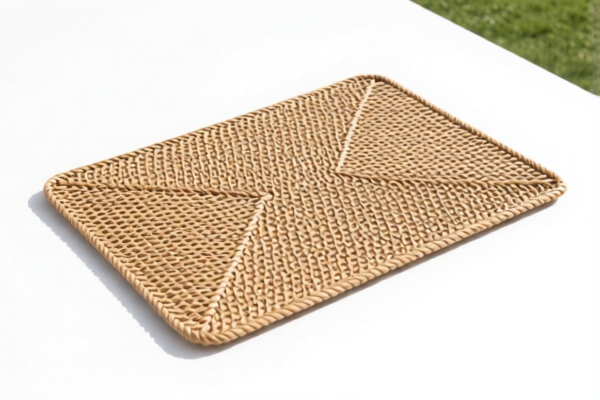
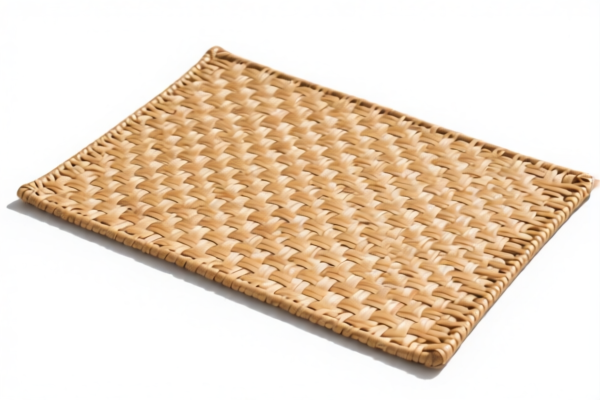
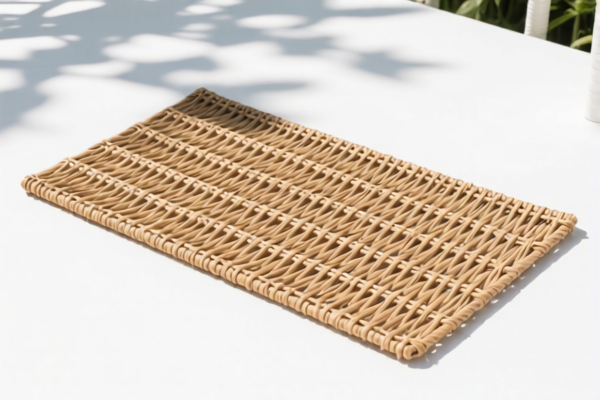
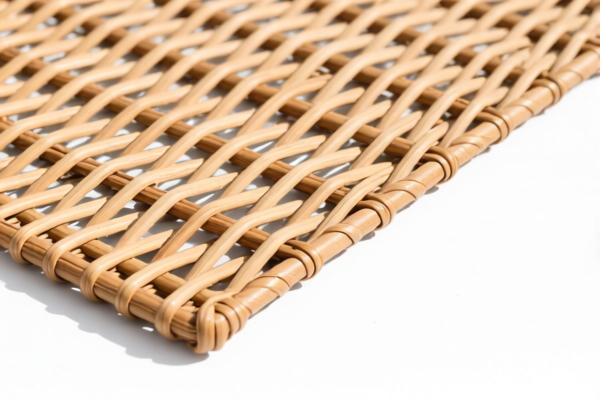
AI Analysis
🌿 Outdoor Woven Mat (Vegetable Fiber Matting)
🌐 HS Code Reference & Customs Clearance Guide | 2026 Latest Tariff Analysis | Strategic Import Strategy for US Market
📌 I. Product Definition & Classification: Do You Really Understand "Vegetable Fiber Mats"?
An Outdoor Woven Mat, specifically made from vegetable fibers, is a floor covering or ground matting product. In international trade, its classification depends heavily on the specific composition (pure fiber vs. composite) and manufacturing process.
Pure Vegetable Fiber Mats: Made entirely from natural plant fibers (e.g., sisal, coir, seagrass) without synthetic binders. These fall under Chapter 57 (Carpeting) or Chapter 46 (Woven Plant Materials).
Composite/Blended Mats: If the vegetable fibers are bonded with plastics, resins, or other synthetic materials to enhance durability for outdoor use, they may be classified under Chapter 39 (Plastics) or treated as "other textile floor coverings."
⚠️ Key Distinction Point:
- If the mat is 100% natural vegetable fiber and woven → Chapter 57 (5705) or Chapter 46 (4601)
- If the mat contains plastic binders or synthetic blends → Chapter 39 (3926)
📦 II. HS Code Classification Details (2026 Latest Tariff Authority Comparison)
Based on the provided data, there are four potential HS Code classifications for "Outdoor Woven Mats," each with distinct tax implications.
| HS Code | Product Description | Application Scenario | Material Composition |
|---|---|---|---|
5705.00.10.00 |
Textile Floor Coverings, Vegetative Fiber | Pure vegetable fiber mats, natural look | ✅ 100% Vegetable Fiber |
4601.29.60.00 |
Woven Mats of Vegetable Materials | Outdoor use, plant-material mats | ✅ Plant-based Fiber |
3926.90.56.00 |
Other Plastic Articles | Composite: Plant fiber + Plastic binder | ✅ Hybrid (Fiber + Plastic) |
5705.00.20.90 |
Other Textile Floor Coverings | Fiber-based, general textile category | ⚠️ Textile Fiber (Broad) |
🔍 Critical Note:
-5705.00.10.00and5705.00.20.90are similar but differ in specific sub-category precision.5705.10is preferred for vegetative fibers. -4601.29.60.00is specific to woven mats of vegetable materials, often used for outdoor/industrial applications. -3926.90.56.00applies if the mat is considered a plastic article due to significant synthetic content (e.g., PVC backing, resin binding).
💰 III. 2026 Latest Tariff Rate Breakdown (Including Surtaxes & Policy Add-ons)
✅ Applicable Country: United States (US)
✅ Origin: China (CN)
✅ Effective Date: 2025 onwards (subject to current IEEPA/Section 301 rules)
🎯 1. 5705.00.10.00 —— Textile Floor Coverings, Vegetative Fiber
| Item | Content |
|---|---|
| Base Tariff | 0.0% (Ad Valorem) |
| Section 301 Surcharge | +25.0% (From USITC Footnote 9903.88.01) |
| IEEPA Surcharge (Section 122) | +10.0% (Targeting China/HK products) |
| Total Tariff Rate | 35.0% |
| Tax Calculation | CIF Value × 35% |
| De Minimis Exemption | ❌ Not Eligible (deny_de_minimis) |
| Legal Basis Path | IEEPA:9903.01.25 → USITC:5705.00.10.00 → FOOTNOTE:9903.88.01 |
📌 Explanation:
- Despite a 0% base tariff, the 35% total rate is significant. - The 25% Section 301 duty is standard for Chinese goods. - The 10% IEEPA duty is a specific additional levy. - Total Cost Impact: High. Must be factored into pricing.
🎯 2. 4601.29.60.00 —— Woven Mats of Vegetable Materials
| Item | Content |
|---|---|
| Base Tariff | 4.8% |
| Section 301 Surcharge | +25.0% |
| IEEPA Surcharge (Section 122) | +10.0% |
| Total Tariff Rate | 39.8% |
| Tax Calculation | CIF Value × 39.8% |
| De Minimis Exemption | ❌ Not Eligible |
| Legal Basis Path | IEEPA:9901.25 → USITC:4601.29.60.00 → FOOTNOTE:9903.88.01 |
📌 Note:
- This classification carries a higher base rate (4.8%) compared to5705.10.00. - Total tax burden is 39.8%, making it less favorable than5705.10.00. - Use only if the product fits the legal definition of "woven mats of vegetable materials" better than "textile floor coverings."
🎯 3. 3926.90.56.00 —— Other Plastic Articles
| Item | Content |
|---|---|
| Base Tariff | 5.1% |
| Section 301 Surcharge | +25.0% |
| IEEPA Surcharge (Section 122) | +10.0% |
| Total Tariff Rate | 40.1% |
| Tax Calculation | CIF Value × 40.1% |
| De Minimis Exemption | ❌ Not Eligible |
| Legal Basis Path | IEEPA:9901.25 → USITC:3926.90.56.00 → FOOTNOTE:9903.88.01 |
📌 Note:
- This applies if the mat is considered a plastic composite. - Highest base rate (5.1%) among all options. - Total rate is 40.1%, the most expensive option. - Avoid this classification unless the product is predominantly plastic (e.g., plastic-backed, resin-coated).
🎯 4. 5705.00.20.90 —— Other Textile Floor Coverings
| Item | Content |
|---|---|
| Base Tariff | 3.3% |
| Section 301 Surcharge | +25.0% |
| IEEPA Surcharge (Section 122) | +10.0% |
| Total Tariff Rate | 38.3% |
| Tax Calculation | CIF Value × 38.3% |
| De Minimis Exemption | ❌ Not Eligible |
| Legal Basis Path | IEEPA:9901.25 → USITC:5705.00.20.90 → FOOTNOTE:9903.88.01 |
📌 Note:
- Slightly lower total rate than3926and4601, but higher than5705.10.00. - Use only if5705.10.00is not applicable (e.g., if not strictly "vegetative fiber").
🛠️ IV. Customs Clearance Practical Advice (Pitfall Avoidance Guide)
✅ 1. Required Documentation Checklist
| Document | Mandatory? | Notes |
|---|---|---|
| ✅ Product Specification Sheet | ✔️ | Detail fiber type (sisal, coir, etc.), weave pattern, backing material. |
| ✅ Material Composition Statement | ✔️ | Critical: Declare % of vegetable fiber vs. plastic/synthetic content. |
| ✅ Product Photos | ✔️ | Clear shots of the mat, labels, and cross-section (if possible). |
| ✅ Commercial Invoice | ✔️ | Must clearly state "Vegetable Fiber Woven Mat" or "Textile Floor Covering." |
| ✅ Packing List | ✔️ | Match invoice details. |
| ✅ Certificate of Origin (CO) | ✔️ | If applicable for any potential future exemptions. |
✅ 2. Declaration Tips (Key Strategies)
🔥 “Pure Fiber for 5705, Composite for 3926, Name Matters!”
| Scenario | Correct HS Code | Wrong Action | Consequence |
|---|---|---|---|
| 100% Natural Vegetable Fiber | 5705.00.10.00 |
Report as 3926 |
Overpaying by 5.1% base + complexity |
| Fiber + Plastic Backing | 3926.90.56.00 |
Report as 5705.10 |
Risk of misclassification penalty + back taxes |
| Woven Plant Material Mat | 4601.29.60.00 |
Report as 5705.10 |
Slightly higher tax (39.8% vs 35%) |
| General Textile Mat | 5705.00.20.90 |
Report as 5705.10 |
Higher tax (38.3% vs 35%) |
✅ 3. Special Handling Scenarios
| Situation | Recommendation |
|---|---|
| Mixed Fiber (Natural + Synthetic) | If synthetic > 50%, consider 3926. If natural > 50%, argue for 5705. Provide lab test results. |
| Plastic-Coated Fiber Mat | Likely 3926.90.56.00. Declare as "Plastic Article." |
| Unfinished Woven Strips | May fall under 5705.10.00 if considered unfinished textile. |
| Outdoor Rugs vs. Mats | If thicker and more durable, may be classified as "Rugs" under 5703/5704, but 5705 is a safer general fallback for woven mats. |
🌍 V. Global Market Comparison (2026 Update)
| Country/Region | Recommended HS Code | Tariff Rate (China Origin) | Certification | Notes |
|---|---|---|---|---|
| 🇺🇸 USA | 5705.00.10.00 |
35.0% | N/A | Highest impact due to 301 + IEEPA |
| 🇨🇳 China | 5705.00.10.00 |
5% | RoHS | No surtaxes |
| 🇪🇺 EU | 5705.00.10.00 |
0% (if GSP/EBA) | CE/REACH | Check for trade agreements |
| 🇬🇧 UK | 5705.00.10.00 |
5-12% | UKCA | Post-Brexit tariffs apply |
| 🇨🇦 Canada | 5705.00.10.00 |
0% (if FTA) | N/A | CUSMA may apply |
📌 Conclusion:
- USA is the most challenging market due to 35% total tariff. - Base rate of 0% is misleading; surtaxes dominate the cost. - Recommendation: Source from non-China countries (e.g., Vietnam, India) to avoid Section 301 and IEEPA duties if possible.
📌 VI. Common Mistakes & Pitfall Guide (Lessons Learned)
❌ Mistake 1: Declaring a plastic-backed mat as 5705.10.00
👉 Consequence: Customs audit → Penalties + Back taxes of 40.1% instead of 35%.
❌ Mistake 2: Ignoring the IEEPA 10% surtax
👉 Consequence: Underpayment → Hold-up at customs + Interest charges.
❌ Mistake 3: Using vague terms like "Home Decor Mat"
👉 Consequence: Customs may default to 3926 or 5705.20 → Higher or incorrect tax.
✅ Correct Practice:
“Outdoor Woven Mat, 100% Sisal Fiber, Hand-Woven, Unfinished Edges, For Ground Cover”
🎯 VII. Conclusion: Professional Declaration, Cost Optimization
🎯 Remember the Strategy:
🔹 “100% Natural Fiber = 35% Total Tax”
🔹 “Mixed/Plastic = 40.1% Total Tax”
🔹 “Name It Precisely to Avoid 5% Base Rate Traps!”📌 Pro Tip:
If your mats are sourced from Vietnam, India, or Thailand, you may avoid IEEPA and Section 301 surtaxes, reducing the total rate to the base rate (0%–5.1%). - Action: Apply for Preference Documentation and request an Advance Ruling from US CBP if the product is borderline.
📣 Immediate Action:
📞 Consult a Customs Broker + Provide Material Composition Report + Apply for Pre-Classification
🚀 Optimize Your Supply Chain to Avoid High-Tariff Origins!
✨ Professional Clearance Starts with Accurate Classification!
💼 Every Percentage Point Counts in Your Profit Margin!
Customer Reviews
About HS Code Classification
The Harmonized System (HS) is an internationally standardized nomenclature developed by the World Customs Organization (WCO) to classify traded products. Over 200 countries use the HS system as the basis for customs tariffs, trade statistics, and import/export regulations.
Each HS code follows a hierarchical structure:
- Chapter (2 digits) — Broad category of goods (e.g., Chapter 84: Machinery and Mechanical Appliances)
- Heading (4 digits) — More specific grouping within the chapter
- Subheading (6 digits) — Internationally standardized breakdown, used by all WCO member countries
- National subdivisions (8-10 digits) — Country-specific extensions for further classification, such as US HTSUS 10-digit codes
Correct HS code classification is essential for smooth customs clearance, accurate duty payment, and compliance with trade regulations. Misclassification can lead to customs delays, overpayment of duties, or penalties.
When importing from CN to US, the applicable tariff rates may include:
- Most-Favored-Nation (MFN) rate — The standard duty rate applied to WTO members
- General rate — Applied to countries without trade agreements
- Trade remedy duties — Additional tariffs such as Section 301 (anti-dumping), Section 232 (national security), or countervailing duties
The information provided on this page is for reference purposes only. For official classification, please consult with your local customs authority or a licensed customs broker.