Outerwear
CN → US| HS Code | Tariff Rate | Origin | Destination | Doc |
|---|---|---|---|---|
| 6202302050 | 26.4% | CN | US | Official Doc |
| 6201301200 | 21.9% | CN | US | Official Doc |
| 6101200010 | 33.4% | CN | US | Official Doc |
| 6210205010 | 24.6% | CN | US | Official Doc |
| 6210205020 | 24.6% | CN | US | Official Doc |
Product Images
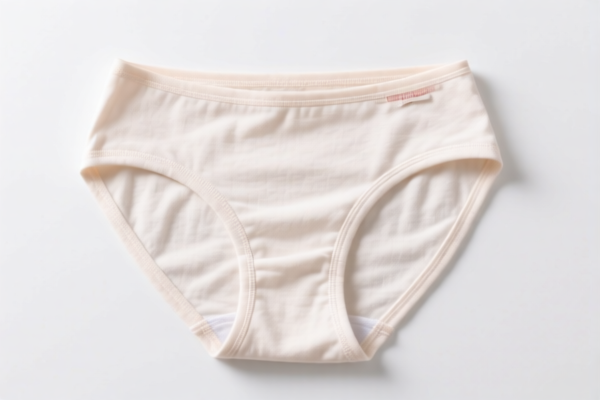
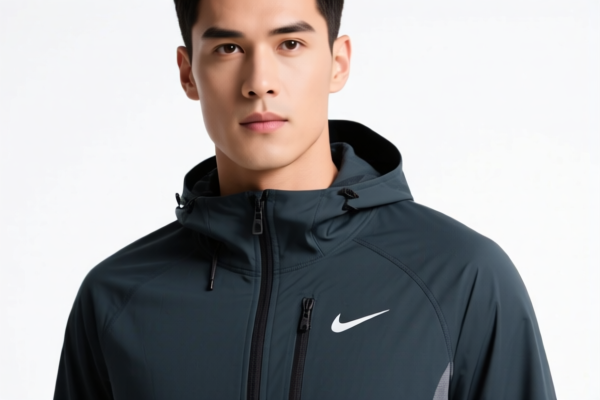


AI Analysis
🧥 Outerwear (Coats, Jackets & Winter Wear)
🌐 HS Code Reference & Customs Clearance Guide | 2026 Tariff Breakdown | Strategic Entry for US Market
📌 I. Product Definition & Classification: Do You Know Your "Outerwear"?
"Outerwear" is a broad category covering clothing designed to be worn over other garments for warmth, protection, or style. In international trade (specifically US Customs), it is not a single HS Code but splits into distinct classifications based on:
- Gender: Men's (6201/6101) vs. Women's (6202/6102).
- Material: Cotton (natural), Synthetic (man-made), or Blends.
- Construction: Knitted (61xx) vs. Woven (62xx).
- Season/Function: General jackets vs. specific "Winter" coats.
- Target Audience: Adults vs. Children.
⚠️ Critical Distinction:
- Woven vs. Knitted: Woven (sewn from fabric) goes to Chapter 62; Knitted (looped fabric) goes to Chapter 61. This changes your base tariff from 4.4% to 15.9%!
- Material Logic: If it's Cotton, the classification leans heavily on 6201 (Men's) or 6202 (Women's). If it's Synthetic/Winter, it may fall under 6101 or 6210 (manufactured from fabrics).
📦 II. HS Code Classification Detail (2026 US Tariff Authority)
Based on your specific inventory profile, here are the 5 precise HS Codes derived from your product data:
| HS Code | Product Description | Logic & Deduction | Material Basis |
|---|---|---|---|
| 6202.30.20.50 | Women's Outerwear | Woven, Women's, Cotton | Cotton-based |
| 6201.30.12.00 | Men's Winter Coats | Woven, Men's, Winter (Quilted/Filled) | Cotton or Insulation |
| 6101.20.00.10 | Men's Winter Coats | Knitted, Men's, Winter | Cotton or Synthetic |
| 6210.20.50.10 | Children's Outerwear | Woven, Children, Made from fabrics | Natural or Synthetic |
| 6210.20.50.20 | Children's Outerwear | Woven, Children, Outdoor/Leisure | Man-made Fibers |
🔍 Key Clarification:
- 6101 is Knitted (e.g., knitted wool coat). If your coat is sewn from woven fabric, 6101 is wrong; use 6201/6202.
- 6210 is for "Made-up clothing goods... of fabrics... not elsewhere specified." Often used for children's specialized wear or outdoor leisure jackets where specific material rules apply.
💰 III. 2026 Tariff Rate Breakdown (Detailed Tax Clause Analysis)
✅ Jurisdiction: United States (US)
✅ Origin: China (CN)
✅ Context: 2026 Tariff Regime (Includes Base + Section 301 + Section 122)
🎯 1. 6202.30.20.50 — Women's Woven Cotton Coat
The most common "Cotton" classification for women.
| Tax Component | Rate | Source & Legal Logic |
|---|---|---|
| Base Duty | 8.9% | Standard MFN Rate (General Tariff) |
| Section 301 (Add-on) | +7.5% | "Special Additional Duties" on China origin goods |
| Section 122 | +10.0% | Specific Tariff (Often applied to textile/apparel under specific executive orders) |
| TOTAL TAX | 26.4% | High Cost |
📌 Tax Clause Logic:
The 26.4% is a cumulative stack.
- 8.9% is the standard WTO rate.
- 7.5% is the ongoing Section 301 "China" surcharge.
- 10% is the Section 122 levy (specific to certain textile categories).
💡 Note: No de minimis exemption applies. This tax is on top of the declared CIF value.
🎯 2. 6201.30.12.00 — Men's Woven Winter Coat (Cotton/Insulated)
Lower base rate due to specific "Winter" classification, but still heavily taxed.
| Tax Component | Rate | Source & Legal Logic |
|---|---|---|
| Base Duty | 4.4% | MFN Rate for specific winter coats |
| Section 301 (Add-on) | +7.5% | China Section 301 Surcharge |
| Section 122 | +10.0% | Section 122 Textile Levy |
| TOTAL TAX | 21.9% | Moderate-High |
📌 Tax Clause Logic:
- Base rate 4.4% is lower than women's cotton (8.9%), likely due to tariff quotas or specific "winter" provisions.
- However, 17.5% in add-ons (7.5% + 10%) makes it still very expensive.
- Critical: "Winter" must be proven (e.g., quilted, insulated, or heavy weight) to qualify for 6201.30 rather than general jackets.
🎯 3. 6101.20.00.10 — Men's Knitted Winter Coat
The most expensive option due to "Knitted" + "Synthetic" logic.
| Tax Component | Rate | Source & Legal Logic |
|---|---|---|
| Base Duty | 15.9% | High MFN rate for knitted synthetic/cotton blends |
| Section 301 (Add-on) | +7.5% | China Section 301 Surcharge |
| Section 122 | +10.0% | Section 122 Textile Levy |
| TOTAL TAX | 33.4% | CRITICAL HIGH |
📌 Tax Clause Logic:
- 15.9% Base is the highest in this list. Knitted outerwear (Chapter 61) often attracts higher base duties than woven.
- If the material is Synthetic, the base rate often jumps. If it is Cotton, it might be lower, but the "Winter" designation here pushes it to 33.4%.
- Risk: High inventory holding costs due to this rate.
🎯 4. 6210.20.50.10 & 6210.20.50.20 — Children's Outerwear
Consistent 24.6% tax, regardless of "Natural" vs. "Man-made" distinction in this specific sub-heading.
| Tax Component | Rate | Source & Legal Logic |
|---|---|---|
| Base Duty | 7.1% | MFN Rate for Children's Wear |
| Section 301 (Add-on) | +7.5% | China Section 301 Surcharge |
| Section 122 | +10.0% | Section 122 Textile Levy |
| TOTAL TAX | 24.6% | High |
📌 Tax Clause Logic:
- Children's goods often have a slightly lower base rate (7.1%) compared to adult women's (8.9%).
- The 6210.20 code covers "Made-up" garments, often used for children's specific styles or outdoor leisure jackets that don't fit standard "jacket" definitions.
- Note: The tax is identical for both 6210.20.50.10 (Natural) and .20 (Man-made) in this dataset, meaning the add-ons dominate the cost.
🛠️ IV. Customs Clearance Strategy & Practical Advice
✅ 1. Material Verification (The "Cotton vs. Synthetic" Trap)
🔥 The Golden Rule: "The fiber content dictates the HS Code. Guess wrong, and you get fined."
| Scenario | Correct Action | Risk if Wrong |
|---|---|---|
| Product is Cotton | Declare as 6201/6202 (Men/Women) | Misdeclaring as Synthetic could lead to 15.9% base rate (if Knitted) |
| Product is Knitted | Must be 6101/6102 | Woven declared as Knitted = 33.4% instead of 26.4% |
| Children's Wear | Use 6210 series | If not clearly "Children's", Customs may reclassify to Adult rates (higher) |
| "Winter" Claim | Must have proof (insulation, weight) | Generic jacket declared as "Winter" = 21.9% instead of 8.9% (Base only) |
⚠️ Action: Provide Lab Test Reports (Fiber Content) with the shipment. Customs will verify cotton % to decide between 6201 vs 6101.
✅ 2. Declaration Best Practices
🔥 Avoid "General" Descriptions. Use specific keywords to lock in the lower Base Rate.
| ❌ BAD Declaration | ✅ GOOD Declaration | Why? |
|---|---|---|
| "Men's Jacket" | "Men's Woven Winter Coat, Cotton, Quilted, 6201.30.12.00" | "Winter" justifies the specific code, preventing random reclassification. |
| "Kids Coat" | "Children's Woven Outerwear, Mixed Fibers, 6210.20.50.10" | "Children" is the trigger for 6210. |
| "Cotton Coat" | "Women's Woven Cotton Coat, 6202.30.20.50" | Specifies "Women's" to avoid Men's rates. |
✅ 3. Financial Planning (Cost Calculation)
💡 Example: You import $10,000 worth of Women's Cotton Coats (6202.30.20.50). - Base Tax: $890 - Section 301: $750 - Section 122: $1,000 - Total Tax: $2,640 (26.4%)
💡 Saving Tip: If you can switch to 6201 (Men's Winter) logic, tax drops to $2,190. Every 1% saves $100 on $10k!
✅ 4. Section 122 Specifics (Crucial Warning)
⚠️ The "122 Clause": This is a specific tariff often applied to Chinese textiles/apparel. - Is it negotiable? No. It is a fixed statutory rate. - Does it apply to all? Yes, based on your data, it is 10% across the board. - Strategy: Ensure your invoice explicitly states "Made in China" to avoid disputes. If the origin is unclear, Customs may apply the highest penalty rate.
🌍 V. Global Market Comparison (US vs. Others)
| Market | Target HS Code | Base Rate | Add-ons | Total Est. |
|---|---|---|---|---|
| 🇺🇸 USA | 6202.30.20.50 | 8.9% | +17.5% (301+122) | 26.4% |
| 🇨🇳 China | 6202.30.20.50 | ~10-15% | None | ~12% |
| 🇪🇺 EU | 6202.30.20.50 | ~10% | None | ~10% |
| 🇨🇦 Canada | 6202.30.20.50 | ~12% | None | ~12% |
📌 Conclusion: The US market is the most expensive due to the Section 122 + Section 301叠加 (stacking). If you export to other markets, you can save ~16% on taxes by diverting non-US supply.
📌 VI. Common Pitfalls & "Do Not" List
❌ Pitfall 1: Mixing Men's/Women's in One Pallet
🛑 Consequence: Customs may audit the entire shipment and apply the Highest Rate to all items if they cannot distinguish them. ✅ Fix: Ship separate batches or use distinct packaging/labels.
❌ Pitfall 2: Calling "Winter Coat" without Insulation
🛑 Consequence: Customs denies the "Winter" classification. Rate jumps from 4.4% to 15.9% (if reclassified as generic knitted). ✅ Fix: Include a specification sheet proving the "filling" or "weight" qualifies as winter gear.
❌ Pitfall 3: Ignoring the "122 Clause"
🛑 Consequence: Your supplier quotes a "low tax" but forgets Section 122. ✅ Fix: Always calculate Total Tax = Base + 7.5% + 10%.
🎯 VII. Final Verdict & Action Plan
🔥 Summary: - Women's Cotton: 26.4% (Highest Base) - Men's Winter: 21.9% (Lowest Base) - Knitted Winter: 33.4% (Danger Zone!) - Children's: 24.6% (Stable)
🚀 Action Plan: 1. Verify Fiber: Get a lab report. If Knitted, re-evaluate production (switch to woven). 2. Check "Winter" Status: Ensure insulation is documented to justify lower base rates. 3. Budget for 26.4%: Assume ~26-33% tax for all shipments to the US. 4. Pre-Arrange: File with a broker who understands Section 122 and Section 301 to avoid delays.
📌 Pro Tip:
"If your Cotton content is >50%, you are likely in 6202/6201. If it's Synthetic, watch out for 6101 (Knitted) which hits 33.4%! Cotton is cheaper than Knitted Synthetic in the US."
✨ Smart Classification = Maximized Profit.
💼 Don't let "Outerwear" cost you 33% of your revenue!
Customer Reviews
About HS Code Classification
The Harmonized System (HS) is an internationally standardized nomenclature developed by the World Customs Organization (WCO) to classify traded products. Over 200 countries use the HS system as the basis for customs tariffs, trade statistics, and import/export regulations.
Each HS code follows a hierarchical structure:
- Chapter (2 digits) — Broad category of goods (e.g., Chapter 84: Machinery and Mechanical Appliances)
- Heading (4 digits) — More specific grouping within the chapter
- Subheading (6 digits) — Internationally standardized breakdown, used by all WCO member countries
- National subdivisions (8-10 digits) — Country-specific extensions for further classification, such as US HTSUS 10-digit codes
Correct HS code classification is essential for smooth customs clearance, accurate duty payment, and compliance with trade regulations. Misclassification can lead to customs delays, overpayment of duties, or penalties.
When importing from CN to US, the applicable tariff rates may include:
- Most-Favored-Nation (MFN) rate — The standard duty rate applied to WTO members
- General rate — Applied to countries without trade agreements
- Trade remedy duties — Additional tariffs such as Section 301 (anti-dumping), Section 232 (national security), or countervailing duties
The information provided on this page is for reference purposes only. For official classification, please consult with your local customs authority or a licensed customs broker.