Oven Gloves
CN → US| HS Code | Tariff Rate | Origin | Destination | Doc |
|---|---|---|---|---|
| 6216009000 | 21.3% | CN | US | Official Doc |
| 6216003800 | 41.0% | CN | US | Official Doc |
| 3926204050 | 16.5% | CN | US | Official Doc |
| 6116928800 | 19.4% | CN | US | Official Doc |
| 3926201050 | 10.0% | CN | US | Official Doc |
| 6116105510 | 30.7% | CN | US | Official Doc |
Product Images
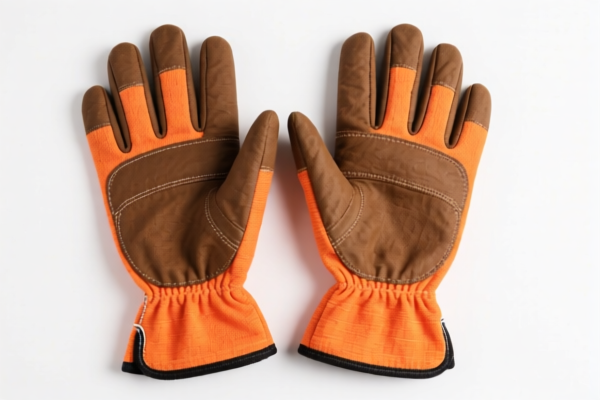


AI Analysis
🧤 Oven Gloves: The Ultimate Heat-Resistant Companion
🌐 HS Code Reference & Customs Clearance Guide | 2026 Latest Tariff Analysis | Professional Level Strategy
📌 One, Product Definition & Classification: Do You Really Know "Oven Gloves"?
Oven gloves are essential thermal protection equipment in kitchens, industrial food processing, and laboratory settings. In international trade, they are categorized primarily by material composition and manufacturing method (Knitted vs. Non-Knitted/Woven). Misclassification often leads to significant tariff differences due to US Section 301 and IEEPA sanctions on Chinese goods.
⚠️ Key Distinction Points:
- Knitted/Crocheted (Chapter 61): Made from textile fibers (cotton, synthetic, blends). Typically softer, flexible, but may have lower heat resistance than thick woven fabrics.
- Non-Knitted/Woven/Plastic (Chapter 62 or 39): Includes cotton wadding, silicone-coated fabric, or solid plastic/rubber gloves. Often used for high-heat industrial applications or specific disposable/non-disposable formats.
- Silicone/Plastic: If the glove is essentially a molded plastic/rubber item (even if fabric-lined), it may fall under Chapter 39.
📦 Two, Detailed HS Code Classification (2026 Latest Tariff Authority Comparison)
The following table analyzes the six potential HS Codes based on the provided data, ranking them by tax efficiency and product fit.
| HS Code | Description & Inference | Total Tax Rate | Tax Breakdown (CN Origin to US) | Best Fit Scenario |
|---|---|---|---|---|
| 3926.20.10.50 | Plastic/Rubber Gloves, Other. Material inferred as plastic/synthetic. Not for single use. Form fits glove category. | 10.0% | Base: 0.0% Add-on (301): 0.0% 122 Clause: 10% |
Best for: Silicone oven mitts, molded plastic heat-resistant gloves, or synthetic coated gloves where material science classifies them as "plastic." |
| 3926.20.40.50 | Plastic Articles, Other. Material inferred as plastic. Form fits glove. Not for single use. | 16.5% | Base: 6.5% Add-on (301): 0.0% 122 Clause: 10% |
For: Other plastic heat-resistant items that don't fit the specific "glove" sub-category of 3926.20.10. |
| 6116.92.88.00 | Other Knitted/Crocheted Gloves, Containing <50% Viscose/Chemical Fibers. Material inferred as cotton/blended textile. | 19.4% | Base: 9.4% Add-on (301): 0.0% 122 Clause: 10% |
For: Soft, knitted oven mitts (e.g., cotton/polyester blends) that are not heavily coated. Note: No Section 301 duty applies to this specific sub-code! |
| 6216.00.90.00 | Other Gloves, Textile or Rubber/Plastic (Fallback). Material inferred as fabric/silicone composite. Fallback category for textiles. | 21.3% | Base: 3.8% Add-on (301): 7.5% 122 Clause: 10% |
For: Woven fabric gloves (non-knitted) that don't fit specific cotton or chemical fiber sub-headings. |
| 6116.10.55.10 | Knitted Gloves, Coated with Plastisol/Other Plastic. Material inferred as cotton/artificial fiber textiles. | 30.7% | Base: 13.2% Add-on (301): 7.5% 122 Clause: 10% |
For: Textile gloves heavily coated with plastic for heat/chemical resistance. Higher base tariff. |
| 6216.00.38.00 | Other Gloves, Cotton. Material inferred as cotton textile. | 41.0% | Base: 23.5% Add-on (301): 7.5% 122 Clause: 10% |
For: 100% Cotton wadded gloves. Highest Tax. Avoid if possible unless material is strictly 100% cotton and not coated. |
🔍 Key Insight:
- Cheapest Option:3926.20.10.50at 10% (if silicone/plastic classification applies).
- Best Textile Option:6116.92.88.00at 19.4% (Knitted, no Section 301 duty).
- Most Expensive:6216.00.38.00at 41.0% (100% Cotton, high base + Section 301).
💰 Three, 2026 Latest Tariff Rate Breakdown (Including Surcharges & Policy Add-ons)
✅ Applicable Country: United States (US)
✅ Origin: China (CN)
✅ Effective Time: Post-2025 tariffs apply.
🎯 1. 3926.20.10.50 – Plastic Gloves, Other (The 10% Champion)
| Item | Detail |
|---|---|
| Base Tariff | 0.0% (Ad Valorem) |
| Section 301 / USITC Add-on | 0.0% (Exempt from 25% tariff) |
| IEEPA / Section 122 Clause | +10% (Specific to China/Global Trade Measures) |
| Total Effective Rate | 10.0% |
| De Minimis Eligibility | ❌ No (Landed Cost > $800 threshold not applicable for formal entry of this type) |
| Legal Path | HS:3926.20.10.50 → IEEPA:122-Clause-10% |
📌 Explanation:
- This code falls under Chapter 39 (Plastics). Many plastic glove sub-categories are exempt from the 25% Section 301 tariff.
- Only the 10% IEEPA/additional duty applies.
- Strategy: If your oven gloves are made of silicone or have a solid plastic/rubber exterior, aggressively pursue this classification to save ~10-30% in duties compared to textile options.
🎯 2. 6116.92.88.00 – Knitted Gloves, Other (The Textile Safe Haven)
| Item | Detail |
|---|---|
| Base Tariff | 9.4% |
| Section 301 / USITC Add-on | 0.0% (Exempt from 25% tariff for this specific knitted code) |
| IEEPA / Section 122 Clause | +10% |
| Total Effective Rate | 19.4% |
| De Minimis Eligibility | ❌ No |
| Legal Path | HS:6116.92.88.00 → IEEPA:122-Clause-10% |
📌 Explanation:
- Knitted gloves (Chapter 61) often have different tariff treatments than woven gloves (Chapter 62).
- This specific sub-code (92.88) for "other" knitted gloves appears to not trigger the 25% Section 301 duty.
- Strategy: Ideal for standard cotton/polyester knitted oven mitts. Significant savings over woven cotton (6216.00.38.00).
🎯 3. 6216.00.38.00 – Cotton Gloves (The High-Tax Trap)
| Item | Detail |
|---|---|
| Base Tariff | 23.5% |
| Section 301 / USITC Add-on | +7.5% (Partial Section 301 application) |
| IEEPA / Section 122 Clause | +10% |
| Total Effective Rate | 41.0% |
| De Minimis Eligibility | ❌ No |
📌 Warning:
- 100% Cotton woven gloves are heavily taxed.
- Strategy: Avoid this code unless the product is strictly 100% cotton wadded mitts with no synthetic coating. Consider reclassifying to knitted (6116.92.88.00) if manufacturing allows.
🛠️ Four, Customs Clearance Practical Advice (Avoid Pitfalls)
✅ 1. Preparation Checklist (Non-Negotiable)
| Document | Required? | Purpose |
|---|---|---|
| ✅ Material Composition Statement | ✔️ | Critical. Must specify % of Cotton, Polyester, Silicone, or Plastic. |
| ✅ Product Photos (Front/Back/Inside) | ✔️ | To prove if it's knitted vs. woven, or if it has a plastic coating. |
| ✅ Labeling/Tagging | ✔️ | Must show Fiber Content, Care Instructions, Country of Origin. |
| ✅ Fiber Content Certificate | ✔️ | Third-party lab report confirming textile/plastic ratio. |
| ✅ Commercial Invoice | ✔️ | Describe as "Heat-Resistant Oven Gloves" + Material (e.g., "Silicone Coated Cotton" or "Knitted Polyester"). |
| ✅ Packing List | ✔️ | Detailed breakdown of items. |
✅ 2. Declaration Strategy (Critical Tips)
🔥 Rule of Thumb:
"Silicone = Plastic (Ch39), Knitted = Ch61, Woven = Ch62. Be precise!"
| Scenario | Recommended HS Code | Why? |
|---|---|---|
| Silicone Oven Mitts | 3926.20.10.50 |
Material is primarily silicone (plastic). Lowest tax (10%). |
| Fabric Gloves with Silicone Palm | 3926.20.10.50 or 6116.92.88.00 |
Argue for Ch39 if coating is dominant, or Ch61 if knitted base. Compare costs. |
| Standard Knitted Cotton Mitts | 6116.92.88.00 |
Knitted construction avoids 25% Section 301. Tax is 19.4%. |
| Woven Cotton Mitts (No Coating) | 6216.00.90.00 |
Woven textile. Tax is 21.3%. Avoid 6216.00.38.00 (41%) if synthetic blend is possible. |
| Disposable Plastic Kitchen Gloves | 3926.20.40.50 |
If non-disposable but plastic. Tax is 16.5%. |
✅ 3. Special Situations
| Situation | Advice |
|---|---|
| Mixed Materials (e.g., Cotton + Silicone) | Classify based on the essential character. If silicone coating is significant, argue for Ch39. If cotton padding is essential, argue for Ch61/62. |
| OEM Custom Designs | Provide design specs. If the design is unique, emphasize material composition over form. |
| Samples vs. Bulk | Ensure labels on samples match bulk production. Customs audits often check physical goods against declarations. |
| Origin Marking | Ensure every glove or packaging is marked "Made in China" clearly. |
🌍 Five, Global Market Comparison (2026)
| Market | Recommended HS Code | Est. Tax (CN Origin) | Notes |
|---|---|---|---|
| 🇺🇸 USA | 3926.20.10.50 (Silicone) |
10% | Best for plastic/silicone. 6116.92.88.00 at 19.4% for knitted. |
| 🇺🇸 USA | 6216.00.38.00 (Cotton) |
41% | Avoid if possible. High burden. |
| 🇨🇳 China | 6216.00.90.00 |
Low (~5-10%) | Domestic export may have lower base duties, but US import tax is the key cost. |
| 🇪🇺 EU | 4202.32.00 (Textile) |
~4% | EU classification differs. Often lower duties on textiles. |
| 🇬🇧 UK | 4202.32.00 (Textile) |
~0-5% | Post-Brexit rules apply. Check specific trade agreements. |
📌 Conclusion:
- The US market is the most expensive for oven gloves due to Section 301 and IEEPA measures.
- Silicone/Plastic classification (3926.20.10.50) offers the lowest duty (10%) among the analyzed options.
- Knitted textiles (6116.92.88.00) are the next best option (19.4%) due to Section 301 exemptions.
- Woven cotton (6216.00.38.00) is the worst option (41%) and should be avoided if product redesign is possible.
📌 Six, Common Mistakes & Pitfalls (Learn from Others' Errors)
❌ Mistake 1: Declaring "Oven Gloves" as "Textile Gloves" when they are Silicone.
👉 Result: If classified incorrectly as Ch61/62, you might pay 25% Section 301. If correctly Ch39, you pay 10%. Loss: 15% of CIF value.
❌ Mistake 2: Declaring Woven Cotton Gloves as Knitted.
👉 Result: Customs inspection reveals woven structure. Retrospective assessment of 25% Section 301 + penalties. Compliance Risk.
❌ Mistake 3: Ignoring the "122 Clause" IEEPA tax.
👉 Result: All analyzed codes include a 10% surcharge. Failing to budget for this leads to cash flow issues.
❌ Mistake 4: Using "Disposable" label for Non-Disposable Gloves.
👉 Result: Misclassification. Disposable gloves may have different HS codes. Ensure "Non-Disposable" is stated if applicable.
✅ Correct Approach:
"Heat-Resistant Silicone Oven Mitts, Non-Disposable, Food Grade Silicone, Polyester Lining, Made in China."
🎯 Seven, Conclusion: Smart Classification Saves Money!
🎯 Key Takeaways:
🔹 Silicone/Plastic Gloves: Target
3926.20.10.50for 10% tax.
🔹 Knitted Textile Gloves: Target6116.92.88.00for 19.4% tax.
🔹 Woven Cotton Gloves: Avoid6216.00.38.00(41%). Opt for blends or knitted alternatives if possible.
🔹 Always Include IEEPA 10%: This is a fixed cost for CN origin goods.
📌 Pro Tip:
If your product is silicone-based, argue strongly for
3926.20.10.50. The material science (polymers/silicone) supports this, and the tax savings are substantial.
If your product is textile-based, ensure it is knitted (not woven) to leverage the Section 301 exemption.
📣 Next Steps:
- Confirm Material Composition with your supplier.
- Choose HS Code based on the table above.
- Prepare Documentation (Fiber content, Photos, Invoice).
- Consult a Customs Broker for pre-classification ruling if unsure.
✨ Precision in Classification, Profit in Clearance!
💼 Don't let tariffs eat your margins. Choose the right HS Code!
Customer Reviews
About HS Code Classification
The Harmonized System (HS) is an internationally standardized nomenclature developed by the World Customs Organization (WCO) to classify traded products. Over 200 countries use the HS system as the basis for customs tariffs, trade statistics, and import/export regulations.
Each HS code follows a hierarchical structure:
- Chapter (2 digits) — Broad category of goods (e.g., Chapter 84: Machinery and Mechanical Appliances)
- Heading (4 digits) — More specific grouping within the chapter
- Subheading (6 digits) — Internationally standardized breakdown, used by all WCO member countries
- National subdivisions (8-10 digits) — Country-specific extensions for further classification, such as US HTSUS 10-digit codes
Correct HS code classification is essential for smooth customs clearance, accurate duty payment, and compliance with trade regulations. Misclassification can lead to customs delays, overpayment of duties, or penalties.
When importing from CN to US, the applicable tariff rates may include:
- Most-Favored-Nation (MFN) rate — The standard duty rate applied to WTO members
- General rate — Applied to countries without trade agreements
- Trade remedy duties — Additional tariffs such as Section 301 (anti-dumping), Section 232 (national security), or countervailing duties
The information provided on this page is for reference purposes only. For official classification, please consult with your local customs authority or a licensed customs broker.