Oversized Inflatable Rubber Tires for Mining Machinery
CN → US| HS Code | Tariff Rate | Origin | Destination | Doc |
|---|---|---|---|---|
| 4012198000 | 20.9% | CN | US | Official Doc |
| 4012208000 | 35.0% | CN | US | Official Doc |
| 4011808020 | 38.4% | CN | US | Official Doc |
| 4011808010 | 38.4% | CN | US | Official Doc |
| 4013100020 | 38.7% | CN | US | Official Doc |
Product Images
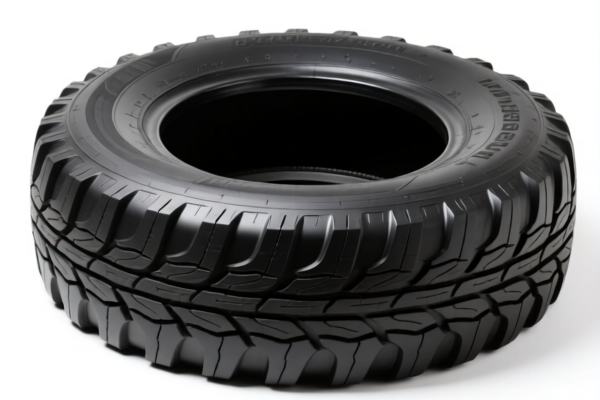
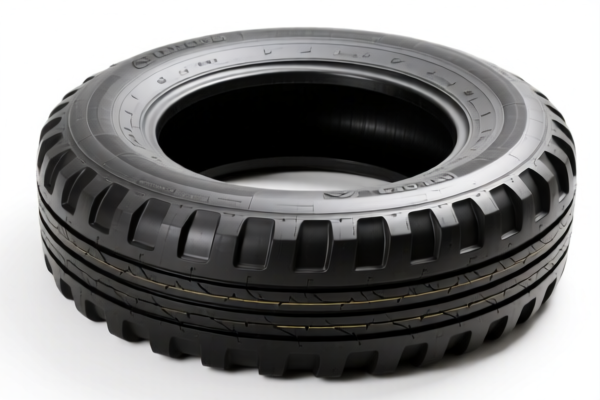
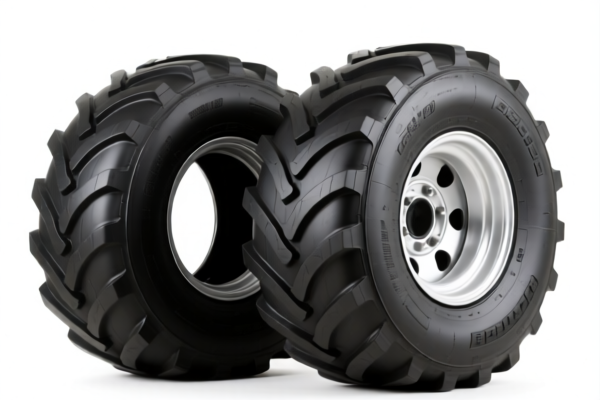
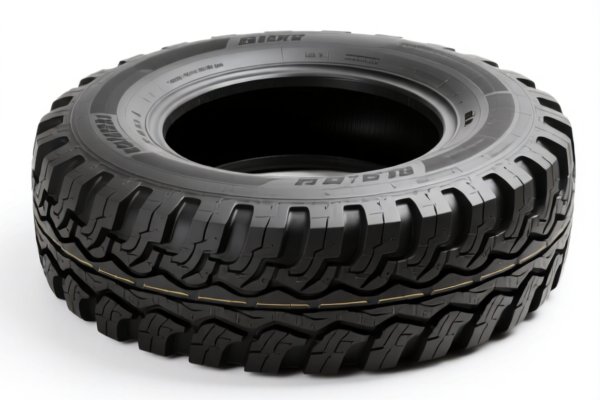
AI Analysis
🚜 Oversized Inflatable Rubber Tires for Mining Machinery
🌐 HS Code Reference & Customs Clearance Guide | 2026 Latest Tariff Analysis | Professional Clearance Strategy
📌 I. Product Definition & Classification: Do You Truly Understand "Mining Tires"?
Oversized Inflatable Rubber Tires for Mining Machinery are the heavy-duty feet of the global mining, construction, and industrial transport industries. In international trade, they are not just "rubber goods" but complex engineered components subject to strict classification based on tire type (pneumatic vs. solid), rim diameter, and specific vehicle application.
Key Distinction Points: * Pneumatic Tires (Air-filled): Generally fall under Heading 4011 or 4012. Classification depends heavily on the rim diameter (whether it exceeds 61 cm) and the specific vehicle type (earth-moving vs. general engineering). * Solid/Other Rubber Tires: Fall under Heading 4012. These are less common for high-performance mining but may apply to specific static or low-speed machinery. * Inner Tubes: If supplied separately, they fall under 4013.
⚠️ Critical Classification Note:
- Rim Diameter > 61 cm: Usually triggers higher duty rates and specific sub-headings (e.g.,4011.80...).
- Rim Diameter ≤ 61 cm or Other Engineering Vehicles: May fall under4012or other4011codes with different tax structures.
- Misclassification Risk: Declaring a large mining tire as a "standard truck tire" (smaller rim) can lead to severe penalties due to significant tariff differences.
📦 II. HS Code Classification Details (2026 Latest Tariff Authoritative Comparison)
| HS Code | Product Description | Application Scenario | Rim Size / Key Feature |
|---|---|---|---|
4012.19.80.00 |
Pneumatic tires, of rubber, for engineering vehicles | General engineering machinery, smaller rim sizes | Pneumatic, Engineering |
4012.20.80.00 |
Pneumatic tires, of rubber, for engineering vehicles | Engineering vehicles, specific pneumatic definition | Pneumatic, Engineering |
4011.80.80.20 |
Pneumatic tires, of rubber, for earth-moving, mining, or industrial handling vehicles | Large mining trucks, heavy earth-movers | Rim > 61 cm |
4011.80.80.10 |
Pneumatic tires, of rubber, for earth-moving, mining, or industrial handling vehicles | Large mining trucks, heavy earth-movers | Rim > 61 cm (Rubber) |
4013.10.00.20 |
Pneumatic inner tubes for large/medium vehicles | Supplied separately from the tire | For large/medium vehicles |
🔍 Focus Alert:
-4011.80codes are the most critical for Oversized Mining Tires because mining tires typically have rims larger than 61 cm.
-4012codes are often used for tires that do not fit the precise definition of4011or for solid tires, but for inflatable mining tires,4011is the primary heading.
- Inner Tubes (4013) must be declared separately if shipped independently; they are not included in the tire tariff.
💰 III. 2026 Latest Tariff Rate Breakdown (Including Additional Duties, Policy Add-ons)
✅ Applicable Country: United States (US)
✅ Country of Origin: China (CN)
✅ Effective Date: From November 10, 2025 (and subsequent imports)
🎯 1. 4012.19.80.00 – Pneumatic Tires, Rubber, for Engineering Vehicles
| Item | Detail |
|---|---|
| Base Tariff | 3.4% (Ad Valorem) |
| Additional Tariff (Section 301) | +7.5% |
| Section 122 Tariff | +10% |
| Total Effective Rate | 20.9% |
| Tax Calculation | CIF Value × 20.9% |
| De Minimis Exemption? | ❌ No (Denied for this category) |
| Legal Basis Path | Base: 4012.19.80.00 → Add-on: 301 (7.5%) → Section 122 (10%) |
📌 Explanation:
- This code applies to certain engineering tires that do not meet the "mining/earth-moving" criteria of4011or have rim sizes/features classified under4012.
- Total Duty: 20.9% is relatively moderate compared to other mining tire codes, but still significant.
🎯 2. 4012.20.80.00 – Pneumatic Tires, Rubber, for Engineering Vehicles
| Item | Detail |
|---|---|
| Base Tariff | 0.0% |
| Additional Tariff (Section 301) | +25.0% |
| Section 122 Tariff | +10% |
| Total Effective Rate | 35.0% |
| Tax Calculation | CIF Value × 35.0% |
| De Minimis Exemption? | ❌ No |
| Legal Basis Path | Base: 4012.20.80.00 → Add-on: 301 (25%) → Section 122 (10%) |
📌 Warning:
- Despite a 0% base tariff, the 25% Section 301 duty makes this a high-cost classification.
- This code is often a trap if the product is misclassified as a generic "pneumatic tire" rather than a specialized mining tire.
🎯 3. 4011.80.80.20 – Pneumatic Tires, for Earth-Moving/Mining, Rim > 61 cm
| Item | Detail |
|---|---|
| Base Tariff | 3.4% |
| Additional Tariff (Section 301) | +25.0% |
| Section 122 Tariff | +10% |
| Total Effective Rate | 38.4% |
| Tax Calculation | CIF Value × 38.4% |
| De Minimis Exemption? | ❌ No |
| Legal Basis Path | Base: 4011.80.80.20 → Add-on: 301 (25%) → Section 122 (10%) |
📌 Critical for Mining:
- This is the standard code for large mining tires (Rim > 61 cm).
- Total Duty: 38.4%. This is the most common and accurate classification for true "Oversized Mining Tires."
- The high tariff reflects the trade tensions on heavy industrial goods.
🎯 4. 4011.80.80.10 – Pneumatic Tires, for Earth-Moving/Mining, Rubber
| Item | Detail |
|---|---|
| Base Tariff | 3.4% |
| Additional Tariff (Section 301) | +25.0% |
| Section 122 Tariff | +10% |
| Total Effective Rate | 38.4% |
| Tax Calculation | CIF Value × 38.4% |
| De Minimis Exemption? | ❌ No |
| Legal Basis Path | Base: 4011.80.80.10 → Add-on: 301 (25%) → Section 122 (10%) |
📌 Note:
- Similar to4011.80.80.20in tariff burden.
- The distinction between.10and.20often lies in specific technical specifications or origin nuances within the USITC database. Ensure the description matches the exact sub-heading to avoid delays.
🎯 5. 4013.10.00.20 – Pneumatic Inner Tubes for Large/Medium Vehicles
| Item | Detail |
|---|---|
| Base Tariff | 3.7% |
| Additional Tariff (Section 301) | +25.0% |
| Section 122 Tariff | +10% |
| Total Effective Rate | 38.7% |
| Tax Calculation | CIF Value × 38.7% |
| De Minimis Exemption? | ❌ No |
| Legal Basis Path | Base: 4013.10.00.20 → Add-on: 301 (25%) → Section 122 (10%) |
📌 Important:
- Only applies if inner tubes are shipped separately.
- If packed with the tire, they are generally considered part of the tire and not separately classified.
- Total Duty: 38.7% is the highest among the listed codes.
🛠️ IV. Customs Clearance Practical Advice (Battle-Tested Pitfall Guide)
✅ 1. Required Documentation Checklist (Non-Negotiable)
| Document | Mandatory | Notes |
|---|---|---|
| ✅ Product Specification Sheet | ✔️ | Must include Rim Diameter, Load Index, Speed Rating, and Construction Type (Radial/Ply). |
| ✅ Photographs | ✔️ | Clear images of the tire sidewall showing size, tread pattern, and manufacturing date code. |
| ✅ Commercial Invoice | ✔️ | Must specify "Inflatable Rubber Tire for Mining/Ethiopian Machinery" or similar precise description. Avoid generic "Tires." |
| ✅ Packing List | ✔️ | Detail quantity, gross weight, net weight, and dimensions. |
| ✅ Certificate of Origin (CO) | ✔️ | Essential for verifying Country of Origin (China vs. others). |
| ✅ Technical Data Sheet | ✔️ | To prove rim size > 61 cm (if claiming 4011) or ≤ 61 cm (if claiming 4012). |
✅ 2. Declaration Tips (Key Mnemonics)
🔥 “Size Matters: Over 61cm is 4011, Under is 4012. Name it Right, Save the Price!”
| Scenario | Correct Declaration | Wrong Practice |
|---|---|---|
| Mining Tire, Rim > 61 cm | 4011.80.80.20 or 4011.80.80.10 |
Declaring as 4011.11 (Car tires) → Smuggling suspicion |
| Engineering Tire, Rim ≤ 61 cm | 4012.19.80.00 or 4012.20.80.00 |
Declaring as 4011 → Tax overpayment or audit |
| Tire + Inner Tube (Packed Together) | Declare as Tire only (4011/4012) |
Declaring as Tire + Tube → Double taxation risk |
| Solid Rubber Tire | 4012.19 or 4012.20 |
Declaring as "Pneumatic" → Misdeclaration |
✅ 3. Special Situation Handling
| Situation | Recommendation |
|---|---|
| OEM for Caterpillar/CAT, Komatsu, CAT | Provide authorization letter or OEM agreement to prove legitimate commercial import, not re-export. |
| Used/Remolded Tires | Strictly Prohibited or subject to extreme restrictions. Ensure tires are new. |
| Radial vs. Bias Ply | Specify clearly. 4011 typically covers both, but technical details must match. |
| High-Value Consignments | Consider applying for an Advance Ruling to lock in the HS Code and duty rate before shipment. |
🌍 V. Global Market Clearance Comparison (2026 Latest)
| Country/Region | Recommended HS Code | Estimated Duty (CN Origin) | Certification Requirements | Notes |
|---|---|---|---|---|
| 🇺🇸 USA | 4011.80.80.20 |
38.4% | None specific for tires, but EPA/DOE may apply | High tariffs due to 301 & 122. |
| 🇨🇳 China | 4011.80 |
~10-12% | CCC (if applicable) | Lower barrier for domestic production. |
| 🇪🇺 EU | 4011.20/4011.90 |
0-4.5% | ECE R54 (Truck/Craft tires) | Strict safety labeling required. |
| 🇮🇳 India | 4011.20 |
~10-15% | BIS Certification | High anti-dumping duties on Chinese tires. |
| 🇧🇷 Brazil | 4011.20 |
~14-35% | INMETRO Certification | Complex bureaucratic clearance. |
📌 Conclusion:
- USA is the most tariff-challenging market for Chinese mining tires.
- EU and India have strict technical standards (ECE, BIS) that can cause delays even if duties are lower.
- Supply Chain Strategy: For US-bound goods, consider transshipment or origin shifting (if legally compliant) to mitigate 38.4%+ duties.
📌 VI. Common Errors & Pitfalls (Blood-Learnings)
❌ Error 1: Declaring a 60-inch rim mining tire as a car tire to avoid Section 301.
👉 Consequence: Customs inspection reveals rim size. Penalty + Back Taxes + Seizure Risk.
❌ Error 2: Packing inner tubes in the same box as tires and declaring only the tire.
👉 Consequence: Discrepancy in weight/quantity. Customs audit + Delay.
❌ Error 3: Using vague descriptions like "Rubber Tire for Truck."
👉 Consequence: Customs officer uses best judgment, potentially assigning the highest possible duty rate or requesting additional documentation.
❌ Error 4: Ignoring Section 122 Tariffs.
👉 Consequence: Underpaying duties by 10%. Interest + Penalties upon discovery.
✅ Correct Practice:
"Radial Pneumatic OTR Tire, Size 18.00R33, Load Index 500, for Mining Haul Trucks, Made in China, New"
🎯 VII. Conclusion: Precision in Classification, Profit in Clearance
🎯 Remember the Mantra:
🔹 "Mining Tires are Big, Rim Size is Key, 4011 is King, 4012 is Foe (for large ones)."
🔹 "301 and 122 Add 35%, Plan Ahead, Don't Get Fed."
🔹 "Inner Tubes Separate, Or Group Them Right, Avoid the Light."
📌 Pro Tip:
If your tires are originating from Vietnam, Thailand, or Mexico, you may qualify for IEEPA Exemptions or FTAA/USMCA benefits, reducing tariffs to 0-5%.
Recommend Advance Ruling application 3-6 months before shipment to secure your duty rate.
📣 Immediate Action:
📞 Consult with a licensed customs broker + Provide exact tire specifications + Apply for HS Code Advance Ruling
🚀 Let your mining tires cross borders smoothly, maximize margins, and dominate the market!
✨ Professional Clearance, Starting with Precise Classification!
💼 Every percentage point of duty is a line item in your profit and loss statement!
Customer Reviews
About HS Code Classification
The Harmonized System (HS) is an internationally standardized nomenclature developed by the World Customs Organization (WCO) to classify traded products. Over 200 countries use the HS system as the basis for customs tariffs, trade statistics, and import/export regulations.
Each HS code follows a hierarchical structure:
- Chapter (2 digits) — Broad category of goods (e.g., Chapter 84: Machinery and Mechanical Appliances)
- Heading (4 digits) — More specific grouping within the chapter
- Subheading (6 digits) — Internationally standardized breakdown, used by all WCO member countries
- National subdivisions (8-10 digits) — Country-specific extensions for further classification, such as US HTSUS 10-digit codes
Correct HS code classification is essential for smooth customs clearance, accurate duty payment, and compliance with trade regulations. Misclassification can lead to customs delays, overpayment of duties, or penalties.
When importing from CN to US, the applicable tariff rates may include:
- Most-Favored-Nation (MFN) rate — The standard duty rate applied to WTO members
- General rate — Applied to countries without trade agreements
- Trade remedy duties — Additional tariffs such as Section 301 (anti-dumping), Section 232 (national security), or countervailing duties
The information provided on this page is for reference purposes only. For official classification, please consult with your local customs authority or a licensed customs broker.