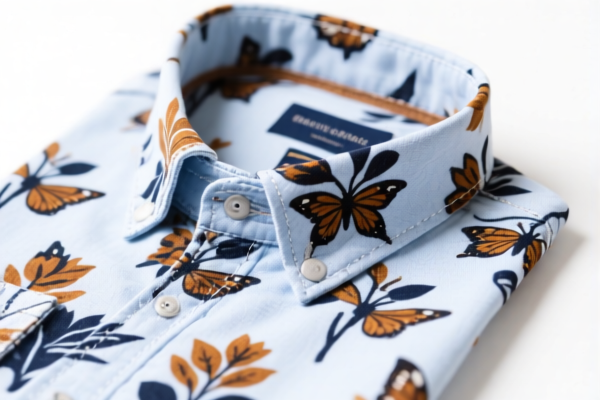
Oxford Cotton Formal Shirt
CN → US| HS Code | Tariff Rate | Origin | Destination | Doc |
|---|---|---|---|---|
| 6105100020 | 37.2% | CN | US | Official Doc |
| 6105100010 | 29.7% | CN | US | Official Doc |
| 6205202026 | 37.2% | CN | US | Official Doc |
| 6205202067 | 37.2% | CN | US | Official Doc |
| 5208194020 | 42.0% | CN | US | Official Doc |
Product Images
AI Analysis
👔 Oxford Cotton Formal Shirt: HS Code Classification & 2026 U.S. Tariff Master Guide
🌐 HS Code Reference & Clearance Strategy | 2026 Tariff Breakdown | Ultimate Customs Strategy
📌 I. Product Definition: What is an "Oxford Cotton Formal Shirt"?
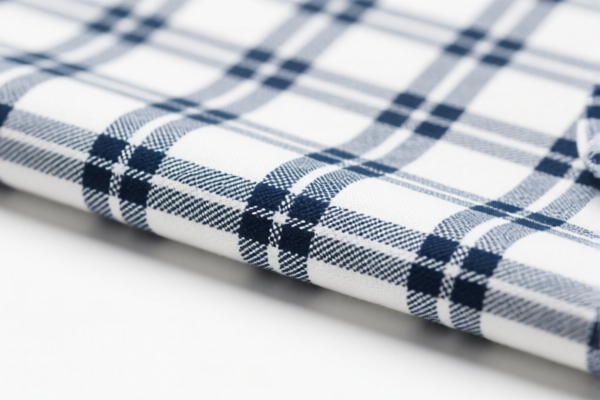
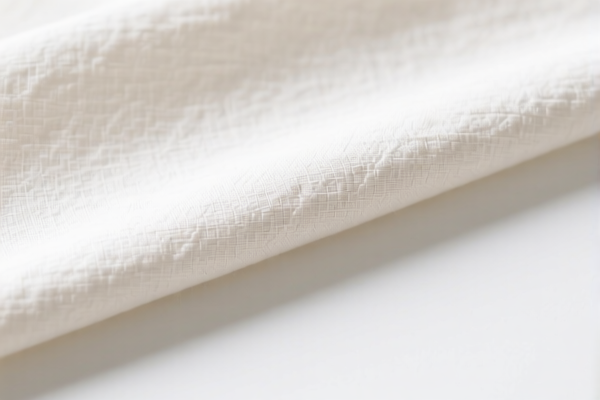
The Oxford Cotton Formal Shirt is a classic men's garment characterized by its durable, slightly textured weave (Oxford cloth), typically made of 100% cotton. In international trade, the classification hinges on two critical factors: 1. Material Composition: Is it Knitted (e.g., jersey knit) or Woven (e.g., standard Oxford fabric)? 2. Usage/Category: Is it strictly a "Shirt" or does it fall under a specific "Other" textile category?
⚠️ Critical Classification Distinction:
- Knitted Fabric (Jersey/Single Jersey): Classified under Chapter 61.
- Woven Fabric (Oxford/Traditional Weave): Classified under Chapter 62.
Note: Most "Oxford" shirts are woven, but some modern casual versions may be knitted. The HS Code determines the tax rate difference.
📦 II. Detailed HS Code Classification (2026 U.S. Tariff Schedule)
Based on your input data, here are the exact classifications for Oxford Cotton Men's Shirts:
| HS Code | Product Description | Material Type | Category Status |
|---|---|---|---|
6105.10.00.20 |
Men's Oxford Cotton Shirt, Cotton, Knitted, Shirt Form | Knitted (61) | Specific "Shirt" Category |
6105.10.00.10 |
Men's Oxford Cotton Shirt, Cotton, Knitted, Shirt Form | Knitted (61) | General "Shirt" Category |
6205.20.20.26 |
Men's Oxford Cotton Shirt, Cotton, Woven, Shirt Form | Woven (62) | Specific "Shirt" Category |
6205.20.20.67 |
Men's Oxford Cotton Shirt, Cotton, Woven, Other Categories | Woven (62) | Non-Standard Shirt (e.g., Vest, Unlined) |
5208.19.40.20 |
Men's Oxford Cotton Shirt, Oxford Fabric, Cotton Woven Fabric | Woven Fabric | Fabric/Sheet Classification (High Risk!) |
🔍 Key Interpretation: - Chapter 61 (
6105...): Applies if the shirt is made from Knitted Oxford cloth (less common for formal wear, common for casual polos). - Chapter 62 (6205...): The standard classification for Woven men's shirts (the most common for "Formal" Oxford shirts). - Chapter 52 (5208...): ⚠️ WARNING: This code usually refers to fabrics or specific woven fabric products not classified as "shirts." If your product is a finished shirt, do not use this code unless it is a specific type of fabric-based accessory. If misclassified as fabric when it is a shirt, you risk massive penalties and incorrect tax application.
💰 III. 2026 U.S. Tariff Rate Deep Dive (China Origin)
✅ Applicable Market: United States (US)
✅ Origin: China (CN)
✅ Effective Date: November 10, 2025 (and beyond)
🎯 Scenario A: 6105.10.00.20 (Knitted Cotton Shirt)
| Item | Value |
|---|---|
| Base Duty (MFN) | 19.7% |
| Section 301 (Additional) | +7.5% |
| 122 Provisions | +10.0% |
| Total Effective Tax | 37.2% |
| Legal Basis | USITC:6105.10.00.20 + Trade Act 301 + Section 122 |
| Calculation | CIF Value × 37.2% |
🎯 Scenario B: 6105.10.00.10 (Knitted Cotton Shirt - General)
| Item | Value |
|---|---|
| Base Duty (MFN) | 19.7% |
| Section 301 (Additional) | 0.0% |
| 122 Provisions | +10.0% |
| Total Effective Tax | 29.7% |
| Legal Basis | USITC:6105.10.00.10 + Section 122 |
| Note | Lower rate possible if specific Section 301 exclusions apply, but base 301 is often 0 for this sub-heading. |
🎯 Scenario C: 6205.20.20.26 & 6205.20.20.67 (Woven Cotton Shirt)
| Item | Value |
|---|---|
| Base Duty (MFN) | 19.7% |
| Section 301 (Additional) | +7.5% |
| 122 Provisions | +10.0% |
| Total Effective Tax | 37.2% |
| Legal Basis | USITC:6205.20.20.26/67 + Trade Act 301 + Section 122 |
| Calculation | CIF Value × 37.2% |
🎯 Scenario D: 5208.19.40.20 (Woven Fabric/Product - High Risk)
| Item | Value |
|---|---|
| Base Duty (MFN) | 7.0% |
| Section 301 (Additional) | +25.0% |
| 122 Provisions | +10.0% |
| Total Effective Tax | 42.0% |
| Legal Basis | USITC:5208.19.40.20 + Trade Act 301 + Section 122 |
| ⚠️ Warning | This classification implies the item is treated as "Other Cotton Woven Goods" rather than a "Shirt." This often carries higher Section 301 tariffs (25%) compared to standard shirts (7.5%). Ensure the product is actually a "fabric product" and not a standard shirt, or you may be overpaying or under-declaring. |
📌 Tax Clause Explanation: - Base Duty (19.7% or 7.0%): The standard Most-Favored-Nation (MFN) rate under the Harmonized Tariff Schedule of the United States (HTSUS). - Section 301 Additional (7.5% or 25.0%): Trade Act tariffs imposed on Chinese goods. For most shirts (
6105/6205), it is 7.5%. For fabric-specific codes (5208), it jumps to 25%. - Section 122 Provisions (10.0%): Additional tariffs enacted under recent executive orders targeting specific Chinese textile imports. - Total Tax: The sum of all three. Do not rely on the Base Duty alone!
🛠️ IV. Customs Clearance Practical Advice (Battle-Tested)
✅ 1. Preparation Checklist (Critical)
| Document | Status | Why It Matters |
|---|---|---|
| Detailed Composition Label | ✅ Mandatory | Must explicitly state "100% Cotton" and "Oxford Weave." |
| Knitting vs. Weaving Diagram | ✅ Mandatory | Proves Chapter 61 vs. 62. Customs needs to see the weave structure. |
| Commercial Invoice | ✅ Mandatory | Must list "Men's Cotton Oxford Shirt" + HS Code. |
| Packing List | ✅ Mandatory | Weight and quantity must match the invoice exactly. |
| Fiber Content Test Report | ⚠️ Recommended | If challenged by CBP, this proves the "Oxford" material is indeed cotton. |
| Country of Origin CO | ✅ Mandatory | Must state "Made in China" to apply the correct Section 301/122 rates. |
✅ 2. Declaration Strategy (The "Golden Rules")
🔥 Rule #1: "Weave Matters!"
If you declare a Knitted shirt (6105) as Woven (6205), you risk a penalty. If you declare a Woven shirt as Knitted, you might underpay if the Section 301 rates differ (though here they are similar, the Base Duty for Chapter 62 is often different).
Action: Always check the physical fabric under a microscope if unsure.🔥 Rule #2: Avoid
5208for Finished Shirts
Code5208.19.40.20(Total 42%) has a 25% Section 301 rate.
Code6205.20.20.26(Total 37.2%) has a 7.5% Section 301 rate.
Strategy: If your item is a finished shirt, DO NOT use5208. Use6205to save 4.8% in taxes (37.2% vs 42.0%) and avoid reclassification risks.🔥 Rule #3: Subheading Specificity
-.20vs.10: Check if the shirt has specific "formal" features. If it's a standard button-down,.10might save 7.5% (if applicable), but.20is the safer, more specific "Shirt" code.
✅ 3. Special Scenarios & Pitfalls
| Scenario | Risk | Solution |
|---|---|---|
| "Oxford" but actually Poly-Cotton Blend | Misclassification | Fix Labeling: If blend is <100% cotton, tax rules change completely (Chapter 54/55). |
| Shirts with Pockets, Collar, and cuffs | Correctly 6205 |
Do not try to split parts; declare as a whole shirt. |
"Other Categories" (.67) |
Ambiguity | Avoid .67 unless the shirt is truly "other" (e.g., sleeveless, vest-like). Standard shirts go to .26. |
| Section 122 Exclusion | Non-existent | Currently, no exclusions exist for Section 122 on these items. |
🌍 V. Quick Market Comparison (2026)
| Market | Recommended HS Code | Base Rate | Add. Tariff | Total Tax | Notes |
|---|---|---|---|---|---|
| 🇺🇸 USA | 6205.20.20.26 |
19.7% | +17.5% | 37.2% | High tariffs due to 301 + 122 |
| 🇨🇳 China | 6205.20.20.26 |
0%* | 0% | 0% | Export to domestic market |
| 🇪🇺 EU | 6205.20.20.26 |
~4-5% | 0% | ~5% | No Section 301/122 |
| 🇬🇧 UK | 6205.20.20.26 |
~12% | 0% | ~12% | Post-Brexit tariffs apply |
> Note: China rates are for reference; actual import into China depends on trade agreements.
📌 VI. Common Mistakes & Avoidance Guide (Lessons Learned)
❌ Mistake 1: Using 5208 for Finished Shirts
👉 Result: Paying 42% tax instead of 37.2%. Plus, CBP may reject the code as "Fabric" not "Apparel."
✅ Fix: Always classify finished garments under Chapter 61 or 62.
❌ Mistake 2: Confusing Knitted (6105) vs. Woven (6205)
👉 Result: If declared as Knitted but is Woven, you face penalties for false declaration.
✅ Fix: Inspect the fabric. Oxford cloth is typically woven. Only use 6105 if it's a true knitted Oxford (rare).
❌ Mistake 3: Ignoring Section 122 (10%)
👉 Result: Under-budgeting by 10%. Many shippers forget this is a mandatory surcharge.
✅ Fix: Always include +10% in your landed cost calculation.
❌ Mistake 4: Vague Product Description
👉 Result: "Cotton Shirt" is too vague.
✅ Fix: Use: "Men's 100% Cotton Oxford Woven Shirt, Button-Down, Long Sleeve."
🎯 VII. Final Conclusion: Professional Clearance Starts Here!
🎯 The Golden Rule for Oxford Shirts:
🔹 "Woven = 6205 (37.2% Tax)"
🔹 "Knitted = 6105 (37.2% or 29.7% Tax)"
🔹 "Fabric Code = 5208 (42.0% Tax - Avoid if possible!)"
📌 Pro Tip:
If your Oxford shirt is 100% Cotton and Woven, the 6205.20.20.26 code is your safest bet for a standard formal shirt. It keeps the Section 301 rate at the lower 7.5% tier compared to the 25% tier found in the 5208 classification.
📣 Take Action Now:
🚀 Audit Your Inventory: Verify the weave type (Knit vs. Woven) immediately.
📞 Consult Customs Broker: Confirm the5208exclusion status (if any).
💼 Update Landed Cost: Add 37.2% to your US landed cost model for Chinese-origin shirts.
✨ Precision in Classification = Profit in Your Pocket!
💼 Don't let a wrong HS Code cost you thousands.
Customer Reviews
About HS Code Classification
The Harmonized System (HS) is an internationally standardized nomenclature developed by the World Customs Organization (WCO) to classify traded products. Over 200 countries use the HS system as the basis for customs tariffs, trade statistics, and import/export regulations.
Each HS code follows a hierarchical structure:
- Chapter (2 digits) — Broad category of goods (e.g., Chapter 84: Machinery and Mechanical Appliances)
- Heading (4 digits) — More specific grouping within the chapter
- Subheading (6 digits) — Internationally standardized breakdown, used by all WCO member countries
- National subdivisions (8-10 digits) — Country-specific extensions for further classification, such as US HTSUS 10-digit codes
Correct HS code classification is essential for smooth customs clearance, accurate duty payment, and compliance with trade regulations. Misclassification can lead to customs delays, overpayment of duties, or penalties.
When importing from CN to US, the applicable tariff rates may include:
- Most-Favored-Nation (MFN) rate — The standard duty rate applied to WTO members
- General rate — Applied to countries without trade agreements
- Trade remedy duties — Additional tariffs such as Section 301 (anti-dumping), Section 232 (national security), or countervailing duties
The information provided on this page is for reference purposes only. For official classification, please consult with your local customs authority or a licensed customs broker.