PET Adhesive Tape
CN → US| HS Code | Tariff Rate | Origin | Destination | Doc |
|---|---|---|---|---|
| 3005905010 | 10.0% | CN | US | Official Doc |
| 3005101000 | 10.0% | CN | US | Official Doc |
| 3926909950 | 22.8% | CN | US | Official Doc |
| 6217109550 | 32.1% | CN | US | Official Doc |
| 6217909095 | 32.1% | CN | US | Official Doc |
Product Images
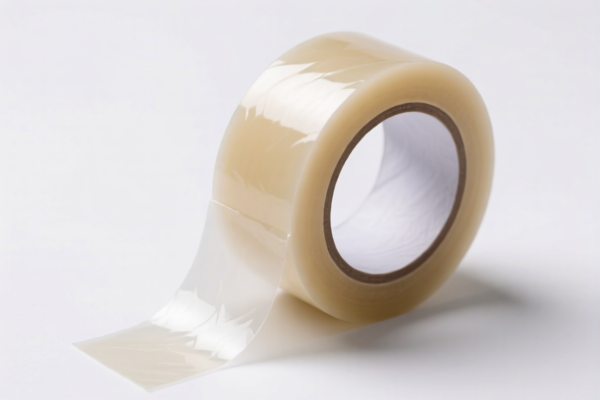
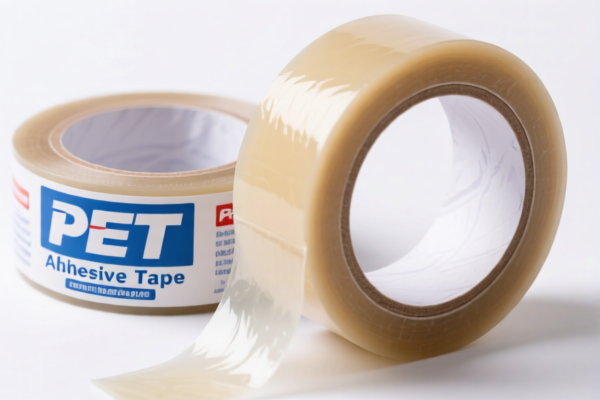
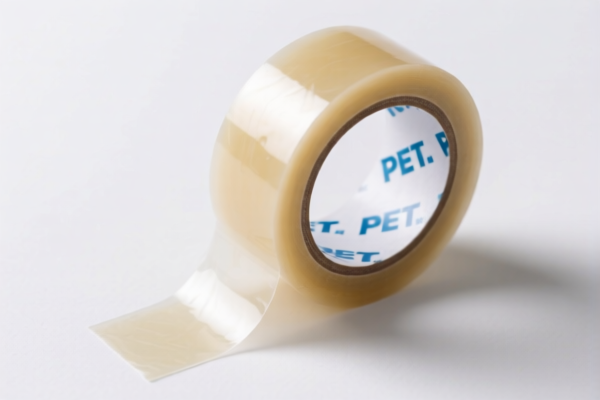
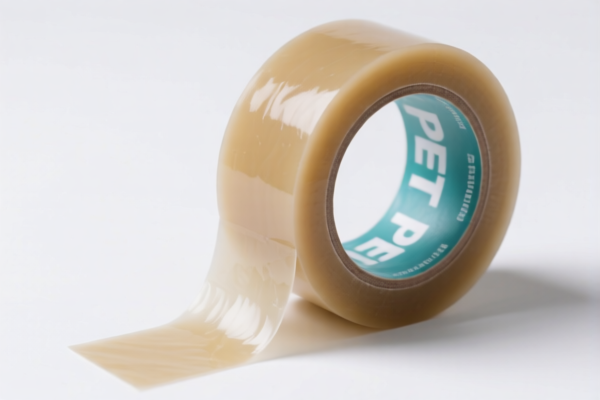
AI Analysis
🩹 PET Adhesive Tape (Veterinary/Pet Medical Use)
🌐 HS Code Reference & Customs Clearance Guide | 2026 Latest Tariff Analysis | Professional Strategy for US Imports
📌 Part 1: Product Definition & Classification: What Exactly Is "PET Adhesive Tape"?
This product is a specialized medical dressing tape, typically made with a Polyethylene Terephthalate (PET) backing or coating, used for veterinary care (pet bandaging). In international trade, the classification hinges on two critical factors:
1. Material Composition: Is it a textile/cotton-based dressing (Chapter 30 or 62) or a plastic/synthetic article (Chapter 39 or 63)?
2. End-Use: Is it specifically for medical/veterinary purposes (Chapter 30) or general utility?
⚠️ Key Classification Divergence:
- If classified as a Medical Dressing (Ch. 30): Lower base tariff, but subject to Section 301/IEEPA add-on taxes.
- If classified as a Plastic Article (Ch. 39): Higher base tariff + significant 122 Clause add-ons.
- If classified as a Textile Accessory (Ch. 62): Highest base tariff + 122 Clause add-ons.
📦 Part 2: HS Code Classification Details (2026 Latest Tariff Rules)
Based on the provided data, here are the five most likely HS Code classifications for "PET Adhesive Tape" intended for pet use, along with their logical inference bases.
| HS Code | Product Description & Inference Basis | Tax Rate (Total) | Key Tariff Components |
|---|---|---|---|
| 3005.90.50.10 | Medical/Veterinary Bandages: Matches "bandages" in name; "pet use" infers "veterinary purpose"; material fits medical dressing standards. | 10.0% | Base: 0%, 122 Clause: 10% |
| 3005.10.10.00 | Pharmaceutical-Coated Bandages: Inferred as adhesive/covering dressing for pet medical use; fits range of pharmaceutical-coated items. | 10.0% | Base: 0%, 122 Clause: 10% |
| 3926.90.99.50 | Plastic Medical/Nursing Articles: Inferred material as plastic/synthetic fiber; shape fits nursing accessories/masks; no material conflict. | 22.8% | Base: 5.3%, Add-on: 7.5%, 122 Clause: 10% |
| 6217.10.95.50 | Textile Garment Accessories: Inferred material as fabric/fiber; shape fits semi-finished/finished textile accessories; fits "other made-up garment accessories". | 32.1% | Base: 14.6%, Add-on: 7.5%, 122 Clause: 10% |
| 6217.90.90.95 | Other Textile Accessories: Fits garment/textile accessory use (bandages); material inferred as cotton/synthetic/non-woven; fits "other made-up garment accessories". | 32.1% | Base: 14.6%, Add-on: 7.5%, 122 Clause: 10% |
🔍 Critical Insight:
- HS 3005.10/3005.90 offers the lowest total tax (10%) but requires strict proof that the product is primarily a medical/veterinary dressing.
- HS 3926/6217 are higher tax brackets (22.8%–32.1%) and apply if customs deem the PET material as a general plastic or textile accessory rather than a specialized medical dressing.
💰 Part 3: Detailed Tariff Breakdown (China Origin → USA)
✅ Applicable Country: United States (US)
✅ Origin: China (CN)
✅ Effective Date: 2025/2026 Tariff Regime
🎯 1. 3005.90.50.10 & 3005.10.10.00 — The "Medical Dressing" Route
| Item | Detail |
|---|---|
| Base Tariff | 0.0% (General Rate for certain medical dressings) |
| Section 301 / IEEPA Add-on | 10.0% (122 Clause Tariff) |
| Total Effective Rate | 10.0% |
| Calculation | CIF Value × 10% |
| De Minimis Exemption? | ❌ NO (Denied under current enforcement for medical supplies from China) |
| Legal Basis | IEEPA:122 → USITC:3005.90.50.10 |
📌 Explanation:
- The 10% 122 Clause Tariff is a specific additional duty levied on certain medical and veterinary goods imported from China.
- Unlike ITA301 tariffs (25%), this is a 10% flat add-on on top of a 0% base rate.
- Risk: If customs reject the "medical" classification, you may face reassessment to higher tax brackets (22.8% or 32.1%).
🎯 2. 3926.90.99.50 — The "Plastic Article" Route
| Item | Detail |
|---|---|
| Base Tariff | 5.3% |
| Add-on Tariff | 7.5% |
| 122 Clause Tariff | 10.0% |
| Total Effective Rate | 22.8% |
| Calculation | CIF Value × 22.8% |
| De Minimis Exemption? | ❌ NO |
| Legal Basis | IEEPA:122 + USITC:3926.90.99.50 |
📌 Explanation:
- If the PET backing is deemed a plastic article rather than a medical dressing, the base duty is 5.3%.
- Plus 7.5% add-on (likely Section 301 or other trade remedy).
- Plus 10% 122 Clause.
- Total 22.8% is more than double the medical classification cost.
🎯 3. 6217.10.95.50 & 6217.90.90.95 — The "Textile Accessory" Route
| Item | Detail |
|---|---|
| Base Tariff | 14.6% |
| Add-on Tariff | 7.5% |
| 122 Clause Tariff | 10.0% |
| Total Effective Rate | 32.1% |
| Calculation | CIF Value × 32.1% |
| De Minimis Exemption? | ❌ NO |
| Legal Basis | IEEPA:122 + USITC:6217.90.90.95 |
📌 Explanation:
- If classified as a textile/garment accessory, the base duty is high (14.6%).
- Plus 7.5% add-on and 10% 122 Clause.
- Total 32.1% is the highest cost option, making this classification highly undesirable for cost control.
🛠️ Part 4: Customs Clearance Practical Advice (Avoiding Pitfalls)
✅ 1. Documentation Checklist (Non-Negotiable)
| Document | Requirement | Purpose |
|---|---|---|
| ✅ Product Specifications | ✔️ Must state: "Veterinary Bandage," "PET Backing," "Adhesive Side" | Proves intended use and material |
| ✅ Material Composition Sheet | ✔️ Confirm % of PET vs. adhesive/coating | Critical for Ch. 30 vs. Ch. 39/62 distinction |
| ✅ Product Photos | ✔️ Show packaging labeled "For Pets/Veterinary Use" | Supports "Veterinary Purpose" inference |
| ✅ Third-Party Test Report | ✔️ FDA/CE compliance for medical/veterinary use | Strengthens Ch. 30 classification |
| ✅ Commercial Invoice | ✔️ Explicitly state: "Veterinary Medical Dressing Tape" | Avoids generic "Adhesive Tape" misclassification |
| ✅ Packing List | ✔️ Clear itemization | Prevents customs suspicion of hidden goods |
✅ 2. Declaration Strategy (Key Mantra)
🔥 "Declare as Medical, Not Utility; Specify 'Veterinary', Not 'General'!"
| Scenario | Correct Declaration | Wrong Declaration | Consequence |
|---|---|---|---|
| Product is Vet Bandage | 3005.90.50.10 — "Veterinary Adhesive Bandage" |
"PET Adhesive Tape for Home Use" | Reclassified to Ch. 39/62 → Tax jumps to 22.8%–32.1% |
| Material is PET | Emphasize "Medical Dressing" function | Emphasize "Plastic Tape" | Risk of Ch. 39 classification → Higher Base Duty |
| Use is Pet Care | "For Veterinary/Medical Purpose" | "For Crafts/DIY" | Loss of Ch. 30 eligibility → No Medical Exemption |
✅ 3. Special Cases & Risk Management
| Situation | Recommendation |
|---|---|
| OEM/Private Label | Provide client’s veterinary certification or marketing materials showing pet-medical use. |
| Multi-Purpose Tape | If packaging says "For Pets AND Crafts," customs may classify under general Ch. 39/62. Best to specialize packaging. |
| PET Coating on Cotton | If base is cotton but coated with PET, argue for Ch. 30 if primary function is medical absorption/adhesion. |
| High-Value Shipments | Apply for Advance Ruling (PAR) from CBP to lock in 3005.xx classification and avoid retrospective tax changes. |
🌍 Part 5: Global Market Comparison (2026)
| Country/Region | Recommended HS Code | Tariff Rate | Certification | Note |
|---|---|---|---|---|
| 🇺🇸 USA | 3005.90.50.10 |
10.0% | FDA/CE (if applicable) | Best Option if medical intent is proven. |
| 🇨🇳 China | 3005.90.50.10 |
5.0–10% | NMPA | Lower duties, no 122 Clause. |
| 🇪🇺 EU | 3005.10.00 |
0–2.5% | CE/MDR | No additional trade tariffs. |
| 🇦🇺 Australia | 3005.90.90.10 |
5.0% | TGA | Moderate duty, no 122 Clause. |
| 🇯🇵 Japan | 3005.10.00.00 |
0–5% | PMDA | Low duty, strict medical standards. |
📌 Conclusion:
- USA is the most complex market due to the 122 Clause (10%) and high scrutiny on Ch. 30 vs. Ch. 39/62 classification.
- EU/Asia are simpler with lower base duties and no punitive add-ons.
- USA Importers must prioritize medical classification to save 12–22% in costs compared to plastic/textile classification.
📌 Part 6: Common Errors & Pitfalls (Blood & Tears Lessons)
❌ Mistake 1: Declaring as "Adhesive Tape" without specifying "Veterinary/Medical"
👉 Result: Customs defaults to Ch. 39 or 62 → Tax increases from 10% to 32.1%.
❌ Mistake 2: Using "PET Tape" as the primary description
👉 Result: Emphasizes material over function → Risk of Ch. 39 (22.8%) classification.
❌ Mistake 3: Ignoring the 122 Clause
👉 Result: Budgeting fails because 10% add-on was not included in cost calculations.
❌ Mistake 4: Assuming De Minimis Exemption Applies
👉 Result: All these HS codes are denied de minimis under current US trade policy for Chinese medical/plastic goods.
✅ Correct Approach:
"Veterinary Adhesive Bandage, PET Backing, Sterile, for Animal Medical Use, Model XYZ, CE/FDA Compliant"
🎯 Part 7: Conclusion: Professional Declaration Saves Money!
🎯 Remember the Mantra:
🔹 "Medical Use, Not General Tape; 10% Tax, Not 32%!"
🔹 "HS Code Determines Profit; 22% Difference is Huge!"
📌 Pro Tip:
If your product is originally from Vietnam, Mexico, or Thailand, you may be exempt from the 122 Clause and Section 301 add-ons, reducing taxes to 0–5%.
Recommendation:
- Apply for CBP Advance Ruling for 3005.90.50.10 before large shipments.
- Ensure Packaging Clearly States "Veterinary Use" to support Ch. 30 classification.
📣 Action Now:
📞 Consult a Customs Broker + Provide Product Photos + Apply for HS Code Pre-Ruling
🚀 Clear Customs Smoothly, Reduce Costs, Maximize Profits!
✨ Professional Customs Clearance Starts with Accurate Classification!
💼 Every Penny Saved is Pure Profit!
Customer Reviews
About HS Code Classification
The Harmonized System (HS) is an internationally standardized nomenclature developed by the World Customs Organization (WCO) to classify traded products. Over 200 countries use the HS system as the basis for customs tariffs, trade statistics, and import/export regulations.
Each HS code follows a hierarchical structure:
- Chapter (2 digits) — Broad category of goods (e.g., Chapter 84: Machinery and Mechanical Appliances)
- Heading (4 digits) — More specific grouping within the chapter
- Subheading (6 digits) — Internationally standardized breakdown, used by all WCO member countries
- National subdivisions (8-10 digits) — Country-specific extensions for further classification, such as US HTSUS 10-digit codes
Correct HS code classification is essential for smooth customs clearance, accurate duty payment, and compliance with trade regulations. Misclassification can lead to customs delays, overpayment of duties, or penalties.
When importing from CN to US, the applicable tariff rates may include:
- Most-Favored-Nation (MFN) rate — The standard duty rate applied to WTO members
- General rate — Applied to countries without trade agreements
- Trade remedy duties — Additional tariffs such as Section 301 (anti-dumping), Section 232 (national security), or countervailing duties
The information provided on this page is for reference purposes only. For official classification, please consult with your local customs authority or a licensed customs broker.