PET Aluminum Coated Gift Packaging Film Roll
CN → US| HS Code | Tariff Rate | Origin | Destination | Doc |
|---|---|---|---|---|
| 3926400010 | 15.3% | CN | US | Official Doc |
| 3926904800 | 13.4% | CN | US | Official Doc |
| 3926904800 | 13.4% | CN | US | Official Doc |
| 3920620020 | 39.2% | CN | US | Official Doc |
| 3926904800 | 13.4% | CN | US | Official Doc |
Product Images
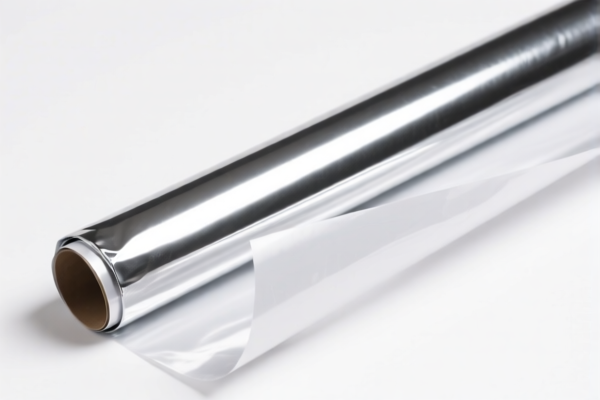
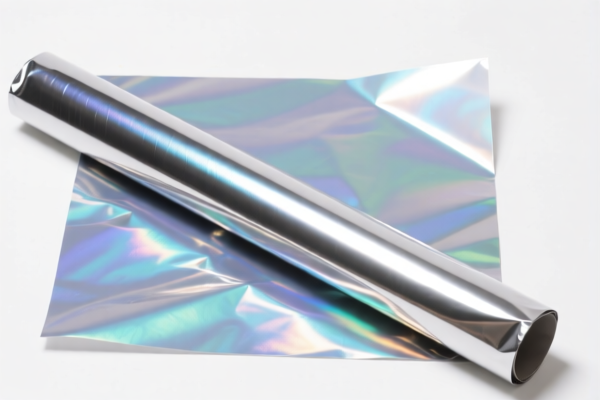
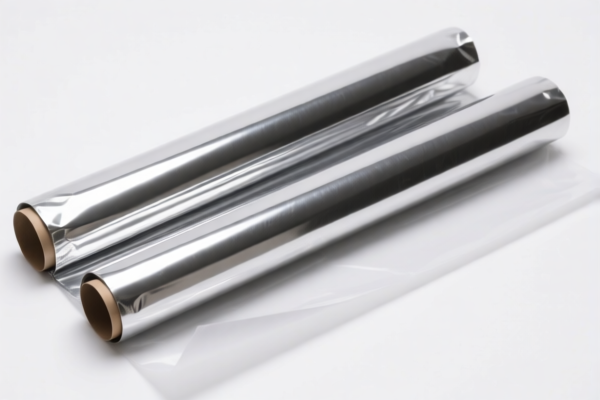
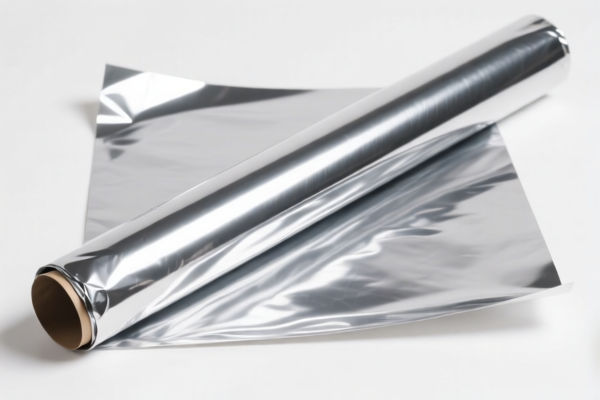
AI Analysis
📦 PET Aluminum Coated Gift Packaging Film Roll
🌐 HS Code Classification & Customs Clearance Guide | 2026 Tariff Structure Analysis | Strategic Compliance Strategy
📌 Part I: Product Definition & Classification Logic
Aluminum-Coated PET Film Rolls are high-performance packaging materials used primarily for gift packaging, decorative wrapping, and luxury goods presentation. They consist of a Polyethylene Terephthalate (PET) base layer coated with a thin layer of aluminum, offering barrier properties, metallic aesthetics, and structural strength.
In international trade, the classification depends on material composition, form (roll/film), and specific end-use. The following HS Codes are derived from the provided dataset, highlighting why each code applies based on legal definitions and tariff structures.
⚠️ Key Classification Distinction:
- Is it classified as a "Decorative Article" (HS 3926.40)?
- Is it classified as a generic "Plastic Article/Accessory" (HS 3926.90)?
- Is it classified as a "Plastic Film" (HS 3920.62)?
The dataset provides four distinct classifications with varying tax implications, primarily driven by the "122 Clause" (Section 301/IEEPA) and base duty rates.
📊 Part II: HS Code Classification Details (2026 Tariff Reference)
| HS Code | Product Description (from Dataset) | Classification Logic | Total Tax Rate |
|---|---|---|---|
3926.40.00.10 |
Decorative Gift Packaging Roll Material: PET Plastic Form: Film Roll Use: Gift Packaging |
Categorized under "Decorative articles and similar articles of other materials" (3926.40). This code treats the aluminum-coated film as a finished decorative article rather than a raw material or generic plastic good. | 15.3% |
3926.90.48.00 |
Plastic Gift Packaging Roll (Generic) Material: PET Plastic Form: Roll Use: Gift Packaging |
Classified under "Plastics and articles thereof" → Other plastic articles. This is a "catch-all" category for plastic articles that don't fit more specific headings. It applies to PET rolls used for gift packaging as a general plastic item. | 13.4% |
3926.90.48.00 |
PET Polyester Gift Packaging Roll Material: PET Polyester Form: Roll Use: Gift Packaging |
Same as above (3926.90.48.00), but explicitly notes PET Polyester material. No material conflict exists. This reinforces the classification as a generic plastic article under the "Other" subheading. |
13.4% |
3920.62.00.20 |
Polyester Film Roll (Aluminum-Coated) Material: PET (Polyethylene Terephthalate) Form: Roll/Film |
Classified under Plates, sheets, film, foil, and strip, of plastics (Chapter 39, Heading 3920). Specifically, 3920.62 covers Polyester films. The aluminum coating is deemed irrelevant to the base material classification for this heading. | 39.2% |
3926.90.48.00 |
Plastic Gift Packaging Roll (Fallback) Material: PET Plastic Form: Roll Use: Gift Packaging |
Uses the principle of residual classification ("Other"). If no more specific decorative or film heading applies, it defaults to this general plastic article code. | 13.4% |
🔍 Critical Insight:
- The same product can be classified into three different HS Codes (3926.40.00.10,3926.90.48.00,3920.62.00.20) depending on how the importer argues the product's nature (decorative article vs. plastic film vs. generic plastic good). - Tax Liability Varies Significantly: From 13.4% to 39.2% due to base duty rates and the application of punitive tariffs (Section 122/301).
💰 Part III: 2026 Tariff Rate Breakdown (Detailed Tax Analysis)
✅ Jurisdiction: United States (US)
✅ Origin: China (CN) (Implied by "122 Clause" tariffs)
✅ Effective Time: 2025/2026 (Current Trade War Framework)
🎯 1. 3926.40.00.10 – Decorative Articles of Plastic
| Component | Rate | Source/Logic |
|---|---|---|
| Base Duty | 5.3% | Standard MFN rate for decorative plastic articles |
| Addl. Tariff (122 Clause) | 10.0% | Section 301/IEEPA surcharge on Chinese plastic goods |
| Total Rate | 15.3% | 5.3% + 10.0% |
| De Minimis Exemption | ❌ No | Section 301 goods are excluded from de minimis relief |
📌 Explanation:
- This code offers a moderate tax rate.
- The "122 Clause" (10%) is applied on top of the base duty.
- Suitable if the product is marketed and packaged as a finished decorative item.
🎯 2. 3926.90.48.00 – Other Plastic Articles (Generic)
| Component | Rate | Source/Logic |
|---|---|---|
| Base Duty | 3.4% | Standard MFN rate for other plastic articles |
| Addl. Tariff (122 Clause) | 10.0% | Section 301/IEEPA surcharge on Chinese plastic goods |
| Total Rate | 13.4% | 3.4% + 10.0% |
| De Minimis Exemption | ❌ No | Section 301 goods are excluded from de minimis relief |
📌 Explanation:
- Lowest Total Tax Rate among the options (13.4%).
- Lower base duty (3.4%) compensates for the same 10% surcharge.
- Risk: Customs may challenge this if the product is clearly a "film" rather than an "article." However, if argued as a "packaging accessory," it is viable.
- Recommendation: Use this code if you can justify the roll as a "plastic article" rather than a raw film or decorative object.
🎯 3. 3920.62.00.20 – Polyester Films
| Component | Rate | Source/Logic |
|---|---|---|
| Base Duty | 4.2% | Standard MFN rate for polyester films |
| Addl. Tariff (Section 301) | 25.0% | High punitive tariff on Chinese polyester/plastic films |
| 122 Clause Tariff | 10.0% | Additional surcharge |
| Total Rate | 39.2% | 4.2% + 25.0% + 10.0% |
| De Minimis Exemption | ❌ No | Section 301 goods are excluded from de minimis relief |
📌 Explanation:
- Highest Tax Rate (39.2%).
- The 25% Section 301 tariff is the main driver. This code classifies the product as a raw material/film, which is heavily scrutinized and penalized.
- Avoid this code unless you have no other choice, as it nearly triples the cost compared to3926.90.48.00.
🛠️ Part IV: Customs Clearance Practical Advice (Strategic Guidance)
✅ 1. Document Preparation Checklist
| Document | Required? | Purpose |
|---|---|---|
| Commercial Invoice | ✔️ | Must clearly state: "Aluminum-Coated PET Film Roll, for Gift Packaging" |
| Product Specification Sheet | ✔️ | Detail: Material (PET), Coating (Aluminum), Thickness, Width, Core Size |
| Photos of Product | ✔️ | Show the roll, the aluminum layer, and the packaging structure |
| Usage Declaration | ✔️ | Explicitly state: "Used for gift packaging/decorative wrapping" |
| Certificate of Origin | ✔️ | Crucial for confirming Chinese origin (triggers 122/301 tariffs) |
✅ 2. Classification Strategy & Risk Mitigation
| Scenario | Recommended HS Code | Reasoning |
|---|---|---|
| Maximize Cost Savings | 3926.90.48.00 |
Lowest total tax (13.4%). Argue the product is a "plastic article" (packaging component) rather than a raw film. |
| Marketing as Decorative Item | 3926.40.00.10 |
Moderate tax (15.3%). Justify if the product is sold as a "finished decorative gift wrap" with branded patterns or specific decorative utility. |
| Strict Film Classification | 3920.62.00.20 |
Highest tax (39.2%). Only use if the product is clearly a raw industrial film with no decorative finishing, or if the importer prefers film classification for inventory reasons. |
✅ 3. Critical Customs Tips
🔥 Golden Rule: "Don't declare as Raw Film if it's a Decorative Product!"
- Declaring as3920.62.00.20(Polyester Film) triggers the 25% Section 301 tariff, leading to a 39.2% total tax.
- Declaring as3926.90.48.00(Other Plastic Article) triggers only the 10% 122 Clause, leading to a 13.4% total tax.
- Difference: 25.8% tax savings by choosing the correct classification!⚠️ Warning:
- Customs may challenge3926.90.48.00if the product is clearly a standard polyester film.
- Mitigation: Provide strong evidence that the product is finished (e.g., printed, laminated, or packaged as a retail gift wrap) rather than a raw industrial roll.
✅ 4. Special Considerations for "122 Clause"
- Scope: The "122 Clause" (10% additional tariff) applies to most Chinese plastic articles under Section 301.
- Exemptions: Currently, no de minimis exemption applies to these goods. All shipments, regardless of value, are subject to the full tax rate.
- Legal Basis: Ensure your broker cites the correct Footnote in the Harmonized Tariff Schedule (HTS) to validate the 10% surcharge.
🌍 Part V: Global Market Comparison (2026 Snapshot)
| Destination | Recommended HS Code | Estimated Total Tax | Notes |
|---|---|---|---|
| 🇺🇸 USA | 3926.90.48.00 |
13.4% | Lowest cost. Avoid 3920 classification. |
| 🇺🇸 USA | 3926.40.00.10 |
15.3% | Acceptable alternative if marketed as decorative. |
| 🇨🇳 China | 3920.62.00.20 |
~5-10% | Lower tariffs for imports into China. |
| 🇪🇺 EU | 3920.62.00.00 |
~5-6% | No Section 301 tariffs. Standard EU duty applies. |
📌 Conclusion for US Imports:
- Opt for3926.90.48.00to minimize duties.
- Avoid3920.62.00.20unless legally required, as it incurs a 39.2% total tax burden.
📌 Part VI: Common Mistakes & Pitfalls
❌ Mistake 1: Declaring as "Polyester Film" (3920.62.00.20)
👉 Result: 39.2% tax (25% Section 301 + 10% 122 Clause + Base). Overpayment!
❌ Mistake 2: Claiming De Minimis Exemption
👉 Result: Penalty & Reassessment. Section 301 goods are not exempt from de minimis rules in the US.
❌ Mistake 3: Inconsistent Product Description
👉 Result: Customs delay. Invoice says "Gift Wrap," but HS Code is for "Industrial Film." Always align description with HS Code logic.
✅ Best Practice:
"Aluminum-Coated PET Decorative Gift Wrap Roll, Finished Plastic Article, for Retail Packaging" → HS 3926.90.48.00
🎯 Part VII: Final Recommendation
🎯 Strategic Takeaway:
🔹 Priority 1: Use
3926.90.48.00(13.4% tax) if the product can be justified as a plastic article.
🔹 Priority 2: Use3926.40.00.10(15.3% tax) if the product is marketed as a decorative item.
🔹 Avoid:3920.62.00.20(39.2% tax) unless you have no other option, due to the high 25% Section 301 tariff.
📌 Action Item:
📞 Consult your customs broker to submit a Pre-Ruling Application for
3926.90.48.00if you are importing large volumes. This locks in the lower tariff rate and prevents future disputes.
✨ Smart Classification Saves 25%+ in Taxes!
💼 Don’t let a wrong HS Code cost you 39% in duties when 13% is possible!
Customer Reviews
About HS Code Classification
The Harmonized System (HS) is an internationally standardized nomenclature developed by the World Customs Organization (WCO) to classify traded products. Over 200 countries use the HS system as the basis for customs tariffs, trade statistics, and import/export regulations.
Each HS code follows a hierarchical structure:
- Chapter (2 digits) — Broad category of goods (e.g., Chapter 84: Machinery and Mechanical Appliances)
- Heading (4 digits) — More specific grouping within the chapter
- Subheading (6 digits) — Internationally standardized breakdown, used by all WCO member countries
- National subdivisions (8-10 digits) — Country-specific extensions for further classification, such as US HTSUS 10-digit codes
Correct HS code classification is essential for smooth customs clearance, accurate duty payment, and compliance with trade regulations. Misclassification can lead to customs delays, overpayment of duties, or penalties.
When importing from CN to US, the applicable tariff rates may include:
- Most-Favored-Nation (MFN) rate — The standard duty rate applied to WTO members
- General rate — Applied to countries without trade agreements
- Trade remedy duties — Additional tariffs such as Section 301 (anti-dumping), Section 232 (national security), or countervailing duties
The information provided on this page is for reference purposes only. For official classification, please consult with your local customs authority or a licensed customs broker.