PET Aluminum Plated High Transparency Film
CN → US| HS Code | Tariff Rate | Origin | Destination | Doc |
|---|---|---|---|---|
| 7607201000 | 13.7% | CN | US | Official Doc |
| 3926909989 | 22.8% | CN | US | Official Doc |
| 7607205000 | 17.5% | CN | US | Official Doc |
| 3926909400 | 35.0% | CN | US | Official Doc |
| 7607201000 | 13.7% | CN | US | Official Doc |
Product Images
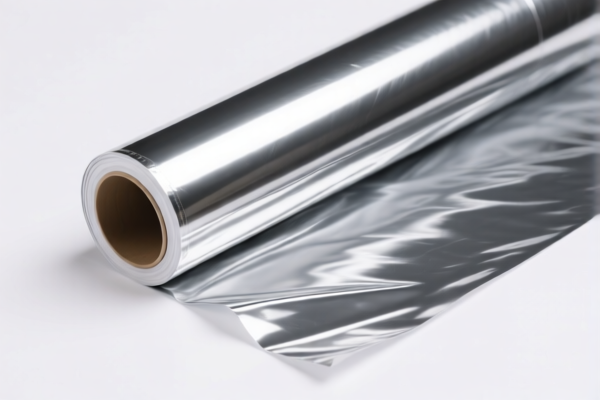
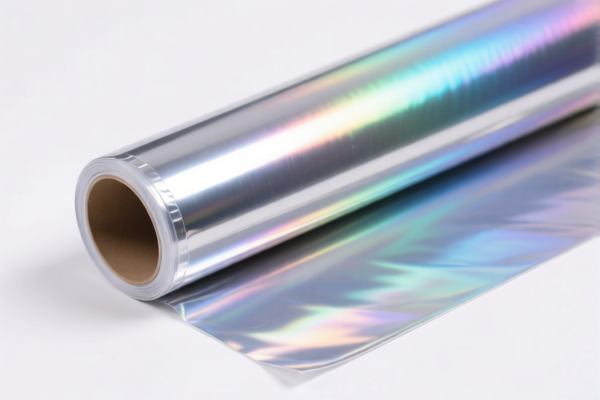
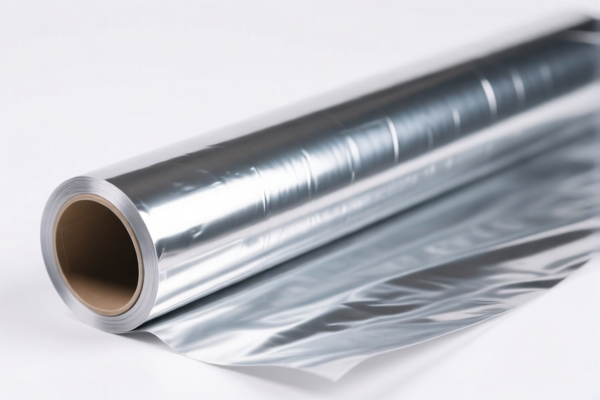
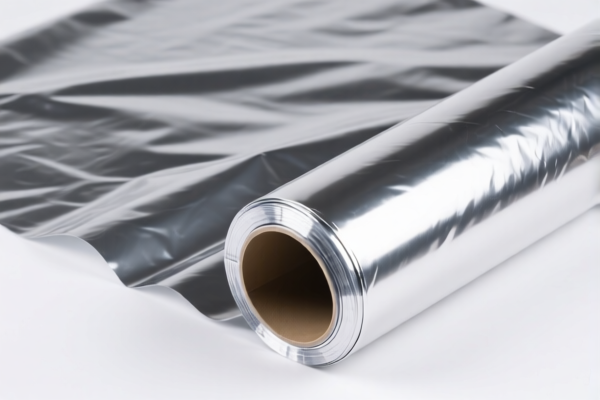
AI Analysis
🎬 PET Aluminum Plated High Transparency Film
🌐 HS Code Reference & Customs Clearance Guide | 2026 Latest Tariff Analysis | Professional Clearance Strategy
📌 I. Product Definition & Classification: Do You Really Understand "PET Aluminized Film"?
PET Aluminized Film (PET镀铝膜), also known as vapor-deposited aluminum PET, is a composite material consisting of a polyester (PET) base film coated with a thin layer of aluminum via vacuum metallization. It is widely used in packaging, electronics (ESD shielding), and optical applications.
In international trade, classification depends heavily on: 1. Structure: Is it treated as "plastic" (Chapter 39) or "aluminum foil" (Chapter 76)? 2. Backing Material: Does it have a plastic backing? 3. Function: Is it for ESD (Electrostatic Discharge) protection or general packaging?
⚠️ Key Classification Dilemma:
- If viewed as aluminum foil with plastic backing → Chapter 76 (Aluminum).
- If viewed as plastic film with a surface coating → Chapter 39 (Plastics).
The difference results in significant tax variations (from 13.7% to 35.0% in the US market for Chinese origin).
📦 II. HS Code Classification Details (Based on Provided Data)
| HS Code | Product Description (Summary) | Total Tax Rate | Key Characteristics |
|---|---|---|---|
7607.20.10.00 |
PET Aluminized ESD Film: Aluminum foil category with plastic backing. | 13.7% | Basic: 3.7% |
3926.90.99.89 |
PET Aluminized ESD Film: Other plastic articles (PET base). | 22.8% | Basic: 5.3% |
7607.20.50.00 |
PET Aluminized Film: Composite material with metal layer (Aluminum backing category). | 17.5% | Basic: 0.0% |
3926.90.94.00 |
PET Aluminized Film: Plastic sheets/films, no metal conflict. | 35.0% | Basic: 0.0% |
7607.20.10.00 |
PET Aluminized ESD Film: Duplicate entry (Aluminum category with plastic backing). | 13.7% | Basic: 3.7% |
🔍 重点提醒 (Key Insight):
- The lowest tax rate (13.7%) is achieved by classifying the product under Chapter 76 (Aluminum), specifically as "Aluminum foil with plastic backing" (7607.20.10.00).
- The highest tax rate (35.0%) occurs when classified under Chapter 39 (Plastics) with specific subheadings (3926.90.94.00), often attracting the highest Section 301/IEEPA penalties.
- ESD Function: If the film is specifically for Electrostatic Discharge protection, customs may scrutinize the "aluminum layer" thickness to determine if it qualifies as "foil" (thin) or just a "coating."
💰 III. 2026 Latest Tariff Rate Breakdown (Detailed Tax Clauses)
✅ Applicable Country: USA (US)
✅ Country of Origin: China (CN)
✅ Effective Time: Current (Subject to ongoing Section 301/IEEPA policies)
🎯 1. 7607.20.10.00 —— Aluminum Foil, Backed with Plastic (Lowest Tax Option)
This is the most favorable classification if the aluminum layer is considered thin enough to be "foil" and the product is described as aluminum-based.
| Item | Detail |
|---|---|
| Base Tariff | 3.7% |
| Section 301 / Additional Tariff | 0.0% |
| IEEPA Tariff (122 Clause) | +10% |
| Total Effective Tax Rate | 13.7% |
| Calculation Basis | CIF Value × 13.7% |
| De Minimis Exemption | ❌ Not Applicable (High-risk commodity) |
| Legal Path | IEEPA:122 → USITC:7607.20.10.00 |
📌 Explanation:
- The 10% IEEPA tariff is mandatory for Chinese-origin aluminum/plastic composites under recent emergency powers.
- The base 3.7% is relatively low for Chapter 76.
- Crucial: You must prove the product fits the definition of "Aluminum Foil" (thin, flexible) rather than just a "plastic sheet with a shiny surface."
🎯 2. 7607.20.50.00 —— Aluminum Foil, Other (Composite Category)
Used if the film is seen as a composite where the aluminum layer is significant but not in the specific "backed with plastic" sub-category of 10.00.
| Item | Detail |
|---|---|
| Base Tariff | 0.0% |
| Section 301 / Additional Tariff | +7.5% |
| IEEPA Tariff (122 Clause) | +10% |
| Total Effective Tax Rate | 17.5% |
| Calculation Basis | CIF Value × 17.5% |
| De Minimis Exemption | ❌ Not Applicable |
| Legal Path | IEEPA:122 → USITC:7607.20.50.00 |
📌 Note:
- Higher total rate than 10.00 due to the 7.5% additional tariff.
- Still cheaper than the plastic classifications.
🎯 3. 3926.90.99.89 —— Other Plastic Articles (Plastic Classification)
Used if customs classifies the product primarily as a plastic item, viewing the aluminum as merely a surface treatment.
| Item | Detail |
|---|---|
| Base Tariff | 5.3% |
| Section 301 / Additional Tariff | +7.5% |
| IEEPA Tariff (122 Clause) | +10% |
| Total Effective Tax Rate | 22.8% |
| Calculation Basis | CIF Value × 22.8% |
| De Minimis Exemption | ❌ Not Applicable |
| Legal Path | IEEPA:122 → USITC:3926.90.99.89 |
🎯 4. 3926.90.94.00 —— Plastic Sheets/Films (Highest Risk)
This classification attracts the highest penalties, likely due to specific trade remedy measures or higher Section 301 lists for certain plastic products.
| Item | Detail |
|---|---|
| Base Tariff | 0.0% |
| Section 301 / Additional Tariff | +25.0% |
| IEEPA Tariff (122 Clause) | +10% |
| Total Effective Tax Rate | 35.0% |
| Calculation Basis | CIF Value × 35.0% |
| De Minimis Exemption | ❌ Not Applicable |
| Legal Path | IEEPA:122 → USITC:3926.90.94.00 |
📌 Warning:
- This is the most expensive option.
- Avoid this classification unless your product is strictly defined as a "plastic sheet" with no metallic characteristics recognized by customs.
🛠️ IV. Customs Clearance Practical Advice (Avoid Pitfalls)
✅ 1. Required Documentation Checklist
| Document | Mandatory? | Description |
|---|---|---|
| ✅ Product Specification Sheet | ✔️ | Must detail: Base material (PET), Metal layer (Aluminum thickness in microns/micrometers), ESD resistance value. |
| ✅ Cross-Sectional Micrograph | ✔️ | Critical: Proves the aluminum layer is a continuous film (foil) rather than a paint/coating. |
| ✅ Commercial Invoice | ✔️ | Clear description: "PET Aluminized Film, for ESD Shielding, Chinese Origin." |
| ✅ Certificate of Origin | ✔️ | Essential for confirming CN origin to apply IEEPA tariffs. |
| ✅ HS Code Pre-Ruling (Optional but Recommended) | ✔️ | Apply to CBP for a binding opinion on whether it falls under 7607 or 3926. |
✅ 2. Declaration Strategy (Key Mnemonic)
🔥 “Aluminum Layer Thickness Defines Chapter 76; Plastic Base Defines Chapter 39!”
| Scenario | Recommended HS Code | Risk Level |
|---|---|---|
| Thin Al Layer (<0.2mm), Backed by PET | 7607.20.10.00 |
🟢 Low Tax (13.7%) |
| Composite Structure, Metal Layer Significant | 7607.20.50.00 |
🟡 Medium Tax (17.5%) |
| Thick Plastic Base, Al is merely Coating | 3926.90.99.89 |
🔴 High Tax (22.8%) |
| Specific Plastic Sheet Category | 3926.90.94.00 |
🔴🔴 Highest Tax (35.0%) |
✅ 3. Special Considerations for ESD Films
- Function vs. Material: Customs may ask if the ESD function changes the classification. Generally, material properties (aluminum vs. plastic) dominate over functional uses (ESD) for Chapter 76/39 distinctions.
- 122 Clause (IEEPA): The 10% IEEPA tariff applies to all listed HS codes in the dataset. Do not assume Chapter 76 is tariff-free; it is still subject to this additional levy.
- Avoid Under-Declaration: Do not misclassify 3926 (Plastic) items as 7607 (Aluminum) without technical proof, as this can lead to fraud penalties.
🌍 V. Global Market Comparison (2026 Overview)
| Market | Recommended HS Code | Est. Total Tax (CN Origin) | Notes |
|---|---|---|---|
| 🇺🇸 USA | 7607.20.10.00 |
13.7% | Best for Aluminum-backed films. |
| 🇺🇸 USA | 3926.90.94.00 |
35.0% | Avoid if possible. |
| 🇪🇺 EU | 7607.20 | ~0-3.7% | Usually lower additional duties than US. |
| 🇨🇳 China | 7607.20 | 5% (Import Duty) | No Section 301/IEEPA equivalent. |
📌 Conclusion:
- For US imports, fighting for7607.20.10.00saves 11.3% compared to the next best aluminum option and 21.3% compared to the worst plastic classification.
- Technical documentation proving the aluminum layer's nature is the key to unlocking the lower tax rate.
📌 VI. Common Errors & Pitfalls (Lessons Learned)
❌ Error 1: Classifying as 3926.90.94.00 without justification.
👉 Result: 35% tax rate. Massive cost increase.
❌ Error 2: Claiming "Plastic Film" but using aluminum layer thickness to argue for Chapter 76.
👉 Result: Customs audit. Delay in clearance.
❌ Error 3: Ignoring the 10% IEEPA Tariff.
👉 Result: Underpayment of duties. Penalties and interest.
❌ Error 4: Not disclosing ESD properties.
👉 Result: While ESD doesn't change HS code much, omitting it may lead to questions about the product's true nature and usage.
✅ Correct Approach:
"PET Aluminized Film, Aluminum Thickness: 0.05mm, Backed by PET, ESD Shielding, Origin: China."
🎯 VII. Conclusion: Precision Classification for Cost Savings
🎯 Remember:
🔹 "Aluminum Foil Classification = 13.7% Tax"
🔹 "Plastic Classification = Up to 35.0% Tax"
🔹 "IEEPA 10% is Non-Negotiable for CN Origin"
📌 Pro Tip:
If your aluminum layer is very thin (<0.004mm), it is more likely to be considered "Aluminum Foil" under Chapter 76. If it is thicker or acts more like a coating, Chapter 39 may apply. Consult a customs broker to review your cross-sectional photos.
📣 Immediate Action:
📞 Engage a customs specialist to file a Pre-Ruling for HS Code
7607.20.10.00.
🚀 Secure the 13.7% rate and protect your margins!
✨ Professional Customs Clearance Starts with Accurate Classification!
💼 Every Percent Saved is Pure Profit!
Customer Reviews
About HS Code Classification
The Harmonized System (HS) is an internationally standardized nomenclature developed by the World Customs Organization (WCO) to classify traded products. Over 200 countries use the HS system as the basis for customs tariffs, trade statistics, and import/export regulations.
Each HS code follows a hierarchical structure:
- Chapter (2 digits) — Broad category of goods (e.g., Chapter 84: Machinery and Mechanical Appliances)
- Heading (4 digits) — More specific grouping within the chapter
- Subheading (6 digits) — Internationally standardized breakdown, used by all WCO member countries
- National subdivisions (8-10 digits) — Country-specific extensions for further classification, such as US HTSUS 10-digit codes
Correct HS code classification is essential for smooth customs clearance, accurate duty payment, and compliance with trade regulations. Misclassification can lead to customs delays, overpayment of duties, or penalties.
When importing from CN to US, the applicable tariff rates may include:
- Most-Favored-Nation (MFN) rate — The standard duty rate applied to WTO members
- General rate — Applied to countries without trade agreements
- Trade remedy duties — Additional tariffs such as Section 301 (anti-dumping), Section 232 (national security), or countervailing duties
The information provided on this page is for reference purposes only. For official classification, please consult with your local customs authority or a licensed customs broker.