PET CLOTHES
CN → US| HS Code | Tariff Rate | Origin | Destination | Doc |
|---|---|---|---|---|
| 6114200060 | 28.3% | CN | US | Official Doc |
| 6114200020 | 28.3% | CN | US | Official Doc |
| 6114200055 | 28.3% | CN | US | Official Doc |
| 4201003000 | 37.4% | CN | US | Official Doc |
| 6211329081 | 25.6% | CN | US | Official Doc |
| 6114303060 | 32.4% | CN | US | Official Doc |
Product Images
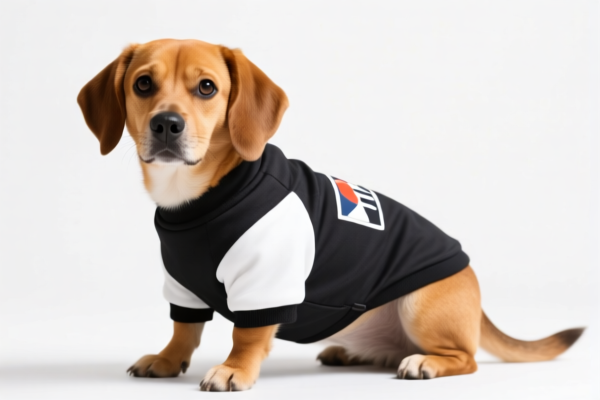
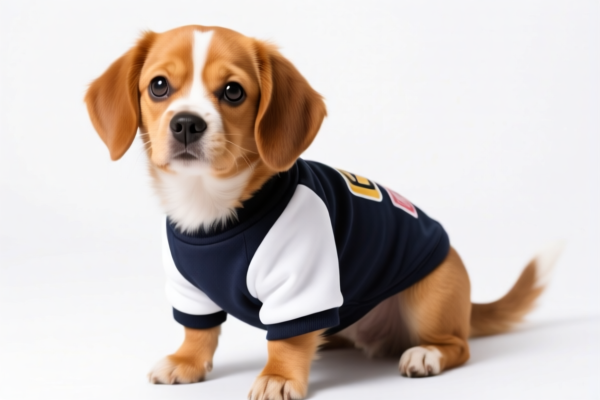
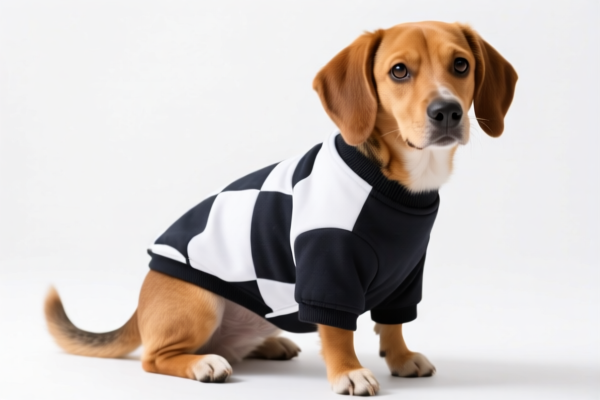

AI Analysis
🐕 Pet Clothes (Pet Clothing/Apparel)
🌐 HS Code Reference & Clearance Guide | 2026 Latest Tariff Analysis | Professional Clearance Strategy
📌 I. Product Definition & Classification: Do You Really Understand "Pet Clothes"?
Pet Clothes, also known as Pet Apparel, refer to clothing items designed specifically for domestic animals (primarily dogs and cats). In international trade, they are often a point of contention between Textile Garments (Chapter 61/62) and Accessories of Animals (Chapter 42).
The core distinction lies in the material composition, knitting/crocheting status, and primary function:
Textile Garments (Chapters 61/62):
- Made primarily of textile materials (Cotton, Polyester, Wool, etc.).
- Manufactured via knitting or crocheting (Chapter 61) or other textile methods (Chapter 62).
- Treated similarly to human clothing but scaled down for animals.
Animal Accessories (Chapter 42):
- May include leather, fur, or non-textile materials.
- Specifically categorized as "Collars, Harnesses, Leashes" or "Any material, for dogs, cats, or other small animals" in some interpretations.
- Key Note: If the item is purely functional (e.g., a simple leash) or made of leather/fur without textile structure, it may fall under Chapter 42. However, knitted/crocheted textile pet clothes are generally classified under Chapters 61/62.
⚠️ Key Distinction Point:
- If it is a knitted/crocheted textile garment (sweater, hoodie, pajamas) → Chapter 61.
- If it is a leather/fur accessory or generic "other" animal apparel → Chapter 42.
- If it is woven non-knit textile (e.g., denim jacket, woven coat) → Chapter 62.
📦 II. HS Code Classification Details (2026 Latest Tariff Authoritative Comparison)
| HS Code | Product Description | Applicable Scenario | Material/Structure Conflict? |
|---|---|---|---|
6114.20.00.60 |
Other garments, knitted/crocheted, of cotton | Knitted pet clothes (sweaters, hoodies) made of cotton. No material conflict. | ❌ No Conflict |
6114.20.00.20 |
Other garments, knitted/crocheted, of cotton (Other) | Knitted pet clothes considered as "onesies/rubber" equivalent. Treated as finished knitted consumer goods. | ❌ No Conflict |
6114.20.00.55 |
Other garments, knitted/crocheted, of cotton (Other) | Knitted pet clothes falling under "Other" category due to lack of specific material conflict. | ❌ No Conflict |
4201.00.30.00 |
Other articles of leather or composition leather; harnesses, collars, etc. | Pet clothes made of leather, faux leather, or non-textile materials. Matches "any material" definition for dog clothes. | ✅ Potential Conflict if textile |
6211.32.90.81 |
Other garments, not knitted/crocheted, of cotton, men’s/boys’ | Woven cotton pet clothes. Inferred as "other garments" for cotton textiles. | ❌ No Conflict (Woven) |
6114.30.30.60 |
Other garments, knitted/crocheted, of synthetic fibers | Knitted pet clothes made of polyester, nylon, or other synthetic fibers. | ❌ No Conflict |
🔍 Key Reminder:
- Knitted/Crocheted items go to Chapter 61 (6114).
- Woven items go to Chapter 62 (6211).
- If the material is Leather/Fur, it goes to Chapter 42 (4201).
- Misclassification Risk: Declaring a woven cotton pet coat as4201might save tax, but if it’s clearly textile, it will be reclassified to Chapter 62 with potential penalties. Declaring a knitted item as6211is also incorrect.
💰 III. 2026 Latest Tariff Rate Details (Including Surcharges & Policy Additions)
✅ Applicable Country: United States (US)
✅ Country of Origin: China (CN)
✅ Effective Time: From November 10, 2025 (including subsequent imports)
🎯 1. 6114.20.00.60 / 6114.20.00.20 / 6114.20.00.55 —— Knitted Pet Clothes (Cotton)
| Item | Content |
|---|---|
| Base Tariff | 10.8% |
| USITC Surcharge (Section 301) | +7.5% |
| IEEPA Surcharge (Section 122) | +10% |
| Total Tariff | 28.3% |
| Tax Calculation | CIF Value × 28.3% |
| De Minimis Eligibility | ❌ Not Eligible (Deny de minimis) |
| Legal Basis Path | IEEPA:9903.01.25 → IEEPA:9903.01.24 → USITC:6114.20.00.20/55/60 → FOOTNOTE:9903.88.01 |
📌 Explanation:
- These codes fall under Knitted/Crocheted Textile Garments.
- Subject to Base Tariff (10.8%), Section 301 Surcharge (7.5%), and Section 122 Surcharge (10%).
- Total 28.3%. This is a high tariff category. De minimis (Section 321) does not apply to these goods from China.
🎯 2. 4201.00.30.00 —— Pet Clothes (Leather/Non-Textile/Other)
| Item | Content |
|---|---|
| Base Tariff | 2.4% |
| USITC Surcharge (Section 301) | +25.0% |
| IEEPA Surcharge (Section 122) | +10% |
| Total Tariff | 37.4% |
| Tax Calculation | CIF Value × 37.4% |
| De Minimis Eligibility | ❌ Not Eligible (Deny de minimis) |
| Legal Basis Path | IEEPA:9903.01.25 → IEEPA:9903.01.24 → USITC:4201.00.30.00 → FOOTNOTE:9903.88.01 |
📌 Note:
- This code is for Leather, Fur, or "Any Material" animal accessories.
- While the base tariff is low (2.4%), the Section 301 surcharge is high (25%).
- Total 37.4%. Often higher than knitted textile if the surcharge structure differs.
- Crucial: If you declare a cotton pet sweater as4201to avoid Chapter 61 tariffs, you risk severe penalties for misclassification. It must be leather or non-textile to qualify.
🎯 3. 6211.32.90.81 —— Woven Pet Clothes (Cotton)
| Item | Content |
|---|---|
| Base Tariff | 8.1% |
| USITC Surcharge (Section 301) | +7.5% |
| IEEPA Surcharge (Section 122) | +10% |
| Total Tariff | 25.6% |
| Tax Calculation | CIF Value × 25.6% |
| De Minimis Eligibility | ❌ Not Eligible (Deny de minimis) |
| Legal Basis Path | IEEPA:9903.01.25 → IEEPA:9903.01.24 → USITC:6211.32.90.81 → FOOTNOTE:9903.88.01 |
📌 Note:
- For Woven (non-knit) cotton pet clothes (e.g., denim jackets, woven coats).
- Total 25.6%. This is the lowest total tariff among the textile options provided.
- Ensure the item is indeed woven (not knitted). If it’s stretchy/knitted, it must be6114.
🎯 4. 6114.30.30.60 —— Knitted Pet Clothes (Synthetic Fibers)
| Item | Content |
|---|---|
| Base Tariff | 14.9% |
| USITC Surcharge (Section 301) | +7.5% |
| IEEPA Surcharge (Section 122) | +10% |
| Total Tariff | 32.4% |
| Tax Calculation | CIF Value × 32.4% |
| De Minimis Eligibility | ❌ Not Eligible (Deny de minimis) |
| Legal Basis Path | IEEPA:9903.01.25 → IEEPA:9903.01.24 → USITC:6114.30.30.60 → FOOTNOTE:9903.88.01 |
📌 Note:
- For Knitted pet clothes made of Synthetic Fibers (Polyester, Nylon, etc.).
- Total 32.4%. Higher than cotton knitted items due to higher base tariff.
- Common for lightweight pet raincoats or polyester fleece jackets.
🛠️ IV. Customs Clearance Practical Advice (Battle-Hardened Pitfall Guide)
✅ 1. Preparation Checklist (All or Nothing)
| Document | Must Provide | Explanation |
|---|---|---|
| ✅ Product Specification Sheet | ✔️ | Details: Material (Cotton/Synthetic/Leather), Knitted/Woven, Size, Use (Pet Apparel) |
| ✅ Material Composition Label | ✔️ | Must clearly state % of Cotton, Polyester, etc. |
| ✅ Product Photos (Front/Back/Label) | ✔️ | Show texture (knitted vs woven), buttons, zippers, and "Made in China" tag |
| ✅ Commercial Invoice | ✔️ | Describe as "Pet Clothing, Knitted Cotton, Size S/M/L" |
| ✅ Packing List | ✔️ | Clearly list quantities and weights |
| ✅ Certificate of Origin (CO) | ✔️ | If not from China, can claim preferential rates |
✅ 2. Declaration Tips (Key Mantra)
🔥 "Knit is 61, Woven is 62, Leather is 42, Material Defines Fate!"
| Scenario | Correct HS Code | Mistake to Avoid |
|---|---|---|
| Knitted Cotton Sweater | 6114.20.00.60 (28.3%) |
Misdeclare as 4201 → Penalty for misclassification |
| Woven Denim Jacket | 6211.32.90.81 (25.6%) |
Misdeclare as 6114 (Knit) → Incorrect structure |
| Polyester Raincoat (Knit) | 6114.30.30.60 (32.4%) |
Misdeclare as 6211 → Texture mismatch |
| Leather/Faux Leather Vest | 4201.00.30.00 (37.4%) |
Misdeclare as 6114 → Material mismatch |
✅ 3. Special Cases Handling
| Situation | Handling Advice |
|---|---|
| Mixed Material (e.g., Cotton + Leather) | Generally, if >50% by weight is textile, it goes to Chapter 61/62. If leather is dominant, check Chapter 42. Provide detailed material breakdown. |
| Pet Clothes with Hardware (Buckles, Zippers) | Still classified as Garments. Hardware is incidental. Do not split into "Garments" and "Accessories". |
| Sample/Prototype | Still subject to tariffs if declared as "Pet Clothes". Use "Sample" label only if eligible, but be cautious with Section 321. |
| OEM Custom Design | Provide design sketches and customer orders. Avoid generic names like "Dog Shirt" without material details. |
🌍 V. Global Main Market Clearance Comparison (2026 Latest)
| Country/Region | Recommended HS Code | Tariff Rate | Certification | Notes |
|---|---|---|---|---|
| 🇺🇸 United States | 6114.20.00.60 (Knit Cotton) |
28.3% | CPSIA (if applicable) | High tariff. Section 321 excluded. |
| 🇨🇳 China | 6114.20.00.60 |
10.8% (Base) | None specific | No Section 301/122. |
| 🇪🇺 European Union | 6114.20.00 |
12% (Standard) | CE (if electronic) | No Section 301/122. |
| 🇬🇧 United Kingdom | 6114.20.00 |
12% (Standard) | UKCA | Post-Brexit rules. |
| 🇯🇵 Japan | 6114.20.00 |
16% (Standard) | None | No extra surcharges. |
📌 Conclusion:
- USA is the most expensive market due to Section 301 and Section 122 surcharges.
- Chapter 61/62 (Textiles) are subject to these surcharges.
- Chapter 42 (Leather/Other) also subject to surcharges but with different rates.
- Avoid De Minimis Reliance: Section 321 ($800) does not apply to these goods from China.
📌 VI. Common Mistakes & Pitfall Guide (Blood-Teaching Lessons)
❌ Mistake 1: Declaring knitted cotton pet clothes as 4201 to save tax
👉 Consequence: Customs reclassifies to 6114 → Back taxes + Penalties!
❌ Mistake 2: Confusing Knitted vs Woven
👉 Consequence: Knitted items declared as 6211 → Misclassification error → Delayed clearance.
❌ Mistake 3: Ignoring Material Composition
👉 Consequence: Synthetic fibers (6114.30) have higher base tariffs than Cotton (6114.20). Incorrect declaration leads to underpayment.
❌ Mistake 4: Assuming "Pet Supplies" is a valid HS Code
👉 Consequence: Vague description → Customs Hold → Request for detailed info → Delays.
✅ Correct Action:
"Pet Clothing, Knitted Cotton Sweater, Size M, 100% Cotton, for Dogs"
HS Code:6114.20.00.60
Tariff: 28.3%
🎯 VII. Conclusion: Professional Declaration, Save Time, Money, and Effort!
🎯 Remember the Mantra:
🔹 "Knit is 61, Woven is 62, Leather is 42. Material Defines Fate!"
🔹 "No De Minimis for China, Tariff is 28%+. Plan Ahead!"
🔹 "HS Code is Life. Wrong Code = Tax + Penalty + Delay!"
📌 Pro Tip:
If your pet clothes are originating from Vietnam, Mexico, or Thailand, you may apply for IEEPA Exemption, reducing tariffs to 0%~5%.
Recommend applying for an Advance Ruling from CBP to confirm the correct HS Code (6114 vs 6211 vs 4201) before shipping.
📣 Take Action Now:
📞 Contact a Professional Customs Broker + Provide Product Photos + Apply for HS Code Advance Ruling
🚀 Let your Pet Clothes Clear Customs Smoothly, Export Efficiently, and Maximize Profits!
✨ Professional Clearance Starts with Accurate Classification!
💼 Every Dollar of Cost Deserves Precise Calculation!
Customer Reviews
About HS Code Classification
The Harmonized System (HS) is an internationally standardized nomenclature developed by the World Customs Organization (WCO) to classify traded products. Over 200 countries use the HS system as the basis for customs tariffs, trade statistics, and import/export regulations.
Each HS code follows a hierarchical structure:
- Chapter (2 digits) — Broad category of goods (e.g., Chapter 84: Machinery and Mechanical Appliances)
- Heading (4 digits) — More specific grouping within the chapter
- Subheading (6 digits) — Internationally standardized breakdown, used by all WCO member countries
- National subdivisions (8-10 digits) — Country-specific extensions for further classification, such as US HTSUS 10-digit codes
Correct HS code classification is essential for smooth customs clearance, accurate duty payment, and compliance with trade regulations. Misclassification can lead to customs delays, overpayment of duties, or penalties.
When importing from CN to US, the applicable tariff rates may include:
- Most-Favored-Nation (MFN) rate — The standard duty rate applied to WTO members
- General rate — Applied to countries without trade agreements
- Trade remedy duties — Additional tariffs such as Section 301 (anti-dumping), Section 232 (national security), or countervailing duties
The information provided on this page is for reference purposes only. For official classification, please consult with your local customs authority or a licensed customs broker.