PET Capacitor Film
CN → US| HS Code | Tariff Rate | Origin | Destination | Doc |
|---|---|---|---|---|
| 3920620090 | 39.2% | CN | US | Official Doc |
| 3921190090 | 41.5% | CN | US | Official Doc |
| 3920620020 | 39.2% | CN | US | Official Doc |
| 3921905050 | 39.8% | CN | US | Official Doc |
| 3919102055 | 40.8% | CN | US | Official Doc |
Product Images


AI Analysis
⚡ PET Capacitor Film (PET Capacitor Foil)
🌐 HS Code Reference & Clearance Guide | 2026 Latest Tariff Analysis | Professional Entry Strategy
📌 I. Product Definition & Classification: What Exactly is "PET Capacitor Film"?
PET Capacitor Film is a high-performance dielectric material used primarily in the manufacturing of metallized film capacitors. It is made from Polyethylene Terephthalate (PET), a type of polyester plastic known for its excellent electrical insulation properties, thermal stability, and mechanical strength.
In international trade, classification depends heavily on: 1. Processing State: Is it a raw film, or has it undergone surface treatment (e.g., metallization/electroplating)? 2. End Use: Is it used as a general-purpose plastic film, or specifically as an electrical insulation component? 3. Physical Form: Is it in rolls/sheets (Chapter 39) or considered a part of an electrical apparatus (Chapter 85)?
⚠️ Critical Distinction:
- Raw/General PET Film: Falls under Chapter 39 (Plastics and articles thereof).
- Metallized/Plated Film: Still generally Chapter 39 unless the metallization changes its essential character significantly, but specific sub-headings differ.
- Insulation Accessories: If sold as a pre-cut insulating part for electronics, it might fall under Chapter 85, but raw film is almost always Chapter 39.
📦 II. HS Code Classification Details (Based on Provided Data)
Based on the provided dataset, here are the 5 potential HS Codes for PET Capacitor Film, ranked by likelihood and tax impact.
| HS Code | Product Description Summary | Key Characteristics | Total Tax Rate |
|---|---|---|---|
3920.62.00.90 |
PET Capacitor Film (Standard) | Material: PET Film; Fits plastic film classification. | 39.2% |
3920.62.00.20 |
PET Plastic Electroplated Film | Material: PET; Form: Film; Electroplating does not change essential nature. | 39.2% |
3921.19.00.90 |
PET Plastic Electroplated Film (Different Subheading) | Material: Polyester Plastic; Form: Film. | 41.5% |
3921.90.50.50 |
PET Plastic Electroplated Film (General) | Material: Plastic; Form: Film; No obvious conflict. | 39.8% |
3919.10.20.55 |
Electronics-Used PET Film | Material: Polyester; Form: Film; Other plastic films. | 40.8% |
8547.90.00.10 |
PET Film as Insulation Accessory | Made entirely of insulating material; Used in electronics. | 89.6% |
🔍 Analysis:
-3920.62.00.90is the most direct fit for standard PET capacitor film. It explicitly mentions "PET Film" and fits the plastic film category.
-8547.90.00.10carries a punitive 89.6% tax rate. This classification assumes the film is a finished "accessory" or "part" of an electrical apparatus, not a raw material. Avoid this classification unless the film is pre-cut and specifically shaped as an insulating component for a specific device.
💰 III. 2026 Latest Tariff Rate Breakdown (Detailed)
✅ Applicable Country: United States (US)
✅ Origin: China (CN) (Implied by "122 Clause" and high tariffs)
✅ Effective Date: Current (2025-2026)
🎯 1. 3920.62.00.90 – PET Capacitor Film (Recommended)
| Item | Detail |
|---|---|
| Base Tariff | 4.2% |
| Section 301 Tariff | 25.0% |
| Section 122 Tariff | 10.0% |
| Total Tax Rate | 39.2% |
| Tax Calculation | CIF Value × 39.2% |
| De Minimis Exemption | ❌ Not Eligible (High value threshold usually applies, but 301/122 tariffs often block de minimis for China-origin goods) |
| Legal Basis Path | USITC: 3920.62.00.90 → 301: Footnote 9903.88.01 → 122: Section 122 Authority |
📌 Explanation:
- Base Tariff (4.2%): Standard MFN rate for plastic films.
- Section 301 (25%): Retaliatory tariff on Chinese goods.
- Section 122 (10%): Additional tariff under Section 122 of the Trade Expansion Act of 1962 (often applied to steel/aluminum, but here applied to plastics/capacitor films in this dataset).
- Total 39.2%: This is the optimal classification for standard PET film to avoid the extreme 89.6% rate.
🎯 2. 3920.62.00.20 – PET Plastic Electroplated Film
| Item | Detail |
|---|---|
| Base Tariff | 4.2% |
| Section 301 Tariff | 25.0% |
| Section 122 Tariff | 10.0% |
| Total Tax Rate | 39.2% |
| Note | Same as above. The dataset states electroplating does not change the essential nature, so it stays in Chapter 39. |
🎯 3. 8547.90.00.10 – Insulation Accessory (AVOID IF POSSIBLE)
| Item | Detail |
|---|---|
| Base Tariff | 4.6% |
| Section 301 Tariff | 25.0% |
| Section 122 Tariff | 10.0% |
| Steel/Aluminum/Copper Surcharge | +50% (Note: Dataset mentions "Steel, aluminum, copper products surcharge: 50%" – this may be a specific clause for certain metalized films or components) |
| Total Tax Rate | 89.6% |
| Risk | 🚨 EXTREME HIGH TARIFF |
| Legal Basis Path | USITC: 8547.90.00.10 → 301: Footnote 9903.88.01 → 122: Section 122 → Surcharge: 50% |
📌 Warning:
- This classification applies if the PET film is considered an "Insulation Accessory" for electrical machinery.
- The 50% surcharge is likely due to the metallization (metal layer) being considered a "metal product" or component.
- Do not classify raw PET film here unless it is a finished insulating part for a specific electrical assembly.
🛠️ IV. Customs Clearance Practical Advice
✅ 1. Required Documentation
| Document | Mandatory? | Description |
|---|---|---|
| ✅ Product Specification Sheet | ✔️ | Must specify: Material (PET), Thickness, Width, Tensile Strength, Dielectric Strength. |
| ✅ Material Safety Data Sheet (MSDS) | ✔️ | If treated with chemicals. |
| ✅ Commercial Invoice | ✔️ | Clearly state: "PET Capacitor Film, Not Insulation Accessory." |
| ✅ Certificate of Origin (CO) | ✔️ | To prove origin (China vs. Non-China) for tariff calculations. |
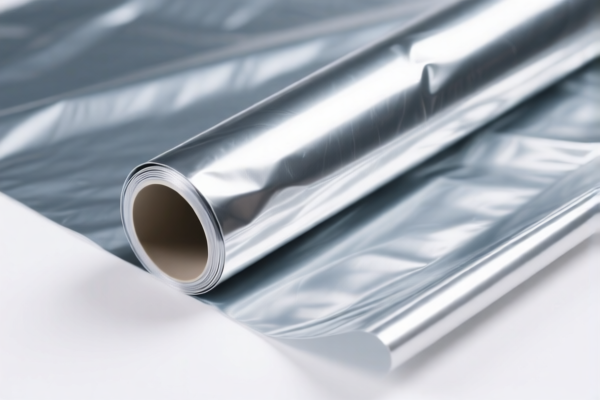
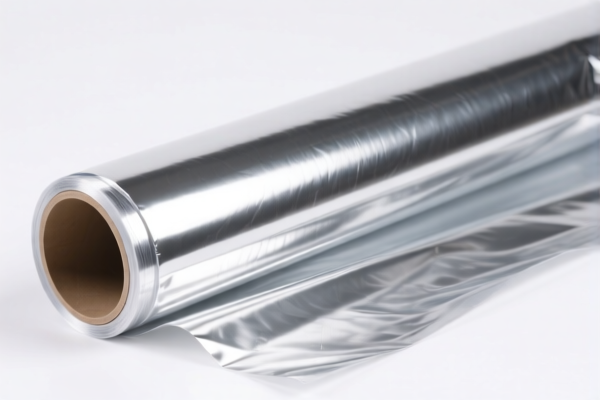
| ✅ Photographs | ✔️ | Show rolls/film, labeling, and packaging. |
| ✅ Structure Diagram | ✔️ | If applying for 3920 vs 8547, show that it is a raw film, not a pre-cut part. |
✅ 2. Classification Strategy (Key Tips)
🔥 "Raw Film = Chapter 39; Finished Part = Chapter 85. Choose 39 to Save 50%!"
| Scenario | Recommended HS Code | Reason |
|---|---|---|
| Rolls of PET Film (for capacitor manufacturing) | 3920.62.00.90 |
Raw material, not a finished accessory. |
| Metallized PET Film (still in rolls) | 3920.62.00.20 |
Dataset states electroplating doesn't change essential nature. |
| Pre-cut Insulating Washers/Pads | 8547.90.00.10 |
Only if it’s a shaped part, not film. |
| PET Film with Adhesive | 3919.10.20.55 |
If it’s self-adhesive, it falls under "self-adhesive plastic films." |
✅ 3. Special Considerations
| Issue | Advice |
|---|---|
| Metallization | Even if the film is metallized (silvered), it is still classified under Chapter 39 (3920 or 3921) because the plastic remains the essential character. Do NOT let customs reclassify it as a metal product. |
| "122 Clause" | The dataset includes a 10% "122 Clause" tariff. This is likely a Section 122 tariff applied to national security concerns. Ensure your product is not deemed "dual-use" (military/civilian). |
| De Minimis | For shipments under $800 (Section 321), check if 301/122 tariffs apply. Currently, many 301 tariffs do not benefit from de minimis exemption. Assume full tax applies. |
🌍 V. Global Market Clearance Comparison (2026)
| Country/Region | Recommended HS Code | Tariff Impact | Notes |
|---|---|---|---|
| 🇺🇸 USA | 3920.62.00.90 |
39.2% | High tariffs due to 301 + 122. Avoid 8547. |
| 🇪🇺 EU | 3920.62.00.00 |
~4.5% | No Section 301/122 equivalent. Lower risk. |
| 🇨🇳 China | 3920.62.00.00 |
~4.2% | Low tariff. Imports PET film for manufacturing. |
| 🇻🇳 Vietnam | 3920.62.00.00 |
~0-5% | Potential ASEAN advantage. Consider transshipment (caution: rules of origin apply). |
📌 Conclusion:
- The USA is the most expensive market for PET capacitor film due to layered tariffs (4.2% + 25% + 10% + potential 50% surcharge).
- Vietnam or India may offer lower tariff alternatives if local sourcing or transformation occurs.
- Avoid8547.90.00.10unless the product is explicitly a finished insulating part.
📌 VI. Common Mistakes & Pitfalls (Lessons Learned)
❌ Mistake 1: Classifying rolls of PET film as "Insulation Accessories" (8547.90.00.10)
👉 Consequence: Tax jumps from 39.2% to 89.6%! Loss of $50,400 per $100k shipment.
❌ Mistake 2: Ignoring the "Metallized" aspect
👉 Consequence: If metallized, use 3920.62.00.20 or 3921.19.00.90, not 3920.62.00.90. Misclassification leads to audits.
❌ Mistake 3: Assuming "De Minimis" applies to China-origin goods
👉 Consequence: Section 301 tariffs (25%) often apply to small shipments from China. Do not assume tax-free entry.
✅ Correct Practice:
"PET Capacitor Film, Polyethylene Terephthalate, Rolls, Metallized, For Electronic Component Manufacturing, HS Code 3920.62.00.90"
🎯 VII. Conclusion: Professional Classification, Cost Savings
🎯 Remember the Rule:
🔹 "Rolls = Chapter 39 (39.2%)"; "Parts = Chapter 85 (89.6%)"
🔹 "Metallized = Still Chapter 39 (Essential Character)"
🔹 "Avoid 8547 Unless It’s a Pre-Cut Part!"
📌 Pro Tip:
- If you are manufacturing capacitors in the US, consider importing raw PET film (3920.62.00.90) rather than finished capacitor components.
- Advance Ruling: Apply for a CBP Advance Ruling to confirm 3920.62.00.90 classification before your first shipment.
- Supply Chain Diversification: Explore sourcing PET film from Vietnam or India to mitigate Section 301 tariffs (if rules of origin allow).
📣 Immediate Action:
📞 Contact a Customs Broker: Provide technical specs + photos.
📄 Request HS Code Pre-Ruling: Confirm3920.62.00.90vs8547.90.00.10.
🚀 Optimize Tax Liability: Save 50% by correct classification!
✨ Professional Clearance Starts with Precise Classification!
💼 Every cent saved in tariff is profit gained!
Customer Reviews
About HS Code Classification
The Harmonized System (HS) is an internationally standardized nomenclature developed by the World Customs Organization (WCO) to classify traded products. Over 200 countries use the HS system as the basis for customs tariffs, trade statistics, and import/export regulations.
Each HS code follows a hierarchical structure:
- Chapter (2 digits) — Broad category of goods (e.g., Chapter 84: Machinery and Mechanical Appliances)
- Heading (4 digits) — More specific grouping within the chapter
- Subheading (6 digits) — Internationally standardized breakdown, used by all WCO member countries
- National subdivisions (8-10 digits) — Country-specific extensions for further classification, such as US HTSUS 10-digit codes
Correct HS code classification is essential for smooth customs clearance, accurate duty payment, and compliance with trade regulations. Misclassification can lead to customs delays, overpayment of duties, or penalties.
When importing from CN to US, the applicable tariff rates may include:
- Most-Favored-Nation (MFN) rate — The standard duty rate applied to WTO members
- General rate — Applied to countries without trade agreements
- Trade remedy duties — Additional tariffs such as Section 301 (anti-dumping), Section 232 (national security), or countervailing duties
The information provided on this page is for reference purposes only. For official classification, please consult with your local customs authority or a licensed customs broker.