PET Food Grade Packaging Film
CN → US| HS Code | Tariff Rate | Origin | Destination | Doc |
|---|---|---|---|---|
| 3921905050 | 39.8% | CN | US | Official Doc |
| 3920620090 | 39.2% | CN | US | Official Doc |
| 3920620020 | 39.2% | CN | US | Official Doc |
| 3921190090 | 41.5% | CN | US | Official Doc |
| 3921121950 | 40.3% | CN | US | Official Doc |
Product Images
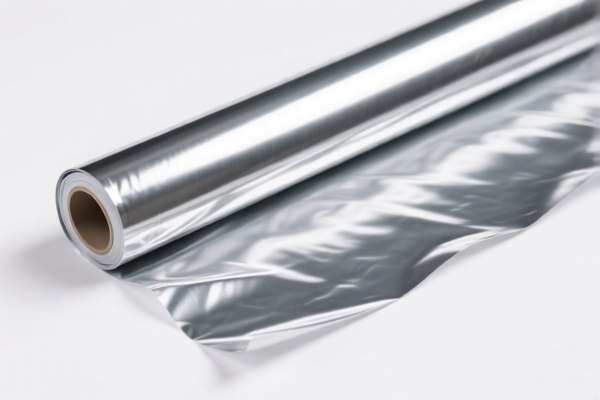
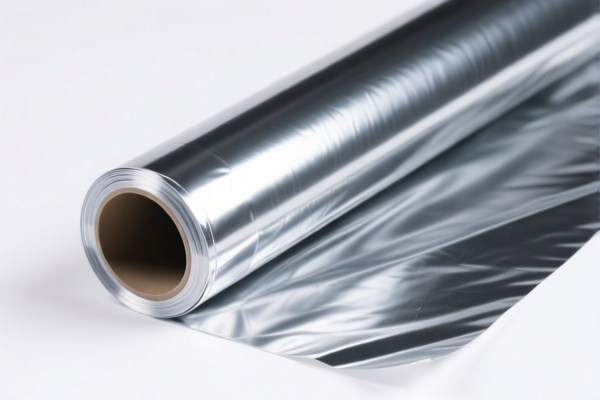
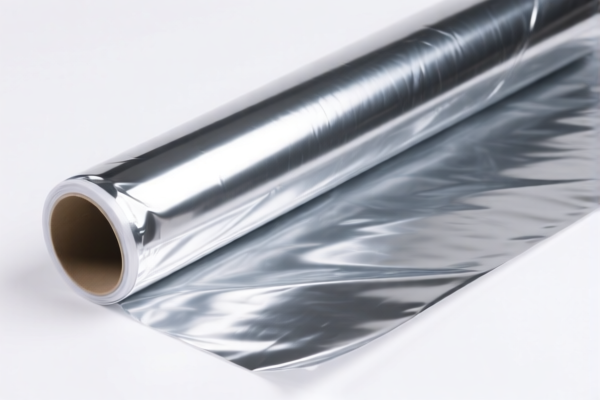
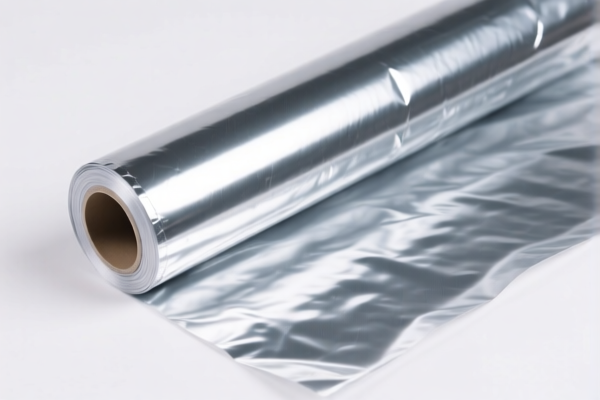
AI Analysis
📦 PET Food Grade Packaging Film (Plastic Sheets/Films)
🌐 HS Code Reference & Customs Clearance Guide | 2026 Latest Tariff Analysis | Professional Clearance Strategy 📌 I. Product Definition & Classification: Do You Truly Understand "PET Film"?
"PET Food Grade Packaging Film" (Polyethylene Terephthalate) is a high-barrier, transparent plastic material widely used in food packaging, rigid containers, and protective films. In international trade, its classification depends heavily on its physical form (sheet vs. film) and specific manufacturing process.
Key Distinctions:
* Rigid Sheets (3921.xxxx): Thicker, stiffer sheets used for thermoforming containers (e.g., clamshells, blister packs).
* Flexible Films/Sheets (3920.xxxx): Thinner, more flexible materials used for wrapping, labeling, or lamination.
⚠️ Critical Classification Point: - If the product is a thick, rigid sheet primarily used for forming packages → Likely
3921.90or3921.19. - If the product is a flexible sheet/film (even if called "sheet" in loose terms) → Likely3920.62. - ⚠️ Data Conflict Alert: One data entry mentions "PVC Coated," which contradicts the "PET" description. Strictly adhere to "PET" for classification. PVC films have different tax rates and health regulations.
📋 II. HS Code Classification Details (2026 Latest Tariff Authority Comparison)
| HS Code | Product Description | Physical Form | Material | Applicability |
|---|---|---|---|---|
3921.90.50.50 |
Food-grade PET plastic sheets | Rigid/Thick Sheet | PET | Best for rigid packaging (e.g., blister packs, rigid trays). Highest risk category due to specific sub-heading. |
3920.62.00.90 |
Food-grade PET plastic sheets/films | Flexible Sheet/Film | PET | Best for flexible packaging, wrapping films, or laminating substrates. Standard classification for PET sheets/films. |
3920.62.00.20 |
Food-grade PET plastic sheets | Flexible Sheet | PET | Similar to 90 but may refer to specific thickness or processing method (e.g., unprinted vs. printed). Check local customs interpretation. |
3921.19.00.90 |
Other plastic sheets/plates/films | Rigid Sheet | PET | Generic fallback. Used if the product doesn't fit 3920.62 precisely. Higher base tariff. |
3921.12.19.50 |
PVC-coated food-grade packaging film | Coated Film | PVC | ❌ MISMATCH. Only applies if the product is PVC, not PET. Do NOT use this for pure PET products. |
🔍 Key Reminder: - Material Matters: The summary explicitly states "PET". Ensure no PVC coating is present. If there is a PVC layer, this becomes a composite good, potentially changing the classification entirely. - Form Matters: "Sheet" can mean rigid or flexible. Customs will look at thickness, stiffness, and end-use. - Food Grade: Must be certified for food contact. Provide FDA/EFSA compliance documents if requested.
💰 III. 2026 Latest Tariff Rate Breakdown (Including Surtaxes & Policy Add-ons)
✅ Applicable Country: United States (US)
✅ Country of Origin: China (CN)
✅ Effective Date: 2025/2026 (Post-Trade War Surtaxes Apply)
🎯 1. 3921.90.50.50 —— PET Plastic Sheets (Rigid)
| Item | Details |
|---|---|
| Base Tariff | 4.8% |
| Section 301 Surtax | +25.0% |
| Section 122 Surtax | +10.0% |
| Total Effective Rate | 39.8% |
| Tax Calculation | CIF Value × 39.8% |
| De Minimis Eligibility | ❌ Not Eligible (deny_de_minimis) |
| Legal Basis | HTSUS:3921.90.50.50 + USITC Footnote 9903.88.01 (301) + IEEPA (122) |
📌 Explanation: - 4.8%: Base Most Favored Nation (MFN) rate. - 25%: Section 301 tariffs on Chinese plastic products. - 10%: Additional surtax (Section 122 or similar emergency provisions). - Total 39.8% is extremely high. Cost-saving strategies must be prioritized.
🎯 2. 3920.62.00.90 & 3920.62.00.20 —— PET Plastic Sheets/Films (Flexible)
| Item | Details |
|---|---|
| Base Tariff | 4.2% |
| Section 301 Surtax | +25.0% |
| Section 122 Surtax | +10.0% |
| Total Effective Rate | 39.2% |
| Tax Calculation | CIF Value × 39.2% |
| De Minimis Eligibility | ❌ Not Eligible (deny_de_minimis) |
| Legal Basis | HTSUS:3920.62.00.90/20 + USITC Footnote 9903.88.01 + IEEPA |
📌 Explanation: - Slightly lower base tariff (4.2% vs 4.8%) than
3921.90. - Total rate is 39.2%. - Difference:3920.62is often preferred for flexible films because it is a more specific sub-heading for "other plastics" in sheet form, whereas3921is broader for "plates, sheets, film, strip, and block".
🎯 3. 3921.19.00.90 —— Other Plastic Sheets (Rigid, Generic)
| Item | Details |
|---|---|
| Base Tariff | 6.5% |
| Section 301 Surtax | +25.0% |
| Section 122 Surtax | +10.0% |
| Total Effective Rate | 41.5% |
| Tax Calculation | CIF Value × 41.5% |
| De Minimis Eligibility | ❌ Not Eligible |
📌 Explanation: - Highest Base Tariff (6.5%) due to being a "catch-all" category for plastics not specified elsewhere. - Total 41.5% is the most expensive option. Avoid this code if your product can be classified under
3920or specific3921.90codes.
🎯 4. 3921.12.19.50 —— PVC Coated Film (WARNING: MISMATCH)
| Item | Details |
|---|---|
| Base Tariff | 5.3% |
| Section 301 Surtax | +25.0% |
| Section 122 Surtax | +10.0% |
| Total Effective Rate | 40.3% |
| Status | ❌ INAPPLICABLE for PET |
📌 Critical Warning: - This code is for PVC, not PET. - Using this for PET products constitutes misdeclaration, leading to severe penalties, seizures, or blacklisting. - Only use if the product is actually PVC.
🛠️ IV. Customs Clearance Practical Advice (Real-World Pitfall Guide)
✅ 1. Essential Documentation Checklist
| Document | Required | Notes |
|---|---|---|
| ✅ Product Specification Sheet | ✔️ | Must state: 100% PET, thickness (mm), width, color, food-grade compliance (FDA 21 CFR 177.1630). |
| ✅ Material Safety Data Sheet (MSDS) | ✔️ | For plastic resins/films. |
| ✅ Food Contact Certification | ✔️ | FDA compliance letter or EU Regulation 1935/2004 compliance. |
| ✅ Commercial Invoice | ✔️ | Clearly describe as "PET Plastic Sheets/Films, Food Grade, Not PVC". |
| ✅ Packing List | ✔️ | Detail gross/net weight, dimensions. |
| ✅ Photos | ✔️ | Show product roll/sheet, labeling, and any markings. |
✅ 2. Declaration Strategy (Key Mantra)
🔥 "Specify PET, Avoid PVC, Choose 3920 over 3921 if Flexible!"
| Scenario | Correct Declaration | Incorrect Declaration | Consequence |
|---|---|---|---|
| Flexible PET Film | 3920.62.00.90 |
3921.90.50.50 |
Potential audit for misclassification; slight tax difference (39.2% vs 39.8%). |
| Rigid PET Sheet | 3921.90.50.50 |
3920.62.00.90 |
Risk of detention if customs determines it's too rigid for "film". |
| PVC-Coated PET | STOP! | Use 3921.12.19.50 |
Major Compliance Risk. PVC has different health regulations. |
| General Plastic Sheet | 3921.19.00.90 |
Specific code | Higher tax (41.5%). Always find the most specific code. |
✅ 3. Special Circumstances Handling
| Situation | Handling Advice |
|---|---|
| Thin vs. Thick | If thickness > 1mm, customs may lean towards 3921. If < 1mm, 3920 is safer. Check with broker. |
| Printed vs. Unprinted | Both 3920.62 codes generally cover printed/unprinted PET. Ensure invoice matches. |
| Food Grade Claim | Provide FDA Letter of Guarantee. If customs questions food safety, shipment will be held. |
| Composite Goods | If PET is coated with another material (e.g., aluminum, PVC), classification changes. Do not use PVC code for PET. |
🌍 V. Global Market Clearance Comparison (2026 Latest)
| Country/Region | Recommended HS Code | Tariff Rate | Certification | Notes |
|---|---|---|---|---|
| 🇺🇸 USA | 3920.62.00.90 |
39.2% (China Origin) | FDA Food Contact | Highest tariff environment. |
| 🇨🇳 China | 3920.62.00.90 |
~5-10% | CCC (if applicable) | Lower entry barrier. |
| 🇪🇺 EU | 3920.62.00.90 |
~6-10% | EU 1935/2004 Compliance | Stricter food safety audits. |
| 🇬🇧 UK | 3920.62.00.90 |
~6-10% | UKCA + Food Standards | Post-Brexit rules apply. |
| 🇯🇵 Japan | 3920.62.00.90 |
~6-10% | JIS + Food Sanitation Act | Specific migration tests required. |
📌 Conclusion: - USA is the most expensive market due to 301/122 surtaxes. - EU/Asia have lower tariffs but stricter food safety documentation.
📌 VI. Common Errors & Pitfall Guide (Blood Lessons)
❌ Error 1: Using 3921.12.19.50 for PET products
👉 Consequence: Severe Misdeclaration. Customs will reclassify, impose penalties, and delay shipment. PVC ≠ PET.
❌ Error 2: Declaring "Plastic Sheet" without specifying material
👉 Consequence: Customs will assign the highest default rate (3921.19.00.90 @ 41.5%) or detain for analysis.
❌ Error 3: Not providing Food Grade Certification
👉 Consequence: Shipment Denied Entry by FDA. Product destroyed or re-exported.
❌ Error 4: Ignoring "Section 122" surtax
👉 Consequence: Underpayment of duties. IRS/CBP will recover back-taxes + interest.
✅ Correct Approach:
"Polyethylene Terephthalate (PET) Plastic Sheets, Food Grade, Thickness: 0.5mm, Unprinted, for Packaging Use, Made in China."
🎯 VII. Conclusion: Precise Classification Saves Millions!
🎯 Remember the Mantra:
🔹 "PET is not PVC, Flexible goes to 3920, Rigid to 3921."
🔹 "Base Tariff + 25% + 10% = ~39-41%. Plan accordingly!"
🔹 "Food Grade Needs Paperwork, No FDA, No Entry!"
📌 Pro Tip:
If your PET film is produced in Vietnam, Malaysia, or Thailand, you may apply for IEEPA Exemptions or Lower Tariffs under USMCA or ASEAN agreements.
👉 Action: Request Advance Rulings from CBP before shipment to confirm 3920.62 vs 3921.90.
📣 Immediate Action:
📞 Contact your customs broker before production.
📄 Prepare FDA Compliance Letters.
🚀 Clear Customs Smoothly, Save on Tariffs, Win the Market!
✨ Professional Clearance Starts with Accurate Classification!
💼 Every percentage point of duty affects your bottom line!
Customer Reviews
About HS Code Classification
The Harmonized System (HS) is an internationally standardized nomenclature developed by the World Customs Organization (WCO) to classify traded products. Over 200 countries use the HS system as the basis for customs tariffs, trade statistics, and import/export regulations.
Each HS code follows a hierarchical structure:
- Chapter (2 digits) — Broad category of goods (e.g., Chapter 84: Machinery and Mechanical Appliances)
- Heading (4 digits) — More specific grouping within the chapter
- Subheading (6 digits) — Internationally standardized breakdown, used by all WCO member countries
- National subdivisions (8-10 digits) — Country-specific extensions for further classification, such as US HTSUS 10-digit codes
Correct HS code classification is essential for smooth customs clearance, accurate duty payment, and compliance with trade regulations. Misclassification can lead to customs delays, overpayment of duties, or penalties.
When importing from CN to US, the applicable tariff rates may include:
- Most-Favored-Nation (MFN) rate — The standard duty rate applied to WTO members
- General rate — Applied to countries without trade agreements
- Trade remedy duties — Additional tariffs such as Section 301 (anti-dumping), Section 232 (national security), or countervailing duties
The information provided on this page is for reference purposes only. For official classification, please consult with your local customs authority or a licensed customs broker.