PET Metallized Packaging Film
CN → US| HS Code | Tariff Rate | Origin | Destination | Doc |
|---|---|---|---|---|
| 3926909905 | 22.8% | CN | US | Official Doc |
| 3926909989 | 22.8% | CN | US | Official Doc |
| 3919102055 | 40.8% | CN | US | Official Doc |
| 3919905060 | 40.8% | CN | US | Official Doc |
| 7607205000 | 17.5% | CN | US | Official Doc |
Product Images

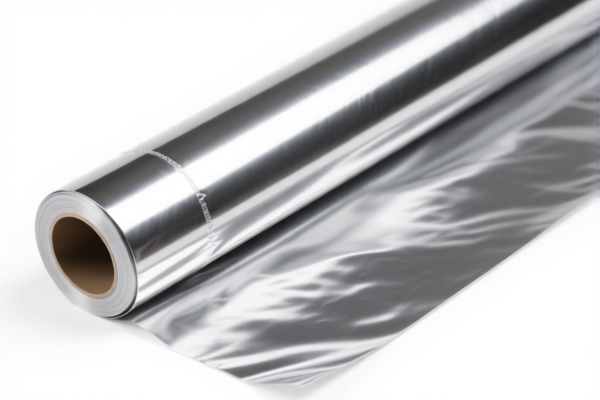
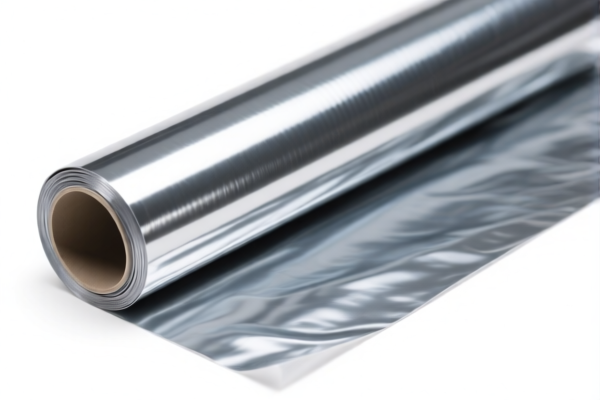
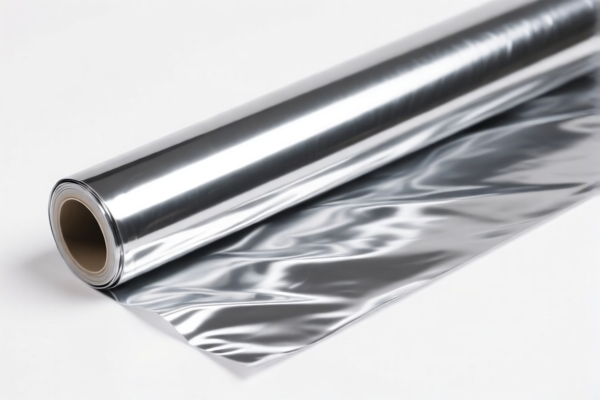
AI Analysis
🛡️ PET Metallized Anti-Static Packaging Film (PET镀铝防静电保护膜)
🌐 HS Code Reference & Customs Clearance Guide | 2026 Latest Tariff Analysis | Professional Strategy for Chinese Origin Goods
📌 1. Product Definition & Classification: What is "PET Metallized Packaging Film"?
PET Metallized Packaging Film refers to a composite material where Aluminum vapor is deposited onto a Polyethylene Terephthalate (PET) base film. It is widely used in: * Electronics Packaging: Anti-static shielding for sensitive components. * Consumer Goods: High-barrier packaging for food, pharmaceuticals, and cosmetics. * Industrial Use: Protective films for screens, metals, and surfaces.
⚠️ Key Distinction Point:
- If it is a bare film (no adhesive, no backing paper) intended for protective wrapping or lamination → It is likely a Plastic Film (Heading 3920/3921) or Plastic Articles (Heading 3926).
- If it has an adhesive layer (self-adhesive tape/joint) → It falls under Plastic Tape (Heading 3919).
- If it is classified as a composite metal film rather than a plastic article → It may fall under Aluminum Foil products (Heading 7607), though this is less common for PET base.
📦 2. HS Code Classification Details (2026 Latest Tariff Authority)
| HS Code | Product Description | Application Scenario | Total Tax Rate (China Origin) | Tax Composition |
|---|---|---|---|---|
3926.90.99.05 |
PET Metallized Anti-Static Protective Film, Plastic Material, Film Form | General anti-static packaging, protective covers, non-adhesive | 22.8% | Base: 5.3% + Sec 301: 7.5% + Sec 122: 10% |
3926.90.99.89 |
PET Metallized Anti-Static Protective Film, Plastic Material, Other Plastic Articles | Custom anti-static sheets, industrial plastic parts | 22.8% | Base: 5.3% + Sec 301: 7.5% + Sec 122: 10% |
3919.10.20.55 |
PET Metallized Tape Base Film, Plastic Material, Strip Form | Self-adhesive tape backing, label bases, roll goods with adhesive | 40.8% | Base: 5.8% + Sec 301: 25.0% + Sec 122: 10% |
3919.90.50.60 |
PET Metallized Tape Base Film, Plastic Material, Self-Adhesive Strip | Self-adhesive tape rolls, industrial tapes | 40.8% | Base: 5.8% + Sec 301: 25.0% + Sec 122: 10% |
7607.20.50.00 |
PET Metallized Anti-Static Film, Plastic Material, Composite Material with Metal Layer | Rare classification; treated primarily as aluminum foil product with backing | 17.5% | Base: 0.0% + Sec 301: 7.5% + Sec 122: 10% |
🔍 Critical Note:
- The majority of anti-static protective films are classified under 3926 (Other plastic articles).
- If the product is self-adhesive (has glue), it MUST be classified under 3919 (Plastic tapes), which carries a significantly higher tariff.
- Classification under 7607 is possible but less common for PET-based films unless the metal layer is the dominant functional element.
💰 3. 2026 Latest Tariff Rate Breakdown (Including Surtaxes & Policy Add-ons)
✅ Applicable Country: United States (US)
✅ Country of Origin: China (CN)
✅ Effective Date: November 10, 2025 (and subsequent imports)
🎯 1. 3926.90.99.05 / 3926.90.99.89 —— Plastic Protective Films (Non-Adhesive)
| Item | Content |
|---|---|
| Base Duty Rate | 5.3% (Ad Valorem) |
| Section 301 Surcharge | +7.5% |
| Section 122 Surcharge | +10% (For Aluminum/Plastic related items under specific trade actions) |
| Total Effective Rate | 22.8% |
| Tax Calculation | CIF Value × 22.8% |
| De Minimis Eligibility | ❌ No (Deny De Minimis) |
| Legal Basis Path | USITC:3926.90.99.05 → USITC:3926.90.99.89 → FOOTNOTE:301.88 → FOOTNOTE:122 |
📌 Explanation:
- These codes cover plastic articles that are not specifically described elsewhere.
- The 22.8% rate is a combination of standard MFN duty, Section 301 (China-specific), and Section 122 (targeted surcharge).
- No de minimis exemption: Even for low-value shipments, this tax applies.
🎯 2. 3919.10.20.55 / 3919.90.50.60 —— Self-Adhesive Plastic Tapes
| Item | Content |
|---|---|
| Base Duty Rate | 5.8% (Ad Valorem) |
| Section 301 Surcharge | +25.0% |
| Section 122 Surcharge | +10% |
| Total Effective Rate | 40.8% |
| Tax Calculation | CIF Value × 40.8% |
| De Minimis Eligibility | ❌ No |
| Legal Basis Path | USITC:3919.10.20.55 → USITC:3919.90.50.60 → FOOTNOTE:301.88 → FOOTNOTE:122 |
📌 Warning:
- If your product has adhesive (even thin coating), it is considered a tape.
- The 40.8% rate is nearly double the non-adhesive film rate.
- Misclassification here is a common customs audit risk.
🎯 3. 7607.20.50.00 —— Aluminum Foil Products (Composite)
| Item | Content |
|---|---|
| Base Duty Rate | 0.0% |
| Section 301 Surcharge | +7.5% |
| Section 122 Surcharge | +10% |
| Total Effective Rate | 17.5% |
| Tax Calculation | CIF Value × 17.5% |
| De Minimis Eligibility | ❌ No |
| Legal Basis Path | USITC:7607.20.50.00 → FOOTNOTE:301.88 → FOOTNOTE:122 |
📌 Opportunity:
- This is the lowest tax rate (17.5%) among the options.
- However, customs may reject this classification if the PET film is the primary functional component, as aluminum is merely a metallized layer.
- Use only if you can prove the metal layer is the essential character of the good.
🛠️ 4. Customs Clearance Practical Advice (Combat Pitfall Guide)
✅ 1. Document Checklist (Must-Have)
| Document | Must Provide | Description |
|---|---|---|
| ✅ Product Spec Sheet | ✔️ | Include: Base material (PET), Metallization method (Vacuum Al), Thickness, Static dissipative properties |
| ✅ Photographs | ✔️ | Clear images of the film roll, end view (showing layers), and any adhesive backing |
| ✅ Commercial Invoice | ✔️ | Clearly state: "PET Metallized Anti-Static Protective Film, No Adhesive" OR "PET Metallized Tape" |
| ✅ Packing List | ✔️ | Detail net/gross weight, number of rolls, dimensions |
| ✅ Certificate of Origin | ✔️ | Form A or generic CO, indicating Chinese origin |
✅ 2. Declaration Tips (Key Mantra)
🔥 "No Adhesive = 3926 (22.8%); Adhesive = 3919 (40.8%); Aluminum Character = 7607 (17.5%)!"
| Scenario | Correct HS Code | Risk |
|---|---|---|
| Roll film with no glue, used for wrapping | 3926.90.99.05 / .89 |
Low if described as "protective film" |
| Roll film with glue (tape) | 3919.10.20.55 / .60 |
High risk if declared as "film" |
| Composite foil where aluminum is key | 7607.20.50.00 |
Very high risk of reclassification unless proven |
| Anti-static property | Mention in spec sheet | Does not change HS code, but supports 3926 classification |
✅ 3. Special Cases Handling
| Scenario | Handling Advice |
|---|---|
| OEM Custom Film | Provide customer PO and tech specs to prove it's a "protective film" not a "tape" |
| Sample Shipment | Still subject to 22.8% tax; no de minimis exemption |
| Mixed Shipment | If film and tape are mixed, declare separately; do not bundle to lower tax |
| Anti-Static Certification | Provide test reports (e.g., ANSI/ESD S20.20) to support functional description |
🌍 5. Global Market Clearance Comparison (2026 Latest)
| Country/Region | Recommended HS Code | Tariff | Certification | Note |
|---|---|---|---|---|
| 🇺🇸 USA | 3926.90.99.05 |
22.8% | None specific | High tariff for China origin |
| 🇨🇳 China | 3926.90.99.05 |
5.3% | None | No surtaxes |
| 🇪🇺 EU | 3920.62.00 |
6.5% | REACH | No Section 301/122 |
| 🇬🇧 UK | 3920.62.00 |
6.5% | UKCA | No surtaxes |
| 🇯🇵 Japan | 3920.62.00 |
6.0% | PSE (if electrical) | No surtaxes |
📌 Conclusion:
- USA is the most expensive market due to Section 301 and 122 tariffs.
- EU/UK/JP offer lower duties (~6%) but require strict chemical compliance (REACH, etc.).
- Strategy: For US market, ensure accurate classification to avoid 40.8% tape rate.
📌 6. Common Mistakes & Pitfall Guide (Blood & Tears Lessons)
❌ Mistake 1: Declaring adhesive tape as "Protective Film"
👉 Consequence: Tax drops from 40.8% to 22.8% → Customs Audit & Penalties!
❌ Mistake 2: Declaring non-adhesive film as "Aluminum Foil"
👉 Consequence: Tax drops from 22.8% to 17.5% → Rejection for Misclassification!
❌ Mistake 3: Ignoring Anti-Static Properties in Description
👉 Consequence: Customs may question the product's nature → Delays & Inspections
❌ Mistake 4: Using Vague Terms like "Plastic Sheet"
👉 Consequence: Ambiguity leads to random HS code assignment → Unpredictable Tax Rate
✅ Correct Practice:
"PET Metallized Anti-Static Protective Film, Non-Adhesive, Roll Form, Width: 500mm, Thickness: 50um, ESD Safe, Made in China"
🎯 7. Conclusion: Professional Declaration, Save Money & Time!
🎯 Remember Mantra:
🔹 "Adhesive = Tape (40.8%); No Adhesive = Film (22.8%); Metal Character = Foil (17.5%)"
🔹 "HS Code Determines Cost; Misclassification Costs Double!"
📌 Pro Tip:
If your product is anti-static, include ESD test reports in your dossier.
For US imports, consider Advance Ruling (Ruling Letter) to lock in the 22.8% rate and avoid disputes.
📣 Immediate Action:
📞 Contact a licensed customs broker + Provide Product Specs + Apply for Pre-Ruling
🚀 Ensure Smooth Clearance, Efficient Export, Maximize Profit!
✨ Professional Customs Clearance Starts with Accurate Classification!
💼 Every Penny of Cost Should Be Precisely Calculated!
Customer Reviews
About HS Code Classification
The Harmonized System (HS) is an internationally standardized nomenclature developed by the World Customs Organization (WCO) to classify traded products. Over 200 countries use the HS system as the basis for customs tariffs, trade statistics, and import/export regulations.
Each HS code follows a hierarchical structure:
- Chapter (2 digits) — Broad category of goods (e.g., Chapter 84: Machinery and Mechanical Appliances)
- Heading (4 digits) — More specific grouping within the chapter
- Subheading (6 digits) — Internationally standardized breakdown, used by all WCO member countries
- National subdivisions (8-10 digits) — Country-specific extensions for further classification, such as US HTSUS 10-digit codes
Correct HS code classification is essential for smooth customs clearance, accurate duty payment, and compliance with trade regulations. Misclassification can lead to customs delays, overpayment of duties, or penalties.
When importing from CN to US, the applicable tariff rates may include:
- Most-Favored-Nation (MFN) rate — The standard duty rate applied to WTO members
- General rate — Applied to countries without trade agreements
- Trade remedy duties — Additional tariffs such as Section 301 (anti-dumping), Section 232 (national security), or countervailing duties
The information provided on this page is for reference purposes only. For official classification, please consult with your local customs authority or a licensed customs broker.