PET Plastic Anti UV Sheet
CN → US| HS Code | Tariff Rate | Origin | Destination | Doc |
|---|---|---|---|---|
| 3921190090 | 41.5% | CN | US | Official Doc |
| 3920620090 | 39.2% | CN | US | Official Doc |
| 3921905050 | 39.8% | CN | US | Official Doc |
| 3919905040 | 40.8% | CN | US | Official Doc |
| 3919905060 | 40.8% | CN | US | Official Doc |
Product Images
AI Analysis
🛡️ PET Plastic Anti UV Sheet (PET Plastic Material, Film Form)
🌐 HS Code Reference & Clearance Guide | 2026 Latest Tariff Analysis | Professional Customs Strategy for US Imports
📌 Part I: Product Definition & Classification: What is "PET Anti-UV Sheet"?
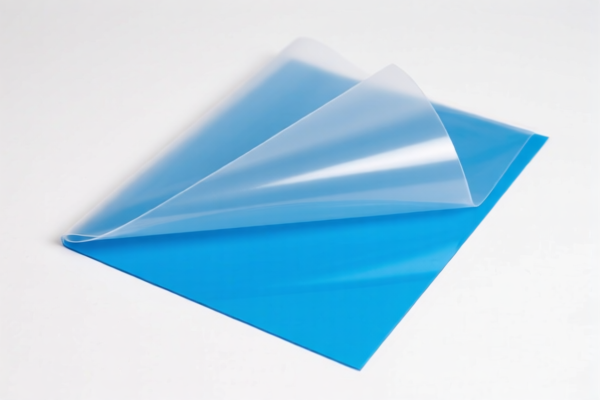
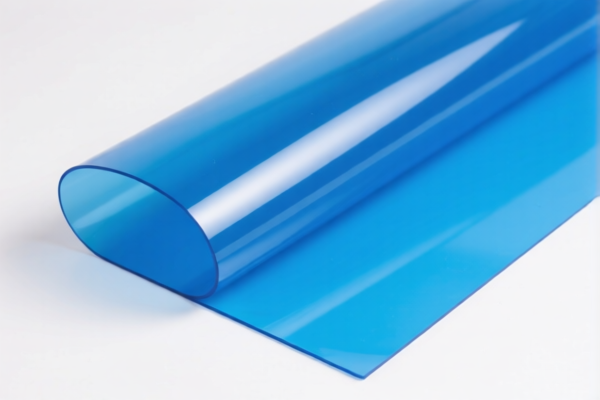
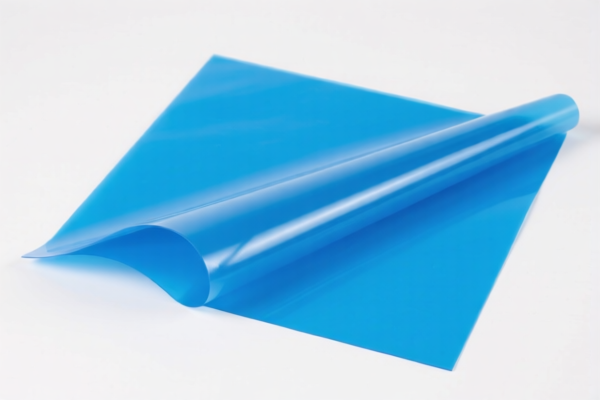
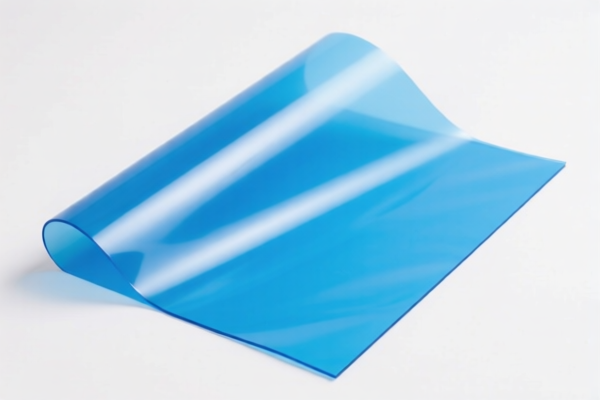
PET (Polyethylene Terephthalate) Anti-UV Sheets are high-performance plastic films or sheets designed to provide durability and protection against ultraviolet radiation. In international trade, the classification depends heavily on the physical form (film vs. rigid sheet) and the functional state (self-adhesive vs. plain film).
Key Distinctions for Classification: 1. Plain Film/Sheet: Flat plastic material without adhesive, used for protection, covering, or manufacturing. 2. Self-Adhesive Film: Has an adhesive layer on one or both sides, applied for mounting or bonding. 3. Protective Role: If classified under specific "protective" headings, it might differ, but generally, pure PET films fall under Chapter 39.
⚠️ Critical Classification Point:
- If it is a plain flat film (no adhesive) → Likely 3921 or 3920.
- If it has an adhesive layer (self-adhesive) → Likely 3919.
- Anti-UV property is a feature, not a primary classifier; it usually follows the base material (PET).
📦 Part II: HS Code Classification Matrix (2026 Data Analysis)
Based on the provided data <DATA>, here are the 5 possible HS Codes for your PET Plastic Anti UV Sheet, with detailed explanations for each.
| HS Code | Product Description & Logic | Total Tax Rate | Tax Composition |
|---|---|---|---|
| 3921.19.00.90 | PET Film (General) Logic: Classified as "Plastic film" (film shape). Generic PET plastic material without specific adhesive features. |
41.5% | Base: 6.5% Sec 301: 25.0% Section 122: 10% |
| 3920.62.00.90 | PET Protective Film (Sheets/Plates) Logic: Classified as "Plates, sheets, and film" (non-cellular). Specifically fits if marketed as a rigid protective shield or thick film. |
39.2% | Base: 4.2% Sec 301: 25.0% Section 122: 10% |
| 3921.90.50.50 | PET Plastic Film (General) Logic: Broad category for plastic films/sheets not elsewhere specified. No material conflict; standard PET film. |
39.8% | Base: 4.8% Sec 301: 25.0% Section 122: 10% |
| 3919.90.50.40 | Self-Adhesive PET Film Logic: "Flat product with adhesive." If the Anti-UV sheet has a backing that is peelable and sticky, it is self-adhesive. |
40.8% | Base: 5.8% Sec 301: 25.0% Section 122: 10% |
| 3919.90.50.60 | Self-Adhesive Plastic Membrane Logic: Similar to above, classified as "self-adhesive plastic film." Focuses on the membrane nature + adhesive. |
40.8% | Base: 5.8% Sec 301: 25.0% Section 122: 10% |
🔍 Key Insight:
The main differentiator is Adhesive vs. Non-Adhesive.
- Adhesive items fall under 3919.
- Non-Adhesive items fall under 3920 (Plates/Sheets) or 3921 (Other Plastics Articles/Films).
- Section 122 (10%) and Section 301 (25%) are mandatory for Chinese-origin PET products entering the US.
💰 Part III: Tariff Rate Detailed Breakdown (US Imports from China)
✅ Applicable Country: United States (US)
✅ Origin: China (CN)
✅ Effective Date: Rates apply to current and future imports (post-2024 trade war adjustments).
🎯 1. The "Safe" Bets: Non-Adhesive Films (3920 & 3921)
These codes generally have lower Base Duties (4.2%–6.5%) compared to adhesive variants.
| HS Code | Base Duty | Sec 301 (Trump/Biden Tariffs) | Section 122 (China Tariff) | Total Effective Rate |
|---|---|---|---|---|
| 3920.62.00.90 | 4.2% | +25% | +10% | 39.2% ✅ Lowest Total |
| 3921.90.50.50 | 4.8% | +25% | +10% | 39.8% |
| 3921.19.00.90 | 6.5% | +25% | +10% | 41.5% |
📌 Explanation:
- Base Duty: Paid to US Customs based on HTSUS heading.
- Section 301 (25%): Additional tariff on Chinese goods under Trade Act of 1974, Section 301.
- Section 122 (10%): Additional tariff under 19 U.S.C. 2411 (specifically targeting China).
- Total: Sum of all three. No exemptions for PET plastic films from China.
🎯 2. The Adhesive Variants (3919)
If your Anti-UV sheet has an adhesive backing (e.g., for window tinting or display protection), it falls here.
| HS Code | Base Duty | Sec 301 (Trump/Biden Tariffs) | Section 122 (China Tariff) | Total Effective Rate |
|---|---|---|---|---|
| 3919.90.50.40 | 5.8% | +25% | +10% | 40.8% |
| 3919.90.50.60 | 5.8% | +25% | +10% | 40.8% |
📌 Explanation:
- Base duty is slightly higher (5.8%) than non-adhesive films (4.2–6.5%).
- Total rate is 40.8%, which is competitive with 3921 codes but higher than the best 3920 option.
🛠️ Part IV: Customs Clearance Practical Advice (Avoid Pitfalls)
✅ 1. Preparation Checklist (Must-Have Documents)
| Document | Requirement | Why It Matters |
|---|---|---|
| Product Spec Sheet | ✔️ Must state: Material (100% PET), Thickness (e.g., 0.1mm), Width, Length, Anti-UV Coating Info | Proves material composition and function. |
| Commercial Invoice | ✔️ Clearly describe as "PET Plastic Film, Anti-UV, for [Application]" | Avoids vague terms like "Plastic Sheet" which cause delays. |
| Certificate of Origin | ✔️ Form A or Declaration | Essential for verifying China origin (triggers 301 + 122 tariffs). |
| Photos of Product | ✔️ Label, Roll/Sheet format, Adhesive side (if any) | Helps CBP verify if it's adhesive (3919) or non-adhesive (3920/3921). |
✅ 2. Classification Strategy: How to Choose the Best Code?
🔥 "Adhesive vs. Non-Adhesive: Choose Wisely!"
| Scenario | Recommended HS Code | Reason |
|---|---|---|
| Pure Film/Sheet (No Glue) (e.g., for solar panel backing, rigid protective cover) |
3920.62.00.90 | Lowest Total Tax (39.2%). Fits "Plates/Sheets" definition. |
| Roll Film (No Glue) (e.g., for packaging liner, general protection) |
3921.90.50.50 | Broad category, 39.8% tax. Safe for general films. |
| Window Tint / Display Protector (With Glue) | 3919.90.50.40 | Must be self-adhesive. 40.8% tax. Do NOT misdeclare as non-adhesive. |
⚠️ Warning:
- Do not misdeclare adhesive films as non-adhesive. If CBP opens the package and sees adhesive, they will reclassify and charge penalties + back taxes.
- "Anti-UV" is not a separate HS code. It is a feature of the PET film.
✅ 3. Special Considerations for "Anti-UV" Products
- Solar Industry: If used for solar panels, ensure the invoice mentions "Photovoltaic Module Component" if applicable, but the HS code remains plastic-based (3920/3921).
- Agricultural Film: If used for greenhouses, it might still be 3920/3921. No specific agricultural exemption for PET in the US for these codes.
- Thickness Matters:
- Thin films (<0.1mm) often fall under 3920.62.
- Thicker sheets may fall under 3921.
- Always check with a customs broker based on exact millimeter thickness.
🌍 Part V: Global Market Comparison (2026)
| Market | Recommended HS Code | Approx. Total Duty (China Origin) | Key Notes |
|---|---|---|---|
| 🇺🇸 USA | 3920.62.00.90 | 39.2% | Highest cost due to Sec 301 + Sec 122. |
| 🇪🇺 EU | 3920.62.00 | ~4-6% | No Section 122/301 equivalent. Much cheaper. |
| 🇨🇳 China | 3920.62.00 | ~4-6% | Import duty only. No extra US tariffs. |
| 🇲🇽 Mexico | 3920.62.00 | ~0-5% | Potential USMCA benefits if processed in Mexico. |
📌 Conclusion:
The US market is expensive for Chinese PET films due to layered tariffs.
Optimization Tip: If possible, source PET raw materials from non-China countries (e.g., Taiwan, South Korea) to avoid Sec 301 and 122, potentially reducing tax to ~6.5%.
📌 Part VI: Common Mistakes & Blood-Lessons
❌ Mistake 1: Calling it "Plastic Sheet" without specifying "PET"
👉 Result: CBP may misclassify to a higher duty rate or request additional documentation.
✅ Fix: Always specify "Polyethylene Terephthalate (PET)".
❌ Mistake 2: Ignoring the Adhesive Layer
👉 Result: If it has glue but you declare 3920 (non-adhesive), you face penalties + back duties.
✅ Fix: If it peels and sticks, use 3919.
❌ Mistake 3: Assuming "Anti-UV" gives a tax break
👉 Result: No tax benefit. It’s still PET plastic.
✅ Fix: Focus on Form (Film/Sheet) and Adhesive status.
🎯 Part VII: Conclusion & Action Plan
🎯 Final Recommendation:
For most PET Anti-UV Sheets that are non-adhesive and sold in rolls or flat sheets, the best code is:
👉 3920.62.00.90 (Lowest Tax: 39.2%)
For Self-Adhesive protective films (e.g., screen protectors, window tint):
👉 3919.90.50.40 (Tax: 40.8%)
🔹 "Know Your Form: Non-Adhesive wins (39.2%), Adhesive follows (40.8%)."
🔹 "Section 122 is Mandatory: No exemptions for China-origin PET."
📌 Pro Tip:
Request a Pre-Ruling from US Customs (CBP) if your product is borderline (e.g., very thin vs. rigid). This provides legal certainty and prevents costly disputes at the port.
✨ Professional Clearance, Precision Classification!
💼 Every Percent Matters in the Age of Trade Wars!
Customer Reviews
About HS Code Classification
The Harmonized System (HS) is an internationally standardized nomenclature developed by the World Customs Organization (WCO) to classify traded products. Over 200 countries use the HS system as the basis for customs tariffs, trade statistics, and import/export regulations.
Each HS code follows a hierarchical structure:
- Chapter (2 digits) — Broad category of goods (e.g., Chapter 84: Machinery and Mechanical Appliances)
- Heading (4 digits) — More specific grouping within the chapter
- Subheading (6 digits) — Internationally standardized breakdown, used by all WCO member countries
- National subdivisions (8-10 digits) — Country-specific extensions for further classification, such as US HTSUS 10-digit codes
Correct HS code classification is essential for smooth customs clearance, accurate duty payment, and compliance with trade regulations. Misclassification can lead to customs delays, overpayment of duties, or penalties.
When importing from CN to US, the applicable tariff rates may include:
- Most-Favored-Nation (MFN) rate — The standard duty rate applied to WTO members
- General rate — Applied to countries without trade agreements
- Trade remedy duties — Additional tariffs such as Section 301 (anti-dumping), Section 232 (national security), or countervailing duties
The information provided on this page is for reference purposes only. For official classification, please consult with your local customs authority or a licensed customs broker.