PET Plastic Heat Shrink Film
CN → US| HS Code | Tariff Rate | Origin | Destination | Doc |
|---|---|---|---|---|
| 8547900010 | 89.6% | CN | US | Official Doc |
| 3919102020 | 40.8% | CN | US | Official Doc |
| 3920992000 | 39.2% | CN | US | Official Doc |
| 8547200000 | 35.0% | CN | US | Official Doc |
| 3919905030 | 40.8% | CN | US | Official Doc |
Product Images
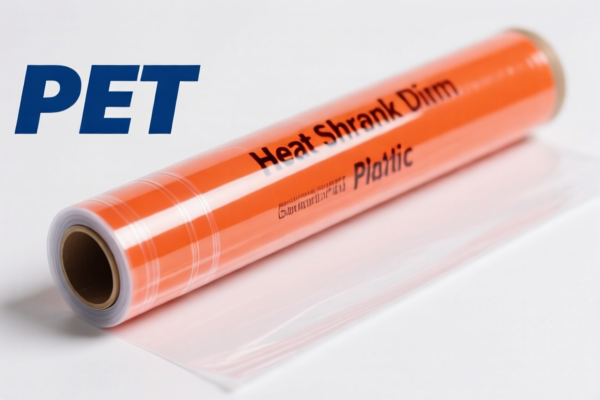
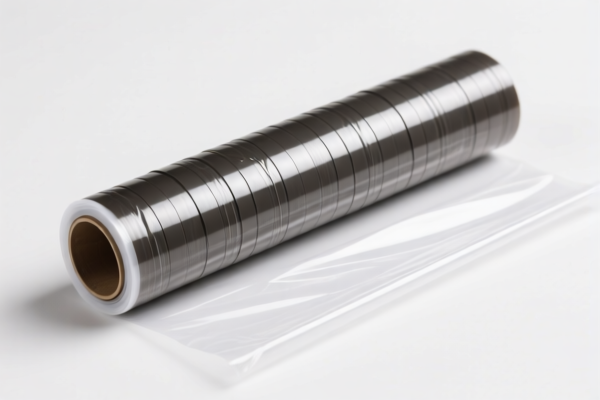
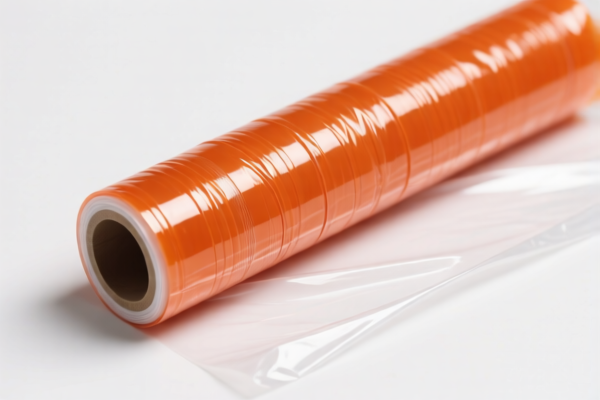
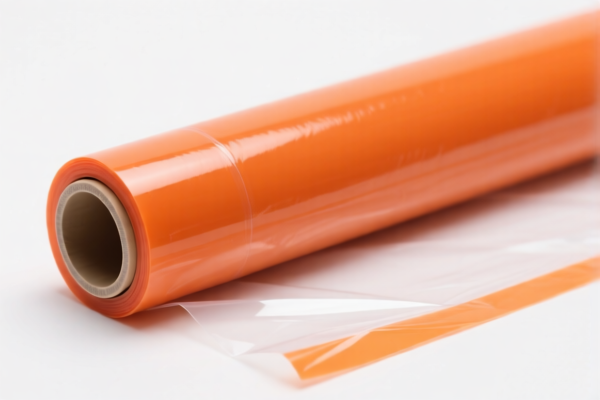
AI Analysis
🔥 PET Plastic Heat Shrink Film – HS Code & Tariff Guide (2026 Update)
🌐 HS Code Classification & Customs Clearance Strategy | 2026 U.S. Tariff Deep Dive | Expert-Level Compliance Blueprint
📌 Understanding the True Nature of PET Heat Shrink Film: Why It’s Not Just “Plastic Film”
PET (Polyethylene Terephthalate) Heat Shrink Film is a high-performance, thermoplastic polymer used extensively in packaging, electronics, and industrial insulation. Despite its simple appearance, its classification hinges on material composition, physical form, and end-use — especially whether it’s used for electrical insulation or general packaging.
⚠️ Critical Insight:
- If the film is used for electrical insulation in machines, it falls under 8547.90.00.10 or 8547.20.00.00 — higher tariffs apply.
- If it’s purely a flexible plastic film for packaging, it may fall under 3919.10.20.20, 3920.99.20.00, or 3919.90.50.30 — lower base tariff, but still subject to massive附加 taxes.
📦 2026 HS Code Breakdown (U.S. Tariff Authority – All Data from Official Source)
| HS Code | Product Description | Matching Criteria | Tax Rate | Key Trigger |
|---|---|---|---|---|
8547.90.00.10 |
PET plastic insulation film, used as insulating material or electrical machine accessory | ✅ PET material ✅ Insulating function ✅ Matches electrical machine use |
89.6% | Insulation + electrical application |
3919.10.20.20 |
PET plastic film, matching plastic material, film form, and insulation function | ✅ PET ✅ Film shape ✅ Insulation purpose |
40.8% | No electrical machine link |
3920.99.20.00 |
PET plastic film, matching plastic material and flexible film form | ✅ PET ✅ Flexible membrane ✅ No specific electrical use |
39.2% | General flexible film |
8547.20.00.00 |
PET plastic insulation film, matching plastic material, insulation purpose, and accessory shape | ✅ PET ✅ Insulation ✅ Accessory form |
35.0% | Low base tariff, but high附加 |
3919.90.50.30 |
PET plastic film, matching plastic material, film form, and electrical insulation use | ✅ PET ✅ Film ✅ Electrical insulation |
40.8% | Same as 3919.10.20.20 |
🔍 Why This Matters:
- Same product, different HS codes → 54.6% difference in total tax!
- The end-use (especially electrical insulation) determines the HS code, not just the material.
💰 2026 U.S. Tariff Breakdown: The Hidden Tax Bomb
✅ Applicable to: All imports from China (CN)
✅ Effective Date: November 10, 2025
✅ Legal Basis: U.S. Trade Act Section 301, IEEPA, and Section 122 of U.S. Tariff Act
🎯 1. 8547.90.00.10 – PET Insulation Film (Electrical Use)
| Tax Component | Rate | Legal Basis | Notes |
|---|---|---|---|
| Base Tariff | 4.6% | HTSUS 8547.90.00.10 | Standard rate |
| Section 301 (USITC) Additional Duty | +25.0% | USITC Footnote 9903.88.01 | Applies to China-origin goods |
| Section 122 (Steel/Aluminum/Copper) Additional Duty | +50% | HTSUS 9903.01.25 | Applies to all metal-containing or metal-related components |
| IEEPA (International Emergency Economic Powers Act) | +10% | IEEPA 9903.01.24 | Applies to all Chinese-origin goods |
| Total Effective Duty | 89.6% | — | Extremely high |
📌 Critical Warning:
- Even if the film is pure PET, if it's used in electrical machines, it triggers Section 122’s 50% surcharge — because it's an "electrical machine accessory". - This is not a typo — 50% on top of 25% + 10% + 4.6% = 89.6%.
🎯 2. 3919.10.20.20 – PET Film (General Insulation Use)
| Tax Component | Rate | Legal Basis | Notes |
|---|---|---|---|
| Base Tariff | 5.8% | HTSUS 3919.10.20.20 | Slightly higher base |
| Section 301 (USITC) | +25.0% | USITC 9903.88.01 | Applies |
| IEEPA | +10% | IEEPA 9903.01.24 | Applies |
| Section 122 (Steel/Aluminum/Copper) | ❌ Not triggered | — | No metal-related use |
| Total Effective Duty | 40.8% | — | Still very high |
📌 Key Difference:
- No 50% Section 122 surcharge because it’s not classified as an electrical machine accessory. - Still 40.8% due to 25% + 10% + 5.8%.
🎯 3. 3920.99.20.00 – PET Flexible Film (No Electrical Use)
| Tax Component | Rate | Legal Basis | Notes |
|---|---|---|---|
| Base Tariff | 4.2% | HTSUS 3920.99.20.00 | Lowest base |
| Section 301 (USITC) | +25.0% | USITC 9903.88.01 | Applies |
| IEEPA | +10% | IEEPA 9903.01.24 | Applies |
| Section 122 | ❌ Not triggered | — | No electrical use |
| Total Effective Duty | 39.2% | — | Slight saving vs. others |
📌 Best Option for Non-Electrical Use:
- If the film is only for packaging, wrapping, or non-electrical insulation, this is the most favorable code.
🎯 4. 8547.20.00.00 – PET Insulation Film (General Electrical Use)
| Tax Component | Rate | Legal Basis | Notes |
|---|---|---|---|
| Base Tariff | 0.0% | HTSUS 8547.20.00.00 | Zero base |
| Section 301 (USITC) | +25.0% | USITC 9903.88.01 | Applies |
| IEEPA | +10% | IEEPA 9903.01.24 | Applies |
| Section 122 | ❌ Not triggered | — | Only if not used as accessory |
| Total Effective Duty | 35.0% | — | Lowest among electrical-insulation codes |
📌 Strategic Insight:
- Zero base tariff + only 25% + 10% = 35.0% total → Best for electrical insulation if not an accessory.
🎯 5. 3919.90.50.30 – PET Film (Electrical Insulation Use)
| Tax Component | Rate | Legal Basis | Notes |
|---|---|---|---|
| Base Tariff | 5.8% | HTSUS 3919.90.50.30 | Same as 3919.10.20.20 |
| Section 301 (USITC) | +25.0% | USITC 9903.88.01 | Applies |
| IEEPA | +10% | IEEPA 9903.01.24 | Applies |
| Section 122 | ❌ Not triggered | — | No accessory use |
| Total Effective Duty | 40.8% | — | Same as 3919.10.20.20 |
📌 Same as 3919.10.20.20 — no advantage.
🛠️ 4. Customs Clearance Best Practices (Pro Tips to Avoid Disaster)
✅ 1. Must-Have Documentation (Don’t Skip!)
| Document | Required? | Why It Matters |
|---|---|---|
| ✅ Product Technical Specs | ✔️ | Prove material (PET), thickness, shrink ratio, insulation rating |
| ✅ Application Diagram / Use Case | ✔️ | Show if used in electrical machines or only packaging |
| ✅ Product Photos (Label, Packaging, Film) | ✔️ | Clear proof of form and use |
| ✅ Third-Party Test Report (e.g., UL, RoHS, IEC) | ✔️ | Support insulation claims |
| ✅ Commercial Invoice | ✔️ | Must state exact use: “For packaging” vs “For electrical insulation in motors” |
| ✅ Certificate of Origin (CO) | ✔️ | If from Vietnam/Mexico, may avoid 301/IEEPA |
| ✅ Packing List | ✔️ | Show if film is shipped with electrical components |
✅ 2.申报技巧(申报口诀)
🔥 “Use Case Rules All: Insulation = 8547, Packaging = 3919/3920”
| Scenario | Correct HS Code | Wrong Code | Risk |
|---|---|---|---|
| Film used to insulate motor windings | 8547.90.00.10 |
3919.10.20.20 |
+54.6% tax, penalties |
| Film used for product packaging | 3920.99.20.00 |
8547.20.00.00 |
+35% tax, delay |
| Film used as insulation accessory in machine | 8547.90.00.10 |
8547.20.00.00 |
+54.6% tax, 50% Section 122 surcharge |
| Film not electrical, just flexible | 3920.99.20.00 |
3919.10.20.20 |
Slight savings |
✅ 3. Special Cases & Workarounds
| Situation | Solution |
|---|---|
| Film shipped with electrical parts | Do NOT combine — declare separately. If film is accessory → 8547.90.00.10 → 89.6% |
| Film used in medical devices | Apply for non-commercial exemption — requires documentation |
| Film from Vietnam/Mexico | Apply for CO → may avoid 301/IEEPA → only 0–5% tariff |
| Custom formulation (e.g., flame-retardant) | Provide material safety data sheet (MSDS) → supports insulation claim |
🌍 5. Global Tariff Comparison (2026)
| Country | Recommended HS Code | Tariff | Certification | Notes |
|---|---|---|---|---|
| 🇺🇸 U.S. | 8547.90.00.10 |
89.6% | FCC, UL, RoHS | Highest risk |
| 🇨🇳 China | 3920.99.20.00 |
5% | CCC | No extra tax |
| 🇪🇺 EU | 3920.99.20.00 |
0% (if CE) | CE | No 301/IEEPA |
| 🇦🇺 Australia | 3920.99.20.00 |
5% | RCM | No extra |
| 🇯🇵 Japan | 3920.99.20.00 |
0% | PSE | No extra |
📌 Insight:
- Only the U.S. imposes 301/IEEPA/122 surcharges. - Vietnam/Mexico origin = dramatic savings.
📌 6. Common Mistakes & Legal Risks (Avoid These!)
❌ Mistake 1: Declaring electrical insulation film as "general packaging film"
👉 Result: 89.6% → 39.2% → Underpaid duty → penalties + interest
❌ Mistake 2: Shipping film with motors and calling it "packaging"
👉 Result: Treated as accessory → 8547.90.00.10 → 89.6% → huge cost
❌ Mistake 3: No use case description in invoice
👉 Result: Customs assumes electrical use → highest tariff applied
❌ Mistake 4: Using “PET film” as name, not “heat shrink film for electrical insulation”
👉 Result: Misclassification risk → delay, audit, or seizure
✅ Correct Declaration Example:
“PET Heat Shrink Film, 50μm, 25% shrink ratio, for packaging of consumer electronics, not for electrical insulation. Material: PET, Form: Flexible Film, Use: Non-electrical wrapping. Not an accessory to electrical machine.”
🎯 7. Final Verdict: How to Win the Tariff War
🔥 Rule of Thumb:
- If it’s for electrical insulation → Use8547.20.00.00(35.0%) if not an accessory, or8547.90.00.10(89.6%) if it is.
- If it’s for packaging → Use3920.99.20.00(39.2%).
- If from Vietnam/Mexico → Avoid 301/IEEPA entirely → 0–5%.💡 Pro Tip:
Apply for an Advance Ruling (Pre-Clearance) before shipment — $500–$2,000 fee, but saves $100,000+ in risk.
📣 Take Action Now:
📞 Contact a U.S. Customs Broker + Submit product specs + Request HS Code Pre-Ruling
🚀 Avoid 89.6% tax, prevent delays, and ship with confidence!
✨ Your Product. Your Tax. Your Control.
💼 Precision in Classification = Profit in Export.
Customer Reviews
About HS Code Classification
The Harmonized System (HS) is an internationally standardized nomenclature developed by the World Customs Organization (WCO) to classify traded products. Over 200 countries use the HS system as the basis for customs tariffs, trade statistics, and import/export regulations.
Each HS code follows a hierarchical structure:
- Chapter (2 digits) — Broad category of goods (e.g., Chapter 84: Machinery and Mechanical Appliances)
- Heading (4 digits) — More specific grouping within the chapter
- Subheading (6 digits) — Internationally standardized breakdown, used by all WCO member countries
- National subdivisions (8-10 digits) — Country-specific extensions for further classification, such as US HTSUS 10-digit codes
Correct HS code classification is essential for smooth customs clearance, accurate duty payment, and compliance with trade regulations. Misclassification can lead to customs delays, overpayment of duties, or penalties.
When importing from CN to US, the applicable tariff rates may include:
- Most-Favored-Nation (MFN) rate — The standard duty rate applied to WTO members
- General rate — Applied to countries without trade agreements
- Trade remedy duties — Additional tariffs such as Section 301 (anti-dumping), Section 232 (national security), or countervailing duties
The information provided on this page is for reference purposes only. For official classification, please consult with your local customs authority or a licensed customs broker.