PET Plastic Injection Molding Waste
CN → US| HS Code | Tariff Rate | Origin | Destination | Doc |
|---|---|---|---|---|
| 3926904590 | 38.5% | CN | US | Official Doc |
| 3915900010 | 35.0% | CN | US | Official Doc |
| 3907995010 | 41.5% | CN | US | Official Doc |
| 3907995050 | 41.5% | CN | US | Official Doc |
| 3926909989 | 22.8% | CN | US | Official Doc |
Product Images


AI Analysis
🏭 PET Plastic Injection Molding Waste (Recyclable Scrap)
🌐 HS Code Reference & Customs Clearance Guide | 2026 Latest Tariff Analysis | Professional Clearance Strategy
📌 I. Product Definition & Classification: Do You Truly Understand "PET Scrap"?
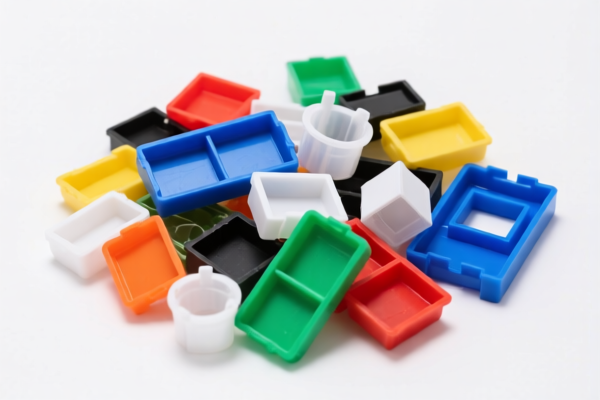
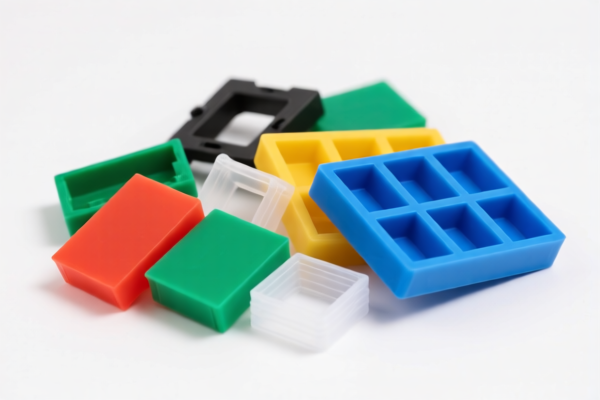
PET (Polyethylene Terephthalate) Injection Molding Waste refers to the byproducts generated during the plastic injection molding process. These are typically sprues, runners, rejected parts, or trimmings that have lost their original shape and function as finished goods. In international trade, the classification hinges on two critical factors: 1. Material State: Is it raw polymer chips (Chapter 3907) or processed waste/scrap (Chapter 3915/3926)? 2. Processing Level: Has it been granulated/melted into primary forms, or is it still physical scrap?
⚠️ Key Distinction Point:
- If the PET is granulated, crushed, or in waste form → Classified under 3915 (Waste and Scrap) or 3926 (Other Articles).
- If the PET has been melted and re-solidified into chips/pellets (Primary Shape) → Classified under 3907 (Polymers in Primary Forms).
- Note: The input data specifically identifies this as "Waste" (废料), so we focus on waste-related codes.
📦 II. HS Code Classification Details (2026 Latest Tariff Authority Comparison)
| HS Code | Product Description | Applicable Scenario | Total Tax Rate | Tax Detail Breakdown |
|---|---|---|---|---|
3915.90.00.10 |
PET Plastic Waste | Best Match. Physical scrap, sprues, runners, or rejected molded parts. Material and form are consistent with "Waste." | 35.0% | Base: 0.0%, Additional: 25.0%, Section 301/122: 10% |
3926.90.45.90 |
Other Plastic Articles | Alternative. If the waste is considered a "finished plastic article" rather than pure scrap (less common for loose waste). | 38.5% | Base: 3.5%, Additional: 25.0%, Section 122: 10% |
3907.99.50.10 |
Other Polyesters (Primary Forms) | Mismatch Risk. If customs mistakenly views the waste as processed chips/pellets. Logic: Consistent with polyester material attributes. | 41.5% | Base: 6.5%, Additional: 25.0%, Section 122: 10% |
3907.99.50.50 |
Other Polyesters (Primary Forms) | Mismatch Risk. Similar to above. Attributes consistent, but form (waste vs. primary) may be disputed. | 41.5% | Base: 6.5%, Additional: 25.0%, Section 122: 10% |
3926.90.99.89 |
Other Plastic Articles | Lowest Risk Option. General "Other" category for plastic articles not elsewhere specified. | 22.8% | Base: 5.3%, Additional: 7.5%, Section 122: 10% |
🔍 Priority Analysis:
-3915.90.00.10is the most accurate classification for physical PET waste/scrap because it explicitly covers "Waste and Scrap of plastics."
-3926.90.99.89offers the lowest tax rate (22.8%) but carries a higher risk of being challenged if the goods are clearly identifiable as industrial waste.
-3907.xxxxcodes are generally for raw material chips, not physical scrap. Using these for scrap may lead to disputes unless the waste has been heavily processed into uniform pellets.
💰 III. 2026 Latest Tariff Rate Details (Including Surcharges & Policy Add-ons)
✅ Applicable Country: United States (US)
✅ Origin: China (CN)
✅ Effective Time: From November 10, 2025 (Including subsequent imports)
🎯 1. 3915.90.00.10 —— PET Plastic Waste (Recommended Classification)
| Item | Content |
|---|---|
| Base Duty Rate | 0.0% (Ad Valorem) |
| USITC Additional Duty | +25.0% (Under Section 301 of the Trade Act) |
| IEEPA/Section 122 Duty | +10.0% (Targeting Chinese Products) |
| Total Effective Rate | 35.0% |
| Tax Calculation | CIF Value × 35% |
| De Minimis Eligibility | ❌ Not Eligible (Deny De Minimis) |
| Legal Basis Path | IEEPA:9903.01.25 → USITC:3915.90.00.10 → FOOTNOTE:9903.88.01 |
📌 Explanation:
- The 0% base rate makes this category attractive, but the 25% Section 301 tariff is significant.
- The 10% Section 122/IEEPA tariff applies specifically to goods originating from China.
- Total: 35%. This is a high tariff compared to domestic alternatives.
🎯 2. 3926.90.99.89 —— Other Plastic Articles (Lowest Tax Option)
| Item | Content |
|---|---|
| Base Duty Rate | 5.3% (Ad Valorem) |
| USITC Additional Duty | +7.5% (Reduced Section 301 rate for certain exclusions) |
| IEEPA/Section 122 Duty | +10.0% |
| Total Effective Rate | 22.8% |
| Tax Calculation | CIF Value × 22.8% |
| De Minimis Eligibility | ❌ Not Eligible |
| Legal Basis Path | IEEPA:9903.01.24 → USITC:3926.90.99.89 → FOOTNOTE:9903.01.24 |
📌 Note:
- This code has a lower total tax (22.8%) than the waste code.
- However, using this for "waste" requires careful justification that the items are "articles" (e.g., pre-cut sheets or specific shapes) rather than loose scrap.
- The 7.5% additional duty suggests potential exclusion eligibility or a different Section 301 list.
🎯 3. 3907.99.50.10 / 50 —— Polyesters in Primary Forms (Highest Risk/Rate)
| Item | Content |
|---|---|
| Base Duty Rate | 6.5% |
| USITC Additional Duty | +25.0% |
| IEEPA/Section 122 Duty | +10.0% |
| Total Effective Rate | 41.5% |
| Tax Calculation | CIF Value × 41.5% |
| De Minimis Eligibility | ❌ Not Eligible |
| Legal Basis Path | IEEPA:9903.01.25 → USITC:3907.99.50.10 → FOOTNOTE:9903.88.01 |
📌 Warning:
- Highest tax rate (41.5%).
- Misclassifying waste as "primary form" (pellets/chips) is a common audit trigger.
- Only use if the waste has been professionally granulated and meets the definition of "primary forms" in the HTSUS.
🛠️ IV. Customs Clearance Practical Advice (Real-World Pitfall Guide)
✅ 1. Preparation Checklist (Non-Negotiable)
| Document | Required | Description |
|---|---|---|
| ✅ Product Specification Sheet | ✔️ | Detail the PET grade (e.g., Bottle Grade, Industrial), color, and contamination level. |
| ✅ Photos of the Material | ✔️ | Show the waste state (sprues, runners, crushed flakes). Must match the declared HS. |
| ✅ Commercial Invoice | ✔️ | Clearly state "PET Plastic Injection Molding Waste" or "PET Scrap." Avoid vague terms like "Plastic Parts." |
| ✅ Certificate of Origin | ✔️ | Essential for determining Section 301 and IEEPA applicability. |
| ✅ Packaging List | ✔️ | Specify net/gross weight. Waste is often heavy due to moisture/content. |
| ✅ Third-Party Report | ✔️ | If claiming "Primary Forms" (3907), provide proof of granulation/pelletizing process. |
✅ 2. Declaration Tips (Key Mantra)
🔥 “State ‘Waste’ if it’s scrap, ‘Primary Form’ if it’s pellets. Be honest, or pay double!”
| Scenario | Correct Declaration | Wrong Practice |
|---|---|---|
| Loose sprues/runners | 3915.90.00.10 (35%) |
Misdeclare as 3926 (22.8%) → Risk of penalty |
| Crushed flakes/granules | 3915.90.00.10 (35%) OR 3907.99.50.10 (41.5%) depending on uniformity |
Ambiguous description |
| Clean, uniform PET chips | 3907.99.50.10 (41.5%) |
Declare as "Waste" to save tax → Audit risk |
| Mixed plastic waste | Do Not Import as PET | Mixed waste often banned or taxed higher |
✅ 3. Special Circumstances Handling
| Situation | Recommendation |
|---|---|
| Contaminated Waste | If mixed with labels/glue, it may be classified as mixed waste (higher duty or banned). Cleanliness is key. |
| OEM Scrap | If returned from a US customer, consider "Returned Goods" (duty-free) if within 3 years. |
| Recycling Facility | Ensure the receiving facility is EPA-registered if importing recycled plastic. |
| Section 301 Exclusion | Check if your specific PET waste type has an exclusion code. If yes, additional duty may be waived. |
🌍 V. Global Market Clearance Comparison (2026 Latest)
| Country/Region | Recommended HS Code | Duty Rate | Certification | Notes |
|---|---|---|---|---|
| 🇺🇸 USA | 3915.90.00.10 |
35.0% | No specific | High tax due to Section 301 + 122 |
| 🇨🇳 China | 3915.90.00.10 |
5.0% | No specific | No additional tariffs for imports |
| 🇪🇺 EU | 3915.90.00 |
0.0% | REACH + WEEE | Free trade for plastic waste (if clean) |
| 🇬🇧 UK | 3915.90.00 |
0.0% | UKCA | Post-Brexit alignment with EU |
| 🇨🇦 Canada | 3915.90.00 |
0.0% | No specific | No additional tariffs |
📌 Conclusion:
- USA is the most expensive market due to layered tariffs (Base + 301 + IEEPA).
- EU/Canada/China offer significantly lower duties (0-5%), making them more attractive for PET waste recycling imports.
- Strategy: If exporting to the US, ensure high cleanliness to justify3915and avoid misclassification penalties.
📌 VI. Common Errors & Pitfall Guide (Blood-Tested Lessons)
❌ Error 1: Calling "PET Waste" "Plastic Pellets"
👉 Consequence: Customs may assign 3907 (41.5%) if they see pellets, or reject if they see loose waste but read "pellets."
❌ Error 2: Under-declaring weight
👉 Consequence: FDA/USCBP inspection reveals mismatch → Fine + Detention.
❌ Error 3: Ignoring "Section 122" (10%)
👉 Consequence: Underestimating landed cost. Budget for 35%+ tax, not just 0-5%.
❌ Error 4: Mixed Contamination
👉 Consequence: If waste contains non-PET materials, it may be classified as "Mixed Waste" (higher duty or prohibited).
✅ Correct Action:
"PET Injection Molding Waste, Sprues & Runners, Clean, Unmixed, 100% PET, Granulated/Crushed, For Recycling Only"
🎯 VII. Conclusion: Professional Declaration, Save Costs, Avoid Delays!
🎯 Remember the Mantra:
🔹 “Waste is 3915 (35%), Primary is 3907 (41.5%), Other is 3926 (22.8%). Choose wisely!”
🔹 “Clean waste saves fines, accurate description saves taxes.”
📌 Pro Tip:
If your PET waste is exclusively from US manufacturing returns, apply for Duty Relief under HTSUS 9801.00.00 (Returned Articles). This can reduce the 35% tax to 0% if conditions are met.
For new imports, apply for a Binding Ruling from CBP to lock in the 3915.90.00.10 classification and avoid disputes.
📣 Immediate Action:
📞 Contact a licensed customs broker + Provide Photos + Apply for Pre-Ruling
🚀 Ensure your PET waste clears customs smoothly, efficiently, and at the lowest legal cost!
✨ Professional Customs Clearance Starts with Accurate Classification!
💼 Every cent of tax saved is pure profit!
Customer Reviews
About HS Code Classification
The Harmonized System (HS) is an internationally standardized nomenclature developed by the World Customs Organization (WCO) to classify traded products. Over 200 countries use the HS system as the basis for customs tariffs, trade statistics, and import/export regulations.
Each HS code follows a hierarchical structure:
- Chapter (2 digits) — Broad category of goods (e.g., Chapter 84: Machinery and Mechanical Appliances)
- Heading (4 digits) — More specific grouping within the chapter
- Subheading (6 digits) — Internationally standardized breakdown, used by all WCO member countries
- National subdivisions (8-10 digits) — Country-specific extensions for further classification, such as US HTSUS 10-digit codes
Correct HS code classification is essential for smooth customs clearance, accurate duty payment, and compliance with trade regulations. Misclassification can lead to customs delays, overpayment of duties, or penalties.
When importing from CN to US, the applicable tariff rates may include:
- Most-Favored-Nation (MFN) rate — The standard duty rate applied to WTO members
- General rate — Applied to countries without trade agreements
- Trade remedy duties — Additional tariffs such as Section 301 (anti-dumping), Section 232 (national security), or countervailing duties
The information provided on this page is for reference purposes only. For official classification, please consult with your local customs authority or a licensed customs broker.