PET Plastic Laminated Material
CN → US| HS Code | Tariff Rate | Origin | Destination | Doc |
|---|---|---|---|---|
| 3907992000 | 35.0% | CN | US | Official Doc |
| 3907995010 | 41.5% | CN | US | Official Doc |
| 3907610050 | 41.5% | CN | US | Official Doc |
| 3919102055 | 40.8% | CN | US | Official Doc |
| 3907995010 | 41.5% | CN | US | Official Doc |
Product Images
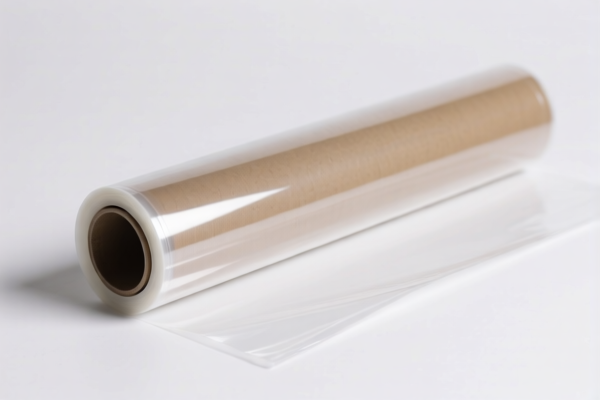
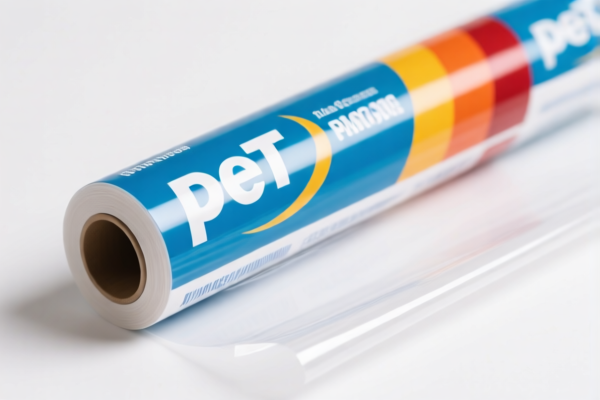
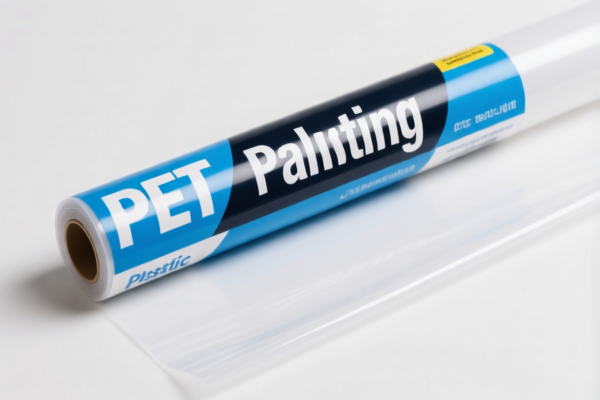
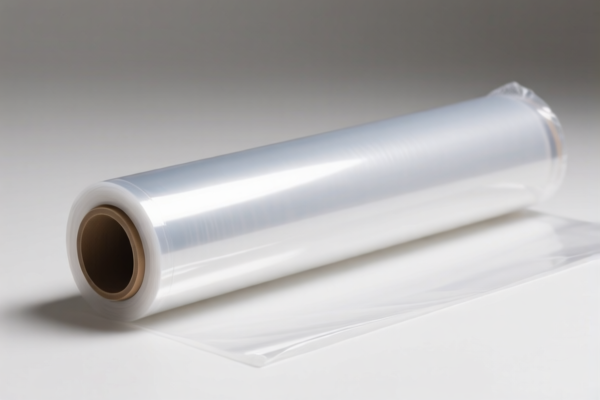
AI Analysis
🧪 PET Plastic Laminated Material (聚酯类塑料层压/基材)
🌐 HS Code Reference & Customs Clearance Guide | 2026 Latest Tariff Analysis | Professional Level Clearance Strategy
📌 I. Product Definition & Classification: Do You Really Understand "PET Plastic"?
PET (Polyethylene Terephthalate) plastic materials are widely used in packaging, electronics, and industrial applications. In international trade, the classification depends heavily on the physical form (granules, films, sheets) and processing stage (raw material vs. semi-finished product).
According to the provided <DATA>, PET materials are categorized under Chapter 39 (Plastics and Articles Thereof), specifically heading 3907 (Polyacetals, other polyethers, and epoxide resins; polysulfones, polycarbonates, polyallyl esters and other polyesters, in primary forms) and 3919 (Self-adhesive plates, sheets, film, foil, tape, strip and other flat shapes, of plastics).
⚠️ Key Distinction:
- If the material is regenerated/recycled granules →归入 3907.99.20.00
- If the material is films or sheets (semi-finished) →归入 3919.10.20.55 or 3907 series depending on thickness and specific structure.
📦 II. HS Code Classification Details (2026 Latest Tariff Authority Comparison)
Based strictly on the provided <DATA>, here are the applicable HS Codes and their specific descriptions:
| HS Code | Product Description (from Data) | Key Characteristics |
|---|---|---|
3907.99.20.00 |
PET Plastic Regenerated Material, classified as polyester in primary forms. | Regenerated/Recycled. Granules or pellets. Primary form. |
3907.99.50.10 |
PET Plastic Base Material, classified as polyester in primary forms or semi-finished. | Base Material. Primary form or semi-finished. General polyester category. |
3907.61.00.50 |
PET Plastic Base Material, classified under polymer/resin category in primary forms. | Base Material. Specific polymer/resin sub-category. Primary form. |
3919.10.20.55 |
PET Plastic Base Material, classified as plastic film or sheet in primary forms. | Film/Sheet Form. Specifically flat shapes/films. |
3907.99.50.10 |
PET Plastic Base Material, classified based on polyester material attributes. | Redundant/Alternative Entry. Same code as above, emphasizing polyester attribute. |
🔍 Critical Reminder:
- Regenerated vs. Virgin: Code3907.99.20.00is specifically for regenerated (recycled) material. If your PET is virgin, do not use this code.
- Form Matters: If the PET is in the form of films or sheets,3919.10.20.55is highly relevant. If it is in primary forms (like resin/resin sheets that are not yet processed into final shapes),3907.99.50.10or3907.61.00.50may apply.
- Consistency: Note that3907.99.50.10appears twice in the data with slightly different summaries but identical tax details. This indicates flexibility in descriptive labeling while maintaining the same tariff treatment.
💰 III. 2026 Latest Tariff Rate Details (Including Surtaxes & Policy Add-ons)
✅ Applicable Country: United States (US)
✅ Origin: China (CN)
✅ Effective Date: Current trade relations apply (Section 301 & IEEPA surtaxes active)
All codes in the <DATA> share a common tax structure due to the China origin and Section 301/IEEPA measures.
🎯 1. For 3907.99.20.00 (Regenerated PET)
| Item | Details |
|---|---|
| Basic Tariff Rate | 0.0% (MFN Rate) |
| Section 301 Surtax | +25.0% |
| 122 Clause Tariff | +10.0% |
| Total Tax Rate | 35.0% |
| Tax Calculation | CIF Value × 35% |
| De Minimis Exemption | ❌ Not Applicable (High tariff rates usually exclude de minimis benefits or are explicitly denied depending on specific USCBP rules for Section 301 goods) |
| Legal Basis Path | MFN: 0% → Section 301: +25% → IEEPA/122 Clause: +10% → Total 35% |
📌 Explanation:
- 0% Base: Standard MFN tariff for some polyester primary forms is often low or zero.
- 25% Section 301: Standard US surtax on Chinese goods under List 4A/4B (Plastics often fall here).
- 10% 122 Clause: Refers to specific additional duties or IEEPA provisions targeting Chinese imports.
- Total 35%: This is a significant cost burden. Accurate classification is crucial because errors can lead to audits or penalties.
🎯 2. For 3907.99.50.10 & 3907.61.00.50 (Base Material/Resin)
| Item | Details |
|---|---|
| Basic Tariff Rate | 6.5% |
| Section 301 Surtax | +25.0% |
| 122 Clause Tariff | +10.0% |
| Total Tax Rate | 41.5% |
| Tax Calculation | CIF Value × 41.5% |
| De Minimis Exemption | ❌ Not Applicable |
| Legal Basis Path | MFN: 6.5% → Section 301: +25% → IEEPA/122 Clause: +10% → Total 41.5% |
📌 Explanation:
- 6.5% Base: Higher base tariff for certain polyester resins/base materials compared to regenerated ones.
- Total 41.5%: Even higher than regenerated PET. This underscores the importance of distinguishing between regenerated and virgin/base materials.
🎯 3. For 3919.10.20.55 (Film/Sheet Form)
| Item | Details |
|---|---|
| Basic Tariff Rate | 5.8% |
| Section 301 Surtax | +25.0% |
| 122 Clause Tariff | +10.0% |
| Total Tax Rate | 40.8% |
| Tax Calculation | CIF Value × 40.8% |
| De Minimis Exemption | ❌ Not Applicable |
| Legal Basis Path | MFN: 5.8% → Section 301: +25% → IEEPA/122 Clause: +10% → Total 40.8% |
📌 Explanation:
- 5.8% Base: Film/sheet forms have a moderate base tariff.
- Total 40.8%: Slightly lower than resin/base material (41.5%) but still very high.
- Note: Films may require additional certification (e.g., food contact, thickness specifications) for customs clearance.
🛠️ IV. Customs Clearance Practical Advice (Combat Pitfall Guide)
✅ 1. Required Documentation Checklist (No Exceptions)
| Document | Required | Notes |
|---|---|---|
| ✅ Product Specification Sheet | ✔️ | Must specify: PET type (Virgin/Regenerated), thickness, width, color, physical state (granules/film). |
| ✅ Certificate of Origin (CO) | ✔️ | Essential for determining origin-based surtaxes. Must indicate China origin. |
| ✅ Commercial Invoice | ✔️ | Clear description: "PET Plastic [Regenerated/Base] Material", HS Code, CIF Value. |
| ✅ Packing List | ✔️ | Detail net/gross weight, number of packages. |
| ✅ Lab Test Report | ✔️ | Critical for Regenerated PET: Proves material composition and recycled content if claiming 3907.99.20.00. |
| ✅ Safety Data Sheet (SDS) | ✔️ | For chemical handling and customs safety checks. |
✅ 2. Declaration Strategy (Key Mnemonics)
🔥 "Form Defines Code, Origin Defines Tax!"
| Scenario | Correct Declaration | Wrong Practice | Risk |
|---|---|---|---|
| Regenerated PET Granules | 3907.99.20.00 (35%) |
Declare as Virgin Resin | Under-declaration Penalty + Back taxes |
| Virgin PET Resin/Resin Sheets | 3907.99.50.10 (41.5%) or 3907.61.00.50 (41.5%) |
Declare as Regenerated | Over-declaration/Classification Error |
| PET Film/Sheets | 3919.10.20.55 (40.8%) |
Declare as Granules | Customs Rejection + Delay |
| Mixed Packaging | Separate HS Codes per item | Bundle under one HS Code | Complex Audit + High Risk |
✅ 3. Special Circumstances Handling
| Situation | Handling Advice |
|---|---|
| OEM Custom PET Films | Provide customer order + technical drawings. Specify thickness and width clearly to support 3919 classification. |
| Recycled PET with Mixed Content | If >50% recycled, 3907.99.20.00 may apply. Ensure lab tests confirm recycled content. |
| PET Used for Food Packaging | If in film form, ensure compliance with FDA regulations. Provide food-contact compliance certificates. |
| High-Value Premium PET | Consider Advance Ruling from US CBP to lock in classification and avoid post-import audits. |
🌍 V. Global Market Clearance Comparison (2026 Latest)
| Country/Region | Recommended HS Code | Tariff (China Origin) | Certification Requirements | Notes |
|---|---|---|---|---|
| 🇺🇸 USA | 3907.99.20.00 / 3907.99.50.10 / 3919.10.20.55 |
35% - 41.5% | None specific for plastic (except food contact) | Highest Surtax Risk. Section 301 + 122 Clause apply. |
| 🇨🇳 China | 3907.99.20.00 / 3907.99.50.10 |
5% - 6.5% | CCC (if applicable) | Lower base tariff, no Section 301. |
| 🇪🇺 EU | 3907.99.00 / 3919.10 |
0% - 5% | REACH Registration | No equivalent to Section 301. REACH compliance is key. |
| 🇯🇵 Japan | 3907.99 / 3919.10 |
0% - 3% | PSE (if electrical components) | Free trade agreements may apply depending on origin. |
📌 Conclusion:
- USA is the most challenging market for PET imports from China due to high combined tariffs (up to 41.5%).
- Accurate classification between "Regenerated" and "Virgin/Base" can save up to 6.5% in tariffs.
- Film/Sheet forms have slightly lower base tariffs but still face high surtaxes.
📌 VI. Common Mistakes & Pitfall Guide (Lessons Learned)
❌ Mistake 1: Classifying Virgin PET as Regenerated PET (3907.99.20.00)
👉 Consequence: Customs may reject due to lack of recycled content proof. Back taxes + Fines!
❌ Mistake 2: Classifying PET Films under Resin Codes (3907)
👉 Consequence: Incorrect tariff rate (41.5% vs 40.8%) and potential classification error. Audit Risk!
❌ Mistake 3: Ignoring Section 301 & 122 Clause surtaxes
👉 Consequence: Underestimating landed cost. Profit Margin Erosion!
❌ Mistake 4: Vague Description on Invoice ("Plastic Material")
👉 Consequence: Customs delays for clarification. Demurrage Charges!
✅ Correct Practice:
"PET Regenerated Granules, 25kg/Bag, MFV Grade, For Recycling, HS Code 3907.99.20.00"
OR
"PET Base Film, 0.1mm Thick, Clear, For Packaging, HS Code 3919.10.20.55"
🎯 VII. Conclusion: Precise Classification Saves Money!
🎯 Remember the Mantra:
🔹 "Regenerated is 35%, Base is 41.5%, Film is 40.8%!"
🔹 "Form defines Code, Origin defines Tax, Description must be Clear!"
📌 Tips:
- If your PET is not from China (e.g., Vietnam, Thailand), you MAY be exempt from Section 301 and 122 Clause surtaxes. Check Certificate of Origin carefully!
- For high-volume imports, apply for an Advance Ruling from US CBP to ensure correct classification and avoid post-import liabilities.
📣 Immediate Action:
📞 Consult with a licensed Customs Broker + Provide Product Specs + Apply for HS Code Pre-ruling (if high value)
🚀 Let your PET materials clear smoothly, reduce costs, and boost profitability!
✨ Professional Clearance Starts with Accurate Classification!
💼 Every Percent of Tariff Saved is Pure Profit!
Customer Reviews
About HS Code Classification
The Harmonized System (HS) is an internationally standardized nomenclature developed by the World Customs Organization (WCO) to classify traded products. Over 200 countries use the HS system as the basis for customs tariffs, trade statistics, and import/export regulations.
Each HS code follows a hierarchical structure:
- Chapter (2 digits) — Broad category of goods (e.g., Chapter 84: Machinery and Mechanical Appliances)
- Heading (4 digits) — More specific grouping within the chapter
- Subheading (6 digits) — Internationally standardized breakdown, used by all WCO member countries
- National subdivisions (8-10 digits) — Country-specific extensions for further classification, such as US HTSUS 10-digit codes
Correct HS code classification is essential for smooth customs clearance, accurate duty payment, and compliance with trade regulations. Misclassification can lead to customs delays, overpayment of duties, or penalties.
When importing from CN to US, the applicable tariff rates may include:
- Most-Favored-Nation (MFN) rate — The standard duty rate applied to WTO members
- General rate — Applied to countries without trade agreements
- Trade remedy duties — Additional tariffs such as Section 301 (anti-dumping), Section 232 (national security), or countervailing duties
The information provided on this page is for reference purposes only. For official classification, please consult with your local customs authority or a licensed customs broker.