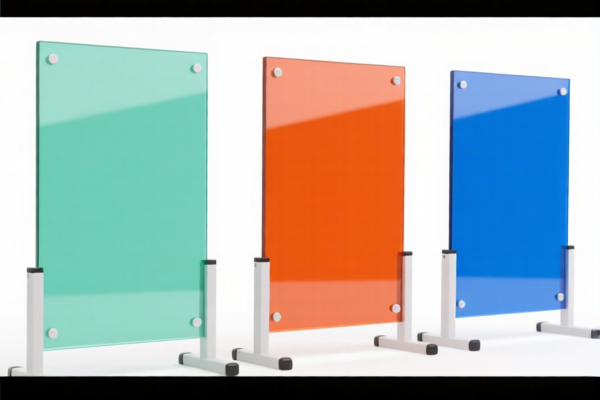
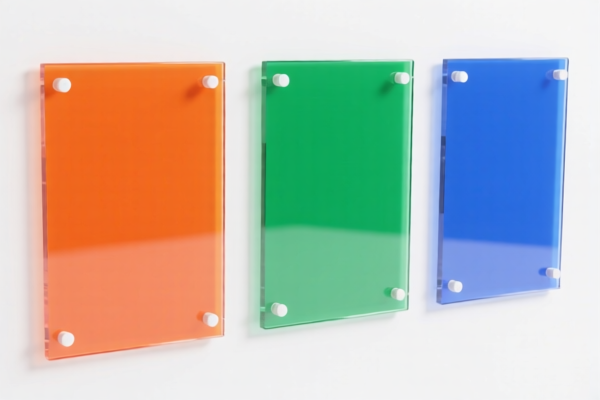
PMMA Acrylic Explosion Proof Board
CN → US| HS Code | Tariff Rate | Origin | Destination | Doc |
|---|---|---|---|---|
| 3921110000 | 40.3% | CN | US | Official Doc |
| 3920515090 | 41.5% | CN | US | Official Doc |
| 3921190090 | 41.5% | CN | US | Official Doc |
| 3920515050 | 41.5% | CN | US | Official Doc |
| 3920515090 | 41.5% | CN | US | Official Doc |
Product Images
AI Analysis
💥 PMMA Acrylic Explosion-Proof Board: The Ultimate HS Code & Tariff Guide
🌐 HS Code Classification & Customs Clearance Strategy | 2026 Tariff Breakdown | Professional Entry Guide
📌 One: Product Definition & Classification: What Exactly is "Explosion-Proof Acrylic"?
PMMA (Polymethyl Methacrylate), commonly known as Acrylic, is a transparent thermoplastic. When marketed as "Explosion-Proof," it refers to non-foamed, non-reinforced PMMA sheets designed to withstand impact and blast pressure while maintaining transparency.
In international trade, this product falls under the Plastics chapter (Chapter 39), specifically categorized by: 1. Material: Poly(methyl methacrylate) (Acrylic). 2. Form: Solid plates, sheets, or films (Non-foamed). 3. Special Attributes: "Explosion-proof" is treated as a functional description of the plate's durability, not a separate chemical category.
⚠️ Critical Distinction:
- Is it foamed? If yes, different HS code applies.
- Is it reinforced (e.g., with glass fibers)? If yes, different HS code applies.
- Standard PMMA Acrylic Explosion-Proof Board = Non-foamed, non-reinforced plate → Chapter 39.
📦 Two: HS Code Classification Matrix (2026 Latest Tariff Authority)
Based on the official data provided, PMMA Acrylic Explosion-Proof Boards are primarily classified into two distinct HS Codes depending on the specific "Other" category nuance. Both carry the same tariff rate.
| HS Code | Product Description | Classification Logic | Key Characteristics |
|---|---|---|---|
| 3921.11.00.00 | Acrylic (PMMA) Plastics, in plates | Classified as "Other Acrylic Polymers" in plate form. | General purpose, standard acrylic sheets. |
| 3920.51.50.90 | Other plates of acrylic polymers | "Non-foamed, non-reinforced plates" falling under "Other" categories. | Specifically highlights the non-foamed nature of the board. |
| 3921.19.00.90 | Plates of plastics (PMMA) | Broad category for "Plastic plates/sheets/films". | General classification when specific acrylic sub-categories don't apply. |
| 3920.51.50.50 | Acrylic Plates (Explosion/Flame Resistant) | PMMA material, plate form, logic consistent with flame safety/exploding protection. | Emphasizes safety attributes (explosion-proof/flame-retardant logic). |
🔍 Key Insight:
- 3920.51.50.x0 is often preferred for "Explosion-Proof" specific descriptions as it explicitly mentions non-foamed/non-reinforced attributes.
- 3921.11.00.00 is the classic definition for Acrylic Plates.
- Taxation is identical across all listed codes (Total 40.3% - 41.5%).
💰 Three: 2026 Tariff Rate Breakdown (Detailed Tax Clauses)
✅ Target Market: United States (US)
✅ Origin: China (CN)
✅ Effective Date: Current (Applicable to all listed HS Codes)
🎯 General Tax Structure for All Listed Codes
| Tax Component | Rate | Legal Basis / Description |
|---|---|---|
| 1. Base Duty (MFN) | 5.3% or 6.5% | Standard Most Favored Nation rate depending on the specific sub-code (3921.11 vs 3920.51). |
| 2. "Section 301" Additional Duty | 25.0% | Crucial: Added duty for Chinese imports under US Trade Act Section 301. |
| 3. "Section 122" Additional Duty | 10.0% | Crucial: Recent additional tariff provision targeting specific Chinese manufactured goods. |
| TOTAL COMBINED RATE | 40.3% ~ 41.5% | Sum of all components. |
📌 Detailed Tax Calculation Example:
For 3920.51.50.90 (Most common for Explosion-Proof):
Base (6.5%) + Section 301 (25.0%) + Section 122 (10.0%) = 41.5% Total Duty.For 3921.11.00.00:
Base (5.3%) + Section 301 (25.0%) + Section 122 (10.0%) = 40.3% Total Duty.⚠️ De Minimis Warning:
❌ NO Exemption. These goods are NOT eligible for de minimis ($800) exemptions for direct-to-consumer shipments if they are subject to Section 301/122 duties. The high tariff applies regardless of shipment size.
🛠️ Four: Customs Clearance Operational Advice (Pitfall Avoidance)
✅ 1. Essential Documentation Checklist
| Document | Status | Why it Matters |
|---|---|---|
| Detailed Product Spec Sheet | ✅ Mandatory | Must explicitly state "Non-foamed," "Non-reinforced," and "Polymethyl Methacrylate (PMMA)." |
| Technical Data Sheet (TDS) | ✅ Mandatory | Proves the "Explosion-Proof" claim is a physical property of the PMMA, not a composite requiring different classification. |
| Bill of Lading / Packing List | ✅ Mandatory | Must clearly describe goods as "Acrylic Explosion Proof Board" to match the HS Code summary. |
| Certificate of Origin (CO) | ✅ Mandatory | Required to prove origin is China (subject to 301/122 duties). |
| Safety/Flammability Report | ✅ Recommended | Supports the "Explosion-Proof" logic, aligning with 3920.51.50.50 description. |
✅ 2. Declaration Strategy (The "Golden Rule")
🔥 The Rule: "Be Specific on Material, Be Clear on Form, Accept the Duty."
| Scenario | Correct Approach | Risk of Error |
|---|---|---|
| General Acrylic Sheets | Declare as 3921.11.00.00 | Low risk, clear definition. |
| Explosion-Proof / Safety Rated | Declare as 3920.51.50.90 or 3920.51.50.50 | Aligns with "Non-foamed" & "Safety" logic. |
| "Reinforced" Acrylic | ⚠️ STOP. Do not use these codes. | If reinforced, it may require a different code (e.g., 3920.99). Misdeclaration leads to seizure. |
| Foamed Acrylic | ⚠️ STOP. Do not use these codes. | Foamed material belongs to a different chapter. |
✅ 3. Special Handling for "Explosion-Proof" Claims
- Do Not Over-Specify: Do not claim it is "Glass" or "Polycarbonate" unless it is. If it is PMMA, stick to PMMA.
- Safety vs. Material: Customs officers understand "Explosion-Proof" as a functional test result. Ensure your TDS references a standard (e.g., ASTM) that confirms the board meets impact resistance standards without changing the material composition (PMMA).
- Valuation: Ensure the CIF Value includes the cost of the "Explosion-Proof" treatment/processing. Do not undervalue to avoid tax, as this triggers audits for high-tariff goods (40%+).
🌍 Five: Global Market Context (2026 Comparison)
| Destination | Primary HS Code | Total Duty (China Origin) | Key Challenge |
|---|---|---|---|
| 🇺🇸 USA | 3920.51.50.90 / 3921.11.00.00 | 40.3% - 41.5% | High Section 301/122 duties. |
| 🇨🇳 China | 3920.51.50.90 | 6.5% | Base rate only (No 301/122). |
| 🇪🇺 EU | 3920.51.50.90 | Varies (0-6%) | No 301/122, but strict CE/Fire safety. |
| 🇨🇦 Canada | 3920.51.50.90 | Varies (0-8%) | CETA/CUSMA benefits may apply if origin criteria met. |
📌 Strategic Note:
The US market imposes a ~35% premium over the base rate due to trade sanctions. If your customers are in the US, cost calculation must include this ~41% duty. Do not offer "free shipping" quotes without factoring this in.
📌 Six: Common Errors & "Blood and Tears" Lessons
❌ Error 1: Calling it "Safety Glass" to avoid plastic tariffs.
👉 Result: Customs detects PMMA via X-ray/sampling. Misclassification Fine + 301 Duty + 122 Duty applies retroactively.
❌ Error 2: Declaring "Foamed Acrylic" when it is solid.
👉 Result: Wrong HS code, potential 100% penalty for fraud, goods seized.
❌ Error 3: Assuming "Explosion-Proof" qualifies for a "Special Use" exemption.
👉 Result: No exemption. It is a commercial good, not a medical or military spare part.
✅ Pro Tip:
Use the phrase "Non-foamed, Non-reinforced Acrylic Plate" in the description.
Add "Meets Impact Resistance Standards" to justify the "Explosion-Proof" label without altering the material classification.
🎯 Conclusion: Smart Classification, Smart Profit
🔹 The Reality: PMMA Explosion-Proof Boards are high-tariff goods (40%+) entering the US.
🔹 The Strategy: Use the correct HS Code (3920.51.50.90 or 3921.11.00.00) and price accordingly.
🔹 The Future: Verify if your product can be classified as Reinforced (if true, check if it shifts to a lower duty code) or if Origin Tracing (e.g., third-country processing) can mitigate Section 301/122 duties.
📣 Action Item:
🚀 Contact a Customs Broker NOW to apply for a Pre-Ruling on the specific "Explosion-Proof" formulation.
📉 Re-evaluate your pricing model to absorb or pass on the ~41.5% tariff.
🛡️ Ensure your "Safety Claims" are backed by technical data, not just marketing fluff.
✨ Customs is precise. Your declaration must be too.
💼 Don't let 40% tariff eat your margin. Get the HS Code right today.
Customer Reviews
About HS Code Classification
The Harmonized System (HS) is an internationally standardized nomenclature developed by the World Customs Organization (WCO) to classify traded products. Over 200 countries use the HS system as the basis for customs tariffs, trade statistics, and import/export regulations.
Each HS code follows a hierarchical structure:
- Chapter (2 digits) — Broad category of goods (e.g., Chapter 84: Machinery and Mechanical Appliances)
- Heading (4 digits) — More specific grouping within the chapter
- Subheading (6 digits) — Internationally standardized breakdown, used by all WCO member countries
- National subdivisions (8-10 digits) — Country-specific extensions for further classification, such as US HTSUS 10-digit codes
Correct HS code classification is essential for smooth customs clearance, accurate duty payment, and compliance with trade regulations. Misclassification can lead to customs delays, overpayment of duties, or penalties.
When importing from CN to US, the applicable tariff rates may include:
- Most-Favored-Nation (MFN) rate — The standard duty rate applied to WTO members
- General rate — Applied to countries without trade agreements
- Trade remedy duties — Additional tariffs such as Section 301 (anti-dumping), Section 232 (national security), or countervailing duties
The information provided on this page is for reference purposes only. For official classification, please consult with your local customs authority or a licensed customs broker.