PMMA Acrylic Thickened Board
CN → US| HS Code | Tariff Rate | Origin | Destination | Doc |
|---|---|---|---|---|
| 3920515090 | 41.5% | CN | US | Official Doc |
| 3926909989 | 22.8% | CN | US | Official Doc |
| 3920515050 | 41.5% | CN | US | Official Doc |
Product Images
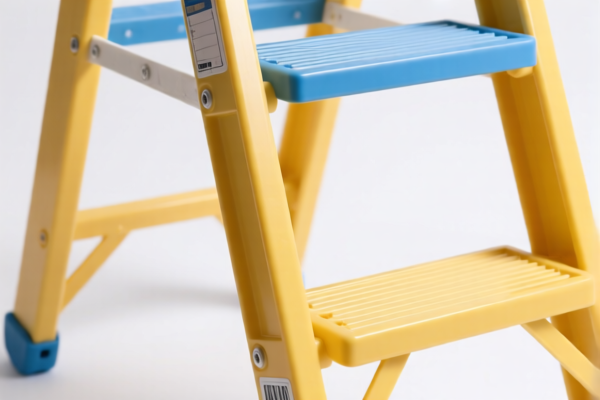
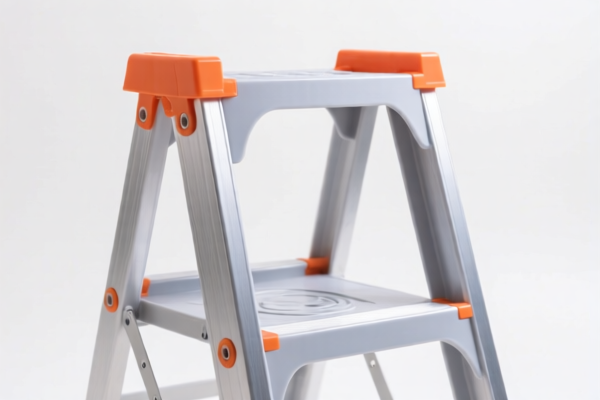
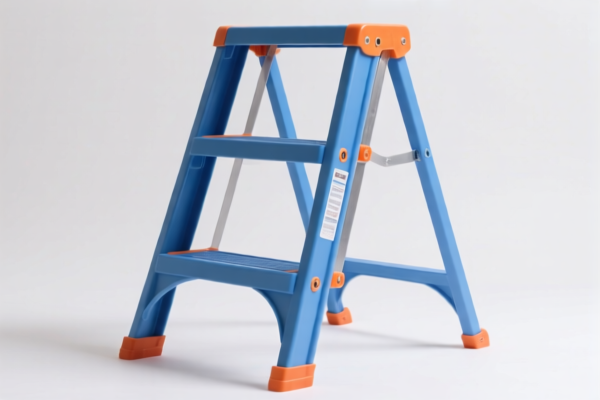
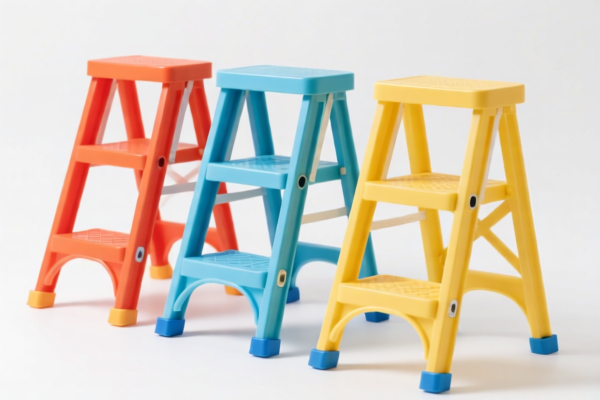
AI Analysis
🧊 PMMA Acrylic Thickened Board (High-Strength Acrylic Sheets)
🌐 HS Code Reference & Customs Clearance Guide | 2026 Latest Tariff Analysis | Professional Clearance Strategy
📌 I. Product Definition and Classification: What Exactly is "PMMA Acrylic Thickened Board"?
PMMA (Polymethyl Methacrylate), commonly known as Acrylic, is a transparent thermoplastic often used as a lightweight or shatter-resistant alternative to glass. When referred to as a "Thickened Board" or "High-Strength Plate," it generally falls under two distinct customs categories depending on its specific chemical structure and manufacturing process:
-
Category A: Specific Polymer Plates (Chapter 39, Heading 3920)
These are sheets made from specific acrylic polymers, specifically Polymethyl Methacrylate (PMMA) or Poly(methyl methacrylate). They are rigid, flat, and often used in construction, signage, or industrial applications. -
Category B: General Plastic Articles (Chapter 39, Heading 3926)
These are articles made of plastics that do not fit specifically into the more detailed headings of 3920–3925. If the product is considered a "formed" or "processed" plastic part rather than a raw polymer plate, it may fall here.
⚠️ Key Distinction Point:
- If the product is defined by its chemical composition (PMMA polymer) and is in sheet/plate form → Classify under 3920.
- If the product is a generic plastic plate without specific polymer designation or considered a "part/article" → Classify under 3926.
📦 II. HS Code Classification Details (Based on Provided Data)
| HS Code | Product Description | Applicable Scenario | Tax Rate |
|---|---|---|---|
3920.51.50.90 |
PMMA Acrylic High-Strength Board: Material is Polymethyl Methacrylate; Form is Plate. Fits the description of acrylic polymer & PMMA plates. | Standard PMMA sheets, clear acrylic boards, industrial PMMA plates | 41.5% |
3926.90.99.89 |
PMMA Acrylic High-Strength Board: Material is Plastic; Form is Plate. Belongs to the category of "Other plastic articles." | Generic plastic plates, non-specific acrylic formulations, processed plastic forms | 22.8% |
3920.51.50.50 |
PMMA Acrylic High-Strength Board: Material is Polymethyl Methacrylate; Form is Plate. Fits acrylic polymer plate definition. Note: Flame retardancy not mentioned. | Non-flame-retardant PMMA plates, standard acrylic boards | 41.5% |
🔍 Critical Note:
-3920.51.50.90and3920.51.50.50both carry the highest tax rate (41.5%) but are the most accurate for PMMA-specific products.
-3926.90.99.89has a lower tax rate (22.8%) but is a "catch-all" for plastic articles. Misclassification here risks customs penalties if the product is clearly PMMA.
💰 III. 2026 Latest Tariff Rate Breakdown (Including Surcharges)
✅ Applicable Country: United States (US)
✅ Origin: China (CN)
✅ Effective Date: Current regulations apply (Section 301 & IEEPA surcharges active)
🎯 1. 3920.51.50.90 & 3920.51.50.50 —— PMMA Acrylic High-Strength Board (PMMA Specific)
| Item | Detail |
|---|---|
| Base Tariff | 6.5% (Ad Valorem) |
| Section 301 Surcharge | +25.0% (USITC Footnote for Chinese-origin plastics) |
| Section 122 Tariff | +10.0% (Additional surcharge for specific plastic imports) |
| Total Effective Tax Rate | 41.5% |
| Tax Calculation | CIF Value × 41.5% |
| De Minimis Exemption | ❌ Not Available (High value threshold; small shipments still taxed) |
| Legal Path | USITC:3920.51.50.90 / 3920.51.50.50 → Section 301 → Section 122 |
📌 Explanation:
- The 6.5% base rate is for general plastic plates.
- The 25% surcharge is from the Section 301 Trade Action targeting Chinese goods.
- The 10% surcharge is from Section 122 (or similar bilateral/trade action) specifically affecting plastic imports.
- Total 41.5% is a very high tariff, significantly impacting profit margins.
🎯 2. 3926.90.99.89 —— Other Plastic Articles (Generic Plastic Plate)
| Item | Detail |
|---|---|
| Base Tariff | 5.3% (Ad Valorem) |
| Section 301 Surcharge | +7.5% (Reduced Section 301 rate for certain plastic articles) |
| Section 122 Tariff | +10.0% (Same 10% surcharge applies) |
| Total Effective Tax Rate | 22.8% |
| Tax Calculation | CIF Value × 22.8% |
| De Minimis Exemption | ❌ Not Available |
| Legal Path | USITC:3926.90.99.89 → Section 301 → Section 122 |
📌 Explanation:
- This classification offers a significantly lower total tax (22.8% vs. 41.5%).
- However, it requires the product to be classified as a "general plastic article" rather than a specific PMMA polymer plate.
- Risk: If Customs determines the product is explicitly PMMA, they may reclassify it to3920, leading to back taxes + penalties.
🛠️ IV. Customs Clearance Practical Advice (Avoiding Pitfalls)
✅ 1. Required Documentation Checklist
| Document | Mandatory? | Description |
|---|---|---|
| ✅ Product Specification Sheet | ✔️ | Must clearly state Material: PMMA (Polymethyl Methacrylate), Thickness, Dimensions, and Transparency. |
| ✅ Composition Certificate | ✔️ | Proof that the product is made of PMMA polymer. Crucial for justifying 3920. |
| ✅ Product Photos | ✔️ | Clear images of the board, showing texture, edges, and any markings. |
| ✅ Commercial Invoice | ✔️ | Describe as "PMMA Acrylic Board" or "Polymethyl Methacrylate Plate". Avoid vague terms like "Plastic Board." |
| ✅ Packing List | ✔️ | Detail quantity, weight, and packaging type. |
| ✅ Origin Certificate | ✔️ | Required for proving Chinese origin (to apply correct surcharges). |
✅ 2. Declaration Tips (Critical for Accuracy)
🔥 "Name it Right, Classify it Tight!"
| Scenario | Recommended HS Code | Reasoning |
|---|---|---|
| Pure PMMA Sheet (Clear, rigid, acrylic) | 3920.51.50.90 or 3920.51.50.50 |
Most accurate for PMMA. Accept the 41.5% tax to ensure compliance. |
| Generic Plastic Plate (Not specified as PMMA) | 3926.90.99.89 |
Only use if material is ambiguous or mixed. Lower tax (22.8%) but higher audit risk. |
| Flame-Retardant PMMA | 3920.51.50.90 |
Note: If flame retardancy is a key feature, ensure it’s documented, but 3920 remains primary. |
📌 Warning:
- Do NOT describe PMMA products as "Plastic Board" on invoices if they are clearly PMMA. This increases audit risk.
- If using3926, ensure your documentation supports that it is not specifically classified under3920(e.g., it’s a formed part, not a raw plate).
🌍 V. Global Market Comparison (2026)
| Country/Region | Recommended HS Code | Tariff (China Origin) | Notes |
|---|---|---|---|
| 🇺🇸 USA | 3920.51.50.90 |
41.5% | High tariff due to Section 301 + 122. |
| 🇺🇸 USA | 3926.90.99.89 |
22.8% | Lower tariff, but higher compliance risk. |
| 🇨🇳 China | 3920.51.50.90 |
6.5% | No additional surcharges. Import-friendly. |
| 🇪🇺 EU | 3920.51.50.90 |
6.5% | No Section 301/122 equivalents. Standard EU tariff. |
| 🇯🇵 Japan | 3920.51.50.90 |
6.0% | Low tariff under JETPA. |
📌 Conclusion:
- USA imposes heavy tariffs on Chinese acrylic boards.
- EU, Japan, China have much lower tariffs (~6%).
- Strategy: If exporting to the US, consider supply chain diversification (e.g., sourcing from Vietnam or Thailand) to avoid Section 301 surcharges.
📌 VI. Common Mistakes & Pitfalls (Learn from Others' Errors)
❌ Mistake 1: Declaring PMMA as "Plastic Sheet" to get 3926 tariff.
👉 Consequence: Customs may reclassify to 3920, demanding back taxes + interest.
❌ Mistake 2: Ignoring the 10% Section 122 Tariff.
👉 Consequence: Underpayment of duties → Seizure or penalties.
❌ Mistake 3: Using vague descriptions like "Acrylic Board" without specifying PMMA.
👉 Consequence: Customs may doubt the material, leading to delays or additional testing.
❌ Mistake 4: Assuming De Minimis applies.
👉 Consequence: Small shipments are NOT exempt for plastic articles from China under current rules.
✅ Best Practice:
Declare as "PMMA (Polymethyl Methacrylate) Acrylic Plate, Clear, 5mm Thick"
Use HS Code3920.51.50.90for accuracy and compliance.
🎯 VII. Conclusion: Strategic Clearance for PMMA Boards
🎯 Key Takeaway:
- Tax Savings: 3926 saves 18.7% tax, but risks audit.
- Compliance: 3920 is accurate for PMMA, but costs 41.5% tax.
- Recommendation:
1. For US Imports: Consult a customs broker to see if 3926 is defensible based on product specifics. If not, budget for 41.5%.
2. For EU/Japan: Use 3920 with confidence – low tariff (~6%).
3. Supply Chain: Consider non-Chinese origins (Vietnam, Thailand) to avoid Section 301 surcharges for US imports.
📌 Pro Tip:
If your PMMA board is flame-retardant or has special additives, ensure this is clearly documented. It may affect classification or eligibility for exemptions.
📣 Immediate Action:
📞 Contact a Licensed Customs Broker for a Pre-Ruling on HS Code classification.
🚀 Optimize Your Supply Chain to reduce tariff impact.
💼 Accurate Declaration Saves Money!
✨ Professional Customs Clearance Starts with Precise Classification!
💼 Every Percent of Tariff Counts!
Customer Reviews
About HS Code Classification
The Harmonized System (HS) is an internationally standardized nomenclature developed by the World Customs Organization (WCO) to classify traded products. Over 200 countries use the HS system as the basis for customs tariffs, trade statistics, and import/export regulations.
Each HS code follows a hierarchical structure:
- Chapter (2 digits) — Broad category of goods (e.g., Chapter 84: Machinery and Mechanical Appliances)
- Heading (4 digits) — More specific grouping within the chapter
- Subheading (6 digits) — Internationally standardized breakdown, used by all WCO member countries
- National subdivisions (8-10 digits) — Country-specific extensions for further classification, such as US HTSUS 10-digit codes
Correct HS code classification is essential for smooth customs clearance, accurate duty payment, and compliance with trade regulations. Misclassification can lead to customs delays, overpayment of duties, or penalties.
When importing from CN to US, the applicable tariff rates may include:
- Most-Favored-Nation (MFN) rate — The standard duty rate applied to WTO members
- General rate — Applied to countries without trade agreements
- Trade remedy duties — Additional tariffs such as Section 301 (anti-dumping), Section 232 (national security), or countervailing duties
The information provided on this page is for reference purposes only. For official classification, please consult with your local customs authority or a licensed customs broker.