PMMA Flexible Light Box Panel
CN → US| HS Code | Tariff Rate | Origin | Destination | Doc |
|---|---|---|---|---|
| 9405920000 | 38.7% | CN | US | Official Doc |
| 3926904000 | 12.8% | CN | US | Official Doc |
| 9405913000 | 47.0% | CN | US | Official Doc |
| 3920515090 | 41.5% | CN | US | Official Doc |
| 3926909989 | 22.8% | CN | US | Official Doc |
Product Images
AI Analysis
🖼️ PMMA Flexible Light Box Panel (Plastic Illuminated Signs/Panels)
🌐 HS Code Reference & Customs Clearance Guide | 2026 Latest Tariff Analysis | Professional Compliance Strategy
📌 1. Product Definition & Classification: What Exactly is a "PMMA Light Box Panel"?
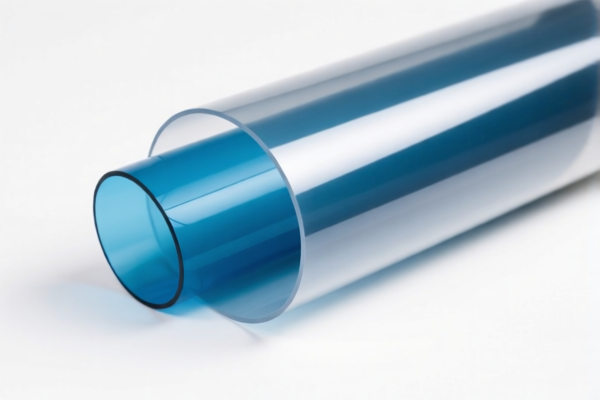
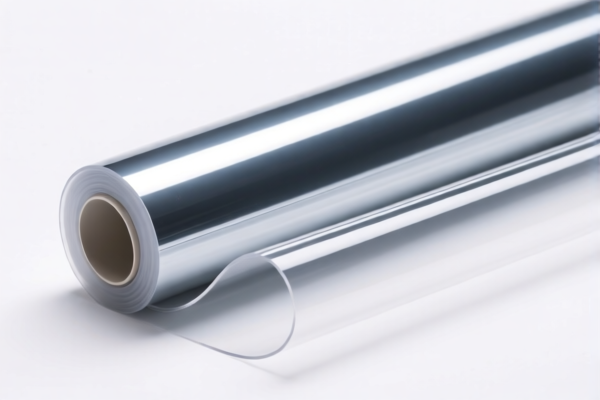
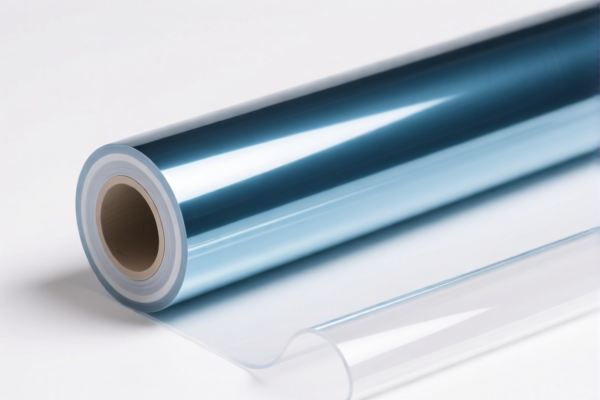
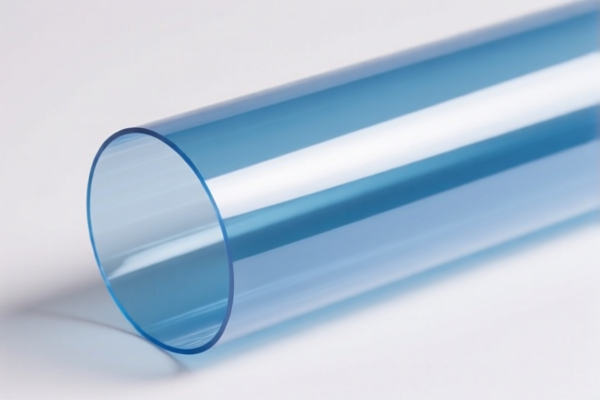
A PMMA (Polymethyl Methacrylate, commonly known as Acrylic) Flexible Light Box Panel is a lighting component used primarily for advertising, signage, and interior decoration. It consists of a translucent plastic sheet (PMMA) that diffuses LED light evenly.
In international trade, this product sits at a critical crossroads between "Lighting Equipment" and "Plastic Articles." The classification depends heavily on whether the customs authority views it as a finished lighting fixture part or merely a raw/semi-finished plastic material.
⚠️ Key Classification Distinction:
- If viewed as a signage/lighting accessory made of plastic → Chapter 94 (Furniture/Lighting)
- If viewed as a finished plastic article (sign plate/marker) → Chapter 39 (Plastics)
- If viewed as raw material (sheet/film) → Chapter 39 (Plastics, Unworked/Worked Sheets)
- If misinterpreted as glass (due to transparency) → High Risk, High Tariff
📦 2. HS Code Classification Details (Based on Provided Data)
The following 5 HS Codes represent the potential classification paths for this product, ranging from the most favorable to the most punitive.
| HS Code | Product Description & Logic | Total Tax Rate | Tax Breakdown |
|---|---|---|---|
| 9405.92.00.00 | PMMA Illuminating Panels Classified as lighting signs/plates made of plastic. Fits within "Parts of electric lamps and lighting fittings." |
38.7% | Base: 3.7% Add'l: 25.0% Sect 122: 10% |
| 3926.90.40.00 | PMMA Plastic Signage Classified specifically as "Plastic signs, nameplates, and markers." A narrower sub-heading for plastic articles. |
12.8% ✅ Lowest | Base: 2.8% Add'l: 0.0% Sect 122: 10% |
| 9405.91.30.00 | Glass-Like Transparency Assumption Incorrectly inferred as glass/translucent material for lamp shades. High Risk Misclassification. |
47.0% ⚠️ Highest | Base: 12.0% Add'l: 25.0% Sect 122: 10% |
| 3920.51.50.90 | PMMA Polymer Sheet/Film Classified as the raw material (plate, sheet, film) rather than a finished product. |
41.5% | Base: 6.5% Add'l: 25.0% Sect 122: 10% |
| 3926.90.99.89 | Other Plastic Articles Classified as a generic "Other plastic article" if not specifically identified as signage. |
22.8% | Base: 5.3% Add'l: 7.5% Sect 122: 10% |
🔍 Critical Analysis:
- Section 122 Tariff (10%): Applies to all 5 codes in the provided data (likely specific anti-dumping or bilateral trade measures).
- Section 301 / Additional Tariff (25% vs 7.5% vs 0%): This is the biggest differentiator.
- Codes9405.92,9405.91, and3920.51incur a 25% additional tariff.
- Code3926.90.99.89incurs only 7.5%.
- Code3926.90.40.00incurs 0% additional tariff, making it the most cost-effective classification.
💰 3. Detailed Tariff Rate Explanation (2026 Latest)
✅ Applicable Region: USA (US)
✅ Origin: China (CN)
✅ Effective Date: Post-2025 policies including Section 301 & Section 122 additions
🎯 1. 3926.90.40.00 — The Optimal Choice: Plastic Signage/Nameplates
| Item | Details |
|---|---|
| Base Rate | 2.8% (Ad Valorem) |
| USITC Additional Tariff | 0% (Exempt from the 25% Section 301 hike) |
| Section 122 Tariff | +10% (Specific bilateral measure) |
| Total Effective Rate | 12.8% |
| Legal Basis | Classified under "Plastic articles of plastic; other articles of plastic" specifically for signage/nameplates. |
📌 Explanation:
- This code captures the function (signage/light panel) and the material (plastic/PMMA) without triggering the heavy "lighting fixture" or "raw material" surcharges.
- Why it wins: The 0% additional tariff saves you 25% compared to other lighting/plastic codes.
🎯 2. 3926.90.99.89 — The Fallback: Other Plastic Articles
| Item | Details |
|---|---|
| Base Rate | 5.3% |
| USITC Additional Tariff | +7.5% (Partial Section 301 reduction or specific category) |
| Section 122 Tariff | +10% |
| Total Effective Rate | 22.8% |
| Legal Basis | General catch-all for plastic articles not specified elsewhere. |
📌 Explanation:
- If customs rejects the specific "signage" classification, this is the next best option. It is significantly cheaper than the lighting codes but more expensive than3926.90.40.00.
🎯 3. 9405.92.00.00 — The Standard Lighting Path
| Item | Details |
|---|---|
| Base Rate | 3.7% |
| USITC Additional Tariff | +25% (Full Section 301 hit) |
| Section 122 Tariff | +10% |
| Total Effective Rate | 38.7% |
📌 Explanation:
- Commonly used for "parts of electric lamps." However, it attracts the full 25% punitive tariff.
- Risk: Customs may argue that a "flexible panel" is not a standard lamp part but a sign.
🎯 4. 3920.51.50.90 — The Raw Material Trap
| Item | Details |
|---|---|
| Base Rate | 6.5% |
| USITC Additional Tariff | +25% |
| Section 122 Tariff | +10% |
| Total Effective Rate | 41.5% |
📌 Explanation:
- Classified as "PMMA sheets/films." If declared as raw material but shipped as a cut panel with printing, this is a misdeclaration risk. High audit rate.
🎯 5. 9405.91.30.00 — The Glass Misclassification (Avoid!)
| Item | Details |
|---|---|
| Base Rate | 12.0% |
| USITC Additional Tariff | +25% |
| Section 122 Tariff | +10% |
| Total Effective Rate | 47.0% 🔴 Worst Case |
📌 Explanation:
- Some brokers may mistakenly classify transparent PMMA as "glass" or "glass lamp shades" due to visual similarity.
- Never do this: The base rate is high (12%), and it incurs the full 25% additional tariff. Total 47%.
🛠️ 4. Customs Clearance Practical Advice (Avoiding Pitfalls)
✅ 1. Recommended Documentation Checklist
| Document | Requirement | Purpose |
|---|---|---|
| Product Specification Sheet | ✔️ Must state: Material = PMMA/Acrylic (Not Glass, Not PC). Shape = Flexible Sheet/Panel. Function = Light Diffuser for Signage. | Proves material and intent. |
| Technical Data Sheet (TDS) | ✔️ Show thermal properties, bending radius, and light transmission %. | Distinguishes from rigid glass or rigid PC sheets. |
| Commercial Invoice | ✔️ Use terms like "PMMA Plastic Illuminated Sign Panel" or "Plastic Lighting Diffuser Sheet." Avoid vague terms like "Glass Panel." | Supports 3926.90.40.00 or 3926.90.99.89. |
| Photos | ✔️ Show the panel bending (to prove flexibility) and backlighting (to show diffusion). | Visual proof of "plastic" nature and "signage" use. |
| Bill of Lading | ✔️ Consignee and Notify Party details must match invoice. | Standard compliance. |
✅ 2. Strategic Declaration Tips
🔥 Golden Rule: "Define by Function & Material, Not Just Appearance."
| Scenario | Recommended HS Code | Reasoning |
|---|---|---|
| Pre-cut, printed panels for advertising | 3926.90.40.00 |
Fits "Plastic Signs/Nameplates." Lowest tariff (12.8%). |
| Blank flexible sheets for custom printing | 3926.90.99.89 or 3920.51.50.90 |
If blank, could be raw material (3920) but higher tax. Better as generic plastic article (3926) if not clearly raw. |
| Integrated with LEDs/Electronics | 9405.92.00.00 |
If it's a complete lighting unit, not just a panel. Higher tax (38.7%) but legally accurate for fixtures. |
| Misclassified as Glass | 9405.91.30.00 |
AVOID. High cost (47%) and high risk of penalty for misdescription. |
✅ 3. Special Handling for "Flexible" Attributes
- Flexibility is Key: Emphasize that the product is bendable and shatter-resistant. This distinguishes it from Glass (
9405.91.30.00) and rigid PC/PMMA sheets (3920). - Diffusion vs. Transparency: Clarify that it is a diffuser (light panel) rather than a clear viewing window. This supports the "Lighting Part" or "Signage" classification.
🌍 5. Global Market Comparison (2026 Context)
| Market | Best HS Code | Estimated Total Tax | Notes |
|---|---|---|---|
| 🇺🇸 USA | 3926.90.40.00 |
12.8% | Lowest duty. Avoid 9405 (25% add'l) and 9405.91 (47% total). |
| 🇨🇳 China | 3926.90.40.00 |
Low (Import Duty ~5-10%) | Check local VAT. No Section 122. |
| 🇪🇺 EU | 3926.90.97 |
~4-5% + VAT | Generally low duties for plastic signs. No Section 301/122. |
| 🇬🇧 UK | 3926.90.90 |
~0-5% + VAT | Post-Brexit rules apply. Generally favorable. |
📌 Conclusion:
- The US market is the most complex due to Section 301 and Section 122 tariffs.
- Strategy: Aggressively pursue3926.90.40.00by proving the product is a Plastic Sign/Nameplate.
📌 6. Common Mistakes & Pitfalls (Blood & Tears Lessons)
❌ Mistake 1: Declaring as "Glass Panel" because it looks clear.
👉 Result: HS 9405.91.30.00 → 47% Tax. Audit risk for false description.
❌ Mistake 2: Declaring as "Raw Plastic Sheet" (3920) when it is pre-cut and printed.
👉 Result: Misclassification penalty. Even if tax is 41.5%, the penalty for "False Declaration" is severe.
❌ Mistake 3: Using "Lighting Fixture" (9405.92) when it's just a passive diffuser.
👉 Result: 38.7% Tax vs 12.8% Tax. Overpayment of 25.9% due to lack of specific "Signage" classification.
✅ Correct Approach:
"PMMA Flexible Light Box Panel, Plastic Material, Used for Advertising Signage, Not Integrated with Electronics."
🎯 7. Conclusion: Professional Declaration for Cost Savings
🎯 Key Takeaway:
🔹 "Plastic Sign, Not Glass Lamp. Flexibility proves it's not rigid. Specificity saves 25%."
🔹 Target HS Code:3926.90.40.00(12.8% Total Tax).
🔹 Fallback HS Code:3926.90.99.89(22.8% Total Tax).📌 Final Advice:
Always include "PMMA" and "Plastic Signage/Diffuser" in your commercial invoice. Avoid the word "Glass." Provide bending photos. This evidence supports the lower-tax3926classification over the higher-tax9405or3920codes.
✨ Smart Customs, Smarter Profits!
💼 Every percentage point saved in duty is pure margin.
Customer Reviews
About HS Code Classification
The Harmonized System (HS) is an internationally standardized nomenclature developed by the World Customs Organization (WCO) to classify traded products. Over 200 countries use the HS system as the basis for customs tariffs, trade statistics, and import/export regulations.
Each HS code follows a hierarchical structure:
- Chapter (2 digits) — Broad category of goods (e.g., Chapter 84: Machinery and Mechanical Appliances)
- Heading (4 digits) — More specific grouping within the chapter
- Subheading (6 digits) — Internationally standardized breakdown, used by all WCO member countries
- National subdivisions (8-10 digits) — Country-specific extensions for further classification, such as US HTSUS 10-digit codes
Correct HS code classification is essential for smooth customs clearance, accurate duty payment, and compliance with trade regulations. Misclassification can lead to customs delays, overpayment of duties, or penalties.
When importing from CN to US, the applicable tariff rates may include:
- Most-Favored-Nation (MFN) rate — The standard duty rate applied to WTO members
- General rate — Applied to countries without trade agreements
- Trade remedy duties — Additional tariffs such as Section 301 (anti-dumping), Section 232 (national security), or countervailing duties
The information provided on this page is for reference purposes only. For official classification, please consult with your local customs authority or a licensed customs broker.