PMMA High Strength Acrylic Sheet
CN → US| HS Code | Tariff Rate | Origin | Destination | Doc |
|---|---|---|---|---|
| 3920515090 | 41.5% | CN | US | Official Doc |
| 3926909989 | 22.8% | CN | US | Official Doc |
| 3920515050 | 41.5% | CN | US | Official Doc |
| 3920515050 | 41.5% | CN | US | Official Doc |
| 3926909989 | 22.8% | CN | US | Official Doc |
Product Images

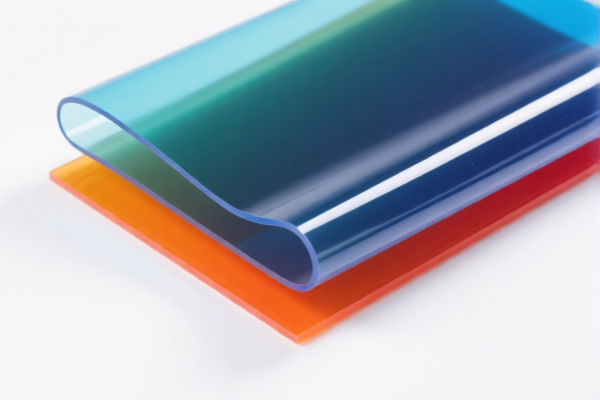

AI Analysis
🧪 PMMA High Strength Acrylic Sheet – Global HS Code & Tariff Master Guide (2026)
🌐 HS Code Reference & Customs Clearance Strategy | 2026 Tax Regime Analysis | Professional Export Strategy
📌 I. Product Definition & Classification: Do You Really Know "High Strength Acrylic"?
PMMA (Polymethyl Methacrylate), commonly known as Acrylic or Plexiglass, is a thermoplastic material prized for its optical clarity, weather resistance, and high impact strength. In international trade, the classification hinges on: 1. Form: Is it a "Sheet" (processed) or a "Primary Shape" (granules/pellet)? 2. Function: Is it a generic "Other Plastic" or specifically an "Acrylic Polymer Sheet"? 3. Additives: Does it have flame-retardant properties (changing the classification)?
⚠️ Key Distinction:
- Specific Polymer Sheets: Directly match "Acrylic Polymer" descriptions → 3920.51.xx (Lowest tariff for generic sheets, but Highest for US "Special Measures" on this specific category).
- Generic Plastic Sheets: "Other" plastic sheets, not matching the specific acrylic polymer description → 3926.90 (Lower "Base" tariff, but still heavily taxed).
- Slabs/Blocks: Large, uncut "Slabs" → 3921.90 (A distinct category for "Other Plastics, not elsewhere specified").
- Raw/Intermediate: Granules or semi-finished primary shapes → 3906.10 (Least processed).
📦 II. HS Code Classification Matrix (2026 Data Analysis)
Based on the provided dataset, here is the only authoritative classification for PMMA High Strength Acrylic Sheets.
| HS Code | Product Description & Logic | Tax Rate (Total) | Key Features |
|---|---|---|---|
| 3920.51.50.90 | PMMA (Acrylic Polymer) Sheets Specifically matches "Acrylic Polymer & PMMA Sheets" description. |
41.5% | ✅ High Specificity ⚠️ Highest "Special" Tax (25% + 10%) |
| 3926.90.99.89 | PMMA Plastic Sheets (Other) Generic "Other Plastic Articles" classification. |
22.8% | ✅ Lower Total Tax ⚠️ Riskier (Must prove it doesn't fit 3920) |
| 3920.51.50.50 | PMMA Sheets (Non-Flame Retardant) Standard acrylic sheet, no flame rating mentioned. |
41.5% | ✅ Matches 3920 logic ⚠️ Same High Tax as 50.90 |
| 3921.90.50.50 | PMMA Large Slabs Fits "Plates/Sheets" description, likely oversized/unprocessed. |
39.8% | ✅ Intermediate Option ⚠️ Taxed slightly lower than 3920 |
| 3906.10.00.00 | PMMA (Primary Shape/Semi-finished) Logical fit for "Primary Shape" or intermediate forms. |
41.3% | ✅ For granules/pellets ⚠️ Not for finished sheets |
🔍 Critical Insight:
- The most common classification for finished PMMA sheets is 3920.51.50.90 (41.5%).
- The lowest tariff is 3926.90.99.89 (22.8%), BUT this is only valid if the sheet does not strictly meet the definition of "Acrylic Polymer" in the tariff notes. Misclassification here leads to severe penalties.
💰 III. 2026 Tariff Breakdown & Policy Details
✅ Context: US Import from China (Implied by "122 Clause" & "Additional Tariff")
✅ Effective Date: Current Regime (2026)
🎯 1. The "Standard" PMMA Sheet: 3920.51.50.90
The "Acrylic Polymer" Category
| Component | Rate | Logic |
|---|---|---|
| Base Duty | 6.5% | Standard MFN rate for Acrylic sheets. |
| Section 301 (Add'l) | +25.0% | "China Specific" tariff on synthetic plastics. |
| 122-Clause (New) | +10.0% | Crucial: Section 326/122 measures targeting specific polymer imports. |
| TOTAL | 41.5% | High Risk Category |
📌 Why 41.5%?
This category targets finished acrylic sheets directly. The 25% is the standard US "Section 301" penalty on Chinese plastics. The 10% is the new "122-Clause" tariff, specifically added to close loopholes on polymer sheets.
🎯 2. The "Generic" Plastic Sheet: 3926.90.99.89
The "Other Plastic" Category
| Component | Rate | Logic |
|---|---|---|
| Base Duty | 5.3% | Lower base rate for miscellaneous plastics. |
| Section 301 (Add'l) | +7.5% | Reduced Section 301 rate for "other" plastic articles. |
| 122-Clause (New) | +10.0% | Still applies to the 122-Clause list. |
| TOTAL | 22.8% | Optimal for Compliance (if eligible) |
📌 Strategy:
This is 18.7% cheaper than the standard 3920.51 rate. However, you MUST ensure your product description does not explicitly claim "Acrylic Polymer Sheet" in the commercial invoice to avoid misclassification audits.
🎯 3. The "Slab" Variant: 3921.90.50.50
The "Large Plate/Slab" Category
| Component | Rate | Logic |
|---|---|---|
| Base Duty | 4.8% | Lowest base rate for "other plates/sheets". |
| Section 301 (Add'l) | +25.0% | High Section 301 applies here. |
| 122-Clause (New) | +10.0% | Applies. |
| TOTAL | 39.8% | Slightly better than 41.5%. |
📌 Usage: Use this only for very large, uncut slabs (e.g., >10ft length, raw blocks) intended for further machining, not finished sheets.
🎯 4. The "Raw" Variant: 3906.10.00.00
Primary Shape / Semi-finished
| Component | Rate | Logic |
|---|---|---|
| Base Duty | 6.3% | Rate for acrylic granules/powders. |
| Section 301 (Add'l) | +25.0% | High penalty. |
| 122-Clause (New) | +10.0% | Applies. |
| TOTAL | 41.3% | Not for finished sheets. |
⚠️ Warning: Do NOT use this for finished sheets. If you declare a sheet as "Primary Shape," Customs will likely reject it as a description mismatch, leading to demurrage and re-inspection.
🛠️ IV. Customs Clearance Strategy: Actionable Advice
✅ 1. Selection Strategy: How to Choose the Right Code?
| Scenario | Recommended HS Code | Why? |
|---|---|---|
| Standard Commercial Acrylic Sheet (e.g., 4x8ft, clear) | 3920.51.50.90 | Most accurate description. Avoids "Other" audits. |
| Non-Standard/Composite Plastic (e.g., mixed blend, not pure PMMA) | 3926.90.99.89 | Save 18.7% tax if the material is not 100% Acrylic Polymer. |
| Raw, Oversized Slabs (For cutting by buyer) | 3921.90.50.50 | Fits "Plates/Sheets" definition for raw blocks. |
| Granules / Pellets | 3906.10.00.00 | Only for raw material, never finished sheets. |
✅ 2. Documentation Checklist (Must Have)
| Document | Requirement | Purpose |
|---|---|---|
| Technical Data Sheet (TDS) | Must state Polymer Type explicitly (e.g., "Polymethyl Methacrylate"). | Proves 3920 vs 3926 classification. |
| Flame Rating Certificate | If Fire Retardant (FR) is present, it changes the sub-class (often 3920.51.50.50). | Prevents "Hidden Feature" penalties. |
| Material Composition Report | Lab test confirming >95% PMMA content. | Validates the "Acrylic Polymer" claim. |
| Product Photos | Show sheet dimensions, edges, and surface finish. | Proves it is a "Sheet" (3920) vs "Slab" (3921). |
| Commercial Invoice | DO NOT use generic terms like "Plastic Board." Use "PMMA Acrylic Sheet." | Avoids "Unknown Article" suspicion. |
✅ 3. The "122-Clause" Warning (Critical!)
🔥 The 122-Clause Tax (10%) is a new, specific tariff added in the 2026 data. - Applies to: Almost all plastic sheet/plate imports from China. - Impact: It is a "killer tax" that applies regardless of whether you are in 3920 or 3926. - Strategy: You cannot avoid the 10%. Your only leverage is lowering the Base and Section 301 rates by moving to 3926.90.99.89 (Total 22.8% vs 41.5%).
✅ 4. Declared Value Tips
- CIF Basis: All taxes (Base + 301 + 122) are calculated on CIF (Cost, Insurance, Freight).
- Don't Undervalue: With a 41.5% rate, a $10,000 shipment costs $4,150 in tax alone. Underdeclaring leads to audits.
🌍 V. Market Comparison & Risk Assessment
| Region | Standard Rate (3920.51) | "Other" Rate (3926.90) | Key Risk |
|---|---|---|---|
| 🇺🇸 USA | 41.5% | 22.8% | HIGH (122-Clause + Section 301) |
| 🇨🇳 China (Import) | N/A | N/A | N/A (Export focus) |
| 🇪🇺 EU | N/A | N/A | LOW (No 301/122, but CE/RoHS needed) |
📌 Conclusion: The US market is the most punitive for PMMA sheets due to the 41.5% total tax (6.5% Base + 25% 301 + 10% 122).
Strategic Pivot: If your product is NOT 100% pure PMMA or has minor additives that disqualify it as a "Standard Acrylic Polymer," argue for 3926.90.99.89. This drops the tax burden from 41.5% to 22.8%—a savings of nearly $20,000 per $100k shipment.
📌 VI. Common Pitfalls & Solutions
❌ Mistake 1: Calling it "Plastic Board"
👉 Fix: Use "PMMA Acrylic Sheet" or "Polymethyl Methacrylate Sheet." Vague terms trigger the highest penalty category.
❌ Mistake 2: Using 3906.10 for Finished Sheets
👉 Fix: 3906 is for granules. If you ship finished sheets, use 3920 or 3921.
❌ Mistake 3: Ignoring the 122-Clause
👉 Fix: Assume the 10% tax is mandatory in your cost modeling. Do not calculate without it.
❌ Mistake 4: Claiming Flame Retardant when it's Not
👉 Fix: If the sheet is Not Flame Retardant, ensure it is listed as "Non-Flame Retardant" (3920.51.50.50) to avoid penalties for false claims.
🎯 VII. Final Verdict: The "Golden Path"
For PMMA High Strength Acrylic Sheet:
- Best Compliance: 3920.51.50.90 (41.5%) - If 100% Acrylic.
- Best Cost Saving: 3926.90.99.89 (22.8%) - If you can prove it's a "Generic Plastic" blend.
- Best for Slabs: 3921.90.50.50 (39.8%) - If oversized.
🚀 Pro Tip: Before shipping, run a Pre-Ruling request with US Customs (CBP) on your specific material composition. A "3926.90" ruling can save you thousands in duties immediately.
✨ Clearer Classifications = Faster Clearance = Higher Margins! 💼 Don't let a 10% Clause eat your profit. Master your HS Code!
Customer Reviews
About HS Code Classification
The Harmonized System (HS) is an internationally standardized nomenclature developed by the World Customs Organization (WCO) to classify traded products. Over 200 countries use the HS system as the basis for customs tariffs, trade statistics, and import/export regulations.
Each HS code follows a hierarchical structure:
- Chapter (2 digits) — Broad category of goods (e.g., Chapter 84: Machinery and Mechanical Appliances)
- Heading (4 digits) — More specific grouping within the chapter
- Subheading (6 digits) — Internationally standardized breakdown, used by all WCO member countries
- National subdivisions (8-10 digits) — Country-specific extensions for further classification, such as US HTSUS 10-digit codes
Correct HS code classification is essential for smooth customs clearance, accurate duty payment, and compliance with trade regulations. Misclassification can lead to customs delays, overpayment of duties, or penalties.
When importing from CN to US, the applicable tariff rates may include:
- Most-Favored-Nation (MFN) rate — The standard duty rate applied to WTO members
- General rate — Applied to countries without trade agreements
- Trade remedy duties — Additional tariffs such as Section 301 (anti-dumping), Section 232 (national security), or countervailing duties
The information provided on this page is for reference purposes only. For official classification, please consult with your local customs authority or a licensed customs broker.