PMMA Light Board
CN → US| HS Code | Tariff Rate | Origin | Destination | Doc |
|---|---|---|---|---|
| 3920515090 | 41.5% | CN | US | Official Doc |
| 3921905050 | 39.8% | CN | US | Official Doc |
| 3906902000 | 41.3% | CN | US | Official Doc |
| 3921190090 | 41.5% | CN | US | Official Doc |
| 3920511000 | 41.0% | CN | US | Official Doc |
| 3906100000 | 41.3% | CN | US | Official Doc |
Product Images
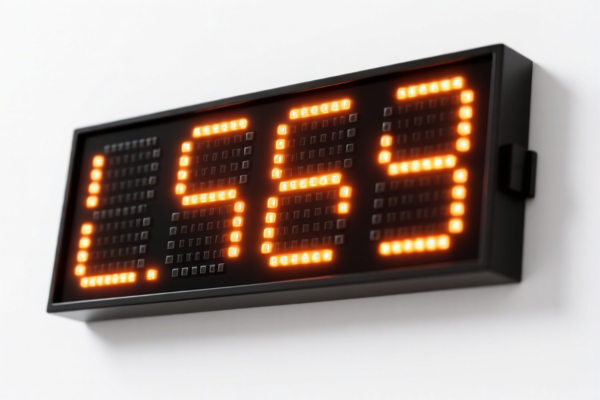
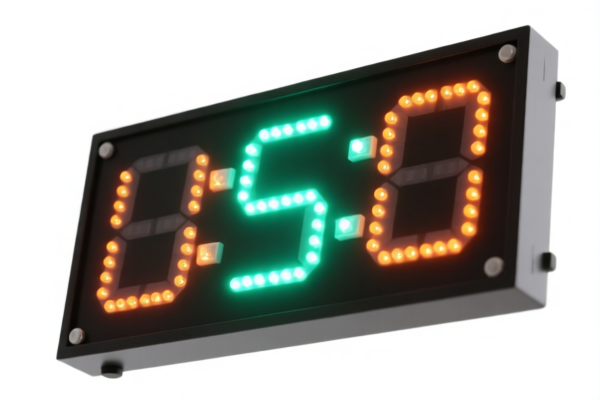
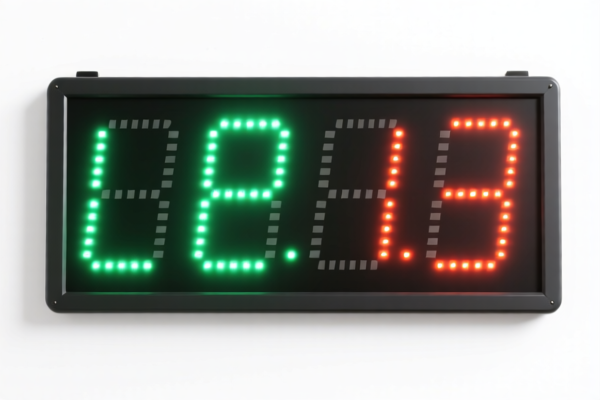
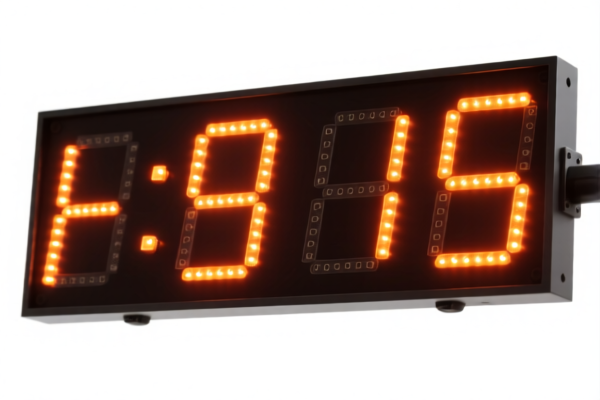
AI Analysis
💡 PMMA Light Board (聚甲基丙烯酸甲酯发光板/亚克力板)
🌐 HS Code Reference & Customs Clearance Guide | 2026 Latest Tariff Analysis | Professional Clearance Strategy for China-Origin Goods
📌 I. Product Definition & Classification: What Exactly is a "PMMA Light Board"?
PMMA (Polymethyl Methacrylate), commonly known as Acrylic, is a transparent thermoplastic. In the lighting industry, "PMMA Light Boards" refer to sheets or plates used for light diffusers, channels, or structural components in LED lighting, signage, and architectural lighting.
International Trade Classification Logic: The classification depends strictly on the physical form (raw sheet vs. processed plate) and the stage of manufacturing (raw polymer vs. manufactured article).
⚠️ Critical Distinction: - Raw Sheets/Plates (Semi-finished): If the PMMA is in a simple plate or sheet form, regardless of thickness, it often falls under Chapter 39 as "Plates, Sheets, Film, Foil and Strip." - Primary Forms: If it is in a raw, unprocessed state (e.g., bulk or basic blocks), it may fall under Chapter 39 as "Primary Forms." - Key Rule: Do not confuse "Light Boards" with finished lighting fixtures. These are components/materials, not complete luminaires.
📦 II. HS Code Classification Details (2026 Latest Tariff Authority Mapping)
Based on the provided <DATA>, here are the precise HS Codes for PMMA Light Boards, categorized by their specific physical state:
| HS Code | Product Description (Summary) | Physical State & Form | Key Classification Note |
|---|---|---|---|
3920.51.50.90 |
PMMA Material, Large Plate Form | Thick slabs or large format plates | Specifically for "Large Plates" (大板). Often used for high-end signage or architectural features. |
3921.90.50.50 |
PMMA Plastic Material, Plate/Sheet Form | Standard sheets or plates | General classification for PMMA sheets that do not fit the "51" sub-heading precisely or are processed slightly differently than raw sheets. |
3906.90.20.00 |
Acrylic Polymers, Plate Form | Polymer-based plates | Classifies under "Acrylic Polymers" (丙烯酸类聚合物). Focuses on the chemical composition (Acrylic) rather than just the brand/general PMMA label. |
3921.19.00.90 |
PMMA Plastic Material, Plate/Film/Foil/Strip | Thin sheets, films, or strips | Includes thinner PMMA forms like films or strips used in light guides. Note: If it's a rigid "board," verify if it fits 3920 better, but this code covers broader "Plate/Film" categories. |
3920.51.10.00 |
PMMA Material, Plate/Film/Foil/Strip Form | Standard plates, films, or strips | Similar to above, but specifically under 3920 (Plates/Sheets). This is a common code for standard acrylic sheets used in lighting. |
3906.10.00.00 |
PMMA Material, Primary Form/Semi-finished Plate | Raw polymer blocks or basic semi-finished plates | For PMMA in its "Primary Form" (初级形态) or very basic semi-finished state. If the material is just molded into a rough plate without further finishing, this may apply. |
🔍 Important Note:
- Chapter 39 covers plastics and articles thereof.
- The distinction between3920(Plates, Sheets, Film, Foil, Strip, Non-cellular) and3921(Other Plates, Sheets, Film, Foil, Strip) depends on whether the product is considered a "basic plastic plate" or a "laminated/processed" plate. In many cases, solid PMMA sheets fall under3920.
-3906covers "Acrylic Polymers in Primary Forms." If the "board" is actually a raw block of acrylic resin before being processed into a final plate, it might fall here, but usually, "Light Boards" are processed sheets, so3920or3921are more likely.
💰 III. 2026 Latest Tariff Rate Details (Including Additional Duties & Policy Surcharges)
✅ Applicable Country: United States (US)
✅ Origin: China (CN)
✅ Effective Time: 2025/2026 (Including subsequent imports)
All the HS Codes listed in the <DATA> share the same tariff structure due to the ongoing trade policies affecting Chinese origin goods.
🎯 1. Universal Tariff Structure for All Listed PMMA HS Codes
| Item | Content |
|---|---|
| Base Tariff Rate | 4.8% - 6.5% (Varies by specific HS Code, see details below) |
| Section 301 Additional Tariff | +25.0% (China-origin specific) |
| Section 122 Tariff (IEEPA) | +10.0% (Specificly applied to certain Chinese plastics/polymers) |
| Total Effective Tax Rate | 39.8% - 41.5% |
| Calculation Basis | CIF Value (Cost, Insurance, Freight) × Total Rate |
| De Minimis Exemption | ❌ NOT APPLICABLE (Deny De Minimis). All shipments are subject to full duty. |
📊 Breakdown by HS Code:
| HS Code | Base Tariff | Section 301 | Section 122 | Total Tax Rate |
|---|---|---|---|---|
3920.51.50.90 |
6.5% | +25.0% | +10.0% | 41.5% |
3921.90.50.50 |
4.8% | +25.0% | +10.0% | 39.8% |
3906.90.20.00 |
6.3% | +25.0% | +10.0% | 41.3% |
3921.19.00.90 |
6.5% | +25.0% | +10.0% | 41.5% |
3920.51.10.00 |
6.0% | +25.0% | +10.0% | 41.0% |
3906.10.00.00 |
6.3% | +25.0% | +10.0% | 41.3% |
📌 Explanation of Taxes:
- Base Tariff: The standard duty rate for plastic plates/sheets under HTSUS.
- Section 301 (25%): The "Trade Action Against China" tariff, applicable to most Chinese plastic products.
- Section 122 (10%): A specific surcharge often applied to Chinese-origin plastics/polymers under executive orders related to economic security.
- Total Impact: A ~40% tax burden significantly impacts profitability. Cost optimization and accurate classification are crucial.
🛠️ IV. Customs Clearance Practical Advice (Battle-Tested Guide)
✅ 1. Required Documentation Checklist (Non-negotiable)
| Document | Mandatory? | Details |
|---|---|---|
| ✅ Commercial Invoice | ✔️ | Must clearly state "PMMA Light Board," "Acrylic Sheet," or "Polymethyl Methacrylate Plate." Avoid vague terms like "Plastic Part." |
| ✅ Packing List | ✔️ | Detail dimensions, weight, and quantity. Specify if items are "Large Plates" or "Standard Sheets" to match HS Code description. |
| ✅ Product Specification Sheet | ✔️ | Include: Material composition (100% PMMA/Acrylic), thickness, dimensions, transparency, and intended use (e.g., "for LED light diffuser"). |
| ✅ Certificate of Origin (CO) | ✔️ | Crucial to prove China Origin. Misdeclaring origin can lead to severe penalties and anti-dumping duties. |
| ✅ Bill of Lading (B/L) | ✔️ | Ensure consistent description with Invoice. |
| ✅ HS Code Pre-Ruling (Optional but Recommended) | ✔️ | Given the complexity and high tariff, applying for a binding ruling from CBP can prevent disputes. |
✅ 2. Declaration Strategy (Key Mnemonics)
🔥 "Material First, Form Second, Origin Clear, Tax Avoids!"
| Scenario | Correct Declaration | Incorrect Practice |
|---|---|---|
| Raw PMMA Sheets | 3920.51.10.00 or 3921.19.00.90 (depending on exact form) |
Misdeclaring as "Finished Lighting Parts" (which may have different duties but risks misclassification penalties). |
| Large Acrylic Slabs | 3920.51.50.90 |
Declaring as "Small Sheets" to avoid scrutiny. |
| Semi-finished Blocks | 3906.10.00.00 |
Declaring as "Processed Plates." |
| Any PMMA Plate | Clearly state "China Origin" and "PMMA/Acrylic" | Hiding origin or using generic "Plastic Board." |
📌 Warning:
- Do NOT combine PMMA boards with other unrelated items in one shipment to dilute duties; this is fraud.
- Do NOT undervalue the goods to reduce tax base; CBP uses reference prices.
✅ 3. Special Cases & Pitfalls
| Situation | Handling Advice |
|---|---|
| Custom-Made Light Guides | If the PMMA board is precision-cut with optical grooves for light guiding, it might still be classified under Chapter 39, but ensure documentation proves it's a "component" and not a "finished optical instrument" (which could fall under Ch. 90). |
| Multi-Layer PMMA | If laminated with other materials, it may fall under 3921.90.50.50. Provide layer composition details. |
| Transparency/Color | Mention "Clear" or "Tinted" in description, but do not use color to justify a different HS Code unless explicitly allowed. |
| Sample Shipments | Even samples are subject to full duties. Use a reliable courier and pre-pay duties if possible to avoid clearance delays. |
🌍 V. Global Market Comparison (2026 Latest)
| Country/Region | Recommended HS Code | Base Duty | Additional Taxes (China) | Total Effective Rate | Certification Requirements |
|---|---|---|---|---|---|
| 🇺🇸 USA | 3920.51.10.00 etc. |
4.8-6.5% | +25% (301) +10% (122) | 39.8% - 41.5% | None specific for plain PMMA. |
| 🇨🇳 China | 3920.51.10.00 etc. |
6.5% | None | 6.5% | None. |
| 🇪🇺 EU | 3920.51.10 etc. |
6.5% | None (No Section 301/122 equivalent) | 6.5% | REACH Compliance (Chemical registration). |
| 🇦🇺 Australia | 3920.51.10 etc. |
5.0% | None | 5.0% | None. |
| 🇯🇵 Japan | 3920.51.10 etc. |
6.0% | None | 6.0% | None. |
📌 Conclusion:
- The USA is the most challenging market for PMMA Light Boards from China due to the ~40% total tax rate.
- EU, Japan, Australia, and China offer significantly lower duty burdens (<7%).
- For US imports, consider supply chain diversification (e.g., sourcing from Vietnam or India if possible) or value engineering to reduce CIF value legally.
📌 VI. Common Mistakes & Pitfalls (Lessons Learned)
❌ Mistake 1: Declaring PMMA Light Boards as "Finished Lighting Fixtures"
👉 Consequence: Misclassification. If caught, penalties apply. Also, lighting fixtures may have different duties, but the risk of audit is high.
❌ Mistake 2: Ignoring Section 122 Tariff
👉 Consequence: The 10% surcharge is often overlooked. Shippers may only budget for the 25% Section 301 tariff, leading to unexpected costs.
❌ Mistake 3: Vague Description ("Plastic Board")
👉 Consequence: CBP may assign a higher duty rate or reject the shipment for insufficient information. Always specify PMMA/Acrylic and Form (Sheet/Plate).
❌ Mistake 4: Assuming De Minimis Applies (Small Packages)
👉 Consequence: False. Plastic products from China are excluded from the $800 de minimis exemption. Even small packages pay full tax.
✅ Correct Practice:
"100% Polymethyl Methacrylate (PMMA) Clear Acrylic Sheets, Dimensions: 1200mm x 2400mm, Thickness: 3mm, Used as Light Diffusers for LED Signs. Country of Origin: China."
🎯 VII. Conclusion: Precision in Classification Saves Thousands!
🎯 Remember the Mantras:
🔹 "PMMA is Plastic, Chapter 39, No Exemptions!"
🔹 "301 Plus 122 equals ~40%, Budget Accordingly!"
🔹 "Origin Must Be Clear, Penalties Are Severe!"
📌 Pro Tip:
If your PMMA Light Boards are originally from the USA, Vietnam, India, or Thailand, you may be exempt from Section 301 and Section 122 tariffs.
- Action: Verify the country of origin carefully. If non-China origin, obtain a valid Certificate of Origin.
- Strategy: Consider applying for a CBP Binding Ruling before shipping to ensure the correct HS Code and tariff calculation, avoiding surprises at customs.
📣 Immediate Action Required:
📞 Consult a Customs Broker: Provide product specs and photos.
📄 Request Pre-Import Analysis: Confirm HS Code and tax liability.
🚀 Optimize Your Supply Chain: Evaluate alternative origins if possible to mitigate the ~40% tariff burden.
✨ Professional Clearance Starts with Accurate Classification!
💼 Every Dollar Saved on Tariffs is Pure Profit!
Customer Reviews
About HS Code Classification
The Harmonized System (HS) is an internationally standardized nomenclature developed by the World Customs Organization (WCO) to classify traded products. Over 200 countries use the HS system as the basis for customs tariffs, trade statistics, and import/export regulations.
Each HS code follows a hierarchical structure:
- Chapter (2 digits) — Broad category of goods (e.g., Chapter 84: Machinery and Mechanical Appliances)
- Heading (4 digits) — More specific grouping within the chapter
- Subheading (6 digits) — Internationally standardized breakdown, used by all WCO member countries
- National subdivisions (8-10 digits) — Country-specific extensions for further classification, such as US HTSUS 10-digit codes
Correct HS code classification is essential for smooth customs clearance, accurate duty payment, and compliance with trade regulations. Misclassification can lead to customs delays, overpayment of duties, or penalties.
When importing from CN to US, the applicable tariff rates may include:
- Most-Favored-Nation (MFN) rate — The standard duty rate applied to WTO members
- General rate — Applied to countries without trade agreements
- Trade remedy duties — Additional tariffs such as Section 301 (anti-dumping), Section 232 (national security), or countervailing duties
The information provided on this page is for reference purposes only. For official classification, please consult with your local customs authority or a licensed customs broker.