PP Board
CN → US| HS Code | Tariff Rate | Origin | Destination | Doc |
|---|---|---|---|---|
| 3920200055 | 39.2% | CN | US | Official Doc |
| 3921190090 | 41.5% | CN | US | Official Doc |
| 3921190010 | 41.5% | CN | US | Official Doc |
| 3920200020 | 39.2% | CN | US | Official Doc |
| 3924104000 | 13.4% | CN | US | Official Doc |
| 3924102000 | 24.0% | CN | US | Official Doc |
Product Images
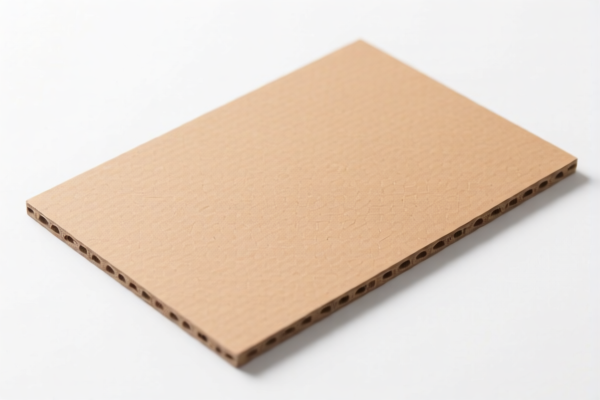
AI Analysis
🧩 PP Board (Polypropylene Board) – Comprehensive HS Code & Tariff Guide (2026 Update)
🌐 HS Code Reference & Customs Clearance Strategy | 2026 Latest Tariff Breakdown | Expert-Level Import Planning
📌 One Product, Multiple Codes – Why the Tax Difference Matters!
🔥 Critical Insight:
The same product — PP Board (Polypropylene Board) — can be classified under 5 different HS Codes, each with drastically different tariffs (from 13.4% to 41.5%).❗ Misclassification = 30%+ extra duty cost.
✅ Correct classification = Legal savings, faster clearance, zero penalties.
📦 1. HS Code Classification Breakdown (2026 Official Tariff List)
| HS Code | Product Description | Material | Form | Key Distinction | Tax Rate |
|---|---|---|---|---|---|
3921.19.00.10 |
PP Board, Polypropylene, in plate form | Polypropylene | Plate | High purity, structural use | 41.5% |
3920.20.00.20 |
PP Board, Polypropylene Polymer, in plate/sheet form | Polypropylene Polymer | Plate, Sheet | General polymer, broader category | 39.2% |
3920.20.00.55 |
PP Board, Polypropylene, in plates/sheets | Polypropylene | Plates, Sheets | Same as above, different subheading | 39.2% |
3921.19.00.90 |
PP Board, Plastic, in plate/sheet/film/foil/strips | Plastic | Plate, Sheet, Film, Foil, Strip | Broadest category – includes mixed plastics | 41.5% |
3924.10.40.00 |
PP Cutting Board, Plastic, Kitchen Use | Plastic | Cutting Board | Purpose-driven: kitchen tool | 13.4% |
3924.10.20.00 |
PP Cutting Board, Plastic, Kitchen Utensil/Container | Plastic | Cutting Board | Purpose + function: kitchenware | 24.0% |
⚠️ Why So Many Codes?
The difference lies in material specificity, form, and intended use.
- "Polypropylene" vs "Plastic" → more specific = higher tariff? ❌ Not always.
- "Board" vs "Cutting Board" → use case changes everything.
- "Plate" vs "Sheet" vs "Film" → form matters for classification.
💰 2. 2026 Tariff Breakdown – Full Tax Clause Analysis (US Market)
✅ Applicable Country: United States (US)
✅ Origin: China (CN)
✅ Effective Date: November 10, 2025 (inclusive)
✅ Legal Basis: U.S. Tariff Schedule, IEEPA, USITC Section 301, Footnote 9903.88.01
🎯 1. 3921.19.00.10 – PP Board (Polypropylene, Plate Form)
| Item | Detail |
|---|---|
| Base Duty | 6.5% |
| Section 301 (USITC) Additional Duty | +25.0% |
| IEEPA Emergency Economic Powers Act (122 Clause) | +10.0% |
| Total Effective Duty | 41.5% |
| Tax Calculation | CIF Value × 41.5% |
| De Minimis Threshold | ❌ Not applicable (denied) |
| Legal Path | IEEPA:9903.01.25 → IEEPA:9903.01.24 → USITC:3921.19.00.10 → FOOTNOTE:9903.88.01 |
📌 Why 41.5%?
- "Polypropylene" is a targeted chemical under Section 301.
- "Plate" form is considered industrial material → not exempt.
- No kitchen use → no relief under 3924.10.40.00.
🎯 2. 3920.20.00.20 – PP Board (Polypropylene Polymer, Plate/Sheet)
| Item | Detail |
|---|---|
| Base Duty | 4.2% |
| Section 301 (USITC) Additional Duty | +25.0% |
| IEEPA (122 Clause) | +10.0% |
| Total Effective Duty | 39.2% |
| Tax Calculation | CIF × 39.2% |
| De Minimis | ❌ Not eligible |
| Legal Path | IEEPA:9903.01.25 → IEEPA:9903.01.24 → USITC:3920.20.00.20 → FOOTNOTE:9903.88.01 |
📌 Why 39.2%?
- "Polypropylene Polymer" is a generic chemical term, slightly less targeted than pure "PP".
- Still falls under Section 301 and IEEPA → same extra tariffs.
- Form (plate/sheet) is industrial → no relief.
🎯 3. 3920.20.00.55 – PP Board (Polypropylene, Plates/Sheets)
| Item | Detail |
|---|---|
| Base Duty | 4.2% |
| Section 301 (USITC) | +25.0% |
| IEEPA (122 Clause) | +10.0% |
| Total Effective Duty | 39.2% |
| Tax Calculation | CIF × 39.2% |
| De Minimis | ❌ Not eligible |
| Legal Path | IEEPA:9903.01.25 → IEEPA:9903.01.24 → USITC:3920.20.00.55 → FOOTNOTE:9903.88.01 |
📌 Note: Same as
3920.20.00.20— only subheading differs, tax identical.
- "Plates, Sheets" is a functional descriptor, not a purpose.
- Still considered industrial plastic, not consumer product.
🎯 4. 3921.19.00.90 – PP Board (Plastic, Plate/Sheet/Film/Foil/Strip)
| Item | Detail |
|---|---|
| Base Duty | 6.5% |
| Section 301 (USITC) | +25.0% |
| IEEPA (122 Clause) | +10.0% |
| Total Effective Duty | 41.5% |
| Tax Calculation | CIF × 41.5% |
| De Minimis | ❌ Not eligible |
| Legal Path | IEEPA:9903.01.25 → IEEPA:9903.01.24 → USITC:3921.19.00.90 → FOOTNOTE:9903.88.01 |
📌 Why 41.5%?
- "Plastic" is a broad term → no specificity.
- "Plate, Sheet, Film, Foil, Strip" → all included → high-risk for 301/IEEPA.
- No material precision → treated as high-value industrial plastic.
🎯 5. 3924.10.40.00 – PP Cutting Board (Kitchen Use)
| Item | Detail |
|---|---|
| Base Duty | 3.4% |
| Section 301 (USITC) | +0.0% |
| IEEPA (122 Clause) | +10.0% |
| Total Effective Duty | 13.4% |
| Tax Calculation | CIF × 13.4% |
| De Minimis | ✅ Eligible (if < $800) |
| Legal Path | IEEPA:9903.01.24 → FOOTNOTE:9903.88.01 → 3924.10.40.00 |
📌 Why Only 13.4%?
- "Kitchen Use" is a purpose-based exemption.
- No Section 301 duty (0%) → huge saving.
- IEEPA still applies (10%), but base duty is low.
🎯 6. 3924.10.20.00 – PP Cutting Board (Kitchen Utensil/Container)
| Item | Detail |
|---|---|
| Base Duty | 6.5% |
| Section 301 (USITC) | +7.5% |
| IEEPA (122 Clause) | +10.0% |
| Total Effective Duty | 24.0% |
| Tax Calculation | CIF × 24.0% |
| De Minimis | ❌ Not eligible |
| Legal Path | IEEPA:9903.01.25 → IEEPA:9903.01.24 → USITC:3924.10.20.00 → FOOTNOTE:9903.88.01 |
📌 Why 24.0%?
- "Kitchen utensil/container" → broader function → still subject to partial Section 301 (7.5%).
- No full exemption, but lower than industrial PP boards.
🛠️ 3. Customs Clearance Best Practices (Pro Tips)
✅ 1. Documentation Checklist (Must-Have)
| Document | Required? | Why It Matters |
|---|---|---|
| ✅ Product Specification Sheet | ✔️ | Prove material (PP vs plastic), form (plate vs sheet), thickness |
| ✅ Technical Drawings / Photos | ✔️ | Show shape, size, edge finish, surface texture |
| ✅ Commercial Invoice | ✔️ | Must state: “PP Board, Polypropylene, Plate Form” or “Cutting Board, Kitchen Use” |
| ✅ Packing List | ✔️ | Show quantity, weight, packaging type |
| ✅ Certificate of Origin (CO) | ✔️ | Required for tariff claims; can affect IEEPA/301 status |
| ✅ Test Report (RoHS, FDA, etc.) | ✔️ | If for food contact (cutting board), needed for compliance |
| ✅ Label/Marking Proof | ✔️ | Show product name, brand, model, intended use |
✅ 2.申报技巧 (Key Rules to Remember)
🔥 "Purpose Changes Tax: Industrial = 41.5%, Kitchen = 13.4%"
| Scenario | Correct HS Code | Wrong Code | Result |
|---|---|---|---|
| PP board for industrial shelf, no kitchen use | 3921.19.00.10 or 3920.20.00.20 |
3924.10.40.00 |
Overpay 28% tax |
| PP cutting board labeled "kitchen use" | 3924.10.40.00 |
3921.19.00.10 |
Save 28.1% |
| PP board with mixed plastic | 3921.19.00.90 |
3920.20.00.55 |
Same tax, but riskier |
| Cutting board sold as "utensil" | 3924.10.20.00 |
3924.10.40.00 |
Pay 10.6% more |
✅ 3. Special Cases & Mitigation Strategies
| Situation | Solution |
|---|---|
| Cutting board used in commercial kitchen | Still eligible for 3924.10.40.00 (kitchen use = 13.4%) |
| PP board with branding for retail | If no kitchen use, must use industrial code → 41.5% |
| PP board sold as "art display" or "prototyping" | Still industrial → 41.5% |
| Product is partially recycled PP | Still subject to 301/IEEPA if origin is China |
| Product is made in Vietnam/Mexico | Can apply for IEEPA exemption → 0% on 3924.10.40.00 |
🌍 4. Global Market Tariff Comparison (2026)
| Country | Recommended HS Code | Duty | Certification | Notes |
|---|---|---|---|---|
| 🇺🇸 USA | 3924.10.40.00 (kitchen) |
13.4% | FDA (if food contact) | De Minimis applies |
| 🇨🇳 China | 3921.19.00.10 |
5% | CCC | No extra tariffs |
| 🇪🇺 EU | 3921.19.00.10 |
0% (if CE) | CE, REACH | No 301/IEEPA |
| 🇦🇺 Australia | 3921.19.00.10 |
5% | RCM | No extra duties |
| 🇯🇵 Japan | 3921.19.00.10 |
0% | PSE | No 301/IEEPA |
📌 Insight:
- USA is the only market with 301/IEEPA tariffs on PP boards.
- Kitchen-use boards (3924.10.40.00) are the only ones with 13.4% in US.
- All other markets are much lower or zero.
📌 5. Common Mistakes & How to Avoid Them
❌ Mistake 1: Calling a cutting board “PP Board” in invoice
👉 Result: Taxed at 41.5% → overpay 28.1%
✅ Fix: Use “PP Cutting Board, Kitchen Use” in description.
❌ Mistake 2: Not specifying material as "Polypropylene"
👉 Result: Classified as "Plastic" → taxed at 41.5%
✅ Fix: Use “Polypropylene (PP)” in technical specs.
❌ Mistake 3: Selling PP board as "industrial" but using kitchen imagery
👉 Result: Customs may reclassify as kitchenware → risk of audit
✅ Fix: Keep branding and packaging consistent.
❌ Mistake 4: Not applying for de minimis on cutting board (under $800)
👉 Result: Pay 13.4% on small shipments
✅ Fix: Claim de minimis if value < $800.
🎯 6. Final Verdict: How to Save Thousands in Duties
✅ If your product is a cutting board for kitchen use → use
3924.10.40.00→ 13.4%
✅ If it's industrial, structural, or general plastic board → use3921.19.00.10→ 41.5%
✅ Never use "Plastic" alone – it triggers the highest rate
✅ Always confirm intended use in labeling, packaging, and invoice
📣 Pro Tip: Apply for Advance Ruling (Pre-Clearance)
🔥 Get a binding HS Code decision from U.S. CBP before shipment
- Avoids misclassification risk
- Locks in tariff rate
- Saves time & money on future shipments
✨ Summary: The Golden Rule of PP Board Importing
🔹 "If it’s for the kitchen → 13.4% (3924.10.40.00)
🔹 If it’s industrial → 41.5% (3921.19.00.10)
🔹 "Plastic" = 41.5%
🔹 "PP" = 39.2% or 41.5%
🔹 Purpose defines the tax!
📌 Your Next Step:
📞 Contact a licensed customs broker
📄 Provide product photos, specs, and use case
🚀 Get HS Code pre-approval + tariff estimate
💼 Your product’s success starts with the right HS Code.
🎯 Precision today = Profit tomorrow.
🚀 Export with confidence. Import with control.
Customer Reviews
About HS Code Classification
The Harmonized System (HS) is an internationally standardized nomenclature developed by the World Customs Organization (WCO) to classify traded products. Over 200 countries use the HS system as the basis for customs tariffs, trade statistics, and import/export regulations.
Each HS code follows a hierarchical structure:
- Chapter (2 digits) — Broad category of goods (e.g., Chapter 84: Machinery and Mechanical Appliances)
- Heading (4 digits) — More specific grouping within the chapter
- Subheading (6 digits) — Internationally standardized breakdown, used by all WCO member countries
- National subdivisions (8-10 digits) — Country-specific extensions for further classification, such as US HTSUS 10-digit codes
Correct HS code classification is essential for smooth customs clearance, accurate duty payment, and compliance with trade regulations. Misclassification can lead to customs delays, overpayment of duties, or penalties.
When importing from CN to US, the applicable tariff rates may include:
- Most-Favored-Nation (MFN) rate — The standard duty rate applied to WTO members
- General rate — Applied to countries without trade agreements
- Trade remedy duties — Additional tariffs such as Section 301 (anti-dumping), Section 232 (national security), or countervailing duties
The information provided on this page is for reference purposes only. For official classification, please consult with your local customs authority or a licensed customs broker.