PP Plastic Color Printed Gift Packaging Film
CN → US| HS Code | Tariff Rate | Origin | Destination | Doc |
|---|---|---|---|---|
| 3920200055 | 39.2% | CN | US | Official Doc |
| 3920200020 | 39.2% | CN | US | Official Doc |
| 3921190010 | 41.5% | CN | US | Official Doc |
| 3921905050 | 39.8% | CN | US | Official Doc |
| 3923290000 | 38.0% | CN | US | Official Doc |
| 3923900080 | 38.0% | CN | US | Official Doc |
Product Images
AI Analysis
🎁 PP Plastic Color Printed Gift Packaging Film
🌐 HS Code Reference & Customs Clearance Guide | 2026 Latest Tariff Analysis | Professional Clearance Strategy
📌 I. Product Definition & Classification: What Exactly is "PP Packaging Film"?
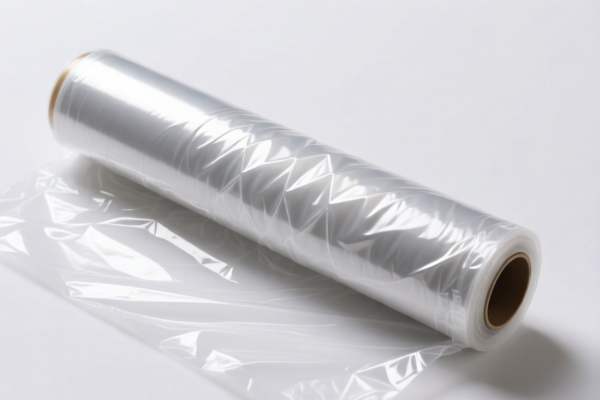
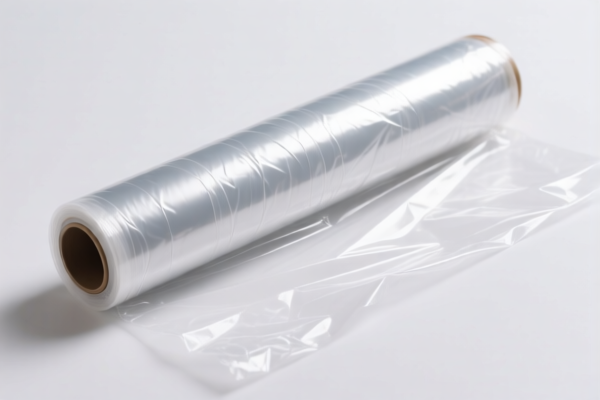
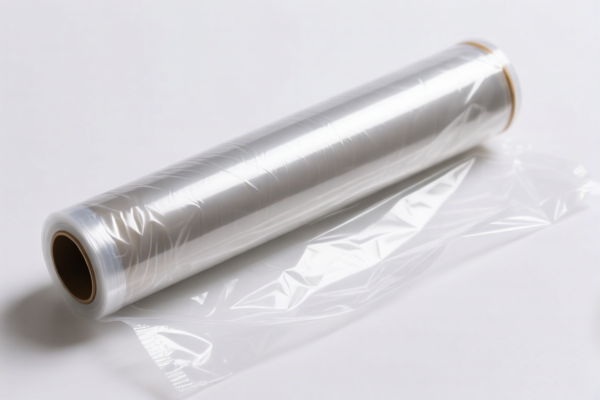
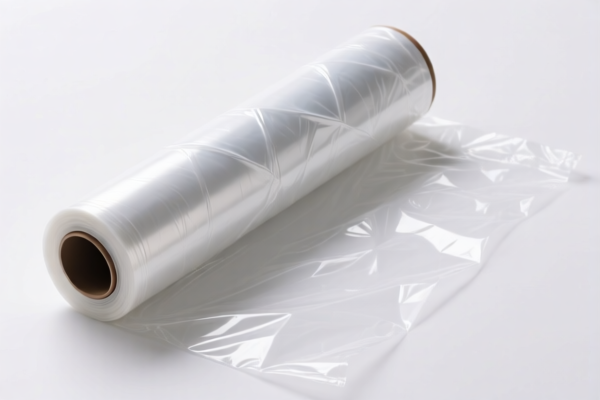
PP (Polypropylene) Plastic Color Printed Gift Packaging Film is a versatile, transparent or colored plastic sheet/film made from polypropylene resin. It is widely used for gift wrapping, product packaging, labeling, and protective covering.
In international trade, the classification depends heavily on the specific application and physical form: * Raw/General Purpose Film: Uncoated, non-reinforced, used for general wrapping. * Packaging Specific Film: Designed specifically for bags, sacks, or pouches. * Plastic Articles: If it forms a finished package or has specific structural properties beyond simple wrapping.
⚠️ Key Distinction Point:
- If the film is primarily for general wrapping or industrial use (not specifically shaped/bagged) → Consider 3920 / 3921.
- If the film is specifically for packaging bags, sacks, or pouches → Consider 3923.
📦 II. HS Code Classification Details (2026 Latest Tariff Authoritative Comparison)
| HS Code | Product Description | Applicable Scenario | Tax Rate (Total) | Key Tariff Components |
|---|---|---|---|---|
3920.20.00.55 |
Other plates, sheets, film, foil and strip, of polymers of ethylene | General PP film, non-bagged form | 39.2% | Base: 4.2% + Sec. 301: 25% + IEEPA: 10% |
3920.20.00.20 |
Other plates, sheets, film, foil and strip, of polymers of ethylene | PP film, consistent with reference categories | 39.2% | Base: 4.2% + Sec. 301: 25% + IEEPA: 10% |
3921.19.00.10 |
Other plates, sheets, film, foil and strip, of plastics | PP film meeting definition of polypropylene film | 41.5% | Base: 6.5% + Sec. 301: 25% + IEEPA: 10% |
3921.90.50.50 |
Other plates, sheets, film, foil and strip, of plastics | PP plastic plate/sheet/film characteristics | 39.8% | Base: 4.8% + Sec. 301: 25% + IEEPA: 10% |
3923.29.00.00 |
Sacks and bags, of plastics | PP plastic packaging film (bags/sacks) | 38.0% | Base: 3.0% + Sec. 301: 25% + IEEPA: 10% |
3923.90.00.80 |
Other articles for the conveyance or packaging of goods | PP plastic packaging articles | 38.0% | Base: 3.0% + Sec. 301: 25% + IEEPA: 10% |
🔍 Key Reminder:
- General Film vs. Packaged Goods: If the "film" is sold as a roll for cutting into bags, it may fall under 3920/3921. If it is already formed into bags or specific packaging units, 3923 is more appropriate.
- Base Rate Matters: 3923 has a lower base rate (3.0%) compared to 3920/3921 (4.2%-6.5%), making it slightly more tax-efficient if applicable.
💰 III. 2026 Latest Tariff Rate Breakdown (Including Surtax, Policy Surtax)
✅ Applicable Country: United States (US)
✅ Origin: China (CN)
✅ Effective Date: From November 10, 2025 (including subsequent imports)
🎯 1. 3920.20.00.55 & 3920.20.00.20 —— PP Film (Ethylene Polymers Category)
| Item | Content |
|---|---|
| Base Tariff | 4.2% (ad valorem) |
| USITC Surtax (Section 301) | +25% (from USITC Footnote) |
| IEEPA Surtax | +10% (Targeting China/HK products, effective Nov 10, 2025) |
| Total Tariff Rate | 39.2% |
| Tax Calculation | CIF Value × 39.2% |
| De Minimis Exemption | ❌ Not Available (deny_de_minimis) |
| Legal Basis Path | IEEPA:9903.01.25 → IEEPA:9903.01.24 → USITC:3920.20.00.20 → FOOTNOTE |
📌 Explanation:
- Although labeled under "ethylene polymers" in some databases, PP (polypropylene) is often grouped here for general film classification if not specifically listed elsewhere.
- Total 39.2% is a significant burden. Ensure the product description clearly states "Polypropylene (PP)" to avoid misclassification penalties.
🎯 2. 3921.19.00.10 —— PP Film (Polypropylene Specific)
| Item | Content |
|---|---|
| Base Tariff | 6.5% |
| USITC Surtax (Section 301) | +25% |
| IEEPA Surtax | +10% |
| Total Tariff Rate | 41.5% |
| Tax Calculation | CIF Value × 41.5% |
| De Minimis Exemption | ❌ Not Available |
| Legal Basis Path | IEEPA:9903.01.24 → USITC:3921.19.00.10 |
📌 Note:
- This code specifically mentions "polypropylene film."
- Highest Base Rate: 6.5% makes this the most expensive option among similar films. Use only if no other classification fits.
🎯 3. 3921.90.50.50 —— PP Plastic Articles (Plates/Sheets/Film)
| Item | Content |
|---|---|
| Base Tariff | 4.8% |
| USITC Surtax (Section 301) | +25% |
| IEEPA Surtax | +10% |
| Total Tariff Rate | 39.8% |
| Tax Calculation | CIF Value × 39.8% |
| De Minimis Exemption | ❌ Not Available |
| Legal Basis Path | IEEPA:9903.01.24 → USITC:3921.90.50.50 |
📌 Note:
- A "catch-all" for plastic sheets/films not specified elsewhere.
- Slightly cheaper than3921.19due to lower base rate.
🎯 4. 3923.29.00.00 & 3923.90.00.80 —— PP Packaging Bags/Films
| Item | Content |
|---|---|
| Base Tariff | 3.0% |
| USITC Surtax (Section 301) | +25% |
| IEEPA Surtax | +10% |
| Total Tariff Rate | 38.0% |
| Tax Calculation | CIF Value × 38.0% |
| De Minimis Exemption | ❌ Not Available |
| Legal Basis Path | IEEPA:9903.01.24 → USITC:3923.29.00.00 |
📌 Key Advantage:
- Lowest Base Rate: 3.0% saves 1.2%-3.5% compared to 3920/3921 codes.
- Applicability: Only use if the product is explicitly for packaging bags, sacks, or pouches. If it's just a roll of film for cutting, this might be contested by customs.
🛠️ IV. Customs Clearance Practical Advice (Real-World Pitfall Avoidance)
✅ 1. Preparation Checklist (Mandatory)
| Material | Required | Description |
|---|---|---|
| ✅ Product Specifications | ✔️ | Material: 100% PP, Thickness, Width, Length, Print Color, Gloss/Matt finish |
| ✅ Composition Certificate | ✔️ | Confirm no PVC/PE contamination; pure PP |
| ✅ Product Photos | ✔️ | Show roll, packaging, and printed details |
| ✅ Commercial Invoice | ✔️ | Clearly state "PP Plastic Film for Gift Packaging" |
| ✅ Packing List | ✔️ | Net weight, Gross weight, Dimensions |
| ✅ Declaration Statement | ✔️ | "For use in gift packaging" or "General purpose wrapping" |
✅ 2. Declaration Tips (Key Mantra)
🔥 “Material is Key, Use Determines Code, Print Doesn’t Change HS!”
| Scenario | Correct Declaration | Wrong Approach |
|---|---|---|
| Roll of PP Film (for cutting) | 3920.20.00.20 or 3920.20.00.55 |
Declare as "Gift Box" → Higher Tax |
| Finished PP Bags | 3923.29.00.00 |
Declare as "Film" → Missed Savings |
| Colored/Printed Film | 3920.20.00.20 |
Print color does NOT change HS code for raw film |
| Reinforced/Coated Film | 3921.19.00.10 or 3921.90.50.50 |
If coated, it’s no longer "simple" film |
💡 Crucial Note:
- Printing/Coloring: Does not change the HS code for PP film. It remains under Chapter 39.
- Packaging vs. Raw Film: If you sell rolls → 3920/3921. If you sell pre-made bags → 3923.
✅ 3. Special Situations
| Situation | Handling Advice |
|---|---|
| OEM Custom Printing | Provide design files to prove it’s for specific client use, but HS code remains same. |
| Biodegradable PP? | If not certified biodegradable, declare as standard PP. False claims lead to fraud. |
| Small Samples | Even under de minimis ($800), Section 301 and IEEPA taxes apply. No exemption! |
| Multi-Material Rolls | If core is plastic and film is PP, declare based on principal material (PP). |
🌍 V. Global Market Clearance Comparison (2026 Latest)
| Country/Region | Recommended HS Code | Total Tariff (China Origin) | Certification | Notes |
|---|---|---|---|---|
| 🇺🇸 USA | 3923.29.00.00 |
38.0% | No specific | Lowest rate if bags; Film is 39.2% |
| 🇨🇳 China | 3920.20.00.20 |
6.0% | CCC (if applicable) | Low tax, high volume |
| 🇪🇺 EU | 3920.20.00.00 |
6.5% | REACH + RoHS | No surtax, standard MFN |
| 🇬🇧 UK | 3920.20.00.00 |
6.5% | UKCA + RoHS | Post-Brexit rules apply |
| 🇯🇵 Japan | 3920.20.00.00 |
6.0% | PSE (if electrical) | Stable trade environment |
📌 Conclusion:
- USA is the most challenging market due to 301 + IEEPA surcharges.
- EU/UK/JP offer significantly lower costs (~6-7%).
- Strategy: If targeting USA, consider 3923 (packaging bags) for a 1.2% savings if applicable.
📌 VI. Common Errors & Pitfalls (Lessons Learned)
❌ Error 1: Declaring "Gift Packaging Film" as "Plastic Bags" (3923) when it’s actually a roll for cutting.
👉 Result: Customs may reclassify to 3920 (39.2%) or penalize for misdeclaration.
❌ Error 2: Assuming "Color Printed" changes the HS code.
👉 Result: It does not. Declaring as a different code leads to delays and audits.
❌ Error 3: Using De Minimis ($800) to avoid taxes.
👉 Result: Section 301 and IEEPA taxes STILL APPLY to shipments under $800. You will be charged 39.2% on the full value.
❌ Error 4: Not specifying "100% PP".
👉 Result: If blended with PE or PVC, it may be classified under 3921 or 3904, leading to different rates.
✅ Correct Practice:
"PP Plastic Film, 100% Polypropylene, 20 Micron, 12 Inch Width, Color Printed, Roll Form, For Gift Packaging Use. Model: XYZ-PP-20."
🎯 VII. Conclusion: Professional Declaration, Save Costs!
🎯 Remember the Mantra:
🔹 "Roll = 3920/3921 (39.2%-41.5%) | Bag = 3923 (38.0%)"
🔹 "Print Doesn’t Matter, Material Does. Surtax is Inevitable for China!"
🔹 "Check De Minimis: No Exemption for US Imports from China!"
📌 Pro Tip:
- If your PP film is blown film vs. cast film, it doesn’t change the HS code here, but ensure consistency in technical descriptions.
- For USA imports, consider Advance Ruling if your product is borderline between 3920 (film) and 3923 (bags).
- Supply Chain: If possible, source PP from non-China origins (Vietnam, Thailand) to potentially avoid IEEPA 10% surtax (subject to current FTAs).
📣 Immediate Action:
📞 Contact a licensed customs broker + Provide product specs + Apply for HS Code Pre-ruling
🚀 Ensure smooth clearance, avoid penalties, and optimize your landed cost!
✨ Professional Clearance Starts with Accurate Classification!
💼 Every cent counts in cross-border trade!
Customer Reviews
About HS Code Classification
The Harmonized System (HS) is an internationally standardized nomenclature developed by the World Customs Organization (WCO) to classify traded products. Over 200 countries use the HS system as the basis for customs tariffs, trade statistics, and import/export regulations.
Each HS code follows a hierarchical structure:
- Chapter (2 digits) — Broad category of goods (e.g., Chapter 84: Machinery and Mechanical Appliances)
- Heading (4 digits) — More specific grouping within the chapter
- Subheading (6 digits) — Internationally standardized breakdown, used by all WCO member countries
- National subdivisions (8-10 digits) — Country-specific extensions for further classification, such as US HTSUS 10-digit codes
Correct HS code classification is essential for smooth customs clearance, accurate duty payment, and compliance with trade regulations. Misclassification can lead to customs delays, overpayment of duties, or penalties.
When importing from CN to US, the applicable tariff rates may include:
- Most-Favored-Nation (MFN) rate — The standard duty rate applied to WTO members
- General rate — Applied to countries without trade agreements
- Trade remedy duties — Additional tariffs such as Section 301 (anti-dumping), Section 232 (national security), or countervailing duties
The information provided on this page is for reference purposes only. For official classification, please consult with your local customs authority or a licensed customs broker.