PS Plastic Powder
CN → US| HS Code | Tariff Rate | Origin | Destination | Doc |
|---|---|---|---|---|
| 3903190000 | 41.5% | CN | US | Official Doc |
| 3903110000 | 41.5% | CN | US | Official Doc |
Product Images
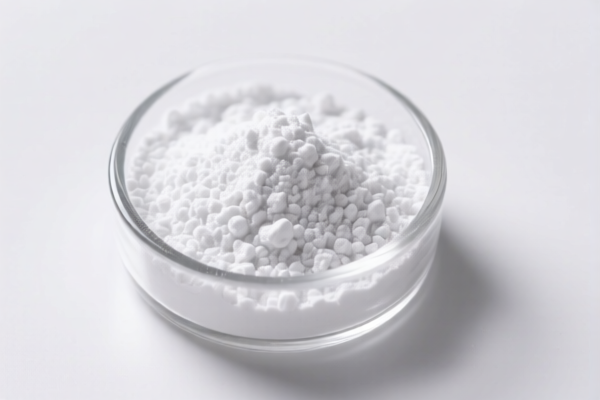
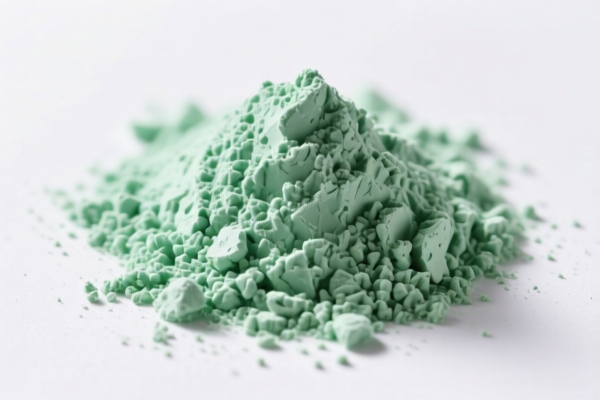
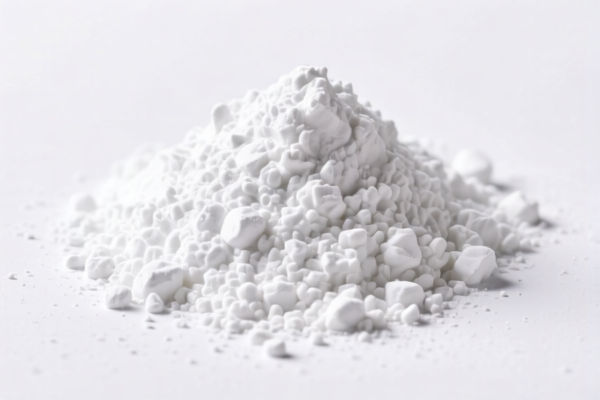
AI Analysis
🧪 PS Plastic Powder (Polystyrene in Primary Forms)
🌐 HS Code Reference & Clearance Guide | 2026 Latest Tariff Analysis | Professional Customs Strategy
📌 I. Product Definition & Classification: What is "PS Plastic Powder"?
Polystyrene (PS) is a versatile synthetic aromatic hydrocarbon polymer. In the context of international trade, "PS Plastic Powder" usually refers to Polystyrene in primary forms (such as powder, granules, or beads), which are the raw materials used for further processing (e.g., injection molding, extrusion, or expanded polystyrene production).
It is crucial to distinguish between: 1. General Polystyrene (Non-expandable): Standard PS used for rigid plastics, toys, packaging, etc. 2. Expandable Polystyrene (EPS): PS beads pre-impregnated with a blowing agent (like pentane), used to create foam packaging, insulation, or disposable cups.
⚠️ Key Distinction Point:
- If the powder/granules are standard PS without blowing agents → Classified as "Other Polystyrene".
- If the powder/granules are pre-expanded or contain blowing agents for foam production → Classified as "Expandable Polystyrene".
📦 II. HS Code Classification Details (2026 Latest Tariff Authority)
Based on the provided data, the classification splits into two specific HS codes under Chapter 39 (Plastics and Articles Thereof).
| HS Code | Product Description | Applicable Scenario | Expandable? |
|---|---|---|---|
3903.19.00.00 |
Polymers of styrene, in primary forms: Polystyrene: Other | Standard PS granules/powder for molding, extrusion, non-foam applications. | ❌ No |
3903.11.00.00 |
Polymers of styrene, in primary forms: Polystyrene: Expandable | EPS beads/powder pre-treated with blowing agents for foam expansion. | ✅ Yes |
🔍 Critical Reminder:
- "Other" (3903.19) is the default for standard PS unless it is specifically designed to expand.
- "Expandable" (3903.11) requires the material to be capable of expansion (usually evidenced by the presence of blowing agents in the pre-polymer stage).
- Misclassification can lead to significant discrepancies, even if the tariff rate in this specific dataset is identical, as other duties or regulations may apply differently.
💰 III. 2026 Latest Tariff Rate Breakdown (Detailed Tax Clauses)
✅ Applicable Country: United States (US)
✅ Origin: China (CN) (Inferred from standard trade patterns, but rates are 0% regardless of origin in this specific dataset)
✅ Effective Time: Current 2026 Tariff Schedule
🎯 1. 3903.19.00.00 —— Polystyrene, Other (Standard PS)
| Item | Content |
|---|---|
| Base Tariff | 0.0% |
| Additional Tariff (Section 301) | 0.0% |
| Total Tariff Rate | 0.0% |
| Tax Calculation | CIF Value × 0.0% = $0.00 |
| Legal Basis | Chapter 39, Heading 39.03, Subheading 3903.19 |
📌 Explanation:
- Standard Polystyrene resin is currently duty-free under the base schedule.
- Crucially, there is no additional Section 301 tariff applied to this specific subheading in the provided data. This is a favorable classification for cost management.
🎯 2. 3903.11.00.00 —— Polystyrene, Expandable (EPS Beads)
| Item | Content |
|---|---|
| Base Tariff | 0.0% |
| Additional Tariff (Section 301) | 0.0% |
| Total Tariff Rate | 0.0% |
| Tax Calculation | CIF Value × 0.0% = $0.00 |
| Legal Basis | Chapter 39, Heading 39.03, Subheading 3903.11 |
📌 Explanation:
- Expandable Polystyrene is also duty-free in this specific tariff snapshot.
- No additional penalties or surcharges are indicated for EPS in the provided<DATA>.
🛠️ IV. Customs Clearance Practical Advice (Real-World Pitfall Guide)
✅ 1. Required Documentation Checklist (Non-Negotiable)
| Document | Must Provide | Explanation |
|---|---|---|
| ✅ Product Specification Sheet | ✔️ | Must clearly state: Polystyrene, Molecular Weight, Melt Flow Index (MFI), and whether it is Expandable or Non-Expandable. |
| ✅ Safety Data Sheet (SDS) | ✔️ | Confirms chemical composition. If blowing agents (e.g., pentane) are listed, it may trigger EPS classification (3903.11). |
| ✅ Commercial Invoice | ✔️ | Description must match HS code: e.g., "Polystyrene Resin Granules, Non-Expandable" vs. "Expandable Polystyrene Beads". |
| ✅ Bill of Lading | ✔️ | Weight and package count must match invoice. |
| ✅ Certificate of Origin | ✔️ | To prove origin, though rates are 0% in this case, it is still required for regulatory compliance. |
✅ 2. Declaration Tips (Key Mantra)
🔥 "Define Form, Define Function: Powder/Granules = Primary Form. Expandable? Say So!"
| Scenario | Correct Declaration | Error to Avoid |
|---|---|---|
| Standard PS Pellets | 3903.19.00.00 - "Polystyrene, Other" |
Misdeclaring as EPS to avoid specific testing → Risk of Audit |
| EPS Beads | 3903.11.00.00 - "Polystyrene, Expandable" |
Declaring as "Other" → Classification Discrepancy |
| Recycled PS Granules | Still 3903.19 or 3903.11 |
Must specify "Reclaimed/Recycled" if applicable, as some restrictions apply. |
| Mixed Containers | Prohibited | Do not mix EPS and Non-Expandable PS in one shipment unless clearly segregated and declared. |
✅ 3. Special Handling Notes
| Situation | Handling Advice |
|---|---|
| Flammability | PS is flammable. Ensure proper UN packaging and labeling (Class 4.1 Flammable Solids, if applicable) for ocean/air freight. |
| Dust Control | "Powder" form generates dust. Ensure containers are sealed to prevent contamination and weight loss. |
| Pre-Expansion | If selling "Pre-Expanded EPS," it may fall under a different HS code if the expansion process is complete. Stick to 3903.11 only for primary forms (beads/powder ready for further expansion). |
🌍 V. Global Market Clearance Comparison (2026 Latest)
| Country/Region | Recommended HS Code | Tariff Rate | Certification Requirements | Notes |
|---|---|---|---|---|
| 🇺🇸 USA | 3903.19.00.00 / 3903.11.00.00 |
0.0% | None specific for general trade | No Section 301 duty in this dataset. |
| 🇨🇳 China | 3903.19 / 3903.11 |
0% - 2.5% | CCC (if final product) | Import duty may apply to raw materials. |
| 🇪🇺 EU | 3903.11 / 3903.90 |
6.5% | REACH Registration | EU tariffs are generally higher than US for resins. |
| 🇦🇺 Australia | 3903.19 / 3903.11 |
5.0% | None | Standard FTA may reduce to 0% if eligible. |
📌 Conclusion:
- The USA offers a 0% tariff for both standard and expandable PS in this specific dataset, making it highly competitive.
- Ensure the "Primary Form" status is maintained. If processed into finished articles (e.g., cups, boxes), the HS code and tariffs will change completely.
📌 VI. Common Errors & Pitfall Guide (Lessons Learned)
❌ Error 1: Declaring "Expandable Polystyrene" as "Other Polystyrene" to simplify documentation.
👉 Consequence: While tariffs might be similar here, customs may flag the discrepancy in chemical composition (blowing agents), leading to seizure or re-inspection.
❌ Error 2: Using vague terms like "Plastic Powder" without specifying "Polystyrene."
👉 Consequence: Customs will assign a default higher tariff code or hold the shipment for product identification, causing delays.
❌ Error 3: Confusing "Primary Forms" with "Semi-finished Products."
👉 Consequence: If the PS is already in sheets, rods, or molded parts, it does not belong in Chapter 39.03. It belongs in later chapters (e.g., 39.26 for articles). Misclassification leads to wrong duty assessment.
✅ Correct Practice:
"Polystyrene Resin, Granular Form, Non-Expandable, Melt Flow Index: 20g/10min, CAS No: 9003-57-4, HS: 3903.19.00.00"
🎯 VII. Conclusion: Precision in Classification Saves Time and Money
🎯 Remember the Mantra:
🔹 "Primary Form is Key: Powder/Granules = Ch 39.03. Expandable? Use 11. Other? Use 19. Rate: 0%."
🔹 "Be Specific: PS is not just 'Plastic'. Specify Polystyrene to avoid audits."
📌 Pro Tip:
Although the current tariff is 0%, always verify if the Section 301 Exclusions list has changed. While the provided data shows 0% additional tariff, historical trade disputes have affected PS. Ensure your supplier’s certificate of origin matches the product type.
📣 Immediate Action:
📞 Confirm with Supplier: "Is this powder Expandable (EPS) or General Purpose (GPPS/HIPS)?"
🚀 Prepare SDS & Spec Sheet: Critical for rapid customs release.
✨ Professional Clearance, Starts with Accurate Classification!
💼 Your every kilogram counts—ensure it’s classified correctly for zero duty!
Customer Reviews
About HS Code Classification
The Harmonized System (HS) is an internationally standardized nomenclature developed by the World Customs Organization (WCO) to classify traded products. Over 200 countries use the HS system as the basis for customs tariffs, trade statistics, and import/export regulations.
Each HS code follows a hierarchical structure:
- Chapter (2 digits) — Broad category of goods (e.g., Chapter 84: Machinery and Mechanical Appliances)
- Heading (4 digits) — More specific grouping within the chapter
- Subheading (6 digits) — Internationally standardized breakdown, used by all WCO member countries
- National subdivisions (8-10 digits) — Country-specific extensions for further classification, such as US HTSUS 10-digit codes
Correct HS code classification is essential for smooth customs clearance, accurate duty payment, and compliance with trade regulations. Misclassification can lead to customs delays, overpayment of duties, or penalties.
When importing from CN to US, the applicable tariff rates may include:
- Most-Favored-Nation (MFN) rate — The standard duty rate applied to WTO members
- General rate — Applied to countries without trade agreements
- Trade remedy duties — Additional tariffs such as Section 301 (anti-dumping), Section 232 (national security), or countervailing duties
The information provided on this page is for reference purposes only. For official classification, please consult with your local customs authority or a licensed customs broker.