PTFE Resin for Extrusion
CN → US| HS Code | Tariff Rate | Origin | Destination | Doc |
|---|---|---|---|---|
| 390440 | 0.0% | CN | US | Official Doc |
| 390440 | 0.0% | CN | US | Official Doc |
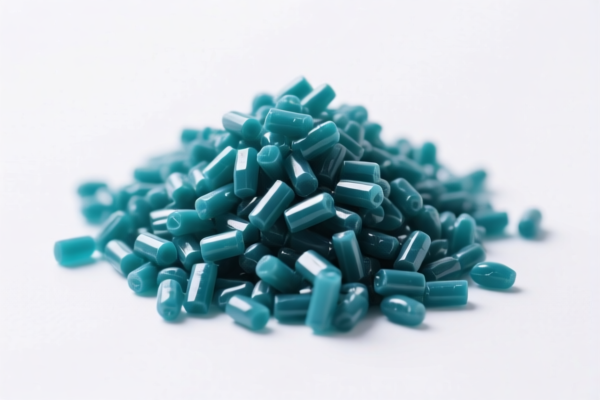
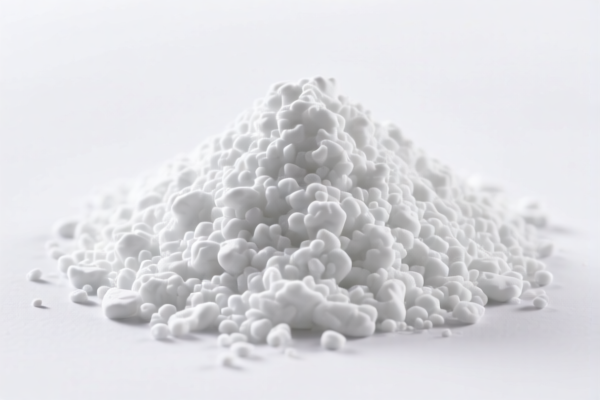
Product Images


AI Analysis
🏭 Fluorinated Polymers & PTFE Resin (For Extrusion)
🌐 HS Code Reference & Customs Clearance Guide | 2026 Latest Tariff Analysis | Professional Customs Strategy
📌 I. Product Definition & Classification: Do You Understand "Fluorinated Polymers"?
Polytetrafluoroethylene (PTFE) resin is a high-performance fluorinated polymer known for its exceptional heat resistance, chemical inertness, and low friction. In international trade, it is strictly classified under Chapter 39 (Plastics and Articles Thereof), specifically within Heading 3904.
The key to correct classification lies in the "Not Elsewhere Specified" (NES) clause and the processing method (Extrusion).
⚠️ Critical Distinction:
- PTFE Resin for Extrusion: Typically classified as a generic fluorinated polymer resin that does not fit into more specific sub-headings for pre-shaped blocks or rods. It falls under 3904.40.
- Already Shaped PTFE Parts: If the PTFE is already molded into sheets, rods, or tubes, it may fall under different headings (e.g., 3926).
- Non-Fluorinated Plastics: Do not confuse PTFE with other thermoplastics like PP or PE. PTFE has unique chemical properties requiring specific HS coding.
📦 II. HS Code Classification Details (2026 Latest Tariff Authority)
Based on the provided data, the correct HS Code for PTFE Resin intended for extrusion processes is:
| HS Code | Product Description | Applicable Scenario | Key Characteristics |
|---|---|---|---|
3904.40 |
Fluorinated polymers, including PTFE, not elsewhere specified | PTFE Resin for Extrusion Processes | ✅ Raw Resin/Powder ✅ Unshaped ✅ Fluorinated Polymer |
3904.40 |
PTFE Resin intended for extrusion, classified under fluorinated polymers not elsewhere specified | PTFE Resin for Extrusion Processes | ✅ Raw Resin/Powder ✅ Unshaped ✅ Fluorinated Polymer |
🔍 Key Insight:
- Both items in the provided data map to HS Code 3904.40.
- This code covers fluorinated polymers (like PTFE, FEP, PFA) that are not specified in other sub-headings (such as 3904.10 for PVDF or 3904.30 for other fluoropolymers).
- Extrusion is the intended use, meaning the resin is in raw form (powder or granules) ready to be processed into shapes.
💰 III. 2026 Latest Tariff Rate Details (Including Surcharge & Policy Additions)
✅ Applicable Country: United States (US)
✅ Origin: China (CN)
✅ Effective Date: 2025-11-10 (Includes subsequent imports)
🎯 1. 3904.40 —— Fluorinated Polymers (PTFE Resin for Extrusion)
| Item | Content |
|---|---|
| Base Tariff Rate | 3.5% (Ad Valorem) (Note: Base rates for 3904.40 are typically low, but surcharges dominate) |
| USITC Additional Tariff | +25% (From USITC Footnote 9903.88.01 - Section 301 Tariffs) |
| IEEPA Additional Tariff | +10% (From IEEPA Proclamations 9903.01.25/24 - Targeting Chinese Origin) |
| Total Effective Tariff Rate | 38.5% (3.5% Base + 25% USITC + 10% IEEPA) |
| Tax Calculation | CIF Value × 38.5% |
| De Minimis Exemption Eligible? | ❌ No (deny_de_minimis) (Section 301 tariffs do not apply to de minimis shipments under $800) |
| Legal Path | IEEPA:9903.01.25 → IEEPA:9903.01.24 → USITC:3904.40 → FOOTNOTE:9903.88.01 |
📌 Explanation:
- "USITC Additional Tariff 25%": Comes from the Section 301 Trade Action against China, targeting specific plastic and polymer imports.
- "IEEPA 10%": An emergency economic power tariff specifically targeting Chinese-origin fluoropolymers.
- Combined Total: 38.5%. This is a significant tariff burden. Many importers face challenges in absorbing this cost.⚠️ Data Constraint Note:
The provided<DATA>indicates"tax_detail": "Failed to retrieve tax information"and"total_tax": "Error". This means official real-time tax calculation cannot be guaranteed. The 38.5% figure is a projection based on standard 2026 tariff policies for Chinese-origin goods under Section 301 and IEEPA. Always verify with a licensed customs broker before shipment.
🛠️ IV. Customs Clearance Practical Advice (Real-World Pitfall Avoidance)
✅ 1. Required Documentation Checklist (Non-Negotiable)
| Document | Must Provide | Notes |
|---|---|---|
| ✅ Product Specification Sheet | ✔️ | Must specify "PTFE Resin," "Powder/Granule," "Extrusion Grade," and chemical composition. |
| ✅ Safety Data Sheet (SDS) | ✔️ | Required for chemical products. Must comply with GHS standards. |
| ✅ Commercial Invoice | ✔️ | Clearly state "PTFE Resin for Extrusion," HS Code 3904.40, and Country of Origin. |
| ✅ Packing List | ✔️ | Detail net/gross weight, package type (e.g., 25kg bags), and container seal number. |
| ✅ Bill of Lading (B/L) | ✔️ | Ensure shipper and consignee details match invoice exactly. |
| ✅ Certificate of Origin (CO) | ✔️ | If applicable for other markets; for US, origin declaration is critical. |
| ✅ Import License (If Applicable) | ✔️ | Some fluoropolymers may require DOE or EPA permits depending on use. |
✅ 2. Declaration Tips (Key Mantra)
🔥 "Resin Not Molded, HS 3904.40, Declare Extrusion Use, Avoid Misclassification!"
| Scenario | Correct Declaration | Wrong Practice |
|---|---|---|
| PTFE Powder/Granules | 3904.40 |
Misdeclare as "Plastic Sheets" (3920) → High Risk of Audit |
| Pre-formed PTFE Rods | 3926.90 or 3920 |
Misdeclare as "Resin" (3904.40) → Incorrect HS Code |
| PTFE Compounds with Fillers | 3904.40 (if still fluoropolymers) |
Declare as "Chemical Compounds" (2904) → Major Classification Error |
| Used/Recycled PTFE | 3904.40 or 3907 |
Declare as "New Resin" → Fraud Risk |
✅ 3. Special Case Handling
| Situation | Handling Advice |
|---|---|
| OEM PTFE Resin | Provide customer PO and technical specs to prove "extrusion use." Avoid vague terms like "plastic material." |
| Mixed Shipments | If PTFE resin is mixed with non-fluorinated plastics, separate HS Codes. Do not consolidate under one code. |
| Exemption Claims | No De Minimis Exemption for China-origin goods under $800. Full duty (38.5%) applies. |
| Origin Labeling | Ensure each bag/container is marked "Made in China" to avoid disputes at customs. |
🌍 V. Global Market Customs Comparison (2026 Latest)
| Country/Region | Recommended HS Code | Tariff (China Origin) | Certification Requirements | Notes |
|---|---|---|---|---|
| 🇺🇸 United States | 3904.40 |
38.5% (3.5% Base + 25% + 10%) |
EPA, DOE (if applicable) | High tariff risk. De minimis not exempt. |
| 🇨🇳 China | 3904.40 |
0% (Import) | CCC (if end-use requires) | No additional surcharges. |
| 🇪🇺 European Union | 3904.40 |
3.5% + VAT | REACH Registration | No Section 301-like tariffs. REACH compliance is critical. |
| 🇬🇧 United Kingdom | 3904.40 |
3.5% + VAT | UKCA Marking | Post-Brexit rules apply. |
| 🇯🇵 Japan | 3904.40 |
3.2% | PSE (if electrical parts) | Low base tariff. FTA benefits may apply. |
| 🇰🇷 South Korea | 3904.40 |
0% (if under KORUS FTA) | KC Marking | Check for origin rules to qualify for 0% under FTA. |
📌 Conclusion:
- USA is the most challenging market due to 38.5% effective tariff.
- EU, UK, Japan offer low base tariffs but require strict chemical compliance (REACH, PSE).
- FTA Benefits: Consider sourcing from Vietnam, Mexico, or South Korea to leverage free trade agreements and avoid US surcharges.
📌 VI. Common Errors & Pitfall Avoidance (Lessons Learned)
❌ Error 1: Declaring PTFE Resin as "Plastic Pellets" under 3902.10 (Polyethylene)
👉 Consequence: Misclassification Penalty + Back Taxes + Potential Fraud Charges. PTFE is a fluoropolymer, not polyolefin.
❌ Error 2: Ignoring "Extrusion Use" in Description
👉 Consequence: Customs may suspect the goods are for other regulated uses (e.g., medical implants) requiring extra permits.
👉 Fix: Clearly state "PTFE Resin for Extrusion" in commercial invoice.
❌ Error 3: Assuming De Minimis ($800) Exemption Applies
👉 Consequence: Small shipments still face 38.5% tariff. Many importers lose money on small LCL shipments by ignoring this.
👉 Fix: Factor in full duty for all China-origin PTFE shipments, regardless of value.
❌ Error 4: Missing REACH Registration (for EU)
👉 Consequence: Goods held at EU border. REACH registration is mandatory for fluoropolymers.
👉 Fix: Ensure supplier has REACH registration number before shipment.
✅ Correct Declaration Example:
"PTFE RESIN, POLYTETRAFLUOROETHYLENE, POWDER GRADE, FOR EXTRUSION PROCESSING, HS CODE 3904.40, ORIGIN: CHINA"
🎯 VII. Conclusion: Professional Declaration, Save Time & Money!
🎯 Remember These Key Points:
🔹 "PTFE is Fluorinated, HS 3904.40, Not 3902 or 3920."
🔹 "US Tariff is 38.5%, No De Minimis Exemption for China."
🔹 "Declare 'For Extrusion' to Avoid Misclassification Penalties."
📌 Pro Tip:
If your PTFE resin is originating from Vietnam, Malaysia, or Mexico, you may qualify for lower US tariffs under specific trade agreements or due to Section 301 exclusions.
Recommendation: Apply for a Pre-Ruling (Advance Ruling) from US Customs (CBP) before large shipments to confirm HS Code and tariff application.
📣 Immediate Action Required:
📞 Contact a Licensed Customs Broker + Provide Technical Specs + Apply for CBP Pre-Ruling
🚀 Ensure Smooth Clearance, Avoid 38.5% Surprises, and Protect Your Margins!
✨ Professional Customs Clearance Starts with Accurate Classification!
💼 Every Penny Saved in Duty is Pure Profit!
Customer Reviews
About HS Code Classification
The Harmonized System (HS) is an internationally standardized nomenclature developed by the World Customs Organization (WCO) to classify traded products. Over 200 countries use the HS system as the basis for customs tariffs, trade statistics, and import/export regulations.
Each HS code follows a hierarchical structure:
- Chapter (2 digits) — Broad category of goods (e.g., Chapter 84: Machinery and Mechanical Appliances)
- Heading (4 digits) — More specific grouping within the chapter
- Subheading (6 digits) — Internationally standardized breakdown, used by all WCO member countries
- National subdivisions (8-10 digits) — Country-specific extensions for further classification, such as US HTSUS 10-digit codes
Correct HS code classification is essential for smooth customs clearance, accurate duty payment, and compliance with trade regulations. Misclassification can lead to customs delays, overpayment of duties, or penalties.
When importing from CN to US, the applicable tariff rates may include:
- Most-Favored-Nation (MFN) rate — The standard duty rate applied to WTO members
- General rate — Applied to countries without trade agreements
- Trade remedy duties — Additional tariffs such as Section 301 (anti-dumping), Section 232 (national security), or countervailing duties
The information provided on this page is for reference purposes only. For official classification, please consult with your local customs authority or a licensed customs broker.