PU Seats
CN → US| HS Code | Tariff Rate | Origin | Destination | Doc |
|---|---|---|---|---|
| 8708998180 | 12.5% | CN | US | Official Doc |
| 3926301000 | 24.0% | CN | US | Official Doc |
| 3926909989 | 22.8% | CN | US | Official Doc |
| 3926305000 | 22.8% | CN | US | Official Doc |
| 9401804046 | 35.0% | CN | US | Official Doc |
Product Images
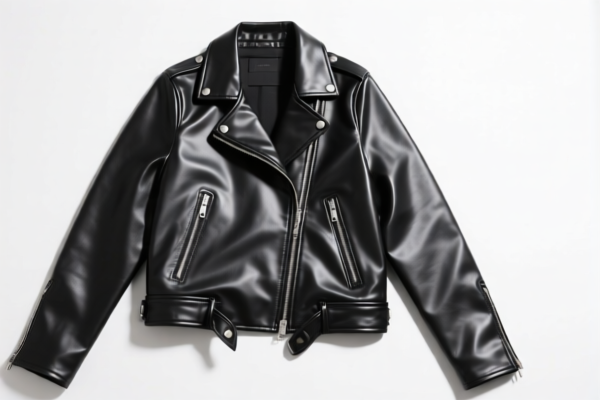
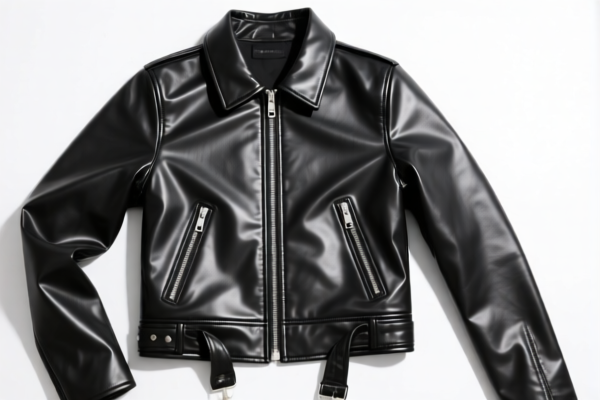
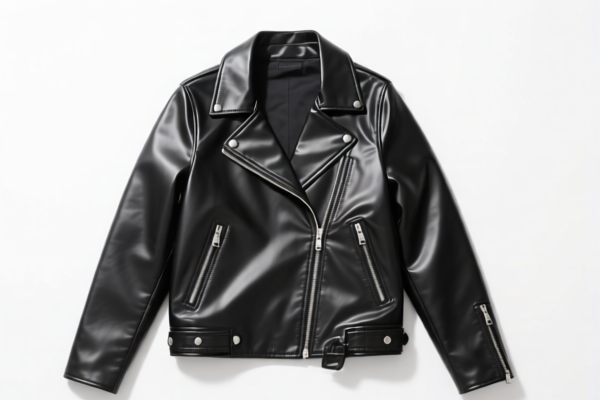
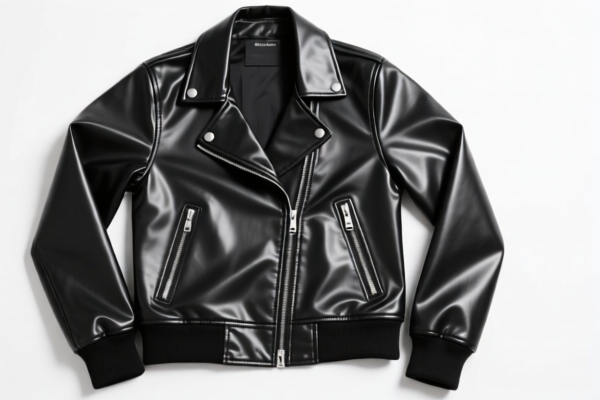
AI Analysis
🚗 PU Seats (Polyurethane Automotive/Office Seating)
🌐 HS Code Reference & Customs Clearance Guide | 2026 Latest Tariff Analysis | Professional Clearance Strategy
📌 1. Product Definition & Classification: Do You Really Understand "PU Seats"?
PU Seats (Polyurethane Seats) are primarily components made from polyurethane (a synthetic resin/plastic material). In international trade, the classification depends heavily on whether they are classified as automotive parts or plastic furniture components.
⚠️ Key Classification Logic:
- Automotive Context: If intended for vehicles, they fall under automotive parts rules.
- General/Furniture Context: If treated as plastic furniture or general plastic articles, they fall under plastic product categories.
- Material Basis: PU (Polyurethane) is legally classified as a plastic/synthetic resin.
📦 2. HS Code Classification Details (2026 Latest Tariff Authority Mapping)
Based on the provided data, here are the 5 possible HS Codes, their logical justifications, and corresponding tax implications:
| HS Code | Product Description | Logical Basis for Classification | Total Tax Rate |
|---|---|---|---|
| 8708.99.81.80 | PU Material Seats (Automotive Parts) | Category: Auto Parts. Logic: Matches the "parts/parts" rule under other categories for automotive applications. |
12.5% |
| 3926.30.10.00 | PU Plastic Furniture/Body Accessories | Category: Plastic Products. Logic: PU is a synthetic resin; seats are considered furniture/body accessory items fitting plastic product logic. |
24.0% |
| 3926.90.99.89 | Plastic/Resin General Articles (Fallback) | Category: Plastic Products (Fallback). Logic: PU is plastic/resin; seat components/articles fit the "catch-all" (residual) category for plastic products. |
22.8% |
| 3926.30.50.00 | Plastic Furniture Components/Connectors | Category: Plastic Products. Logic: PU fits plastic material attributes; seats are furniture components, fitting connector/processed article use inference. |
22.8% |
| 9401.80.40.46 | Other Seats (Plastic/Rubber Made) | Category: Furniture (Seats). Logic: PU denotes polyurethane (plastic material); seats fall under "other seats" in this category, meeting rubber/plastic requirements. |
35.0% |
🔍 Key Insight:
- The Automotive route (8708...) offers the lowest tax rate due to specific auto-part incentives.
- The Furniture/Plastic routes (3926...,9401...) result in significantly higher tariffs due to anti-dumping and Section 301 tariffs on plastic goods.
💰 3. 2026 Latest Tariff Rate Breakdown (Detailed Tax Clauses)
✅ Applicable Country: United States (US)
✅ Origin: China (CN)
✅ 生效时间: Current 2026 Tariff Structure
🎯 1. 8708.99.81.80 — Automotive Parts (PU Seats)
🏆 LOWEST TAX OPTION
| Item | Details |
|---|---|
| Base Tariff | 2.5% |
| Section 301 Surcharge | 0.0% |
| Section 122 Tariff | 10% |
| Total Tax Rate | 12.5% |
| Tax Calculation | CIF Value × 12.5% |
| De Minimis Eligibility | ❌ No (Assumed standard commercial import) |
| Legal Basis | Auto Parts Specific Rules |
📌 Explanation:
- This code benefits from a 0% Section 301 surcharge, likely due to specific automotive part exemptions or lower strategic priority compared to general plastics.
- The 10% Section 122 tariff is the only additional major cost.
- Total: 12.5%. This is the most cost-effective classification if the product can be proven as an automotive part.
🎯 2. 3926.30.10.00 — Plastic Furniture/Accessories
| Item | Details |
|---|---|
| Base Tariff | 6.5% |
| Section 301 Surcharge | 7.5% |
| Section 122 Tariff | 10% |
| Total Tax Rate | 24.0% |
| Tax Calculation | CIF Value × 24.0% |
| De Minimis Eligibility | ❌ No |
| Legal Basis | Plastic Products / Furniture |
📌 Explanation:
- High base tariff (6.5%) plus significant trade war tariffs (7.5% + 10%).
- Total: 24.0%. Nearly double the automotive part rate.
🎯 3. 3926.90.99.89 — Plastic Products (Fallback/Catch-all)
| Item | Details |
|---|---|
| Base Tariff | 5.3% |
| Section 301 Surcharge | 7.5% |
| Section 122 Tariff | 10% |
| Total Tax Rate | 22.8% |
| Tax Calculation | CIF Value × 22.8% |
| De Minimis Eligibility | ❌ No |
| Legal Basis | Residual Plastic Category |
📌 Explanation:
- Slightly lower base (5.3%) but same surcharges as above.
- Total: 22.8%. Similar to3926.30.10.00.
🎯 4. 3926.30.50.00 — Plastic Furniture Components
| Item | Details |
|---|---|
| Base Tariff | 5.3% |
| Section 301 Surcharge | 7.5% |
| Section 122 Tariff | 10% |
| Total Tax Rate | 22.8% |
| Tax Calculation | CIF Value × 22.8% |
| De Minimis Eligibility | ❌ No |
| Legal Basis | Plastic Components |
📌 Explanation:
- Identical tax structure to3926.90.99.89.
- Total: 22.8%.
🎯 5. 9401.80.40.46 — Other Seats (Plastic/Rubber)
🔴 HIGHEST TAX OPTION
| Item | Details |
|---|---|
| Base Tariff | 0.0% |
| Section 301 Surcharge | 25.0% |
| Section 122 Tariff | 10% |
| Total Tax Rate | 35.0% |
| Tax Calculation | CIF Value × 35.0% |
| De Minimis Eligibility | ❌ No |
| Legal Basis | Furniture / Seats Category |
📌 Explanation:
- Although base tariff is 0%, the Section 301 surcharge is massive at 25% (standard for many Chinese furniture/plastic goods).
- Total: 35.0%. This is the most expensive option. Avoid if possible.
🛠️ 4. Customs Clearance Practical Advice (Pitfall Avoidance Guide)
✅ 1. Strategic Recommendation: Aim for 8708.99.81.80
🏆 WINNER: 12.5% vs 22.8%-35.0%
- Why? The difference between 12.5% and 24%+ is significant. For a $10,000 shipment, you save $11,500+ in duties.
- Condition: You MUST prove the seats are for automotive use.
- Provide proof of end-use (e.g., contract with auto OEM, BOM showing integration with vehicle).
- Label clearly as "Automotive Part - PU Seat".
✅ 2. If Not Automotive: Choose the Best Plastic/Fallback Option
If the seats are for office, home, or general use, you cannot use 8708. You must choose between 3926 or 9401.
- Best Plastic Option:
3926.90.99.89or3926.30.50.00at 22.8%. - Avoid:
9401.80.40.46at 35.0% (too high). - Strategy: Classify as "Plastic Component" or "Plastic Article" (
3926) rather than "Furniture Seat" (9401) to avoid the 25% Section 301 hit.
✅ 3. Documentation Checklist
| Document | Required For | Note |
|---|---|---|
| Product Description | All | Must specify "PU" or "Polyurethane". |
| End-Use Declaration | 8708 |
Critical to prove automotive application. |
| Material Composition | All | Confirm PU content (plastic classification). |
| HS Code Justification | All | Link to 2026 Tariff Footnotes. |
| Commercial Invoice | All | Clearly state HS Code and Value. |
🌍 5. Global Market Comparison (2026)
| Market | Recommended HS Code | Total Tax Rate | Key Risk |
|---|---|---|---|
| 🇺🇸 USA | 8708.99.81.80 |
12.5% | Must prove auto-use; otherwise 24-35%. |
| 🇨🇳 China | Local Harmonized Code | ~10-15% | Lower base tariffs, no Section 301. |
| 🇪🇺 EU | 9401 or 8708 | 4-10% | No Section 301; standard MFN rates. |
📌 Conclusion:
- USA: Huge tax disparity. Push for8708(Auto Part) classification.
- EU/China: Tax rates are more stable; focus on material accuracy.
📌 6. Common Errors & Pitfalls (Blood Lessons)
❌ Error 1: Classifying Auto Seats as "Furniture" (9401)
👉 Consequence: Tax jumps from 12.5% to 35% (+22.5% penalty).
👉 Fix: Prove automotive integration.
❌ Error 2: Classifying Plastic Seats as "Auto Parts" without proof (8708)
👉 Consequence: Customs reclassifies to 3926/9401, demands back-taxes + penalties.
👉 Fix: Ensure documentation matches 8708 usage.
❌ Error 3: Ignoring Section 122 Tariff
👉 Consequence: All codes include a 10% Section 122 tariff. Do not forget to include this in cost calculations.
🎯 7. Conclusion: Professional Classification Saves Money!
🎯 Remember the Golden Rule:
🔹 "Auto Seat? Use
8708(12.5%). Plastic Seat? Use3926(22.8%). Never9401(35%)!"
🔹 "Prove Auto Use to Cut Tax by Half!"
📌 Pro Tip:
If your PU Seats are not for cars, consider supply chain optimization (e.g., sourcing from Vietnam/Mexico if possible) to avoid high Section 301 tariffs on Chinese plastic goods.
📣 Immediate Action:
📞 Consult Customs Broker to verify End-Use Declaration.
🚀 Save up to 22.5% in duties by choosing the correct HS Code!
✨ Professional Clearance Starts with Accurate Classification!
💼 Every Cent Counts in 2026 Tariff Wars!
Customer Reviews
About HS Code Classification
The Harmonized System (HS) is an internationally standardized nomenclature developed by the World Customs Organization (WCO) to classify traded products. Over 200 countries use the HS system as the basis for customs tariffs, trade statistics, and import/export regulations.
Each HS code follows a hierarchical structure:
- Chapter (2 digits) — Broad category of goods (e.g., Chapter 84: Machinery and Mechanical Appliances)
- Heading (4 digits) — More specific grouping within the chapter
- Subheading (6 digits) — Internationally standardized breakdown, used by all WCO member countries
- National subdivisions (8-10 digits) — Country-specific extensions for further classification, such as US HTSUS 10-digit codes
Correct HS code classification is essential for smooth customs clearance, accurate duty payment, and compliance with trade regulations. Misclassification can lead to customs delays, overpayment of duties, or penalties.
When importing from CN to US, the applicable tariff rates may include:
- Most-Favored-Nation (MFN) rate — The standard duty rate applied to WTO members
- General rate — Applied to countries without trade agreements
- Trade remedy duties — Additional tariffs such as Section 301 (anti-dumping), Section 232 (national security), or countervailing duties
The information provided on this page is for reference purposes only. For official classification, please consult with your local customs authority or a licensed customs broker.