PVC Agricultural Irrigation Pipe
CN → US| HS Code | Tariff Rate | Origin | Destination | Doc |
|---|---|---|---|---|
| 3917230000 | 38.1% | CN | US | Official Doc |
| 3917320010 | 38.1% | CN | US | Official Doc |
| 3926909987 | 22.8% | CN | US | Official Doc |
| 3926909989 | 22.8% | CN | US | Official Doc |
| 3917230000 | 38.1% | CN | US | Official Doc |
Product Images
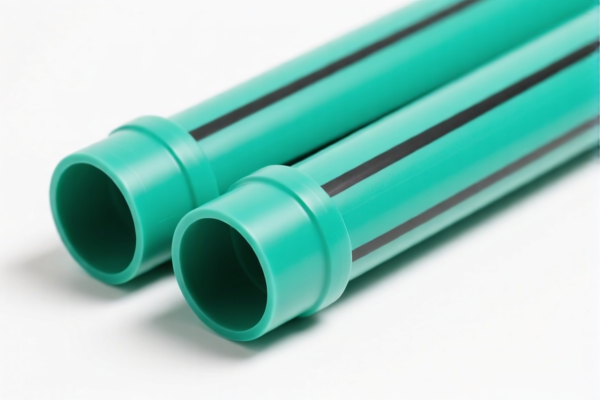
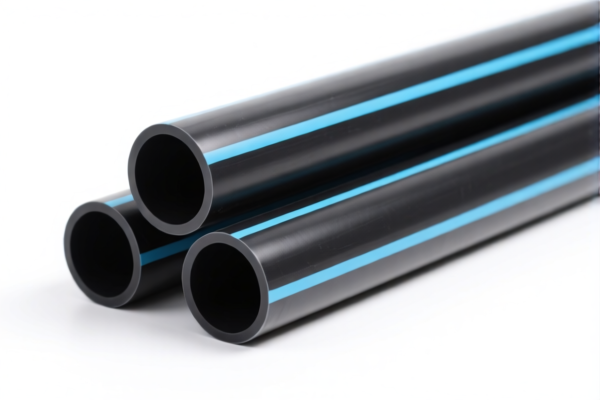
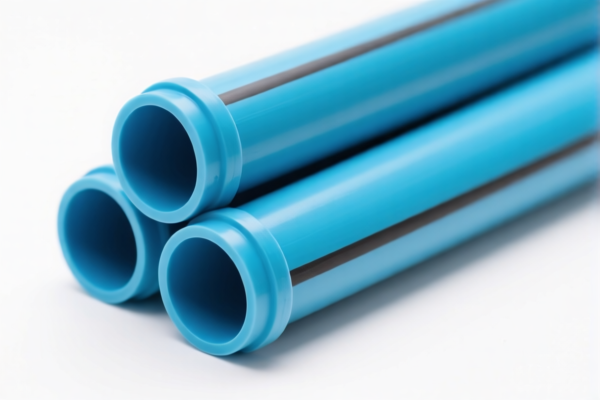
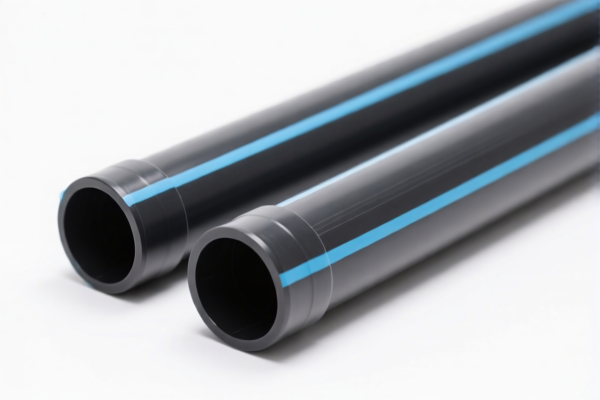
AI Analysis
🌾 PVC Agricultural Irrigation Pipe
🌐 HS Code Reference & Customs Clearance Guide | 2026 Latest Tariff Analysis | Professional Clearance Strategy
📌 I. Product Definition & Classification: What Exactly is an "Irrigation Pipe"?
PVC (Polyvinyl Chloride) Agricultural Irrigation Pipes are rigid or semi-rigid tubes made primarily from chlorinated polymer resins, designed specifically for transporting water in agricultural settings. In international trade, these products are often misunderstood because they can fall under different chapters depending on their intended use and specific material composition.
The key distinction lies between pipes designed specifically for general fluid transport (Chapter 39, Heading 3917) and general plastic articles (Chapter 39, Heading 3926). For irrigation pipes, the "general purpose" classification under Heading 3917 is the most common and critical path, but "fallback" classifications under 3926 exist if specific criteria aren't met.
⚠️ Critical Distinction Point:
- If the pipe is specifically designed for agricultural irrigation and made of chlorine-based polymers → It typically falls under 3917.23.00.00.
- If the pipe is a generic plastic tube without specific irrigation design features → It may fall under the "Other Plastics" fallback codes 3926.90.99.87/89.
📦 II. HS Code Classification Details (2026 Official Tariff Reference)
Based on the provided data, here are the applicable HS Codes for PVC Agricultural Irrigation Pipes. Note that while the product is the same, the classification logic differs, leading to significant tax variations.
| HS Code | Product Description | Application Scenario | Tax Rate (Total) | Key Differentiator |
|---|---|---|---|---|
3917.23.00.00 |
PVC Pipe, Material: Chlorine Polymer, Form: Pipe | Standard PVC Irrigation Pipe Specifically identified as made from chlorine-based polymers. |
38.1% | High precision classification based on material (Chlorine Polymer). |
3917.32.00.10 |
PVC Pipe, Material: Polyvinyl Chloride, Form: Pipe | Generic PVC Pipe General purpose PVC pipe, often used interchangeably with irrigation pipes if not strictly labeled for ag. use. |
38.1% | Broad classification under PVC pipes; often used when specific agricultural intent is not declared. |
3926.90.99.87 |
PVC Pipe, Material: Plastic, Form: Pipe, Other Plastic Articles | Fallback/Other Plastic Pipe Used if the pipe doesn't strictly meet the "chlorine polymer" definition of 3917 or is considered a general "other" plastic article. |
22.8% | Lower tax rate; used for generic plastic tubes not specifically classified under pipes/hoses fittings. |
3926.90.99.89 |
PVC Pipe, Material: Plastic, Form: Pipe, Other Plastic Articles | Fallback/Other Plastic Pipe Similar to 87, another "other" plastic article code for generic pipes. |
22.8% | Lower tax rate; alternative fallback for generic plastic pipes. |
3917.23.00.00 |
PVC Agricultural Irrigation Pipe, Material: Chlorine Polymer, Form: Pipe, Use: Agriculture | Specific Agricultural Use Explicitly declared for agricultural irrigation, made from chlorine polymers. |
38.1% | Highest specificity; confirms both material and use case. |
🔍 Important Note:
- 3917.23.00.00 and 3917.32.00.10 carry a 38.1% total tax rate.
- 3926.90.99.87 and 3926.90.99.89 carry a 22.8% total tax rate.
- The choice of HS Code can save ~15.3% in duties, but misclassification is a major compliance risk.
💰 III. 2026 Latest Tariff Rate Breakdown (Including Additional Taxes & Policies)
✅ Applicable Country: United States (US)
✅ Origin: China (CN)
✅ Effective Time: 2025/2026 (Current Trade Policies)
🎯 1. 3917.23.00.00 & 3917.32.00.10 —— PVC Pipes (High Tax Rate)
| Item | Detail |
|---|---|
| Base Tariff | 3.1% (Ad Valorem) |
| Section 301 Additional Duty | +25.0% (Due to US-China Trade War Policies) |
| Section 122 Duty | +10.0% (Specific to certain Chinese imports) |
| Total Tax Rate | 38.1% |
| Tax Calculation | CIF Value × 38.1% |
| De Minimis Exemption | ❌ Not Applicable (Deny De Minimis for Section 301 goods) |
| Legal Basis Path | Section 301: 3917.23.00.00 → Section 122: 10% → Base: 3.1% |
📌 Explanation:
- Base 3.1%: Standard Most Favored Nation (MFN) rate for plastic pipes.
- Section 301 (25%): A significant penalty tariff imposed on Chinese PVC pipes to protect US manufacturers.
- Section 122 (10%): An additional national security tariff under Section 232/122 authorities.
- Total 38.1%: This is a high-cost classification. Importers must carefully justify why they cannot use the lower-rated codes.
🎯 2. 3926.90.99.87 & 3926.90.99.89 —— Other Plastic Articles (Lower Tax Rate)
| Item | Detail |
|---|---|
| Base Tariff | 5.3% (Ad Valorem) |
| Section 301 Additional Duty | +7.5% (Reduced rate for "other" plastic articles under certain interpretations) |
| Section 122 Duty | +10.0% (Still applies to most Chinese plastic imports) |
| Total Tax Rate | 22.8% |
| Tax Calculation | CIF Value × 22.8% |
| De Minimis Exemption | ❌ Not Applicable (Depends on specific exemption lists, but generally denied for Section 301) |
| Legal Basis Path | USITC: 3926.90.99 → Section 301: 7.5% → Section 122: 10% → Base: 5.3% |
📌 Explanation:
- Base 5.3%: Standard rate for "Other plastic articles."
- Section 301 (7.5%): A lower penalty rate compared to the 25% for dedicated pipes.
- Section 122 (10%): Still applies.
- Total 22.8%: This is the preferred classification for cost savings, but only if the product legitimately fits the "other plastic article" definition and not the specific "pipe" definition in 3917.
🛠️ IV. Customs Clearance Practical Advice (Pitfall Avoidance Guide)
✅ 1. Documentation Checklist (Essential)
| Document | Required | Description |
|---|---|---|
| ✅ Product Specification Sheet | ✔️ | Must clearly state material (PVC), diameter, pressure rating, and intended use (e.g., "Agricultural Irrigation"). |
| ✅ Commercial Invoice | ✔️ | Must accurately describe the goods. Avoid vague terms like "Plastic Tube." Use "PVC Irrigation Pipe." |
| ✅ Packing List | ✔️ | Details quantity, weight, and dimensions. |
| ✅ Certificate of Origin (CO) | ✔️ | Proves Chinese origin (which triggers additional tariffs). |
| ✅ Product Photos | ✔️ | Show the pipe ends, markings, and packaging. |
| ✅ Letter of Explanation (if needed) | ✔️ | If using 3926 codes, provide a letter explaining why the pipe is not specifically a "pipe" under 3917 (e.g., if it's a non-standard shape or temporary use). |
✅ 2. Classification Strategy (Key Rules)
🔥 "Use Defines Code, Material Defines Class, Tariff Defines Cost!"
| Scenario | Correct HS Code | Tax Rate | Risk Level |
|---|---|---|---|
| Standard PVC Irrigation Pipe (Rigid, specified for ag use) | 3917.23.00.00 |
38.1% | ✅ Low Risk (Correct) |
| Generic PVC Pipe (Used for irrigation but not specifically labeled) | 3917.32.00.10 |
38.1% | ✅ Low Risk |
| Non-Standard Plastic Tube (Not a typical pipe shape, generic plastic) | 3926.90.99.87/89 |
22.8% | ⚠️ Medium Risk (Must justify "Other" classification) |
| PVC Hose/Flexible Tube | Check 3917.40 | Varies | ✅ Low Risk (If truly flexible) |
✅ 3. Special Situations
| Situation | Handling Advice |
|---|---|
| OEM Custom Pipes | Provide customer specs. If designed specifically for irrigation, use 3917.23.00.00. |
| Mixed Shipments (Pipes + Fittings) | Declare separately. Fittings may have different HS Codes and tax rates. Do not lump them together under the pipe code unless they are sold as a set. |
| "Other Plastic Article" Claim | Only use 3926.90.99.87/89 if the pipe is not a standard pipe/hose/tube form factor. Misclassifying a standard pipe as "other" is fraud. |
| Pre-Audit | If using the lower 22.8% rate, be prepared to provide engineering drawings showing the product does not fit the strict definition of "pipes, tubes, and hoses" in Chapter 39. |
🌍 V. Global Market Clearance Comparison (2026)
| Country/Region | Recommended HS Code | Tariff | Certification | Notes |
|---|---|---|---|---|
| 🇺🇸 USA | 3917.23.00.00 |
38.1% | None | High tariffs due to Section 301 & 122. |
| 🇨🇳 China | 3917.23.00.00 |
5-10% | CCC | Import tariffs are lower; no Section 301. |
| 🇪🇺 EU | 3917.21.00 |
6.5% | CE | Standard EU duty for plastic pipes. |
| 🇯🇵 Japan | 3917.21.00 |
6.0% | JIS | Standard duty for plastic pipes. |
| 🇬🇧 UK | 3917.21.00 |
4.0% | UKCA | Post-Brexit tariff. |
📌 Conclusion:
- The US market is the most challenging for PVC pipes due to the 38.1% total tariff.
- Cost-saving opportunity: If the product is truly a generic plastic article (not a standard pipe), the 22.8% rate under 3926 is a significant advantage, but it requires strong documentation to defend against customs audits.
📌 VI. Common Errors & Pitfalls (Lessons Learned)
❌ Error 1: Using 3926.90.99.87 for a standard rigid PVC irrigation pipe.
👉 Consequence: Customs will reclassify it to 3917.23.00.00, backpay the 15.3% difference, and impose penalties.
❌ Error 2: Misdeclaring "Plastic Pipe" without specifying material.
👉 Consequence: Customs may assign a higher default rate or detain the shipment for further inspection.
❌ Error 3: Ignoring Section 122 Duty.
👉 Consequence: Underpayment of the 10% additional tax, leading to fines.
❌ Error 4: Combining PVC pipes with non-PVC accessories in one HS Code.
👉 Consequence: Misclassification, potential duty evasion accusations.
✅ Correct Approach:
"PVC Pipe, Chlorine Polymer, 4-inch Diameter, Agricultural Irrigation Use, Model XYZ, Made in China"
🎯 VII. Conclusion: Professional Classification, Save Money, Ensure Compliance!
🎯 Remember the Key Rule:
🔹 "Standard PVC Pipe = 3917 (38.1%)"
🔹 "Generic Plastic Article = 3926 (22.8%) – Only if truly not a standard pipe"
🔹 "Section 301 + 122 = High Cost, Plan Ahead!"
📌 Pro Tip:
If your PVC pipes are shipped from a third country (e.g., Vietnam, Thailand) that has not been subject to Section 301 tariffs, you may qualify for lower duties. However, transshipment fraud is strictly monitored. Ensure proper origin documentation.
📣 Immediate Action:
📞 Consult a licensed customs broker for a Pre-Ruling on your specific PVC pipe design.
📄 Ensure your Commercial Invoice clearly states "PVC Agricultural Irrigation Pipe" to avoid ambiguity.
📉 Evaluate if reclassifying as "Other Plastic Article" is legally defensible to save 15.3% in duties.
✨ Professional Customs Clearance Starts with Accurate Classification!
💼 Your Bottom Line Matters – Get the HS Code Right!
Customer Reviews
About HS Code Classification
The Harmonized System (HS) is an internationally standardized nomenclature developed by the World Customs Organization (WCO) to classify traded products. Over 200 countries use the HS system as the basis for customs tariffs, trade statistics, and import/export regulations.
Each HS code follows a hierarchical structure:
- Chapter (2 digits) — Broad category of goods (e.g., Chapter 84: Machinery and Mechanical Appliances)
- Heading (4 digits) — More specific grouping within the chapter
- Subheading (6 digits) — Internationally standardized breakdown, used by all WCO member countries
- National subdivisions (8-10 digits) — Country-specific extensions for further classification, such as US HTSUS 10-digit codes
Correct HS code classification is essential for smooth customs clearance, accurate duty payment, and compliance with trade regulations. Misclassification can lead to customs delays, overpayment of duties, or penalties.
When importing from CN to US, the applicable tariff rates may include:
- Most-Favored-Nation (MFN) rate — The standard duty rate applied to WTO members
- General rate — Applied to countries without trade agreements
- Trade remedy duties — Additional tariffs such as Section 301 (anti-dumping), Section 232 (national security), or countervailing duties
The information provided on this page is for reference purposes only. For official classification, please consult with your local customs authority or a licensed customs broker.