PVC Anti UV Film
CN → US| HS Code | Tariff Rate | Origin | Destination | Doc |
|---|---|---|---|---|
| 6306120000 | 18.8% | CN | US | Official Doc |
| 5903102010 | 35.0% | CN | US | Official Doc |
| 3921121100 | 39.2% | CN | US | Official Doc |
| 6306192110 | 22.6% | CN | US | Official Doc |
| 5903102090 | 35.0% | CN | US | Official Doc |
Product Images
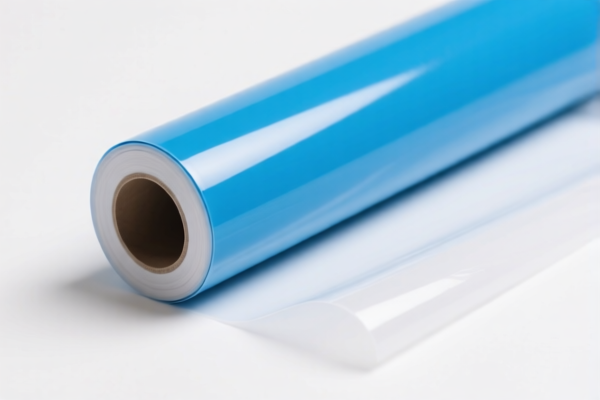
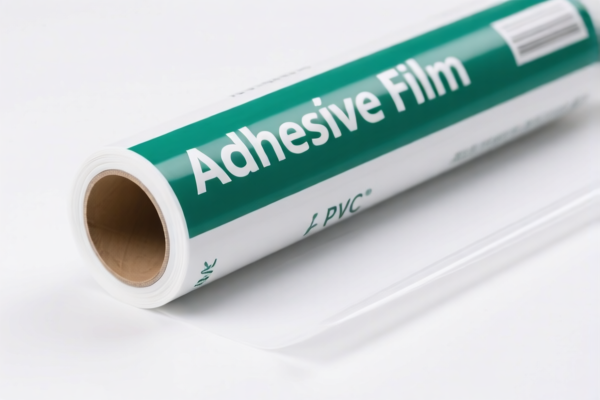
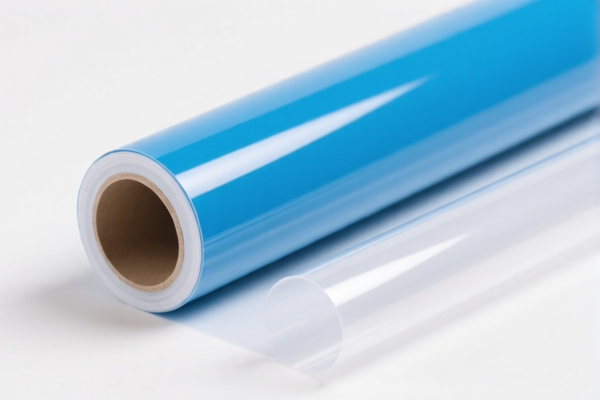

AI Analysis
🛡️ PVC Anti-UV Film & Coated Textiles
🌐 HS Code Reference & Customs Clearance Guide | 2026 Latest Tariff Analysis | Strategic Compliance Strategy
📌 Part 1: Product Definition & Classification – What Exactly is "PVC Anti-UV Film"?
"PVC Anti-UV Film" is a broad trade term that can refer to two distinct types of products in international trade: 1. Coated Textiles (Sunshades/Awnings): Fabric treated or coated with PVC to block UV rays, used for outdoor shading, tents, or awnings. 2. Composite Plastic Sheets/Strips: Plastic materials impregnated or coated with PVC, used for protection, packaging, or industrial shielding.
⚠️ Key Distinction Point:
- If the base material is textile/fabric and the primary function is sun protection/shading → It falls under Chapter 63 (Articles of Apparel, Clothing Accessories, Travelling Goods, Handbags...) or Chapter 59 (Impregnated, Coated, Covered or Laminated Textile Fabrics).
- If the base material is plastic film/sheet or considered a composite plastic product → It falls under Chapter 39 (Plastics and Articles Thereof).
📦 Part 2: HS Code Classification Details (2026 Latest Tariff Authority Comparison)
Based on the provided data, here are the four valid HS Codes for "PVC Anti-UV Film" scenarios:
| HS Code | Product Description (Summary) | Applicable Scenario | Material Nature |
|---|---|---|---|
6306.12.00.00 |
PVC-coated UV-resistant textiles for shading/sun protection, PVC material | Outdoor awnings, sunshades, beach umbrellas | ✅ Textile Base + PVC Coating |
6306.19.21.10 |
PVC-coated UV-resistant textiles classified as tarpaulins/shading materials, artificial fiber | Industrial shading, large-scale outdoor covers | ✅ Artificial Fiber Base |
5903.10.20.10 |
PVC-coated textiles, textile fabrics impregnated or coated with plastics | General industrial textile coating, generic PVC fabric | ✅ Textile Base (Impregnated) |
5903.10.20.90 |
PVC-coated textiles, belonging to the category of impregnated/coated textile fabrics | Standard PVC-coated canvas, generic coated textiles | ✅ Textile Base (Impregnated) |
3921.12.11.00 |
Plastic sheets of PVC, composite with textile materials, meets PVC polymer characteristics | Plastic strips, composite films, non-textile primary plastic | ✅ Plastic Primary Base |
🔍 Critical Reminder:
-6306.12.00.00is the lowest tax rate option if the product is clearly a sunshade/shading textile.
-5903.10.20.10and5903.10.20.90have the same high tax rate (35%) and are for generic coated textiles.
-3921.12.11.00is for plastic-heavy composites and carries the highest tax rate (39.2%).
-6306.19.21.10is a middle-ground option for artificial fiber shading materials.
💰 Part 3: 2026 Latest Tariff Rate Breakdown (Including Surtaxes, Policy Add-ons)
✅ Applicable Country: United States (US)
✅ Origin: China (CN)
✅ Effective Time: Current US Trade Policy (Section 301 & IEEPA)
🎯 1. 6306.12.00.00 — PVC-Coated UV-Resistant Textiles (Shading/ Sunscreen)
| Item | Content |
|---|---|
| Base Tariff | 8.8% |
| Additional Tariff (Section 301) | 0.0% |
| Section 122 Tariff (IEEPA China) | 10.0% |
| Total Tax Rate | 18.8% |
| Tax Calculation | CIF Value × 18.8% |
| De Minimis Eligibility | ❌ No (Generally subject to scrutiny for textile coatings) |
| Legal Basis Path | HTSUS:6306.12.00 → IEEPA:122 |
📌 Explanation:
- This is the most favorable classification for "PVC Anti-UV Film" if it is explicitly used as shading/sunscreen fabric.
- No Section 301 tariff applies here, only the 10% Section 122 tariff.
- Total Cost Impact: Lowest among all options.
🎯 2. 6306.19.21.10 — PVC-Coated UV-Resistant Textiles (Tarpaulins/Shading, Artificial Fiber)
| Item | Content |
|---|---|
| Base Tariff | 5.1% |
| Additional Tariff (Section 301) | 7.5% |
| Section 122 Tariff (IEEPA China) | 10.0% |
| Total Tax Rate | 22.6% |
| Tax Calculation | CIF Value × 22.6% |
| De Minimis Eligibility | ❌ No |
| Legal Basis Path | HTSUS:6306.19.21 → Section 301: 7.5% → IEEPA:122 |
📌 Explanation:
- Used when the textile is classified as tarpaulins or general shading materials rather than specific sunshades.
- Slightly higher than6306.12.00.00due to the 7.5% Section 301 surtax.
- Still more cost-effective than the 35%+ options.
🎯 3. 5903.10.20.10 — PVC-Coated Textiles (Impregnated/Coated Plastic Textile Fabrics)
| Item | Content |
|---|---|
| Base Tariff | 0.0% |
| Additional Tariff (Section 301) | 25.0% |
| Section 122 Tariff (IEEPA China) | 10.0% |
| Total Tax Rate | 35.0% |
| Tax Calculation | CIF Value × 35.0% |
| De Minimis Eligibility | ❌ No |
| Legal Basis Path | HTSUS:5903.10.20 → Section 301: 25% → IEEPA:122 |
📌 Explanation:
- Generic classification for impregnated/coated textiles.
- High Section 301 tariff (25%) makes this expensive.
- Only use if the product cannot be classified as a "sunshade" (Chapter 63).
🎯 4. 5903.10.20.90 — PVC-Coated Textiles (Other Impregnated/Coated Textiles)
| Item | Content |
|---|---|
| Base Tariff | 0.0% |
| Additional Tariff (Section 301) | 25.0% |
| Section 122 Tariff (IEEPA China) | 10.0% |
| Total Tax Rate | 35.0% |
| Tax Calculation | CIF Value × 35.0% |
| De Minimis Eligibility | ❌ No |
| Legal Basis Path | HTSUS:5903.10.20 → Section 301: 25% → IEEPA:122 |
📌 Explanation:
- Same tax rate (35%) as5903.10.20.10.
- Used for other coated textiles not specified in the 10.20.10 subheading.
- Avoid if possible due to high cost.
🎯 5. 3921.12.11.00 — PVC Plastic Sheets Composite with Textile
| Item | Content |
|---|---|
| Base Tariff | 4.2% |
| Additional Tariff (Section 301) | 25.0% |
| Section 122 Tariff (IEEPA China) | 10.0% |
| Total Tax Rate | 39.2% |
| Tax Calculation | CIF Value × 39.2% |
| De Minimis Eligibility | ❌ No |
| Legal Basis Path | HTSUS:3921.12.11 → Section 301: 25% → IEEPA:122 |
📌 Explanation:
- Highest tax rate (39.2%).
- Applies if the product is considered a plastic sheet with textile reinforcement, rather than a textile coated with plastic.
- Avoid this classification unless the product is clearly a rigid or semi-rigid plastic sheet.
🛠️ Part 4: Customs Clearance Practical Advice (Real-World Pitfall Avoidance Guide)
✅ 1. Required Documentation Checklist (Mandatory)
| Document | Mandatory? | Description |
|---|---|---|
| ✅ Product Specification Sheet | ✔️ | Must specify: PVC content %, UV blocking ratio, base fabric type (polyester, nylon, etc.), thickness, width, length. |
| ✅ Product Photos | ✔️ | Clear images showing texture, coating surface, and end-use application (e.g., installed as an awning). |
| ✅ Commercial Invoice | ✔️ | Describe as "PVC Coated UV-Resistant Sunshade Fabric" or similar. Avoid vague terms like "Film." |
| ✅ Packing List | ✔️ | Detail rolls, dimensions, weight. |
| ✅ Certificate of Origin (CO) | ✔️ | If applicable for preferential treatment (unlikely for China-US, but required). |
| ✅ Test Report (Optional but Recommended) | ✔️ | UV blocking test results (e.g., UPF 50+). Supports classification under 6306.12.00.00. |
✅ 2. Declaration Tips (Key Mnemonics)
🔥 “Shade Claims Low Tax, Generic Means High Tax!”
| Scenario | Correct Declaration | Incorrect Declaration |
|---|---|---|
| Outdoor Awnings/Sunshades | 6306.12.00.00 (18.8%) |
"PVC Film" → 3921.12.11.00 (39.2%) |
| Artificial Fiber Shading Tarp | 6306.19.21.10 (22.6%) |
"PVC Fabric" → 5903.10.20.10 (35%) |
| Generic PVC-Coated Fabric | 5903.10.20.10 (35%) |
"Sunshade" (if not certified) → Risk of reclassification |
| Plastic Reinforced Sheet | 3921.12.11.00 (39.2%) |
"Textile" → Risk of penalty |
📌 Key Advice:
- Emphasize "Sunshade" or "UV Resistant Shading" in the product name and description to justify6306.12.00.00.
- Provide UV test reports to prove the "Anti-UV" claim.
- Do not use "Plastic Film" unless it is a pure plastic product. If it has a textile base, use "Coated Fabric."
✅ 3. Special Circumstances Handling
| Situation | Handling Suggestion |
|---|---|
| OEM Custom Colors/Prints | Provide printing specifications. Does not change HS code, but supports "Sunshade" use. |
| Roll Goods (Not Cut) | Declare as "Raw Coated Fabric." Still qualifies for 6306.12.00.00 if intended for shading. |
| Small Samples (<$800) | May qualify for de minimis entry, but customs may still scrutinize textile coatings. Not guaranteed. |
| Mixed Shipments (Film + Textile) | Split declaration. Textile part → 6306, Plastic part → 3921. Do not mix. |
🌍 Part 5: Global Main Market Customs Comparison (2026 Latest)
| Country/Region | Recommended HS Code | Tariff Rate (China Origin) | Certification Requirements | Notes |
|---|---|---|---|---|
| 🇺🇸 USA | 6306.12.00.00 |
18.8% | No special certs | Lowest tax option. Avoid 3921 (39.2%). |
| 🇨🇳 China | 6306.12.00.00 |
~10-15% | N/A | Domestic trade, lower rates. |
| 🇪🇺 EU | 6306.12.00 |
~6.5% | CE (if applicable) | No Section 301/IEEPA tariffs. |
| 🇬🇧 UK | 6306.12.00 |
~6.5% | UKCA | Post-Brexit, similar to EU. |
| 🇦🇺 Australia | 6306.12.00 |
~5% | None | Low tariff, easy clearance. |
📌 Conclusion:
- USA is the most complex market due to Section 301 and IEEPA tariffs.
- Choosing the right HS Code (6306.12.00.00) saves ~20% in taxes compared to generic classifications.
- Textile-based products should always be classified under Chapter 63 if used for shading.
📌 Part 6: Common Errors & Pitfall Guide (Blood and Tears Lessons)
❌ Error 1: Declaring "PVC Coated Fabric" as "Plastic Film" (3921.12.11.00)
👉 Consequence: 39.2% tariff instead of 18.8%. Overpayment of ~20%!
❌ Error 2: Declaring "Sunshade Fabric" as "General Coated Textile" (5903.10.20.10)
👉 Consequence: 35% tariff instead of 18.8%. Overpayment of ~16%!
❌ Error 3: Vague Description "PVC Anti-UV Film"
👉 Consequence: Customs may reclassify to the highest default rate. Delays + Penalties!
❌ Error 4: Ignoring UV Test Reports
👉 Consequence: Cannot prove "Anti-UV" or "Sunshade" function. Risk of reclassification.
✅ Correct Practice:
"PVC-Coated Polyester Fabric, UV-Resistant, UPF 50+, for Outdoor Awning Use, Model XYZ, Roll Form"
🎯 Part 7: Conclusion – Precision Classification Saves Money!
🎯 Remember the Mnemonic:
🔹 "Shade is Cheap, Plastic is Expensive!"
🔹 "6306 is 18.8%, 5903 is 35%, 3921 is 39.2%!"
🔹 "One Word Difference: 'Film' vs. 'Shade' → 20% Tax Saving!"
📌 Pro Tip:
- Always include "Sunshade" or "UV Resistant" in your commercial invoice description.
- Attach a UV Test Report from a recognized lab to support the 6306.12.00.00 classification.
- Consult a Customs Broker for Advance Ruling if the product is unique or borderline.
📣 Call to Action:
📞 Contact a Professional Customs Broker + Provide Product Photos + Request HS Code Advance Ruling
🚀 Ensure Smooth Clearance, Minimize Taxes, Maximize Profits!
✨ Professional Clearance Starts with Accurate Classification!
💼 Every Cent of Tax Saved is Profit Earned!
Customer Reviews
About HS Code Classification
The Harmonized System (HS) is an internationally standardized nomenclature developed by the World Customs Organization (WCO) to classify traded products. Over 200 countries use the HS system as the basis for customs tariffs, trade statistics, and import/export regulations.
Each HS code follows a hierarchical structure:
- Chapter (2 digits) — Broad category of goods (e.g., Chapter 84: Machinery and Mechanical Appliances)
- Heading (4 digits) — More specific grouping within the chapter
- Subheading (6 digits) — Internationally standardized breakdown, used by all WCO member countries
- National subdivisions (8-10 digits) — Country-specific extensions for further classification, such as US HTSUS 10-digit codes
Correct HS code classification is essential for smooth customs clearance, accurate duty payment, and compliance with trade regulations. Misclassification can lead to customs delays, overpayment of duties, or penalties.
When importing from CN to US, the applicable tariff rates may include:
- Most-Favored-Nation (MFN) rate — The standard duty rate applied to WTO members
- General rate — Applied to countries without trade agreements
- Trade remedy duties — Additional tariffs such as Section 301 (anti-dumping), Section 232 (national security), or countervailing duties
The information provided on this page is for reference purposes only. For official classification, please consult with your local customs authority or a licensed customs broker.