PVC Anti freeze Sheet
CN → US| HS Code | Tariff Rate | Origin | Destination | Doc |
|---|---|---|---|---|
| 3925900000 | 40.3% | CN | US | Official Doc |
| 3925200091 | 22.8% | CN | US | Official Doc |
| 3921121950 | 40.3% | CN | US | Official Doc |
| 3921125000 | 41.5% | CN | US | Official Doc |
| 3925900000 | 40.3% | CN | US | Official Doc |
Product Images

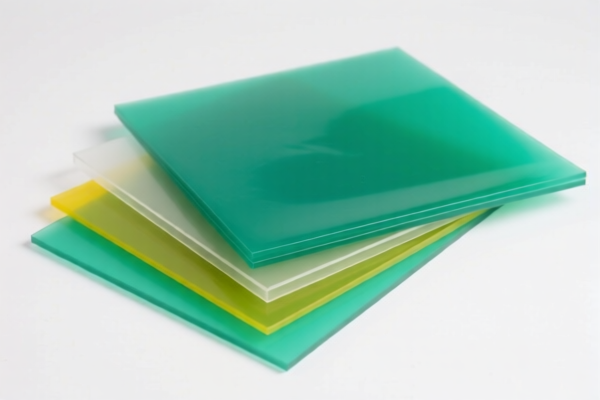
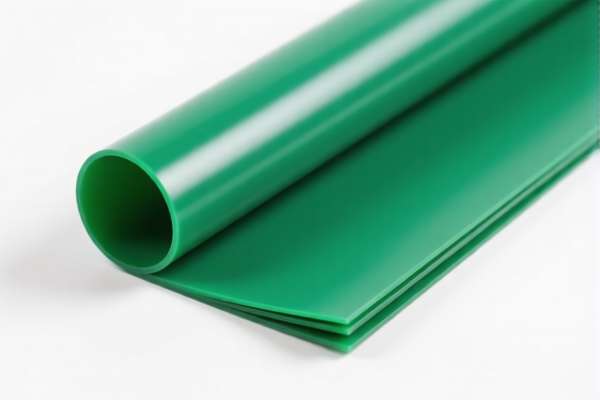
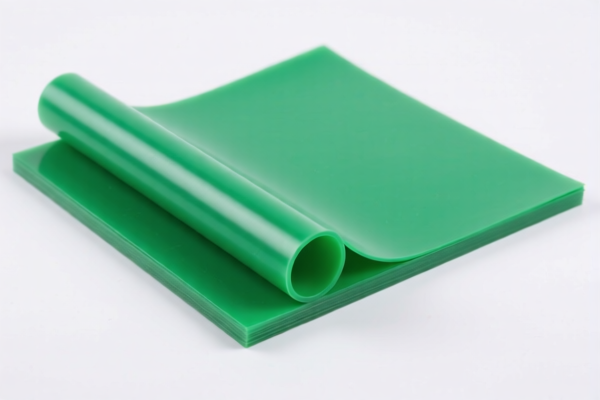
AI Analysis
🧊 PVC Anti-freeze Sheet (PVC Wall Moisture Proof Board)
🌐 HS Code Reference & Customs Clearance Guide | 2026 Latest Tariff Analysis | Strategic Compliance Strategy
📌 Part I: Product Definition & Classification: Do You Really Understand the "Anti-Freeze Sheet"?
The PVC Anti-freeze Sheet (often referred to in trade as PVC Wall Moisture Proof Board or Wall Panel) is a building material primarily made of Polyvinyl Chloride (PVC). Despite the name "Anti-freeze," it is not a fluid for automotive radiators. In the construction industry, it is a rigid or semi-rigid plastic board used for wall cladding, decoration, and moisture protection.
In international trade, its classification depends heavily on its form and specific use: 1. As a Building Component: If designed specifically for installation on walls/doors as a construction fixture → Classified under Chapter 39.25. 2. As a General Plastic Plate/Sheet: If treated as a generic polymer plate/plate without specific structural integration → Classified under Chapter 39.21.
⚠️ Key Distinction Point:
- If the product is explicitly described as a "Wall Panel," "Door Panel," or "Building Material" → It leans towards HS 3925.
- If the product is described merely as a "Plate," "Sheet," or "Polymer Material" without specific construction context → It leans towards HS 3921.
- Misclassification Risk: Using the wrong HS code can lead to significant tariff differences due to the "Section 301" and "Section 122" additional tariffs.
📦 Part II: HS Code Classification Details (2026 Latest Tariff Authority Comparison)
| HS Code | Product Description | Applicable Scenario | Classification Logic |
|---|---|---|---|
3925.90.00.00 |
Other builders' ware of plastics | PVC Wall Moisture Proof Board; Plastic material; Used as building components | ✅ Primary Candidate: Fits "Builders' ware" (wall panels). Note: This code appears twice in the data with same tax, likely due to different summary interpretations but same duty. |
3925.20.00.91 |
Plastic wall covering | PVC Wall Moisture Proof Board; Material: Polyvinyl Chloride; Form: Wall Panel; Belongs to building components | ✅ Alternative for Wall Panels: Specifically targets "wall covering" or "wall panels" made of PVC. Lower Additional Tariff option. |
3921.12.19.50 |
Other plates, sheets, film, foil and strip, of polymers of vinyl chloride | PVC Wall Moisture Proof Board; Material: Polymer of vinyl chloride; Form: Plate; Belongs to "Other items" | ⚠️ General Plate: Classified as a general plastic plate. Higher tariff applies. |
3921.12.50.00 |
Other plates, sheets, film, foil and strip, of polymers of vinyl chloride | PVC Wall Moisture Proof Board; Material: Polymer of vinyl chloride; Form: Board; Meets plate description | ⚠️ General Board: Similar to above, classified as generic plastic board. |
🔍 Important Reminder:
-3925.20.00.91is often the most cost-effective option for PVC wall panels if you can prove it is specifically a "wall panel/covering" rather than a generic plastic sheet.
-3925.90.00.00is the broader "Other builders' ware" category.
-3921.12...codes treat the product as a raw plastic plate, triggering higher additional tariffs.
💰 Part III: 2026 Latest Tariff Rate Breakdown (Including Additional Tariffs & Policy Surcharges)
✅ Applicable Country: United States (US)
✅ Origin: China (CN)
✅ Effective Time: 2025/2026 (Current Trade Policy)
🎯 1. 3925.20.00.91 — Plastic Wall Covering (Recommended for Wall Panels)
| Item | Content |
|---|---|
| Base Tariff | 5.3% (Ad Valorem) |
| Section 301 Additional Tariff | +7.5% |
| Section 122 Tariff (If Applicable) | +10% (Note: Data specifies 122 terms for this code) |
| Total Tariff Rate | 22.8% |
| Tax Calculation | CIF Value × 22.8% |
| De Minimis Exemption | ❌ Not Eligible (High tax rate usually excludes de minimis benefits or requires full entry) |
| Legal Basis Path | USITC:3925.20.00.91 → Section 301: Footnote for 3925 → Section 122 |
📌 Explanation:
- This code offers the lowest total tax rate (22.8%) among the options for PVC wall panels.
- The "Section 301" additional tariff is only 7.5% (lower than the 25% for other codes).
- Strategy: If your product is clearly a wall panel, use this code to save significant costs.
🎯 2. 3925.90.00.00 — Other Builders' Ware of Plastics
| Item | Content |
|---|---|
| Base Tariff | 5.3% (Ad Valorem) |
| Section 301 Additional Tariff | +25.0% |
| Section 122 Tariff | +10% |
| Total Tariff Rate | 40.3% |
| Tax Calculation | CIF Value × 40.3% |
| De Minimis Exemption | ❌ Not Eligible |
| Legal Basis Path | USITC:3925.90.00.00 → Section 301: Footnote → Section 122 |
📌 Explanation:
- While it is a "Builder's Ware," this specific subheading attracts the higher 25% Section 301 tariff.
- Why the difference? Customs may interpret3925.90as "other" unclassified building plastics, attracting the standard high penalty, whereas3925.20(Wall Covering) may have specific exemptions or lower rates depending on the specific ruling.
- Risk: If you use this code, you pay 40.3%. If you could have used3925.20.00.91, you would have paid 22.8%. That’s a 17.5% cost increase!
🎯 3. 3921.12.19.50 & 3921.12.50.00 — PVC Plates/Sheets (General Plastic)
| Item | Content |
|---|---|
| Base Tariff | 5.3% (3921.12.19.50) or 6.5% (3921.12.50.00) |
| Section 301 Additional Tariff | +25.0% |
| Section 122 Tariff | +10% |
| Total Tariff Rate | 40.3% (for .19.50) or 41.5% (for .50.00) |
| Tax Calculation | CIF Value × 40.3% / 41.5% |
| De Minimis Exemption | ❌ Not Eligible |
| Legal Basis Path | USITC:3921.12... → Section 301 → Section 122 |
📌 Explanation:
- These codes classify the product as a general plastic plate/sheet, not a finished building component.
- They attract the maximum 25% Section 301 tariff.
- Avoid these codes unless your product is a raw, unformed PVC plate sold to manufacturers for further processing, not as a finished wall panel.
🛠️ Part IV: Customs Clearance Practical Advice (Real-World Pitfall Guide)
✅ 1. Preparation Checklist (Essential Documents)
| Document | Must Provide | Description |
|---|---|---|
| ✅ Product Specification Sheet | ✔️ | Clearly state material: Polyvinyl Chloride (PVC). |
| ✅ Product Photos | ✔️ | Show the item installed on a wall or as a panel. Avoid photos that look like a raw roll of plastic. |
| ✅ Commercial Invoice | ✔️ | Description should include "PVC Wall Panel" or "Wall Moisture Proof Board", NOT just "Plastic Sheet". |
| ✅ Packing List | ✔️ | Details of weight, dimensions, and quantity. |
| ✅ Usage Description | ✔️ | State clearly: "For interior/exterior wall decoration and moisture protection in buildings". |
✅ 2. Declaration Strategy (Key Mantra)
🔥 "Define as Panel, Not Sheet! Wall Use, Lower Tax!"
| Situation | Correct Declaration | Wrong Declaration | Result |
|---|---|---|---|
| Finished Wall Panel | 3925.20.00.91 (PVC Wall Covering) |
"PVC Sheet" or "Plastic Board" | 22.8% vs 40.3%+ |
| Raw PVC Plate | 3921.12... |
"Wall Panel" | Misclassification Risk |
| Building Component | 3925.90.00.00 |
(If 3925.20 is not applicable) |
40.3% |
💡 Critical Tip:
- The term "Anti-freeze Sheet" is misleading for US Customs. It sounds like automotive fluid.
- Correct Terminology: Use "PVC Wall Panel", "PVC Wall Cladding", or "Plastic Wall Board".
- If you must use "Anti-freeze," clarify it is "Anti-moisture/Anti-condensation" in the description.
✅ 3. Special Case Handling
| Situation | Handling Advice |
|---|---|
| Product is a Roll | If sold as a roll to be cut, it might be 3921.12... (Plate/Sheet). If pre-cut for walls, use 3925.20.00.91. |
| Product has Adhesive Backing | Still generally 3925.20.00.91 if used as wall covering. |
| Mixed Materials | If PVC is <50% of volume by weight, re-evaluate HS Code. |
| Section 122 Tariff | Ensure your supplier’s declaration aligns with the 10% Section 122 requirement if applicable. This is often tied to specific trade remedies. |
🌍 Part V: Global Market Comparison (2026 Latest)
| Country/Region | Recommended HS Code | Tariff Rate | Certification Required | Remarks |
|---|---|---|---|---|
| 🇺🇸 USA | 3925.20.00.91 |
22.8% | FCC (if electronic, none for PVC), CPC (Children's Product, if applicable) | Lowest US Rate if declared as Wall Panel. |
| 🇨🇳 China | 3925.20.00.91 |
5.3% | CCC (if applicable) | No additional tariffs. |
| 🇪🇺 EU | 3925.20.00.91 |
0-6.5% | CE, REACH, RoHS | No Section 301/122 equivalents. |
| 🇬🇧 UK | 3925.20.00.91 |
0-5% | UKCA | Post-Brexit standards apply. |
📌 Conclusion:
- The USA is the most complex market due to Section 301 and Section 122 tariffs.
- Correct Classification is Key: Using3925.20.00.91saves ~17.5% in tariffs compared to generic plastic codes.
- Terminology Matters: Avoid "Anti-freeze Sheet" in US customs declarations; use "PVC Wall Panel".
📌 Part VI: Common Mistakes & Pitfall Guide (Lessons Learned)
❌ Mistake 1: Using "Anti-freeze Sheet" as the product name.
👉 Consequence: Customs may doubt the product identity, causing delays or misclassification.
👉 Fix: Use "PVC Wall Moisture Proof Board".
❌ Mistake 2: Classifying as 3921.12... (Plastic Plate) when it is a finished wall panel.
👉 Consequence: Paying 40.3% instead of 22.8%.
👉 Fix: Prove it is a "Wall Covering" or "Builder's Ware."
❌ Mistake 3: Ignoring the Section 122 Tariff.
👉 Consequence: Underpaying duties, leading to penalties.
👉 Fix: Include the 10% Section 122 in your cost calculation if the HS code requires it.
✅ Correct Action:
"PVC Wall Panel, 1.2m x 2.4m, 5mm thick, for interior wall decoration, Material: 100% PVC, Model: WPC-123"
🎯 Part VII: Conclusion: Professional Declaration, Save Money, Ensure Compliance!
🎯 Remember the Mantra:
🔹 "Panel = 22.8%, Plate = 40%+, Don't Say 'Anti-Freeze'!"
🔹 "Classify as Wall Covering, Save 17.5%, Keep Your Profit Margin High!"
📌 Pro Tip:
If your product is exported to the US, pre-apply for an Advance Ruling (Customs Ruling) if possible. This confirms your HS code classification and avoids surprise taxes at the border.
📣 Immediate Action:
📞 Contact your customs broker with the correct description: "PVC Wall Panel"
🚀 Clear Customs Smoothly, Reduce Costs, Boost Profits!
✨ Professional Customs Clearance Starts with Accurate Classification!
💼 Every Dollar Saved is a Dollar Earned!
Customer Reviews
About HS Code Classification
The Harmonized System (HS) is an internationally standardized nomenclature developed by the World Customs Organization (WCO) to classify traded products. Over 200 countries use the HS system as the basis for customs tariffs, trade statistics, and import/export regulations.
Each HS code follows a hierarchical structure:
- Chapter (2 digits) — Broad category of goods (e.g., Chapter 84: Machinery and Mechanical Appliances)
- Heading (4 digits) — More specific grouping within the chapter
- Subheading (6 digits) — Internationally standardized breakdown, used by all WCO member countries
- National subdivisions (8-10 digits) — Country-specific extensions for further classification, such as US HTSUS 10-digit codes
Correct HS code classification is essential for smooth customs clearance, accurate duty payment, and compliance with trade regulations. Misclassification can lead to customs delays, overpayment of duties, or penalties.
When importing from CN to US, the applicable tariff rates may include:
- Most-Favored-Nation (MFN) rate — The standard duty rate applied to WTO members
- General rate — Applied to countries without trade agreements
- Trade remedy duties — Additional tariffs such as Section 301 (anti-dumping), Section 232 (national security), or countervailing duties
The information provided on this page is for reference purposes only. For official classification, please consult with your local customs authority or a licensed customs broker.