PVC Architectural Textile Membrane
CN → US| HS Code | Tariff Rate | Origin | Destination | Doc |
|---|---|---|---|---|
| 6306120000 | 18.8% | CN | US | Official Doc |
| 3926903500 | 24.0% | CN | US | Official Doc |
| 3926903300 | 16.5% | CN | US | Official Doc |
| 3921121950 | 40.3% | CN | US | Official Doc |
| 3919905060 | 40.8% | CN | US | Official Doc |
Product Images
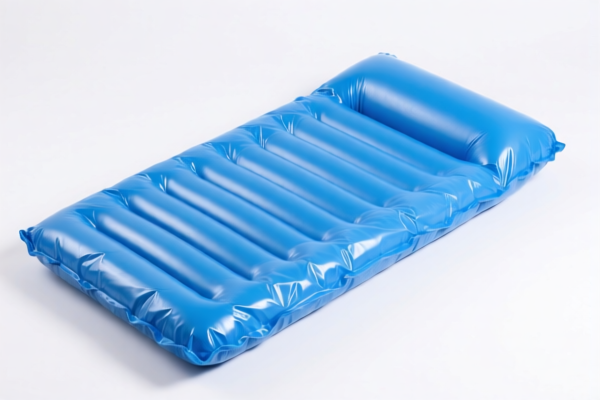
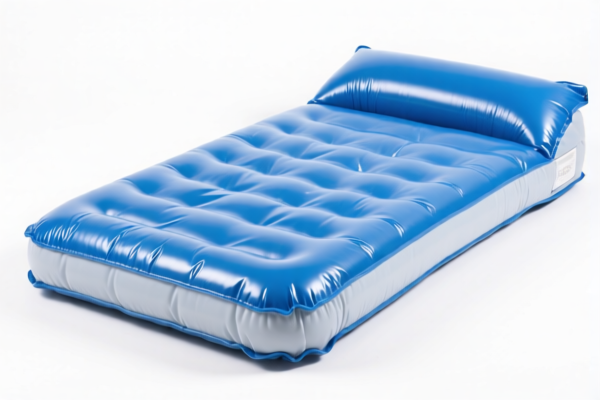
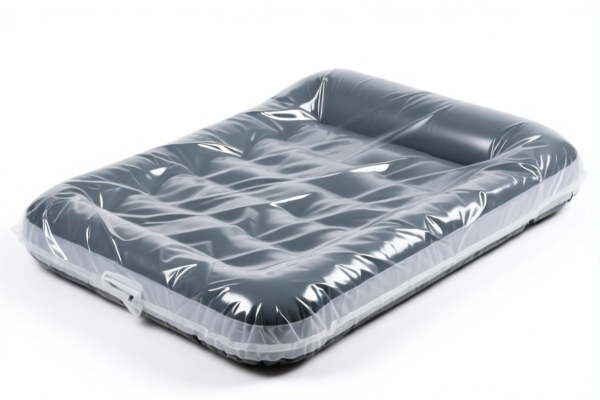
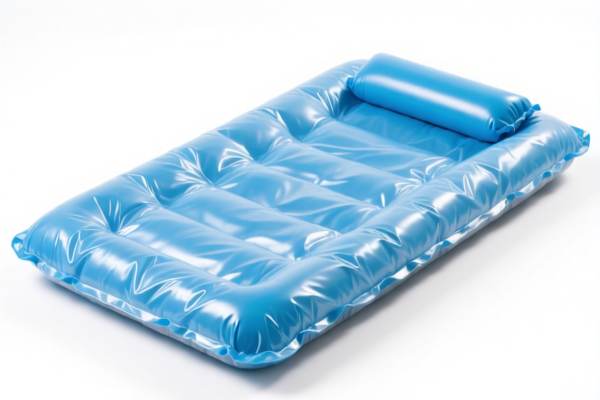
AI Analysis
🏗️ PVC Architectural Textile Membrane (PVC Membrane Structures)
🌐 HS Code Reference & Customs Clearance Guide | 2026 Latest Tariff Analysis | Professional Compliance Strategy
📌 I. Product Definition & Classification: What Exactly is "PVC Architectural Textile Membrane"?
PVC Architectural Textile Membrane is a high-strength composite material used for tensile structures, canopies, awnings, and architectural coverings. In international trade, its classification depends heavily on material composition and physical form. It is primarily divided into:
1. PVC Textile/Coated Fabric (Fabric-like):
Treated with PVC coating on synthetic fibers (polyester, fiberglass, etc.). Used for tents, awnings, and large-span roofs. The key is that it retains a "textile" structure.
2. PVC Plastic Sheet/Film (Plastic-like):
Solid PVC plastic materials, not necessarily fibrous or coated in a textile manner. Used for wall coverings, flooring, or general plastic sheeting applications.
⚠️ Critical Distinction Point:
- If the material is a coated textile fabric (like a tent) → It often falls under Headings 6306.
- If the material is a solid PVC plastic sheet/film (like wall paneling or uncoated plastic membrane) → It falls under Headings 3926 or 3921.
📦 II. HS Code Classification Details (2026 Latest Tariff Authority Comparison)
Based on the provided data, here is the breakdown for PVC Architectural Textile Membrane products, categorized by their specific physical form and usage:
| HS Code | Product Description | Application Scenario | Key Classification Criteria |
|---|---|---|---|
6306.12.00.00 |
PVC Textile Building Membrane | Tents, Awnings, Shade Cloths | Material: Synthetic fiber/material; Form: Fits the use of tarps/awnings |
3926.90.35.00 |
PVC Textile Building Membrane | Other Plastic Articles | Material: PVC Plastic; Form: Not beaded/sequined; General plastic article |
3926.90.33.00 |
PVC Textile Building Membrane | Textile Membrane Structures | Material: PVC Plastic; Form: Specifically "Textile Membrane Structure" under Ch 39-41 materials |
3921.12.19.50 |
PVC Wall Membrane | Wall Coverings/Film | Material: PVC; Form: Film/Sheet type; Used for wall cladding |
3919.90.50.60 |
PVC Wall Membrane | Self-adhesive/Flat Plastic Films | Material: PVC Plastic; Form: Flat shape or self-adhesive; Plastic rolls/sheets |
🔍 Key Reminder:
- Textile vs. Plastic: If the product is essentially a fabric coated with PVC (common for architectural tents/awnings),6306.12.00.00is often the most accurate for functional use as a "tent/awning."
- Wall vs. Structure: If the product is primarily for wall covering (decorative or protective film), it may fall under3921or3919.
- General Plastic: If it doesn't fit the specific "textile membrane" or "wall film" definitions precisely, it may default to general plastic articles under3926.
💰 III. 2026 Latest Tariff Rate Breakdown (Including Surtaxes & Policy Add-ons)
✅ Applicable Country: United States (US)
✅ Origin: China (CN)
✅ Effective Time: Current rates including Section 301 and Section 232 (if applicable, though data shows specific surcharges)
🎯 1. 6306.12.00.00 – PVC Textile Building Membrane (Awnings/Tents)
Best for: Functional architectural fabrics like shade sails, tent roofs, awnings.
| Item | Detail |
|---|---|
| Base Tariff | 8.8% |
| Section 301 Surtax | 0.0% (Note: Data shows 0% for this specific code, but verify current policy) |
| Section 122 Tariff | 10.0% |
| Total Effective Rate | 18.8% |
| Calculation Basis | CIF Value × 18.8% |
| De Minimis Exemption | ❌ Not Applicable (High threshold usually for textiles) |
| Legal Basis Path | USITC:6306.12.00.00 → Section 122: 10% |
📌 Interpretation:
- This is the lowest tax option among the choices provided.
- Suitable if your product is clearly a textile fabric used for shelter/awning purposes.
- Ensure your product description emphasizes "Textile," "Fabric," "Awnings," or "Tents" to justify this classification.
🎯 2. 3926.90.35.00 – PVC Textile Building Membrane (Other Plastic Articles)
Best for: General PVC plastic structures not fitting other specific plastic categories.
| Item | Detail |
|---|---|
| Base Tariff | 6.5% |
| Section 301 Surtax | 7.5% |
| Section 122 Tariff | 10.0% |
| Total Effective Rate | 24.0% |
| Calculation Basis | CIF Value × 24.0% |
| De Minimis Exemption | ❌ Not Applicable |
| Legal Basis Path | USITC:3926.90.35.00 → Section 301: 7.5% → Section 122: 10% |
📌 Interpretation:
- Higher tax than textile classification.
- Applies if the product is viewed as a generic plastic article rather than a textile.
- Use this only if the textile nature is not the primary characteristic.
🎯 3. 3926.90.33.00 – PVC Textile Membrane Structures (Specific Plastic Material)
Best for: PVC-based membrane structures explicitly classified as plastic materials under Chapter 39.
| Item | Detail |
|---|---|
| Base Tariff | 6.5% |
| Section 301 Surtax | 0.0% |
| Section 122 Tariff | 10.0% |
| Total Effective Rate | 16.5% |
| Calculation Basis | CIF Value × 16.5% |
| De Minimis Exemption | ❌ Not Applicable |
| Legal Basis Path | USITC:3926.90.33.00 → Section 122: 10% |
📌 Interpretation:
- Lowest overall tax rate in the dataset (16.5%).
- This code specifically mentions "Textile Membrane Structure" but under plastic materials (Ch 39).
- Crucial: You must prove the material is fundamentally a PVC plastic sheet/membrane used in construction, not a woven textile fabric.
- Ideal for rigid or semi-rigid PVC membranes used in architectural cladding.
🎯 4. 3921.12.19.50 – PVC Wall Membrane (Film/Sheet)
Best for: PVC films used for wall coverings, decorative panels.
| Item | Detail |
|---|---|
| Base Tariff | 5.3% |
| Section 301 Surtax | 25.0% |
| Section 122 Tariff | 10.0% |
| Total Effective Rate | 40.3% |
| Calculation Basis | CIF Value × 40.3% |
| De Minimis Exemption | ❌ Not Applicable |
| Legal Basis Path | USITC:3921.12.19.50 → Section 301: 25% → Section 122: 10% |
📌 Interpretation:
- High tax burden due to 25% Section 301 surcharge.
- Only use if the product is strictly a PVC wall film/sheet.
- Avoid for large architectural tents or structural membranes.
🎯 5. 3919.90.50.60 – PVC Wall Membrane (Self-Adhesive/Flat)
Best for: Self-adhesive PVC tapes, rolls, or flat plastic films.
| Item | Detail |
|---|---|
| Base Tariff | 5.8% |
| Section 301 Surtax | 25.0% |
| Section 122 Tariff | 10.0% |
| Total Effective Rate | 40.8% |
| Calculation Basis | CIF Value × 40.8% |
| De Minimis Exemption | ❌ Not Applicable |
| Legal Basis Path | USITC:3919.90.50.60 → Section 301: 25% → Section 122: 10% |
📌 Interpretation:
- Highest tax rate in the dataset.
- Applies to self-adhesive or flat plastic shapes.
- Not suitable for structural architectural membranes unless they are specifically self-adhesive wall coverings.
🛠️ IV. Customs Clearance Practical Advice (Risk Avoidance Guide)
✅ 1. Preparation Checklist (Non-Negotiable)
| Document | Required | Notes |
|---|---|---|
| ✅ Product Specifications | ✔️ | Must detail material composition (e.g., "Polyester base with PVC coating") |
| ✅ Product Photos | ✔️ | Show texture: Is it woven/fabric-like (Textile) or smooth/plastic (Plastic)? |
| ✅ Usage Statement | ✔️ | Clearly state: "For architectural tent roof," "For wall cladding," etc. |
| ✅ Composition Proof | ✔️ | Lab report showing % of PVC vs. synthetic fiber |
| ✅ Commercial Invoice | ✔️ | Avoid generic terms like "PVC Sheet." Use "PVC Coated Polyester Fabric for Awnings" |
| ✅ Packing List | ✔️ | Ensure weight and dimensions match invoice |
✅ 2. Classification Strategy (Key Rules)
🔥 “Textile for Awnings, Plastic for Walls, Avoid Flat Films if Possible!”
| Scenario | Recommended HS Code | Reason |
|---|---|---|
| Large Tents, Shade Sails, Canopies | 6306.12.00.00 |
Clearly defined as "Awnings/Tents" in textile chapter. Lowest tax among textile options. |
| Rigid/ Semi-Rigid PVC Membrane Panels | 3926.90.33.00 |
Specific code for "Textile Membrane Structure" under plastics. Lowest overall tax (16.5%). |
| PVC Wall Coverings/Flooring Rolls | 3921.12.19.50 |
Classified as plastic films/sheets. Higher tax due to Section 301. |
| Self-Adhesive PVC Rolls | 3919.90.50.60 |
Highest tax. Only use if genuinely self-adhesive. |
✅ 3. Special Considerations
| Situation | Advice |
|---|---|
| Hybrid Materials | If the product is 50% textile, 50% plastic, classify based on essential character. For architectural membranes, if the PVC coating defines the waterproof function, it might lean towards plastic (3926), but if the fabric provides structural integrity, it may lean towards textile (6306). |
| Pre-Cut vs. Rolls | Pre-cut tents are clearly 6306.12.00.00. Rolls of material can be ambiguous. Provide cutting patterns to prove intended use. |
| Section 122 Tariff | All options include a 10% Section 122 tariff. This is currently unavoidable for most Chinese-origin goods under these codes. |
| Section 301 Tariff | Varies by code. Avoid 3921 and 3919 if possible due to 25% surcharge. |
🌍 V. Global Market Comparison (2026 Overview)
| Region | Preferred HS Code | Est. Tax Rate | Notes |
|---|---|---|---|
| 🇺🇸 USA | 6306.12.00.00 or 3926.90.33.00 |
16.5% - 18.8% | Best options. Avoid 3921/3919 due to high Section 301. |
| 🇨🇳 China | 6306.12.00.00 |
~5-8% | Lower base tariff, no Section 301. |
| 🇪🇺 EU | 6306.12.00.00 |
~6-10% | No Section 122/301 equivalent. |
| 🇬🇧 UK | 6306.12.00.00 |
~6-10% | Post-Brexit tariffs apply. |
📌 Conclusion:
- The US market is highly sensitive to Section 301 and Section 122 tariffs.
- Classification strategy is critical: Choose3926.90.33.00(16.5%) or6306.12.00.00(18.8%) over wall film codes (40%+) for architectural membranes.
📌 VI. Common Mistakes & Pitfalls (Lessons Learned)
❌ Mistake 1: Calling a "PVC Coated Polyester Fabric" a "Plastic Sheet"
👉 Consequence: Misclassification risk, potential penalty, or higher tax if 3921 is mistakenly applied.
✅ Fix: Emphasize "Fabric," "Textile," "Woven" in documentation if using 6306.
❌ Mistake 2: Using 3926.90.35.00 when 3926.90.33.00 is more specific
👉 Consequence: Higher tax (24% vs 16.5%).
✅ Fix: Use 3926.90.33.00 if the product is a "Membrane Structure" made of PVC plastic.
❌ Mistake 3: Ignoring Section 122 Tariff
👉 Consequence: Under-declaration leads to penalties.
✅ Fix: Always include 10% Section 122 in cost calculations.
🎯 VII. Final Recommendation: Optimize Your Classification
🎯 Top Choice for Architectural Membranes:
3926.90.33.00(16.5% Total Tax)
Why? Lowest overall rate. Best if the product is a PVC-based membrane structure.
🎯 Alternative for Textile-Based Tents/Awnings:
6306.12.00.00(18.8% Total Tax)
Why? Slightly higher tax, but very clear "Tent/Awning" classification. Safer if the product is clearly fabric.
🚫 Avoid:
3921.12.19.50/3919.90.50.60(40%+ Tax)
Why? Unnecessarily high taxes for wall films, not ideal for structural membranes.
📌 Pro Tip:
- Submit a Request for Advance Ruling to US Customs (CBP) if the product is ambiguous.
- Provide physical samples, photos, and spec sheets showing it’s a "Membrane Structure" (plastic) or "Tent Fabric" (textile).
- Cost Saving: Choosing 3926.90.33.00 over 6306.12.00.00 saves 2.3% on CIF value. On a $100,000 shipment, that’s $2,300 saved.
📣 Immediate Action:
📞 Consult your customs broker with the specific product form (Fabric vs. Plastic Sheet).
🚀 Declare accurately to avoid delays, seizures, or unexpected duties.
💡 Optimize your HS Code to save thousands in tariffs.
✨ Precision in Classification = Profit in Your Pocket!
💼 Don’t let tariff missteps eat your margins!
Customer Reviews
About HS Code Classification
The Harmonized System (HS) is an internationally standardized nomenclature developed by the World Customs Organization (WCO) to classify traded products. Over 200 countries use the HS system as the basis for customs tariffs, trade statistics, and import/export regulations.
Each HS code follows a hierarchical structure:
- Chapter (2 digits) — Broad category of goods (e.g., Chapter 84: Machinery and Mechanical Appliances)
- Heading (4 digits) — More specific grouping within the chapter
- Subheading (6 digits) — Internationally standardized breakdown, used by all WCO member countries
- National subdivisions (8-10 digits) — Country-specific extensions for further classification, such as US HTSUS 10-digit codes
Correct HS code classification is essential for smooth customs clearance, accurate duty payment, and compliance with trade regulations. Misclassification can lead to customs delays, overpayment of duties, or penalties.
When importing from CN to US, the applicable tariff rates may include:
- Most-Favored-Nation (MFN) rate — The standard duty rate applied to WTO members
- General rate — Applied to countries without trade agreements
- Trade remedy duties — Additional tariffs such as Section 301 (anti-dumping), Section 232 (national security), or countervailing duties
The information provided on this page is for reference purposes only. For official classification, please consult with your local customs authority or a licensed customs broker.