PVC Board
CN → US| HS Code | Tariff Rate | Origin | Destination | Doc |
|---|---|---|---|---|
| 3921125000 | 41.5% | CN | US | Official Doc |
| 3923900080 | 38.0% | CN | US | Official Doc |
| 3921121950 | 40.3% | CN | US | Official Doc |
| 3920435000 | 39.2% | CN | US | Official Doc |
| 3918102000 | 40.3% | CN | US | Official Doc |
Product Images
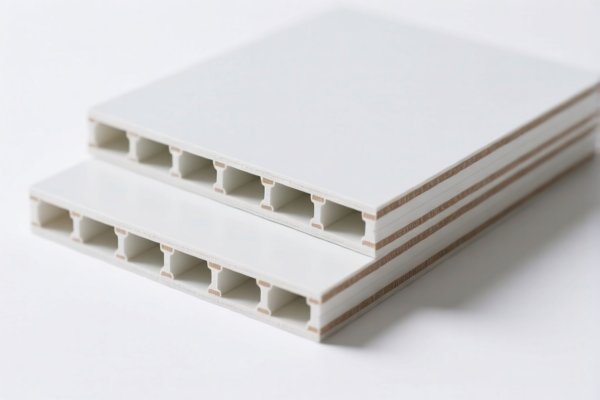
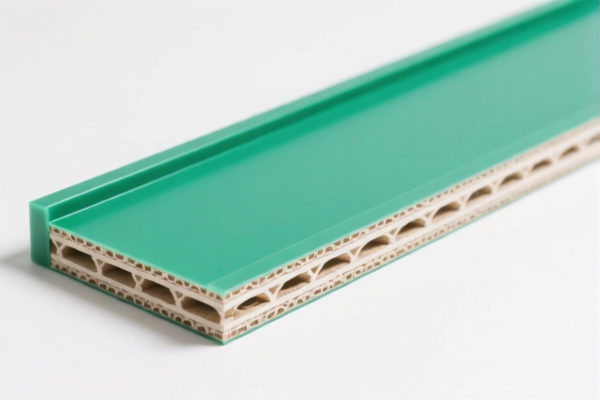
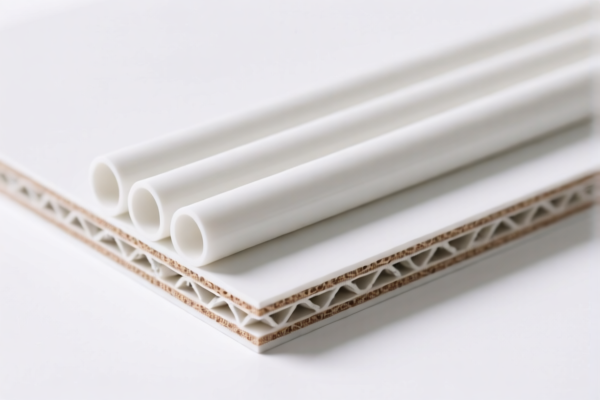
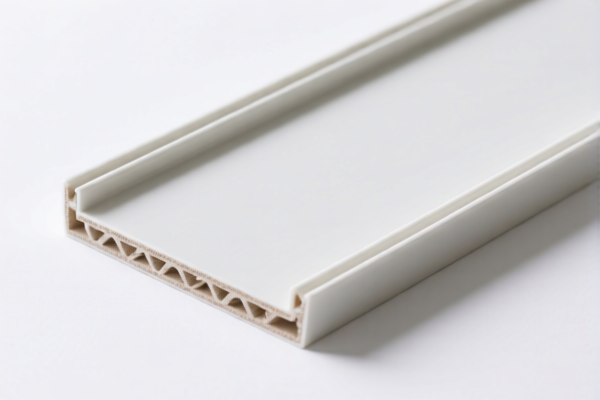
AI Analysis
🏗️ PVC Board: The Ultimate Classification & Customs Clearance Guide (2026 Edition)
🌐 HS Code Reference & Clearance Strategy | Precision Classification for PVC Products | Maximize Savings, Minimize Risks
📌 I. Product Definition & Classification: What Exactly is "PVC Board"?
PVC Board (Polyvinyl Chloride Board) is a versatile synthetic material widely used in construction, packaging, and interior decoration. In international trade, it is not a single HS Code but a broad category that splits based on structure, use, and manufacturing process.
To avoid customs delays or unexpected tariffs, you must distinguish between: 1. Rigid Sheets/Planks: Used for structural flooring, wall cladding, or industrial packing. 2. Packaging Materials: Flexible or semi-rigid sheets specifically designed for packaging goods. 3. Finished Flooring vs. Raw Material: Is it a finished product for laying down, or a material for further processing?
⚠️ Critical Distinction:
- If it is used as a floor covering (finished installation), it likely falls under Chapter 3918.
- If it is a raw sheet/board for general use or packing, it falls under Chapter 3920 or 3921.
- Misclassification Risk: Declaring "PVC Floor" as "Packaging Board" to lower tariffs will trigger audits and penalties.
📦 II. HS Code Classification Details (Based on Provided Data)
Below are the only valid HS Codes from the provided dataset for PVC Boards/Packaging. Note that all entries include specific US trade penalties (Section 301 + Section 122/IEEPA).
| HS Code | Product Summary | Key Characteristics | Primary Use Case |
|---|---|---|---|
3921.12.50.00 |
PVC Packaging Board | Material: Polyvinyl Chloride Polymer; Form: Plate/Sheet | General PVC board sheets, often for industrial or light packaging. |
3923.90.00.80 |
PVC Packaging Board | Material: Plastic; Use: Packaging Supplies | Specific to packaging applications (e.g., blister packs, rigid containers). |
3921.12.19.50 |
PVC Packaging Board | Material: Vinyl Chloride Polymer; Form: Plate; Structure: Unspecified | General vinyl chloride plates/sheets where structure is not defined as flooring. |
3920.43.50.00 |
PVC Flooring | Material: Polyvinyl Chloride; Form: Plate-like Products | Finished PVC Floor Tiles/Planks ready for installation (non-woven or rigid backing). |
3918.10.20.00 |
PVC Flooring | Material: Polyvinyl Chloride; Use: Floor Coverings | Finished Flooring Products specifically designated for covering floors (laminated or layered). |
🔍 Classification Logic:
- HS 3920/3921 Series: Generally refers to unworked or semi-worked plastic plates, sheets, film, and foil. If the PVC board is a raw sheet for cutting or further manufacturing, look here. - HS 3923 Series: Specifically for articles of plastics for the conveyance or packaging of goods. If the "board" is a rigid packaging material, this code applies. - HS 3918 Series: Specifically for floor coverings made of plastics. If the product is sold as "PVC Floor," this is the correct category, regardless of whether it is rolled or planked.
💰 III. 2026 Tariff Rate Breakdown (US Imports from China)
✅ Applicable Country: United States (US)
✅ Origin: China (CN)
✅ Note: All rates below reflect the total effective tax rate including base tariffs, Section 301 tariffs, and Section 122/IEEPA surcharges as per the dataset.
🎯 1. General PVC Boards (HS 3921 Series)
These codes apply to PVC plates/sheets used for general purposes or unspecified structures.
| HS Code | Product Description | Base Tariff | Section 301 Tariff | Section 122 Tariff | Total Tax Rate |
|---|---|---|---|---|---|
3921.12.50.00 |
PVC Packaging Board (Polymer) | 6.5% | 25.0% | 10.0% | 41.5% |
3921.12.19.50 |
PVC Packaging Board (Vinyl Chloride) | 5.3% | 25.0% | 10.0% | 40.3% |
📌 Explanation:
- Base Tariff: Varies slightly based on exact polymer classification (5.3% vs 6.5%).
- Section 301 (25%): Standard penalty on Chinese plastics under the Trump-era trade war, maintained in 2026.
- Section 122 (10%): Additional levy for specific Chinese imports (often linked to recent administrative rulings).
- Total Cost Impact: For every $10,000 CIF value, expect to pay $4,030 - $4,150 in duties alone.
🎯 2. PVC Packaging Specific (HS 3923 Series)
| HS Code | Product Description | Base Tariff | Section 301 Tariff | Section 122 Tariff | Total Tax Rate |
|---|---|---|---|---|---|
3923.90.00.80 |
PVC Packaging Board (Packaging Supplies) | 3.0% | 25.0% | 10.0% | 38.0% |
📌 Explanation:
- Lower Base Tariff (3.0%): Packaging materials often enjoy lower base rates due to their utility in trade logistics.
- Still High Total (38.0%): The 25% + 10% surcharges remain unchanged, making this still expensive compared to pre-2018 levels.
🎯 3. PVC Flooring (HS 3920 / 3918 Series)
These codes apply if the PVC board is finished flooring.
| HS Code | Product Description | Base Tariff | Section 301 Tariff | Section 122 Tariff | Total Tax Rate |
|---|---|---|---|---|---|
3920.43.50.00 |
PVC Flooring (Plate-like) | 4.2% | 25.0% | 10.0% | 39.2% |
3918.10.20.00 |
PVC Flooring (Floor Coverings) | 5.3% | 25.0% | 10.0% | 40.3% |
📌 Explanation:
- 3918 vs 3920:3918.10.20.00is for "Floor coverings of plastics," which is the most specific and common code for retail PVC flooring.3920.43.50.00is for "Other plates, sheets, film, foil and strip, of polyvinyl chloride" that happen to be in plate-like form (possibly unfinished or specific industrial types).
- Risk: If you declare "PVC Flooring" under3920to save 1.1%, customs may reclassify it as3918or vice versa based on product presentation. Always use3918.10.20.00for finished consumer flooring.
🛠️ IV. Customs Clearance Practical Advice (Avoid Pitfalls)
✅ 1. Documentation Checklist (Mandatory)
| Document | Requirement | Reason |
|---|---|---|
| Commercial Invoice | Must state "PVC Board" or "PVC Flooring" explicitly. Avoid generic "Plastic Sheet." | To determine the correct HS Code (Packaging vs. Flooring vs. General Board). |
| Product Specification | Include Material Composition (100% PVC vs. Mixed), Thickness, and Dimensions. | Determines if it fits 3921 (General) or 3918 (Flooring). |
| Usage Declaration | Clearly state End Use: "For Packaging" vs. "For Flooring Installation" vs. "For Construction." | Critical for distinguishing between 3923 (Packaging) and 3921 (General). |
| Photo Evidence | High-res photos showing texture, backing, and installation context. | Helps customs verify if it's a finished floor (3918) or raw sheet (3921). |
| Origin Certificate | Proof of Chinese Origin (if claiming FTA exemptions, though none apply here). | Confirms applicability of Section 301 & 122 tariffs. |
✅ 2. Classification Strategy (Key Mnemonics)
🔥 "Form Defines Function: Floor vs. Pack vs. Plate"
| Scenario | Recommended HS Code | Why? |
|---|---|---|
| Finished Vinyl Tiles/Planks sold for home/office use | 3918.10.20.00 (40.3%) |
Specifically defined as "Floor Coverings." |
| Rigid PVC Sheets used for making boxes/containers | 3923.90.00.80 (38.0%) |
"Packaging Supplies" category. |
| Generic PVC Plates/Sheets for industrial cutting/advertising | 3921.12.50.00 (41.5%) |
General polymer plates/sheets. |
| Unspecified Vinyl Boards (structure not defined) | 3921.12.19.50 (40.3%) |
Fallback for vinyl chloride plates. |
✅ 3. Common Errors & Penalties
❌ Error 1: Declaring "PVC Flooring" as "Plastic Packaging Board" (3923) to get 38% instead of 40.3%.
👉 Consequence: Customs will reject the declaration, demand the correct code, and assess penalties + interest for misdeclaration. The difference is small (2.3%), but the compliance risk is high.
❌ Error 2: Ignoring the 10% Section 122 Tariff.
👉 Consequence: Underpaying duties by 10% leads to seizure of goods or severe fines. This is not a base tariff; it's a mandatory surcharge for Chinese goods in this category.
❌ Error 3: Confusing 3920 (Plates/Sheets) with 3918 (Floor Coverings).
👉 Consequence: If the product is finished flooring, 3920 is incorrect. 3918 is the specific provision for flooring. Using 3920 may be accepted for raw materials but rejected for finished goods.
✅ Correct Declaration Example:
"PVC Floor Tiles, 2mm thickness, 100% Polyvinyl Chloride, Click-Lock System, for Residential Use. HS: 3918.10.20.00"
🌍 V. Market Comparison (2026)
| Market | HS Code (Flooring) | Base Tariff | Total Est. Rate (China) | Notes |
|---|---|---|---|---|
| 🇺🇸 USA | 3918.10.20.00 |
5.3% | 40.3% | Includes 25% Sec 301 + 10% Sec 122. |
| 🇨🇳 China | 3918.10.20.00 |
~1-3% | ~1-3% | No Section 301/122. Import duty for foreigners. |
| 🇪🇺 EU | 3918.10.00 |
0-6.5% | 0-6.5% | No Section 301. May have anti-dumping duties. |
| 🇬🇧 UK | 3918.10.00 |
0-6.5% | 0-6.5% | Post-Brexit tariffs generally lower than US Sec 301. |
📌 Conclusion:
- The US market is the most expensive due to cumulative trade wars (301 + 122).
- Tariff Engineering: If possible, consider sourcing PVC raw materials from non-China origins to avoid the 35% total surcharge, but note that processing in China still triggers origin rules.
📌 VI. Final Checklist for Importers
- Identify End Use: Is it flooring? →
3918. Is it packaging? →3923. Is it general board? →3921. - Verify Material: Ensure it is 100% PVC or correctly declared polymer blend to match the HS Code description.
- Calculate Landed Cost: Factor in 40%+ for US imports. Do not use base rates (3-6%) for budgeting.
- Pre-Audit: If importing >$10k, consider a Pre-Ruling from US CBP to lock in the HS Code and avoid post-import audits.
🎯 Pro Tip:
"Don't let 'PVC Board' be a vague term. Be specific: 'Flooring,' 'Packaging,' or 'Plate.' Clarity saves thousands in potential disputes and delays!"
📣 Action Item:
📤 Provide your product datasheet to a customs broker for a binding ruling before shipment.
💰 Budget for ~40% total duty on US imports.
🚀 Ensure your commercial invoice matches the exact HS Code description to avoid holds.
✨ Accurate Classification is Your Best Defense Against Customs Audits!
💼 Protect Your Margins by Mastering the Details!
Customer Reviews
About HS Code Classification
The Harmonized System (HS) is an internationally standardized nomenclature developed by the World Customs Organization (WCO) to classify traded products. Over 200 countries use the HS system as the basis for customs tariffs, trade statistics, and import/export regulations.
Each HS code follows a hierarchical structure:
- Chapter (2 digits) — Broad category of goods (e.g., Chapter 84: Machinery and Mechanical Appliances)
- Heading (4 digits) — More specific grouping within the chapter
- Subheading (6 digits) — Internationally standardized breakdown, used by all WCO member countries
- National subdivisions (8-10 digits) — Country-specific extensions for further classification, such as US HTSUS 10-digit codes
Correct HS code classification is essential for smooth customs clearance, accurate duty payment, and compliance with trade regulations. Misclassification can lead to customs delays, overpayment of duties, or penalties.
When importing from CN to US, the applicable tariff rates may include:
- Most-Favored-Nation (MFN) rate — The standard duty rate applied to WTO members
- General rate — Applied to countries without trade agreements
- Trade remedy duties — Additional tariffs such as Section 301 (anti-dumping), Section 232 (national security), or countervailing duties
The information provided on this page is for reference purposes only. For official classification, please consult with your local customs authority or a licensed customs broker.