PVC Bridge Pipe
CN → US| HS Code | Tariff Rate | Origin | Destination | Doc |
|---|---|---|---|---|
| 3917400050 | 40.3% | CN | US | Official Doc |
| 3917400020 | 40.3% | CN | US | Official Doc |
| 3926305000 | 22.8% | CN | US | Official Doc |
| 3926909989 | 22.8% | CN | US | Official Doc |
| 3917230000 | 38.1% | CN | US | Official Doc |
Product Images
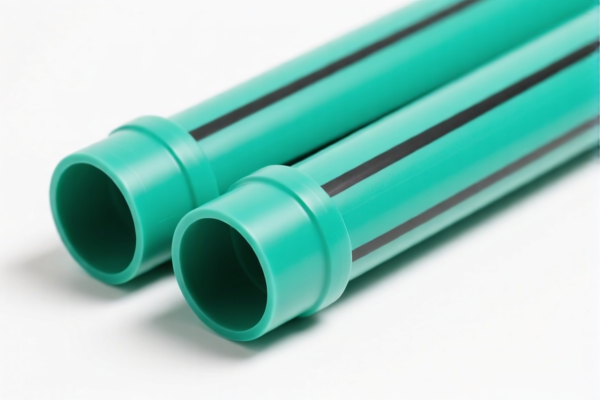
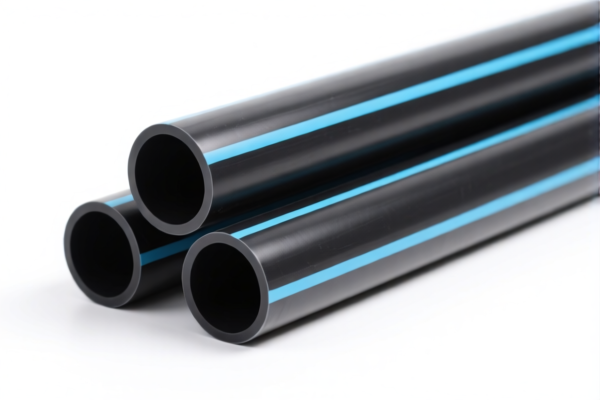
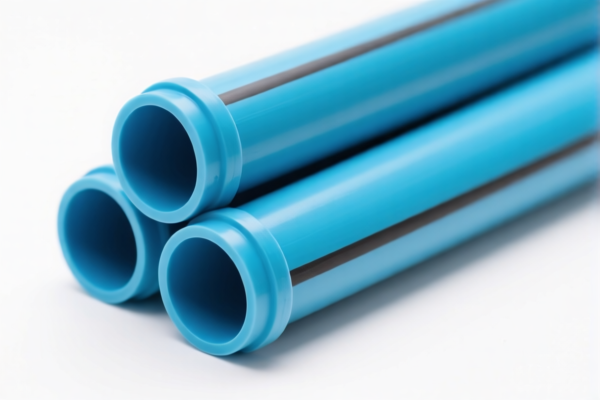
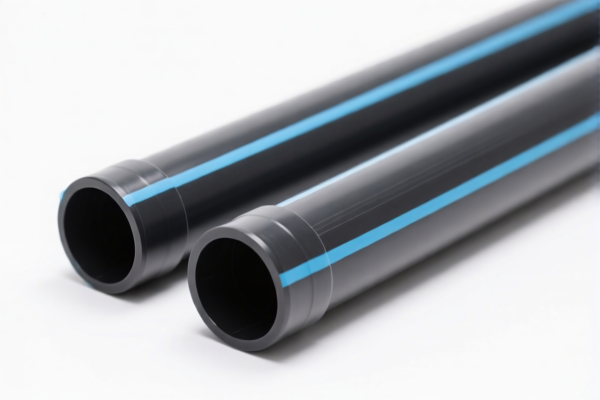
AI Analysis
🚰 PVC Bridge Pipe (Plastic Drainage Pipe Fittings)
🌐 HS Code Reference & Customs Clearance Guide | 2026 Latest Tariff Analysis | Professional Clearance Strategy
📌 I. Product Definition & Classification: What is a "PVC Bridge Pipe"?
The "PVC Bridge Pipe" refers to Polyvinyl Chloride (PVC) pipe fittings used primarily in Drain, Waste, and Vent (DWV) systems. In international trade, these products are classified based on their function (plumbing/drainage) versus their material nature (plastic accessories).
There are two main classification paths: 1. Functional Classification (Plumbing Fittings): Classified under Chapter 39, Heading 3917 as "Tubes, pipes, and hoses... fittings." This is the most accurate classification for products specifically designed for plumbing/DWV systems. 2. General Plastic Articles: Classified under Heading 3926 as "Other articles of plastics." This applies if the product is considered a general-purpose connector or lacks specific plumbing certification.
⚠️ Key Distinction Point:
- If the pipe fitting is specifically rated for DWV (Drain/Waste/Vent) or pressure-rated plumbing use →归入 3917.xxxx (Higher Tariff Impact).
- If it is a general plastic connector not specifically for plumbing pressure systems → May fall under 3926.90 or 3926.30 (Lower Tariff Impact, but requires strict proof of non-plumbing use).
📦 II. HS Code Classification Details (2026 Latest Tariff Authority Reference)
| HS Code | Product Description | Application Scenario | Classification Logic |
|---|---|---|---|
3917.40.00.50 |
PVC Bridge Pipe as plastic drainage pipe joint | DWV fittings (Drain/Waste/Vent) | Specific plumbing fittings; matches drainage purpose. |
3917.40.00.20 |
PVC Bridge Pipe (Material: PVC, Form: Fitting) | Non-pressure rated plumbing fittings | Matches definition of non-pressure plumbing accessories (DWV). |
3926.30.50.00 |
PVC Bridge Pipe (Material: PVC, Form: Joint) | Furniture, vehicle body, or general connectors | Categorized as "Other connectors for furniture/vehicle bodies." |
3926.90.99.89 |
PVC Bridge Pipe (Material: PVC, Form: Joint) | General plastic articles | General "Other plastic articles" logic; catch-all for plastic joints. |
3917.23.00.00 |
PVC Bridge Pipe (Material: PVC/Chlorinated Polymer) | Pipes, tubes, and hoses classification | Classified under "Other tubes, pipes, and hoses" rather than fittings. |
🔍 Important Reminder:
- Products specifically labeled and intended for DWV (Drain, Waste, Vent) systems typically fall under 3917.
- Using 3926 codes requires proving the item is not primarily for plumbing/drainage purposes, or it is a general accessory. Misclassification can lead to severe penalties.
💰 III. 2026 Latest Tariff Rate Breakdown (Including Surcharges & Policy Add-ons)
✅ Applicable Country: United States (US)
✅ Origin: China (CN)
✅ Effective Time: Current rates apply (Subject to 301 Section & IEEPA provisions)
🎯 1. 3917.40.00.50 & 3917.40.00.20 — PVC Drainage Fittings (DWV Specific)
| Item | Detail |
|---|---|
| Base Tariff Rate | 5.3% (ad valorem) |
| Section 301 Surcharge | +25.0% (Trade Remedy Tariff on Chinese Goods) |
| Section 122 Tariff | +10.0% (Specific trade provision) |
| Total Tax Rate | 40.3% |
| Tax Calculation | CIF Value × 40.3% |
| De Minimis Exemption? | ❌ No (High risk of audit; de minimis often excluded for high-tariff HS codes) |
| Legal Basis Path | USITC:3917.40.00.50 → SECTION_301:Footnote → SECTION_122 |
📌 Explanation:
- The 5.3% is the standard Most Favored Nation (MFN) rate for plastic pipes/fittings.
- The 25.0% is the major penalty under Section 301 for Chinese plastic goods.
- The 10% additional charge under Section 122 further increases the cost.
- Total 40.3% is a high tariff burden. Importers must factor this into landed cost calculations.
🎯 2. 3926.30.50.00 & 3926.90.99.89 — General Plastic Joints/Connectors
| Item | Detail |
|---|---|
| Base Tariff Rate | 5.3% (ad valorem) |
| Section 301 Surcharge | +7.5% (Reduced rate for certain plastic articles under specific exemptions/adjustments) |
| Section 122 Tariff | +10.0% (Specific trade provision) |
| Total Tax Rate | 22.8% |
| Tax Calculation | CIF Value × 22.8% |
| De Minimis Exemption? | ❌ No (Still subject to scrutiny due to Section 122) |
| Legal Basis Path | USITC:3926.90.99.89 → SECTION_301:Footnote → SECTION_122 |
📌 Note:
- The 7.5% surcharge is significantly lower than the 25% for plumbing-specific fittings.
- This lower rate applies only if the product is not classified as a dedicated plumbing fitting (i.e., not under 3917).
- Risk: If customs determines the product is actually for DWV use, they will reclassify to 3917 and demand the higher 40.3% rate + penalties.
🎯 3. 3917.23.00.00 — PVC Pipes/Tubes (General)
| Item | Detail |
|---|---|
| Base Tariff Rate | 3.1% (ad valorem) |
| Section 301 Surcharge | +25.0% (Standard Section 301) |
| Section 122 Tariff | +10.0% (Specific trade provision) |
| Total Tax Rate | 38.1% |
| Tax Calculation | CIF Value × 38.1% |
| De Minimis Exemption? | ❌ No |
| Legal Basis Path | USITC:3917.23.00.00 → SECTION_301 → SECTION_122 |
📌 Warning:
- Although the base rate is lower (3.1%), the Section 301 surcharge is full 25%.
- This classification assumes the item is a "tube/pipe" rather than a "fitting." Misusing this for fittings can lead to reclassification and back taxes.
🛠️ IV. Customs Clearance Practical Advice (Real-World Pitfall Guide)
✅ 1. Required Documentation Checklist (Missing items cause delays)
| Document | Mandatory | Explanation |
|---|---|---|
| ✅ Product Specification Sheet | ✔️ | Must detail material (PVC-U/PVC-C), dimensions, and intended use (DWV vs. General). |
| ✅ Product Photos (Labeled) | ✔️ | Clear images of joints, markings, and any certification logos (ASTM, NSF). |
| ✅ Commercial Invoice | ✔️ | Must explicitly state "PVC Pipe Fittings for DWV System" or "Plastic Connectors" depending on HS Code. |
| ✅ Packing List | ✔️ | Detail contents to avoid "mixture of goods" issues. |
| ✅ Certificate of Origin (CO) | ✔️ | Required to prove origin (China) for Section 301/122 assessment. |
| ✅ Third-Party Test Report | ✔️ | ASTM D2665 (DWV) or ASTM D1785 (Pressure) reports help justify HS Code 3917. |
✅ 2. Declaration Tips (Key Mnemonic)
🔥 "Match Use to Code: DWV=3917 (40%), General=3926 (22%)."
| Scenario | Correct Declaration | Wrong Practice |
|---|---|---|
| PVC Elbow/Adapter for Drainage | HS 3917.40.00.50 |
Declaring as "Plastic Toy" or "General Part" → 100% Penalty Risk |
| PVC Coupling (Not for Water) | HS 3926.90.99.89 |
Declaring as "Plumbing Fitting" → Overpaying taxes (40.3% vs 22.8%) |
| Mixed Shipment (Pipes + Fittings) | Separate Lines | Mixing on one line → Customs may assess highest rate for all |
| PVC Pipe (Long Tube) | HS 3917.23.00.00 |
Declaring as "Fitting" → Incorrect classification |
✅ 3. Special Case Handling
| Situation | Handling Advice |
|---|---|
| OEM Custom Fittings | Provide client drawings specifying "DWV Use" to justify 3917. Avoid vague terms like "Connector." |
| Non-Drainage Plastics | If the PVC bridge pipe is used for industrial air/vacuum (not water), document this to argue for 3926 (22.8%). |
| Partial Exemptions | Check if specific HTS codes qualify for Section 301 exclusions. Most plumbing plastics do not, but verify current USTR lists. |
| De Minimis (Section 321) | Avoid for bulk shipments. While small parcels may enter duty-free, high-value or high-tariff items are often flagged. |
🌍 V. Global Market Comparison (2026 Update)
| Country/Region | Recommended HS Code | Tariff (China Origin) | Certification Required | Notes |
|---|---|---|---|---|
| 🇺🇸 USA | 3917.40.00.50 |
40.3% | ASTM D2665, NSF 61/14 | High tariffs due to 301 + 122. |
| 🇨🇳 China | 3917.40.00.50 |
5% - 9% (Export Tariff may apply) | GB/T Standards | Domestic market lower burden. |
| 🇪🇺 EU | 3917.40.00 |
6.5% | CE Marking (if applicable), REACH | No Section 301 equivalent. |
| 🇬🇧 UK | 3917.40.00 |
6.5% | UKCA Marking | Post-Brexit rules apply. |
| 🇨🇦 Canada | 3917.40.00 |
5% (Most Favored Nation) | CSA/UPC Certification | Lower tariffs than US. |
📌 Conclusion:
- The US is the most expensive market due to the combination of Base Tariff + Section 301 + Section 122.
- 40.3% is a critical threshold. Importers should calculate landed costs meticulously.
- Consider sourcing from non-China origins (e.g., Vietnam, Mexico) to mitigate Section 301 tariffs, if feasible.
📌 VI. Common Errors & Pitfall Guide (Lessons Learned)
❌ Error 1: Declaring DWV Fittings as "General Plastic Parts" (3926) to save tax
👉 Consequence: Customs audit reveals plumbing use → Reclassification to 3917 + 40.3% back taxes + penalties!
❌ Error 2: Ignoring Section 122 Tariff
👉 Consequence: Underestimating total cost by 10%. The 122 tariff is automatic for many Chinese plastic goods.
❌ Error 3: Mixing "Pipes" and "Fittings" on one Invoice Line
👉 Consequence: Customs may apply the higher tariff (40.3%) to the entire shipment if not clearly separated.
❌ Error 4: Using vague descriptions like "PVC Bridge" without function
👉 Consequence: Delay in clearance due to "Request for Information" (RFI) from CBP.
✅ Correct Practice:
"PVC DWV Pipe Fitting, Elbow, 4-inch, ASTM D2665 Certified, Model XYZ, Origin: China"
🎯 VII. Conclusion: Precision Classification Saves Money!
🎯 Remember the Mnemonic:
🔹 "DWV Use = 3917 (40.3%) / General Use = 3926 (22.8%)"
🔹 "Section 301 + 122 = Heavy Burden. Don't guess!"
🔹 "Accurate Description = Fast Clearance."
📌 Pro Tip:
- If your PVC Bridge Pipes are not for plumbing (e.g., industrial air lines), provide technical data sheets proving no water pressure rating to support classification under 3926 (22.8%).
- Always request an Advance Ruling from US CBP if the value is high and classification is ambiguous.
- Verify Origin: Products from Vietnam or Mexico may avoid Section 301 tariffs, but must comply with USMCA or specific country rules of origin.
📣 Immediate Action:
📞 Consult a licensed Customs Broker
📋 Provide Product Specs & Photos
📄 Prepare for 40.3% cost if US-bound DWV fittings🚀 Clear customs smoothly, optimize costs, and expand your market!
✨ Professional Clearance Starts with Accurate Classification!
💼 Every cent saved in tariffs adds to your profit margin!
Customer Reviews
About HS Code Classification
The Harmonized System (HS) is an internationally standardized nomenclature developed by the World Customs Organization (WCO) to classify traded products. Over 200 countries use the HS system as the basis for customs tariffs, trade statistics, and import/export regulations.
Each HS code follows a hierarchical structure:
- Chapter (2 digits) — Broad category of goods (e.g., Chapter 84: Machinery and Mechanical Appliances)
- Heading (4 digits) — More specific grouping within the chapter
- Subheading (6 digits) — Internationally standardized breakdown, used by all WCO member countries
- National subdivisions (8-10 digits) — Country-specific extensions for further classification, such as US HTSUS 10-digit codes
Correct HS code classification is essential for smooth customs clearance, accurate duty payment, and compliance with trade regulations. Misclassification can lead to customs delays, overpayment of duties, or penalties.
When importing from CN to US, the applicable tariff rates may include:
- Most-Favored-Nation (MFN) rate — The standard duty rate applied to WTO members
- General rate — Applied to countries without trade agreements
- Trade remedy duties — Additional tariffs such as Section 301 (anti-dumping), Section 232 (national security), or countervailing duties
The information provided on this page is for reference purposes only. For official classification, please consult with your local customs authority or a licensed customs broker.