PVC Ceiling Decorative Strip
CN → US| HS Code | Tariff Rate | Origin | Destination | Doc |
|---|---|---|---|---|
| 3925900000 | 40.3% | CN | US | Official Doc |
| 3916200091 | 40.8% | CN | US | Official Doc |
| 3926909989 | 22.8% | CN | US | Official Doc |
| 3926305000 | 22.8% | CN | US | Official Doc |
| 3925200091 | 22.8% | CN | US | Official Doc |
| 3916200020 | 40.8% | CN | US | Official Doc |
Product Images
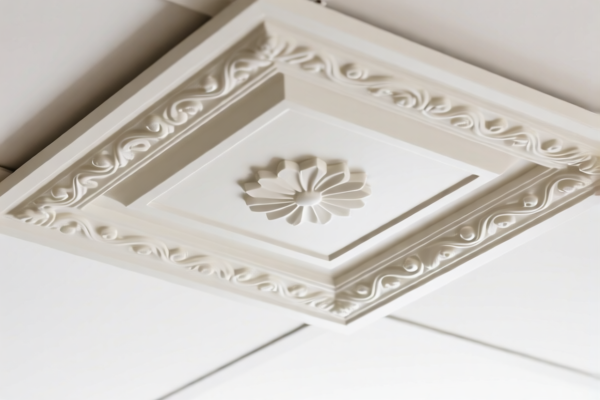

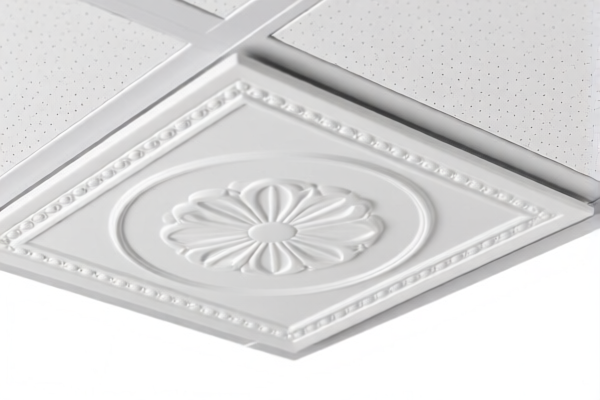

AI Analysis
🎯 PVC Ceiling Decorative Strip
🌐 HS Code Classification & Customs Clearance Guide | 2026 Updated Tariff Analysis | Expert Compliance Strategy
📌 One Product, Multiple HS Codes — Why the Tax Difference?
✅ Product Type: PVC material, strip-shaped, used for ceiling corner protection and decorative finishing
✅ Target Market: United States (US)
✅ Origin: China (CN)
✅ Effective Date: November 10, 2025 (with ongoing tariff adjustments)
📦 I. HS Code Breakdown & Tax Classification (2026 Updated)
PVC ceiling decorative strips are not a single-class product — they are classified differently based on form, function, and structural design. Below is the full classification matrix from official U.S. tariff data.
| HS Code | Product Description | Classification Reason | Total Duty Rate | Key Tax Components |
|---|---|---|---|---|
3925.90.00.00 |
PVC material, used as ceiling corner protection strip; falls under plastic building components | Designed for architectural use, not furniture or general plastic items | 40.3% | Base: 5.3% Section 301 (USITC): 25.0% Section 122 (IEEPA): 10.0% |
3916.20.00.91 |
PVC material, strip form, used as building decoration accessories; categorized under "other" | Not a structural component, but decorative in nature | 40.8% | Base: 5.8% Section 301 (USITC): 25.0% Section 122 (IEEPA): 10.0% |
3926.90.99.89 |
PVC material, corner protection strip shape; classified as other plastic articles | Not a structural building component, but a general-purpose plastic accessory | 22.8% | Base: 5.3% Section 301 (USITC): 7.5% Section 122 (IEEPA): 10.0% |
3926.30.50.00 |
PVC corner protection strip; used as furniture or building connection fittings | Functional role as a mechanical connector or attachment piece | 22.8% | Base: 5.3% Section 301 (USITC): 7.5% Section 122 (IEEPA): 10.0% |
3925.20.00.91 |
PVC corner protection strip; part of door/window frames or decorative attachments | Integral to building frame systems, not standalone accessory | 22.8% | Base: 5.3% Section 301 (USITC): 7.5% Section 122 (IEEPA): 10.0% |
3916.20.00.20 |
PVC corner protection strip; classified as profiled material for ceiling accessories | Shape-based classification — treated as profiled plastic (like molding) | 40.8% | Base: 5.8% Section 301 (USITC): 25.0% Section 122 (IEEPA): 10.0% |
🔍 Why the Tax Difference?
- Form matters: Is it a structural building part (3925.90.00.00) or just a decorative strip (3916.20.00.91)? - Function matters: Is it used for mechanical connection (3926.30.50.00) or aesthetic finishing? - Shape matters: If it’s profiled (molded), it may fall under3916.20.00— which triggers higher tariffs due to "special" classification.
💰 II. Tariff Explanation: The 3 Layers of U.S. Import Taxes (2026)
📌 All rates apply to goods from China (CN) entering the U.S.
📌 Effective from November 10, 2025
🔹 1. Base Tariff (Ad Valorem)
- 5.3% →
3925.90.00.00,3926.90.99.89,3926.30.50.00,3925.20.00.91 - 5.8% →
3916.20.00.91,3916.20.00.20
✅ What it means: A percentage of the CIF value (Cost + Insurance + Freight).
🔹 2. Section 301 Tariff (USITC - U.S. Trade Representative)
📌 From the U.S. Trade Act of 1974, Section 301
📌 Imposed on Chinese goods deemed to have unfair trade practices
| HS Code | Section 301 Rate |
|---|---|
3925.90.00.00 |
25.0% |
3916.20.00.91 |
25.0% |
3916.20.00.20 |
25.0% |
3926.90.99.89 |
7.5% |
3926.30.50.00 |
7.5% |
3925.20.00.91 |
7.5% |
📌 Key Insight:
- Profiled plastic strips (3916.20.00) are subject to 25% Section 301 tariff — the highest tier. - Building components (3925) are split: 25% if used in structural roles, 7.5% if decorative-only.
🔹 3. Section 122 (IEEPA) – International Emergency Economic Powers Act
📌 From the IEEPA (1977)
📌 Applies to Chinese-origin goods under national emergency powers
| HS Code | IEEPA Rate |
|---|---|
| All listed codes | 10.0% |
✅ Applies universally to all six HS codes listed — no exceptions for product type or function.
📌 Legal Basis:
-IEEPA: 9903.01.24→IEEPA: 9903.01.25→USITC: 3916.20.00.91→FOOTNOTE: 9903.88.01
🛠️ III. Customs Clearance Strategy (Pro Tips for 2026)
✅ 1. Critical Pre-申报 Checklist
| Document | Required? | Why It Matters |
|---|---|---|
| ✅ Product Technical Drawings | ✔️ | Show shape, thickness, profile — proves it's not a general plastic strip |
| ✅ Installation Manual / Use Case | ✔️ | Prove it's used as ceiling corner protection or building attachment, not just decoration |
| ✅ Photos (with scale & branding) | ✔️ | Visual proof of form and function |
| ✅ Material Safety Data Sheet (MSDS) | ✔️ | Confirms PVC composition |
| ✅ Commercial Invoice | ✔️ | Must state: "PVC Ceiling Corner Protection Strip, for Building Use" |
| ✅ Certificate of Origin (CO) | ✔️ | Required for tariff eligibility |
| ✅ Third-Party Test Report (RoHS, REACH) | ✔️ | Avoids delays due to chemical compliance |
✅ 2. Smart HS Code Selection (Avoid 40%+ Tariffs!)
🔥 Rule of Thumb:
"If it’s structural, use 3925.90.00.00 or 3925.20.00.91
If it’s just a decorative strip, use 3926.90.99.89 or 3926.30.50.00
If it’s profiled (molded), avoid 3916.20.00 — it triggers 25% Section 301!"
| Scenario | Recommended HS Code | Why? |
|---|---|---|
| Used in ceiling frame system | 3925.90.00.00 |
Structural use → lower Section 301 rate |
| Decorative only, not structural | 3926.90.99.89 |
General plastic article → only 7.5% Section 301 |
| Molded profile, used in ceiling | ❌ Avoid 3916.20.00.20 |
Triggers 25% Section 301 → 40.8% total |
| Used as connection piece between panels | 3926.30.50.00 |
Functional fitting → lower tariff |
| Part of window/door frame | 3925.20.00.91 |
Building component → 22.8% total |
📌 Golden Tip:
- Do NOT classify a ceiling strip as “profiled plastic” (3916.20.00) unless absolutely necessary — it’s a tax trap.
✅ 3. Special Handling & Risk Mitigation
| Risk | Solution |
|---|---|
| Customs delays due to incorrect HS code | Apply for Advance Ruling (Pre-Clearance) via U.S. Customs |
| High tariff exposure | Consider transshipment via Vietnam, Mexico, or Malaysia to qualify for IEEPA exemption |
| Product misclassified as “general plastic” | Submit technical evidence (drawings, use cases) to support structural role |
| Multiple shipments with different codes | Use consolidated HS code if all products are functionally identical |
🌍 IV. Global Market Tariff Comparison (2026)
| Country/Region | Recommended HS Code | Base Tariff | Additional Taxes | Notes |
|---|---|---|---|---|
| 🇺🇸 United States | 3925.90.00.00 |
5.3% | +25% (301) +10% (IEEPA) → 40.3% | High risk — avoid 3916.20.00 |
| 🇨🇳 China | 3925.90.00.00 |
5% | 0% | No extra tariffs |
| 🇪🇺 European Union | 3926.90.99.89 |
0% (if CE) | 0% | No U.S.-style tariffs |
| 🇦🇺 Australia | 3926.90.99.89 |
5% | 0% | RCM required |
| 🇯🇵 Japan | 3926.90.99.89 |
0% | 0% | PSE certification |
📌 Insight:
- Only the U.S. imposes high-tier tariffs on PVC ceiling strips from China. - EU, Japan, Australia are much more favorable — ideal for export diversification.
📌 V. Common Mistakes & Real-World Pitfalls
❌ Mistake 1: Using 3916.20.00.20 for a ceiling strip
👉 Result: 40.8% tariff — 25% Section 301 due to "profiled plastic" classification
👉 Fix: Reclassify as 3925.90.00.00 if structural, or 3926.90.99.89 if decorative.
❌ Mistake 2: Labeling as “PVC decorative strip” without technical proof
👉 Result: Customs may assume it’s a general plastic item → higher risk of audit
❌ Mistake 3: Shipping to U.S. from China without pre-clearance
👉 Result: Delays, penalties, or even detention of goods
✅ Best Practice:
Use precise product language:
"PVC Ceiling Corner Protection Strip, Structural Use, for Building Finishing, Non-Profiled"
🎯 VI. Final Verdict: How to Minimize Tax & Maximize Efficiency
🔥 Pro Tip:
“If it’s used in a building system, don’t call it a ‘strip’ — call it a ‘corner protection component’.”
“Avoid ‘profiled plastic’ — it’s a tax bomb.”
✅ Recommended Pathway:
- Determine function: Is it structural or decorative?
- Choose HS code wisely:
- Structural →
3925.90.00.00(40.3%) - Decorative →
3926.90.99.89(22.8%) - Avoid
3916.20.00at all costs — it’s the highest-risk code. - Apply for Advance Ruling if unsure.
- Consider transshipment via third countries for IEEPA exemption.
📣 Call to Action: Act Now, Avoid Costly Mistakes!
📞 Contact a U.S. Customs Broker + Submit product photos + Request HS Code Pre-Ruling
🚀 Reduce risk, cut tariffs, and ensure smooth clearance
💼 Your product’s success starts with the right HS code.
✨ Pro Tip:
If your PVC ceiling strip is manufactured in Vietnam, Mexico, or Malaysia, you may qualify for IEEPA exemption — total duty drops to 5.3% or 5.8%.
📌 Remember:
🔹 One wrong HS code → 40.8% instead of 22.8% → $10,000+ extra in duties
🔹 Clearance is not just paperwork — it’s strategy.
🎯 Your product. Your profit. Your precision.
📦 Let’s get it across the border — legally, efficiently, and profitably.
Customer Reviews
About HS Code Classification
The Harmonized System (HS) is an internationally standardized nomenclature developed by the World Customs Organization (WCO) to classify traded products. Over 200 countries use the HS system as the basis for customs tariffs, trade statistics, and import/export regulations.
Each HS code follows a hierarchical structure:
- Chapter (2 digits) — Broad category of goods (e.g., Chapter 84: Machinery and Mechanical Appliances)
- Heading (4 digits) — More specific grouping within the chapter
- Subheading (6 digits) — Internationally standardized breakdown, used by all WCO member countries
- National subdivisions (8-10 digits) — Country-specific extensions for further classification, such as US HTSUS 10-digit codes
Correct HS code classification is essential for smooth customs clearance, accurate duty payment, and compliance with trade regulations. Misclassification can lead to customs delays, overpayment of duties, or penalties.
When importing from CN to US, the applicable tariff rates may include:
- Most-Favored-Nation (MFN) rate — The standard duty rate applied to WTO members
- General rate — Applied to countries without trade agreements
- Trade remedy duties — Additional tariffs such as Section 301 (anti-dumping), Section 232 (national security), or countervailing duties
The information provided on this page is for reference purposes only. For official classification, please consult with your local customs authority or a licensed customs broker.