PVC Ceiling Film
CN → US| HS Code | Tariff Rate | Origin | Destination | Doc |
|---|---|---|---|---|
| 3925900000 | 40.3% | CN | US | Official Doc |
| 3925200091 | 22.8% | CN | US | Official Doc |
| 3921125000 | 41.5% | CN | US | Official Doc |
| 3916200091 | 40.8% | CN | US | Official Doc |
| 3925900000 | 40.3% | CN | US | Official Doc |
Product Images
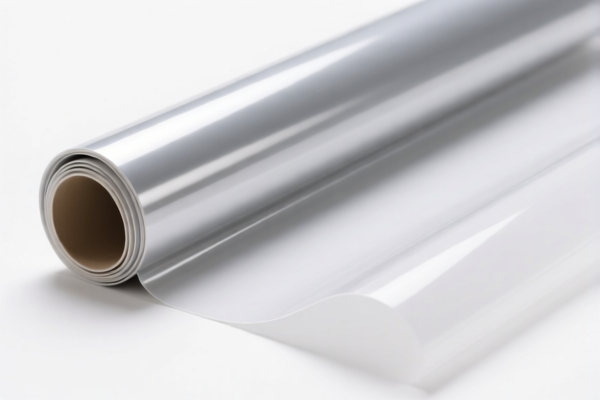
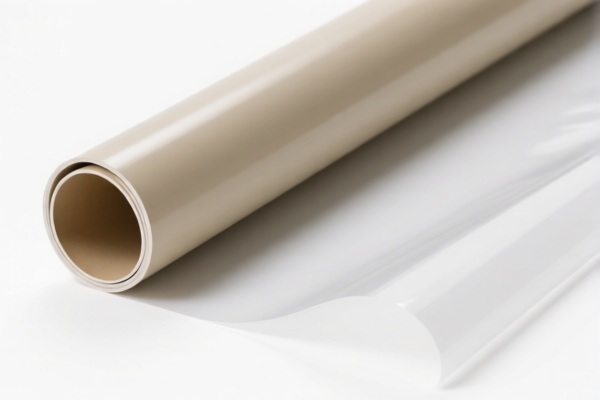
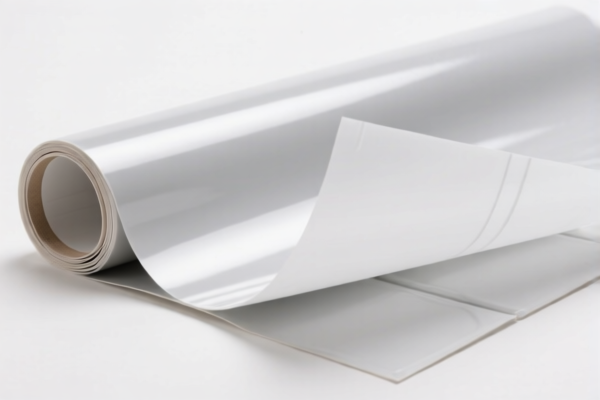

AI Analysis
🏗️ PVC Ceiling Film & Decorative Boards
🌐 HS Code Reference & Customs Clearance Guide | 2026 Latest Tariff Analysis | Professional Level Strategy
📌 Part I: Product Definition & Classification: What is "PVC Ceiling Film"?
PVC Ceiling Film (often used as ceiling panels, anti-collision boards, or decorative linings) is a building material primarily made from Polyvinyl Chloride (PVC). In international trade, its classification depends heavily on its form (sheet/panel vs. finished component) and function (building fixture).
Key Distinction: * If it is a Sheet/Panel/Profile (Unassembled): It falls under Plastic Plates, Sheets, or Profiles (Chapter 39, Heading 3921 or 3925 depending on specific nature). * If it is a Finished Building Fixture: It falls under Plastic Fixtures for Buildings (Chapter 39, Heading 3925).
⚠️ Critical Classification Point:
- If the product is described as "Ceiling Film," "Ceiling Panel," "Anti-collision Board," or "Sheet" used for construction → Likely 3925.90 (Other building fixtures) or 3921.12 (Plastic Plates/Sheets).
- If it is categorized as a Profile or specific PVC Form → Might fall under 3916.20.
- Do not confuse with simple plastic films for packaging (Heading 3920). This is for construction/building.
📦 Part II: HS Code Classification Details (2026 Latest Tariff Authority Comparison)
Based on the provided data, here are the four potential HS Codes for PVC Ceiling Film/Components:
| HS Code | Product Description | Application Scenario | Classification Logic |
|---|---|---|---|
3925.90.00.00 |
Other plastic building fixtures (incl. ceiling panels, anti-collision boards) | Ceiling films, ceiling boards, anti-collision panels for buildings | ✅ Most Common for "Ceiling Film/Panel" |
3925.20.00.91 |
Other plastic building fixtures (specific sub-category for PVC components) | PVC building components like ceiling boards, anti-collision strips | ✅ Alternative for PVC Specifics |
3921.12.50.00 |
Plastic plates, sheets, films, etc. (of polyvinyl chloride) | PVC板材 (PVC Sheets/Plates), not yet assembled into final fixture | ✅ If declared as "Sheet/Material" only |
3916.20.00.91 |
Profiles of polyvinyl chloride (other) | PVC Profiles, Bars, Shapes for construction | ❌ Less likely for "Film/Panel," more for "Moldings" |
🔍 Important Note:
-3925.90.00.00and3925.20.00.91are the most relevant for "Ceiling Film" if it is considered a building fixture or finished component.
-3921.12.50.00applies if the goods are strictly PVC sheets/plates without being classified as a "fixture."
-3916.20.00.91is for profiles (long shapes), which is less common for "film" but possible for rigid PVC ceiling panels if declared as profiles.
💰 Part III: 2026 Latest Tariff Rate Breakdown (Including Surcharges & Policy Add-ons)
✅ Applicable Country: United States (US)
✅ Country of Origin: China (CN)
✅ Effective Date: 2025/2026 (Current Trade Regime)
🎯 1. 3925.90.00.00 — Other Plastic Building Fixtures (Most Common for Ceiling Film)
| Item | Content |
|---|---|
| Base Tariff | 5.3% (Ad valorem) |
| Section 301 Surcharge | +25.0% (China-specific duties) |
| 122 Clause Surcharge | +10.0% (Specific US trade policy surcharge) |
| Total Tax Rate | 40.3% |
| Tax Calculation | CIF Value × 40.3% |
| De Minimis Exemption | ❌ Not Applicable (Deny De Minimis) |
| Legal Basis Path | Base: 3925.90.00.00 → 301: +25% → 122: +10% |
📌 Explanation:
- This is the most likely classification for PVC ceiling films/panels used in construction.
- The 40.3% rate is high due to the combination of base tariff and US trade policy surcharges.
- Warning: This rate applies to most PVC building materials from China.
🎯 2. 3925.20.00.91 — Other Plastic Building Components (PVC Specific)
| Item | Content |
|---|---|
| Base Tariff | 5.3% |
| Section 301 Surcharge | +7.5% (Lower 301 rate for this sub-category) |
| 122 Clause Surcharge | +10.0% |
| Total Tax Rate | 22.8% |
| Tax Calculation | CIF Value × 22.8% |
| De Minimis Exemption | ❌ Not Applicable |
| Legal Basis Path | Base: 3925.20.00.91 → 301: +7.5% → 122: +10% |
📌 Explanation:
- This classification offers a significantly lower tariff (22.8%) compared to3925.90.00.00.
- Strategy: If your PVC ceiling film can be legally classified under this sub-category (e.g., specific PVC building components), you can save ~17.5% in tariffs.
- Requirement: Must meet the specific definition of "3925.20" (PVC building components).
🎯 3. 3921.12.50.00 — Plastic Plates, Sheets, Films (PVC)
| Item | Content |
|---|---|
| Base Tariff | 6.5% |
| Section 301 Surcharge | +25.0% |
| 122 Clause Surcharge | +10.0% |
| Total Tax Rate | 41.5% |
| Tax Calculation | CIF Value × 41.5% |
| De Minimis Exemption | ❌ Not Applicable |
| Legal Basis Path | Base: 3921.12.50.00 → 301: +25% → 122: +10% |
📌 Explanation:
- Higher base tariff (6.5%) plus full 301 and 122 surcharges.
- Total 41.5% is the highest among the options.
- Risk: Only use if the product is clearly a "sheet/plate" and NOT a "building fixture." Misclassification can lead to penalties.
🎯 4. 3916.20.00.91 — Profiles of PVC (Other)
| Item | Content |
|---|---|
| Base Tariff | 5.8% |
| Section 301 Surcharge | +25.0% |
| 122 Clause Surcharge | +10.0% |
| Total Tax Rate | 40.8% |
| Tax Calculation | CIF Value × 40.8% |
| De Minimis Exemption | ❌ Not Applicable |
| Legal Basis Path | Base: 3916.20.00.91 → 301: +25% → 122: +10% |
📌 Explanation:
- Similar to3925.90, but with a slightly higher base tariff (5.8%).
- Not Recommended for "Ceiling Film" unless the product is strictly a PVC profile (e.g., long extruded shapes for trim), not a flat film or panel.
🛠️ Part IV: Customs Clearance Practical Advice (Real-World Pitfall Guide)
✅ 1. Documentation Checklist (Non-Negotiable)
| Document | Mandatory? | Description |
|---|---|---|
| ✅ Product Specification | ✔️ | Must clarify: "PVC Ceiling Film/Panel," material composition, dimensions, thickness. |
| ✅ Photos | ✔️ | Clear images showing the product is a ceiling component or PVC sheet. |
| ✅ Commercial Invoice | ✔️ | Must specify "PVC Ceiling Film" or "Plastic Building Fixture." |
| ✅ Packing List | ✔️ | Detail quantity, weight, and packaging type. |
| ✅ Certificate of Origin | ✔️ | Required for China-origin goods. |
| ✅ Material Safety Data Sheet (MSDS) | ✔️ | Sometimes required for PVC products. |
✅ 2. Classification Strategy & Declaration Tips
🔥 "Declare Correctly, Pay Less! Key Mnemonic:"
"Fixture 3925, Sheet 3921, Profile 3916. Choose wisely, save big!"
| Situation | Correct Declaration | Incorrect Declaration | Risk |
|---|---|---|---|
| PVC Ceiling Panel/Film (Finished Building Item) | 3925.90.00.00 (40.3%) OR 3925.20.00.91 (22.8%) |
3921.12.50.00 (41.5%) |
Paying 1.2% extra or facing classification audit. |
| PVC Ceiling Film (Raw Sheet/Plate) | 3921.12.50.00 (41.5%) |
3925.90.00.00 |
Misclassification: If it's a fixture, declaring as sheet is fraud. |
| PVC Ceiling Trim/Profile | 3916.20.00.91 (40.8%) |
3925.90.00.00 |
Minor difference, but accuracy is key for audits. |
📌 Pro Tip:
- Try to qualify for3925.20.00.91(22.8%) if your product fits the definition of "PVC building components" under this sub-heading. This is the best tariff option.
- Ensure the product description on the invoice matches the HS Code logic.
- Do not declare as "Plastic Film" (which might imply packaging film) to avoid suspicion. Use "PVC Ceiling Film for Construction" or "PVC Building Fixture."
✅ 3. Special Circumstances
| Situation | Handling Advice |
|---|---|
| OEM Custom Ceiling Panels | Provide design drawings and customer POs to prove it's a building fixture. |
| Mixed Shipments | If PVC ceiling film is mixed with other goods, declare separately with correct HS Codes. |
| Labeling | Ensure products are labeled with material (PVC) and intended use (Ceiling/Building). |
| Pre-Ruling | If unsure, apply for an Advance Ruling from US Customs (CBP) to lock in the correct HS Code. |
🌍 Part V: Global Market Comparison (2026 Latest)
| Country/Region | Recommended HS Code | Tariff (China Origin) | Certification Required | Notes |
|---|---|---|---|---|
| 🇺🇸 USA | 3925.90.00.00 or 3925.20.00.91 |
40.3% or 22.8% | No special certs usually | High tariff due to 301 & 122 clauses. |
| 🇨🇳 China | 3925.90.00.00 |
~5-6% | CCC (if applicable) | Low tariff. |
| 🇪🇺 EU | 3925.90.00.00 |
~5-6% | CE, REACH | No trade war surcharges. |
| 🇦🇺 Australia | 3925.90.00.00 |
~5% | ACCC | Free trade agreement (ChAFTA) may apply. |
| 🇯🇵 Japan | 3925.90.00.00 |
~5-8% | PSE (if electrical) | JETRO certification may be needed. |
📌 Conclusion:
- USA is the most challenging market for PVC ceiling films due to Section 301 (25%) and 122 Clause (10%) surcharges.
- Total tariffs range from 22.8% to 41.5%, which is significant.
- Strategy: Focus on classifying under3925.20.00.91(22.8%) to minimize costs.
- Alternative: Consider sourcing from countries with FTA agreements (e.g., Vietnam, Mexico) to avoid US surcharges.
📌 Part VI: Common Errors & Pitfalls (Lessons Learned)
❌ Error 1: Declaring PVC Ceiling Film as "Plastic Packaging Film"
👉 Consequence: HS Code 3920 or 3921, which may have different duties, but if misclassified as "building fixture," penalties apply.
👉 Risk: Customs may reclassify and apply higher duties or fines.
❌ Error 2: Using 3925.90.00.00 when 3925.20.00.91 is applicable
👉 Consequence: Paying 40.3% instead of 22.8%.
👉 Loss: 17.5% unnecessary cost on every shipment.
❌ Error 3: Not providing product photos or specifications
👉 Consequence: Customs delays, requests for additional info, or automatic higher duty assessment.
❌ Error 4: Ignoring the 122 Clause Surcharge
👉 Consequence: Underestimating total landed cost. The 10% surcharge is mandatory for many Chinese goods.
✅ Correct Approach:
"PVC Ceiling Film, 2mm thick, for commercial building interiors, Model XYZ, Origin: China"
Declared as:3925.20.00.91(if eligible) → 22.8% Total Duty.
🎯 Part VII: Conclusion: Smart Classification, Save Money, Clear Customs Smoothly!
🎯 Remember the Key Takeaways:
1. USA Tariffs are High: 22.8% to 41.5% for PVC Ceiling Films from China.
2. Best Option: Try to qualify for 3925.20.00.91 (22.8%).
3. Documentation is Key: Clear product descriptions, photos, and specifications are essential.
4. Avoid Misclassification: Do not guess HS Codes. Use official guidance or consult a customs broker.
📌 Pro Tip:
- If your PVC ceiling film is used in residential vs. commercial settings, ensure the description matches.
- Consider Supply Chain Diversification: If possible, source from non-China origins to avoid US surcharges.
📣 Immediate Action:
📞 Contact a Licensed Customs Broker to verify your HS Code classification.
📄 Prepare Detailed Product Specifications and Photos.
🚀 Apply for Advance Ruling if unsure about classification.
✨ Professional Clearance Starts with Accurate Classification!
💼 Every Dollar Saved on Tariffs is Pure Profit!
Customer Reviews
About HS Code Classification
The Harmonized System (HS) is an internationally standardized nomenclature developed by the World Customs Organization (WCO) to classify traded products. Over 200 countries use the HS system as the basis for customs tariffs, trade statistics, and import/export regulations.
Each HS code follows a hierarchical structure:
- Chapter (2 digits) — Broad category of goods (e.g., Chapter 84: Machinery and Mechanical Appliances)
- Heading (4 digits) — More specific grouping within the chapter
- Subheading (6 digits) — Internationally standardized breakdown, used by all WCO member countries
- National subdivisions (8-10 digits) — Country-specific extensions for further classification, such as US HTSUS 10-digit codes
Correct HS code classification is essential for smooth customs clearance, accurate duty payment, and compliance with trade regulations. Misclassification can lead to customs delays, overpayment of duties, or penalties.
When importing from CN to US, the applicable tariff rates may include:
- Most-Favored-Nation (MFN) rate — The standard duty rate applied to WTO members
- General rate — Applied to countries without trade agreements
- Trade remedy duties — Additional tariffs such as Section 301 (anti-dumping), Section 232 (national security), or countervailing duties
The information provided on this page is for reference purposes only. For official classification, please consult with your local customs authority or a licensed customs broker.