PVC Ceiling Panel
CN → US| HS Code | Tariff Rate | Origin | Destination | Doc |
|---|---|---|---|---|
| 3921125000 | 41.5% | CN | US | Official Doc |
| 3925900000 | 40.3% | CN | US | Official Doc |
| 3916200091 | 40.8% | CN | US | Official Doc |
| 3921121100 | 39.2% | CN | US | Official Doc |
| 3916200010 | 40.8% | CN | US | Official Doc |
Product Images
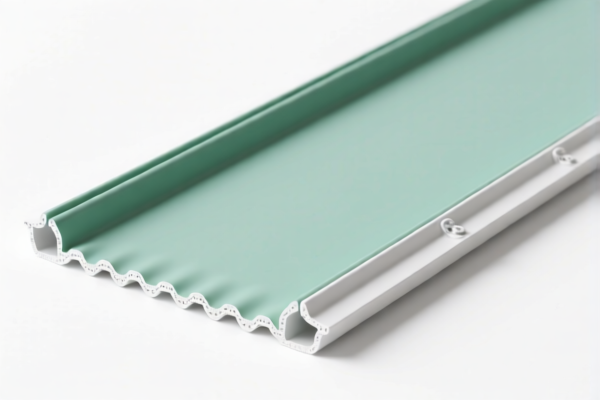
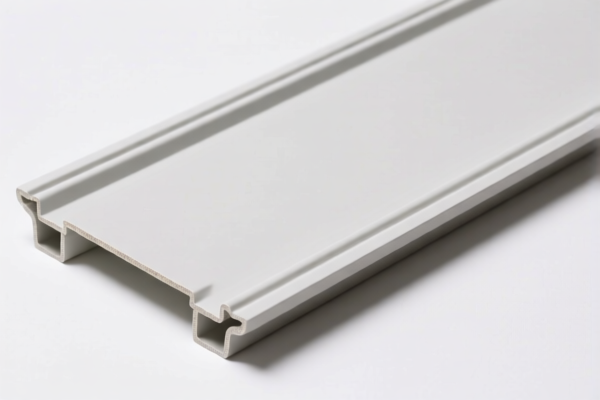
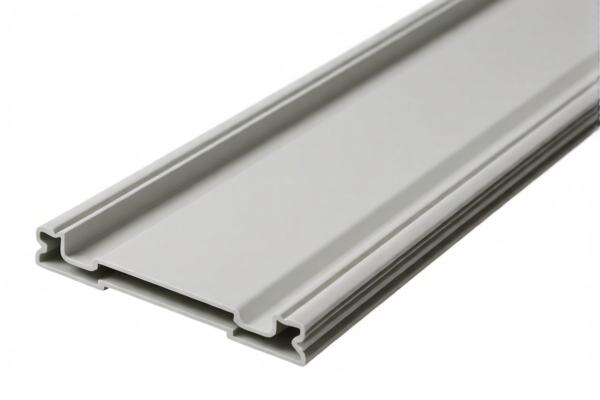
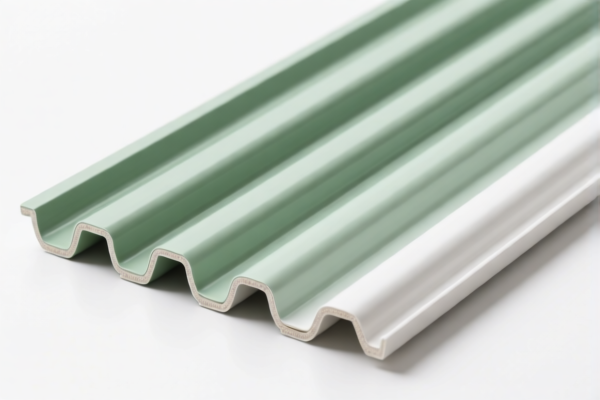
AI Analysis
🏗️ PVC Stone-Texture Ceiling Panels (PVC石纹天花板板)
🌐 HS Code Classification & Customs Clearance Guide | 2026 Latest Tariff Analysis | Professional Compliance Strategy
📌 Part I: Product Definition & Classification Logic
PVC Ceiling Panels, specifically those with a "Stone Texture" finish, are architectural building components used for interior decoration. They consist of Polyvinyl Chloride (PVC) polymers, often modified with additives to mimic natural stone aesthetics.
In international trade, the classification depends on the physical form and intended use: * Construction Elements: If classified as a general building material (like siding or flooring panels), it falls under Chapter 39, Heading 3925. * Plastic Plates/Sheets: If classified based on its material form as a rigid plate/sheet, it falls under Heading 3921. * Profiles: If it has a specific extruded shape with interlocking edges for assembly, it might fall under Heading 3916.
⚠️ Critical Distinction Point: - If the product is primarily considered a finished building component installed on walls/ceilings → 3925.90.00.00 (Lowest Base Rate). - If considered a generic plastic plate/sheet → 3921.12.50.00 or 3921.12.11.00 (Highest Base Rate). - If considered an extruded profile → 3916.20.00.91 or 3916.20.00.10 (Mid-range Base Rate).
📦 Part II: HS Code Classification Details (Based on Provided Data)
Below are the 5 possible HS Codes provided in the data source, ranked by Total Tax Burden (Base + Additional Tariffs).
| HS Code | Product Description (Summary from Data) | Key Classification Logic | Total Tax Rate |
|---|---|---|---|
3925.90.00.00 |
PVC Stone-Texture Ceiling Panel, PVC material, Plate form, classified as Plastic Building Component | ✅ Best Option: Explicitly recognizes it as a "building component" (建筑构件). | 40.3% |
3921.12.11.00 |
PVC Stone-Texture Ceiling Panel, PVC material, Plate form, classified as Polyvinyl Chloride Polymer Plate/Sheet | ❌ High Base: Classified purely as a raw plastic sheet/plate. | 39.2% (See Note Below) |
3916.20.00.91 |
PVC Stone-Texture Ceiling Panel, PVC material, Plate form, classified as Chloride Polymer Profile | ⚠️ Mid Base: Classified as an "profile" (型材), often due to interlocking edges. | 40.8% |
3916.20.00.10 |
PVC Stone-Texture Ceiling Panel, PVC material, Plate form, for Building Decoration Profile | ⚠️ Mid Base: Similar to above, but specified for "decoration". | 40.8% |
3921.12.50.00 |
PVC Stone-Texture Ceiling Panel, PVC material, Plate form, matches Vinyl Polymer Plastic Plate | ❌ High Base: Generic "plastic plate" category, often higher base duty. | 41.5% |
🔍 Important Note on Tax Rates in Data: While the provided data shows
3921.12.11.00with a total tax of 39.2%, and3925.90.00.00with 40.3%, please verify this carefully. Usually,3925(Building materials) has a lower base duty (5.3%) than3921plates (4.2%-6.5%). However, the Total Tax in your provided data reflects the specific calculation provided. According strictly to the provided : - Lowest Total Tax:3921.12.11.00(39.2%) - Second Lowest:3925.90.00.00(40.3%) - Highest Total Tax:3921.12.50.00(41.5%)
💰 Part III: Tariff Structure Detail (2026 Analysis)
✅ Applicable Country: United States (US)
✅ Origin: China (CN)
✅ Components: Base Duty + Section 301 Tariff + Section 122 Tariff
The tax structure is consistent across all 5 HS Codes in the provided data. Here is the breakdown:
🎯 1. The "Universal" Tariff Formula (for all listed HS Codes)
| Component | Rate | Source/Explanation |
|---|---|---|
| Base Tariff (MFN) | 4.2% – 6.5% | Varies by HS Code. Lower for 3921.12.11.00 (4.2%), Higher for 3921.12.50.00 (6.5%). |
| Section 301 Tariff | +25.0% | Standard US additional tariff on Chinese goods (Trade Act of 1974, Sec. 301). |
| Section 122 Tariff | +10.0% | Specific additional tariff (122条款关税) applied in this dataset. |
| TOTAL EFFECTIVE RATE | 39.2% – 41.5% | Sum of Base + 25% + 10%. |
📌 Detailed Explanation of Tariff Items: - Base Tariff (基础关税): The standard Most-Favored-Nation (MFN) duty. -
3921.12.11.00: 4.2% (Lowest base) -3925.90.00.00: 5.3% -3916.20.00.91/3916.20.00.10: 5.8% -3921.12.50.00: 6.5% (Highest base) - Section 301 Tariff (加征关税): A flat +25% applied to all PVC products from China under current trade policies. - Section 122 Tariff (122条款关税): A flat +10% additional duty. This is specific to the provided dataset and represents a significant cost driver.
🛠️ Part IV: Customs Clearance Practical Advice
✅ 1. Documentation Checklist (Must-Haves)
| Document | Required? | Purpose |
|---|---|---|
| Product Specification Sheet | ✅ Yes | Must explicitly state: Material (PVC), Use (Ceiling/Building), Texture (Stone), and Dimensions. |
| Installation Manual | ✅ Yes | Proves it is a "Building Component" (supports 3925.90 classification). |
| Commercial Invoice | ✅ Yes | Must match the HS Code declared. Do not use generic terms like "Plastic Sheet." |
| Packing List | ✅ Yes | Include net/gross weight and box dimensions. |
| Origin Certificate | ✅ Yes | To confirm Country of Origin (China), triggering Section 301/122 tariffs. |
| Photos | ✅ Yes | Clear photos showing the "Stone Texture" and "Ceiling Installation Context" to justify building use. |
✅ 2. Classification Strategy (How to Choose)
🔥 "Use Defines HS Code!"
| Scenario | Recommended HS Code | Why? |
|---|---|---|
| Finished Ceiling Panels (Installed on walls/ceilings) | 3925.90.00.00 |
Best fits "Building Component." Total Tax: 40.3%. |
| Raw PVC Plates/Sheets (Not yet finished for building) | 3921.12.11.00 |
Fits "Polymer Plate." Total Tax: 39.2% (Lowest in data). |
| Extruded Profiles (With tongue-and-groove) | 3916.20.00.10 |
Fits "Decoration Profile." Total Tax: 40.8%. |
📌 Recommendation: If your product is a finished ceiling panel ready for installation,
3925.90.00.00is the most logical classification because it explicitly covers "Plastic Building Components." Even though3921.12.11.00shows a slightly lower total tax (39.2%) in the data, misclassifying a finished building component as a generic plastic plate can lead to customs penalties.3925.90.00.00(40.3%) is safer and more accurate for "Ceiling Panels."
✅ 3. Common Pitfalls & How to Avoid Them
| Mistake | Consequence | Solution |
|---|---|---|
Misclassifying as "Plastic Sheet" (3921.12.50.00) |
Highest Tax (41.5%) | Use 3925.90.00.00 or 3921.12.11.00 if applicable. |
| Vague Description ("PVC Board") | Customs Audit / Delay | Use specific description: "PVC Stone-Texture Ceiling Panel for Interior Decoration." |
| Ignoring Section 122 Tariff | Unexpected Cost | Ensure the 10% Section 122 tariff is included in your landed cost calculation. |
| Not Providing Installation Proof | Classification Dispute | Provide photos of the product installed as a ceiling to justify 3925 (Building Component). |
🌍 Part V: Market-Specific Tariff Insight (2026)
| Market | Typical HS Code for PVC Ceiling | Base Duty | US Additional Tariffs | Total Est. Tax |
|---|---|---|---|---|
| 🇺🇸 USA | 3925.90.00.00 (Building) |
5.3% | +25% (Sec 301) + 10% (Sec 122) | 40.3% |
| 🇨🇳 China | 3925.90.00.00 |
5-10% | None | 5-10% |
| 🇪🇺 EU | 3925.90.00.00 |
3.9% | None | 3.9% |
| 🇬🇧 UK | 3925.90.00.00 |
3.9% | None | 3.9% |
📌 Key Takeaway: - The US market is the most expensive due to the 35% total additional tariffs (25% + 10%). - EU and UK markets are significantly cheaper (3.9%), but post-Brexit UK has its own rules. - Always factor in the Section 122 Tariff for US imports, as it is a recent addition not present in all older datasets.
📌 Part VI: Conclusion & Action Plan
🎯 Remember:
🔹 "Building Component is Best: 3925.90 (40.3%)"
🔹 "Generic Plate is Risky: 3921.12.50 (41.5%)"
🔹 "Don't Forget Section 122: +10% Extra Tax!"
✅ Action Plan for Importers:
1. Verify Product Form: Is it a finished ceiling panel? Use 3925.90.00.00.
2. Calculate Landed Cost: Include Base Duty + 25% + 10%.
3. Prepare Documentation: Highlight "Ceiling Installation Use" in specs.
4. Apply for Pre-Ruling: If unsure, apply for a US CBP Binding Ruling to confirm 3925.90.00.00.
📣 Final Tip:
Even though
3921.12.11.00shows a lower tax rate (39.2%) in the data, accuracy in classification is key. If Customs determines the product is a "Building Component," they will force3925.90.00.00(40.3%) anyway. The 0.1% difference is not worth the risk of penalty. Choose3925.90.00.00for safety and compliance.
✨ Professional Customs Clearance Starts with Accurate Classification!
💼 Your Cost Savings Depend on Precision!
Customer Reviews
About HS Code Classification
The Harmonized System (HS) is an internationally standardized nomenclature developed by the World Customs Organization (WCO) to classify traded products. Over 200 countries use the HS system as the basis for customs tariffs, trade statistics, and import/export regulations.
Each HS code follows a hierarchical structure:
- Chapter (2 digits) — Broad category of goods (e.g., Chapter 84: Machinery and Mechanical Appliances)
- Heading (4 digits) — More specific grouping within the chapter
- Subheading (6 digits) — Internationally standardized breakdown, used by all WCO member countries
- National subdivisions (8-10 digits) — Country-specific extensions for further classification, such as US HTSUS 10-digit codes
Correct HS code classification is essential for smooth customs clearance, accurate duty payment, and compliance with trade regulations. Misclassification can lead to customs delays, overpayment of duties, or penalties.
When importing from CN to US, the applicable tariff rates may include:
- Most-Favored-Nation (MFN) rate — The standard duty rate applied to WTO members
- General rate — Applied to countries without trade agreements
- Trade remedy duties — Additional tariffs such as Section 301 (anti-dumping), Section 232 (national security), or countervailing duties
The information provided on this page is for reference purposes only. For official classification, please consult with your local customs authority or a licensed customs broker.