PVC Chair Cushion
CN → US| HS Code | Tariff Rate | Origin | Destination | Doc |
|---|---|---|---|---|
| 5903102500 | 42.5% | CN | US | Official Doc |
| 3926305000 | 22.8% | CN | US | Official Doc |
| 3926909989 | 22.8% | CN | US | Official Doc |
| 5903102090 | 35.0% | CN | US | Official Doc |
| 9401993580 | 35.0% | CN | US | Official Doc |
Product Images
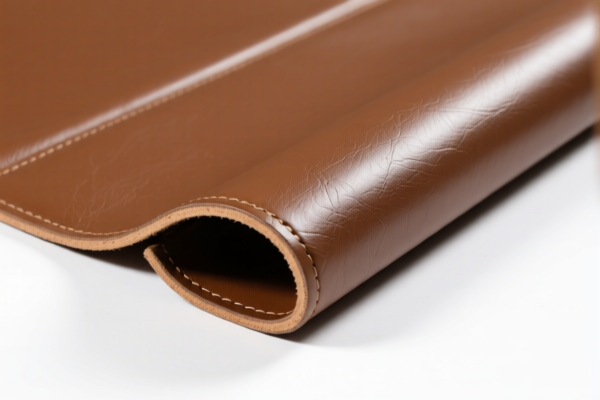
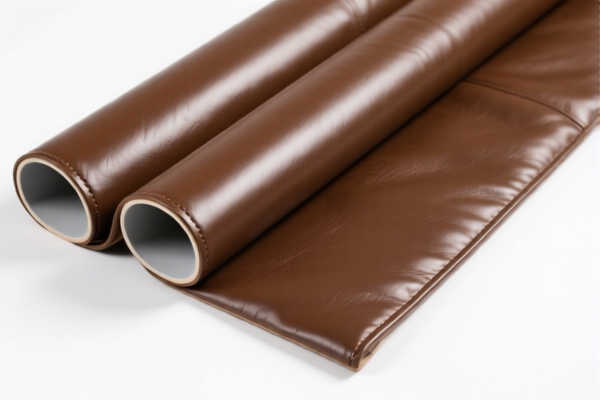
AI Analysis
🪑 PVC Chair Cushion (Polyvinyl Chloride Upholstery & Furniture Parts)
🌐 HS Code Reference & Customs Clearance Guide | 2026 Latest Tariff Analysis | Strategic Compliance for US Imports
📌 1. Product Definition & Classification: What Exactly is a "PVC Chair Cushion"?
A "PVC Chair Cushion" is a broad term that can fall into drastically different tariff categories depending on its structural form, intended use, and material composition. In international trade, it is not a single product but a spectrum ranging from textile-composite fabrics to finished furniture accessories.
Misclassification is the #1 cause of customs delays and massive tax hikes. You must distinguish between: * Composite Fabrics: PVC-coated textiles used to make cushions (sold by the roll or cut panels). * Furniture Parts/Accessories: Finished PVC pads or covers intended specifically for chairs. * General Plastics: Generic PVC items that don’t fit specific furniture descriptions.
⚠️ Critical Distinction:
- If it is fabric-like (textile base + PVC coating) → It is a Textile Composite (Chapter 59).
- If it is a finished part for a chair → It is a Furniture Part (Chapter 94).
- If it is a generic plastic item without specific furniture design → It is a General Plastic (Chapter 39).
📦 2. HS Code Classification Matrix (2026 Latest Tariff Data)
Based on the provided data, here are the four possible classifications for PVC Chair Cushions, ranked by risk and complexity.
| HS Code | Product Description | Key Classification Criteria | Material State |
|---|---|---|---|
| 5903.10.25.00 | PVC Textile Composite Fabric | Textile Extension: PVC material in textile composite form. Used as an extended application of textile fabrics. | Coated Fabric |
| 5903.10.20.90 | PVC Impregnated/Coated Fabric | Impregnated/Coated: PVC material in composite fabric form. Fits description of impregnated, coated, covered, or laminated textile materials. | Coated Fabric |
| 9401.99.35.80 | Furniture Part: Chair Component | Furniture Part: PVC material used as a chair component. Classified as a rubber or plastic article for furniture. | Finished Part |
| 3926.30.50.00 | Furniture Accessory: Cushion | Furniture Accessory: PVC material for chair cushions. Fits category of articles for furniture. | Finished Part |
| 3926.90.99.89 | General Plastic Article | General Plastic: PVC material in plastic product form. The "catch-all" category for other plastic articles. | General Plastic |
🔍 Focus Area:
The first two codes (5903.xx) are for materials (fabrics). The next three (9401.xx, 3926.30, 3926.90) are for products (cushions/parts).
Do not mix material types with finished goods. If you are shipping cut pieces of fabric to be sewn into cushions, use 5903. If you are shipping ready-to-use cushion pads, use 9401 or 3926.
💰 3. 2026 Tariff Rate Breakdown (Including Section 301 & 122 Tariffs)
✅ Applicable Market: United States (US)
✅ Origin: China (CN)
✅ Effective Date: Current rates apply for imports from China.
🎯 1. 5903.10.25.00 – PVC Textile Composite (High Risk/High Tax)
- Base Tariff: 7.5%
- Section 301 Tariff: 25.0%
- Section 122 Tariff: 10.0%
- Total Tax Rate: 42.5%
- Legal Basis:
- Base: Harmonized Tariff Schedule (HTS)
- Section 301: USITC Footnote 9903.88.01
- Section 122: IEEPA/Trade Expansion Act (10% surcharge on certain goods)
📌 Explanation:
This is the highest taxed category for this product. It applies if the item is classified as a "textile composite" with a PVC surface. The 7.5% base rate is relatively low, but the 25% Section 301 and 10% Section 122 tariffs stack up, resulting in a massive 42.5% total duty.
Strategic Note: Avoid this code if possible unless the product is strictly a fabric roll/material, not a finished cushion.
🎯 2. 5903.10.20.90 – PVC Coated/Impregnated Fabric
- Base Tariff: 0.0%
- Section 301 Tariff: 25.0%
- Section 122 Tariff: 10.0%
- Total Tax Rate: 35.0%
- Legal Basis:
- Base: HTS (0% for specific coated textiles)
- Section 301: 25%
- Section 122: 10%
📌 Explanation:
Although the base tariff is 0%, the additional tariffs remain high (25% + 10%). Total cost is 35%. This code is for PVC-coated textiles that do not fit the specific "25.00" subheading. It is significantly cheaper than 5903.10.25.00 but still subject to the full "trade war" penalty package.
🎯 3. 9401.99.35.80 – Furniture Part (Chair Component)
- Base Tariff: 0.0%
- Section 301 Tariff: 25.0%
- Section 122 Tariff: 10.0%
- Total Tax Rate: 35.0%
- Legal Basis:
- Base: HTS (0% for specific furniture parts)
- Section 301: 25%
- Section 122: 10%
📌 Explanation:
This is the optimal code for finished chair cushions/parts made of PVC or rubber-plastic mix. The base rate is 0%, but you still pay the 25% and 10% surcharges.
Why choose this? It clearly identifies the item as a part of a chair, which is functionally accurate. It is tax-neutral compared to 5903.10.20.90 but often easier to defend as a "furniture accessory" rather than a "textile."
🎯 4. 3926.30.50.00 – Furniture Articles (Cushions)
- Base Tariff: 5.3%
- Section 301 Tariff: 7.5%
- Section 122 Tariff: 10.0%
- Total Tax Rate: 22.8%
- Legal Basis:
- Base: HTS (5.3%)
- Section 301: 7.5% (Note: Lower Section 301 rate for this specific subheading)
- Section 122: 10%
📌 Explanation:
This is the MOST COST-EFFECTIVE code for finished PVC chair cushions.
- Base: 5.3%
- Section 301: 7.5% (Significantly lower than the 25% in other categories)
- Section 122: 10%
Total: 22.8%
Strategy: If your product is a finished cushion (not a fabric roll), fight for this classification. It saves ~10-20% in duties compared to the textile codes.
🎯 5. 3926.90.99.89 – Other Plastic Articles (Catch-All)
- Base Tariff: 5.3%
- Section 301 Tariff: 7.5%
- Section 122 Tariff: 10.0%
- Total Tax Rate: 22.8%
- Legal Basis:
- Base: HTS (5.3%)
- Section 301: 7.5%
- Section 122: 10%
📌 Explanation:
Identical tax rate to3926.30.50.00(22.8%). This is the "backup" code if the item doesn’t fit the specific "Furniture Articles" description in 3926.30. However, 3926.30 is preferred for cushions because it is more specific. Use 3926.90 only if customs rejects the furniture-specific code.
🛠️ 4. Customs Clearance Strategy & Practical Advice
✅ 1. Classification Priority (From Best to Worst Tax)
| Priority | HS Code | Total Tax | Strategy |
|---|---|---|---|
| 🥇 Best | 3926.30.50.00 |
22.8% | Use for finished PVC cushions. Claim it as a "Furniture Article." |
| 🥈 Equal | 3926.90.99.89 |
22.8% | Backup if 3926.30 is rejected. |
| 🥉 Good | 9401.99.35.80 |
35.0% | Use for padded chair parts (if PVC/rubber mix). Clearer than textiles. |
| ⚠️ Avoid | 5903.10.20.90 |
35.0% | Only for unsewn fabric rolls. Not for finished cushions. |
| ❌ Worst | 5903.10.25.00 |
42.5% | Highest tax. Avoid unless you are exporting fabric, not cushions. |
✅ 2. Documentation Requirements
To support the lower tax codes (3926/9401), you must provide:
| Document | Requirement | Reason |
|---|---|---|
| Product Description | "PVC Chair Cushion, Finished, for Furniture Use" | Must explicitly state "Furniture Use" to qualify for 3926.30 or 9401. |
| Material Breakdown | 100% PVC or PVC/Textile blend | If it’s a fabric, customs may push it to Chapter 59. If it’s a solid/plastic composite, 3926 is safer. |
| Photos | Clear images of the finished cushion | Show it is a finished good, not a roll of fabric. |
| Commercial Invoice | Value per unit, clearly labeled | Ensure "HS Code 3926.30.50.00" is listed if claiming 22.8%. |
✅ 3. Critical Warnings
- Do Not Label as "Textile": If you describe the item as "PVC-coated textile fabric" or "upholstery material," customs will likely assign 5903.10.25.00 (42.5%).
- Emphasize "Furniture Part": Use terms like "chair pad," "seat cushion," "furniture accessory" to align with 9401.99 or 3926.30.
- Section 122 Applies to All: Regardless of the base code, the 10% Section 122 tariff is currently applied to most Chinese PVC goods. You cannot avoid this.
- Section 301 Variation: Notice that 3926 codes only have a 7.5% Section 301 rate, while 5903 and 9401 have 25%. This is the key to saving money.
🌍 5. Global Market Comparison (2026)
| Market | Recommended HS Code | Total Tariff (China Origin) | Notes |
|---|---|---|---|
| 🇺🇸 USA | 3926.30.50.00 |
22.8% | Best option. Avoid 5903 (42.5%). |
| 🇨🇳 China | 3926.30.50.00 |
5.3% | No additional tariffs. Low cost. |
| 🇪🇺 EU | 3926.90.99 |
~5-8% | No Section 301/122. Standard MFN rate. |
| 🇬🇧 UK | 3926.30.50 |
~5-8% | Post-Brexit tariff schedule aligns with EU. |
| 🇨🇦 Canada | 3926.30.50 |
~5-10% | CUSMA benefits may apply if non-Chinese origin. |
📌 6. Common Errors & Pitfalls
❌ Error 1: Classifying a finished cushion as a textile fabric (5903).
👉 Result: 42.5% tax.
👉 Fix: Classify as "Furniture Article" (3926.30).
❌ Error 2: Ignoring Section 122.
👉 Result: Underpayment by 10%.
👉 Fix: Always add 10% to your cost calculation for Chinese PVC goods.
❌ Error 3: Vague Description: "PVC Item."
👉 Result: Customs assigns worst-case code.
👉 Fix: Use "PVC Chair Cushion for Furniture."
✅ Correct Declaration Example:
"Furniture Accessory: PVC Chair Cushion, Finished, 100% PVC Material, For Use in Office Chairs, HS Code: 3926.30.50.00"
🎯 7. Conclusion: Optimize Your Duty Rate
🎯 Key Takeaway:
Switch from Textile (5903) to Plastic/Furniture (3926/9401)!
- Savings: Up to 19.7% in duties (42.5% → 22.8%).
- Action: Ensure your product is marketed and documented as a finished furniture part, not a raw textile material.
📌 Final Recommendation:
1. Use 3926.30.50.00 for finished PVC cushions.
2. If rejected, use 3926.90.99.89 (same tax).
3. If using fabric rolls, use 5903.10.20.90 (35%), not 25.00.
4. Always budget for the 10% Section 122 tariff.
✨ Professional Compliance Starts with Precision!
💼 Save 20% on Duties by Choosing the Right HS Code!
Customer Reviews
About HS Code Classification
The Harmonized System (HS) is an internationally standardized nomenclature developed by the World Customs Organization (WCO) to classify traded products. Over 200 countries use the HS system as the basis for customs tariffs, trade statistics, and import/export regulations.
Each HS code follows a hierarchical structure:
- Chapter (2 digits) — Broad category of goods (e.g., Chapter 84: Machinery and Mechanical Appliances)
- Heading (4 digits) — More specific grouping within the chapter
- Subheading (6 digits) — Internationally standardized breakdown, used by all WCO member countries
- National subdivisions (8-10 digits) — Country-specific extensions for further classification, such as US HTSUS 10-digit codes
Correct HS code classification is essential for smooth customs clearance, accurate duty payment, and compliance with trade regulations. Misclassification can lead to customs delays, overpayment of duties, or penalties.
When importing from CN to US, the applicable tariff rates may include:
- Most-Favored-Nation (MFN) rate — The standard duty rate applied to WTO members
- General rate — Applied to countries without trade agreements
- Trade remedy duties — Additional tariffs such as Section 301 (anti-dumping), Section 232 (national security), or countervailing duties
The information provided on this page is for reference purposes only. For official classification, please consult with your local customs authority or a licensed customs broker.