PVC Coated Antibacterial Textile
CN → US| HS Code | Tariff Rate | Origin | Destination | Doc |
|---|---|---|---|---|
| 6306120000 | 18.8% | CN | US | Official Doc |
| 5903102010 | 35.0% | CN | US | Official Doc |
| 5903102090 | 35.0% | CN | US | Official Doc |
| 3921121100 | 39.2% | CN | US | Official Doc |
| 6306192110 | 22.6% | CN | US | Official Doc |
Product Images
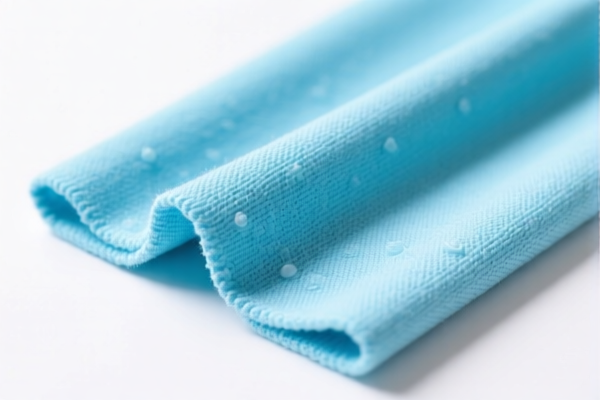


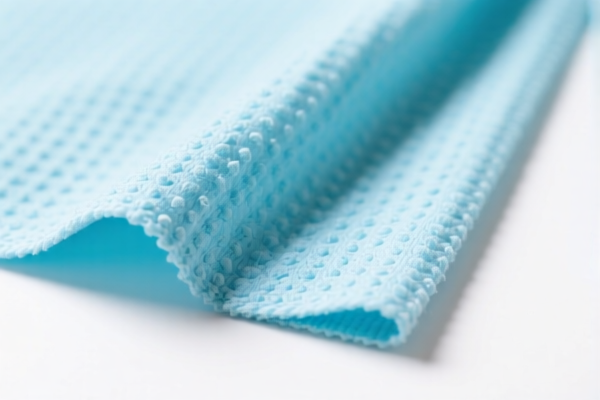
AI Analysis
🌟 PVC-Coated Antibacterial Textile – HS Code & Tariff Guide (2026 Update)
🌐 HS Code Classification & Customs Clearance Strategy | Full Tax Breakdown | Expert-Level Compliance
📌 One Product, Multiple Codes – Why This Matters for Your Shipment
The PVC-coated antibacterial textile is a high-performance composite material used in medical, industrial, and outdoor applications. However, due to its layered structure and functional properties, it can be classified under multiple HS Codes, each with drastically different tariff rates, 附加税 (additional duties), and compliance risks.
⚠️ Critical Insight:
- Misclassification = 35% vs. 18.8% tariff → $10,000+ in extra costs for a 20-foot container.
- USITC + IEEPA + Section 122 tariffs apply depending on the code.
- Antibacterial property alone does NOT change the HS code – it's about material composition and coating method.
📦 1. HS Code Breakdown: Which One Fits Your Product?
| HS Code | Product Description | Key Features | Tax Rate | Risk Level |
|---|---|---|---|---|
6306.12.00.00 |
PVC-coated textiles for UV protection / shading | Used in sunshades, awnings, shade sails | 18.8% | 🔴 Low |
5903.10.20.10 |
PVC-coated fabrics (impregnated or coated with plastic) | General-purpose coated textile | 35.0% | 🔴 High |
5903.10.20.90 |
PVC-coated textiles (non-specific, but meets coating criteria) | Generic coated fabric | 35.0% | 🔴 High |
3921.12.11.00 |
PVC + textile composite (plastic-coated fabric) | Structural composite, not just surface coating | 39.2% | 🔴 High |
6306.19.21.10 |
PVC-coated textiles for tarpaulins/shade (synthetic fibers) | Outdoor, industrial-grade shade fabric | 22.6% | 🟡 Medium |
📌 Key Determinant:
- Is it coated (PVC layer on surface)? →5903.10.20.xor6306.12.00.00
- Is it a composite (PVC bonded to textile as a structural layer)? →3921.12.11.00
- Is it used for shade/UV protection? →6306.12.00.00or6306.19.21.10
💰 2. Tariff Breakdown: The Hidden Tax Bomb (US Market, 2026)
✅ Applicable to: United States (US)
✅ Origin: China (CN)
✅ Effective Date: November 10, 2025 (post-Section 122, USITC, IEEPA)
🎯 1. 6306.12.00.00 – PVC-Coated Textile for UV/Shading
| Tax Component | Rate | Legal Basis |
|---|---|---|
| Base Duty | 8.8% | Harmonized Tariff Schedule (HTS) |
| Section 301 (USITC) | 0.0% | Not listed under 301 List |
| Section 122 (IEEPA) | 10.0% | IEEPA: 9903.01.24 (China-origin goods) |
| Total Tariff | 18.8% | CIF × 18.8% |
| De Minimis Threshold | ❌ Not eligible | No 8% de minimis relief |
| Legal Path | IEEPA:9903.01.24 → HTS:6306.12.00.00 |
📌 Why This Is Low:
- Not subject to USITC 25% because it's not on the 301 List.
- Only IEEPA 10% applies due to China origin.
- Best-case scenario – lowest tariff in the list.
🎯 2. 5903.10.20.10 – PVC-Coated Fabric (General)
| Tax Component | Rate | Legal Basis |
|---|---|---|
| Base Duty | 0.0% | HTS |
| Section 301 (USITC) | 25.0% | USITC: 9903.88.01 (China-origin goods) |
| Section 122 (IEEPA) | 10.0% | IEEPA: 9903.01.24 |
| Total Tariff | 35.0% | CIF × 35.0% |
| De Minimis Threshold | ❌ Not eligible | No 8% relief |
| Legal Path | IEEPA:9903.01.24 → USITC:9903.88.01 → HTS:5903.10.20.10 |
📌 Why This Is High:
- USITC 25% applies because this code is listed under Section 301.
- IEEPA 10% adds on top → 35% total.
- Most dangerous code – highest risk of audit and penalty.
🎯 3. 5903.10.20.90 – General PVC-Coated Textile (Non-Specific)
| Tax Component | Rate | Legal Basis |
|---|---|---|
| Base Duty | 0.0% | HTS |
| USITC (301) | 25.0% | Same as 5903.10.20.10 |
| IEEPA (122) | 10.0% | IEEPA: 9903.01.24 |
| Total Tariff | 35.0% | CIF × 35.0% |
| De Minimis | ❌ Not eligible | No relief |
| Legal Path | IEEPA:9903.01.24 → USITC:9903.88.01 → HTS:5903.10.20.90 |
📌 Same as above – no difference from 5903.10.20.10.
- Avoid this code unless you have no choice.
🎯 4. 3921.12.11.00 – PVC + Textile Composite (Structural)
| Tax Component | Rate | Legal Basis |
|---|---|---|
| Base Duty | 4.2% | HTS |
| USITC (301) | 25.0% | USITC: 9903.88.01 |
| IEEPA (122) | 10.0% | IEEPA: 9903.01.24 |
| Total Tariff | 39.2% | CIF × 39.2% |
| De Minimis | ❌ Not eligible | No relief |
| Legal Path | IEEPA:9903.01.24 → USITC:9903.88.01 → HTS:3921.12.11.00 |
📌 Worst-case scenario – highest tariff.
- Composite materials are more strictly taxed under 301.
- Avoid at all costs unless your product is truly a structural composite.
🎯 5. 6306.19.21.10 – PVC-Coated Textile for Tarpaulins/Shade (Synthetic Fiber)
| Tax Component | Rate | Legal Basis |
|---|---|---|
| Base Duty | 5.1% | HTS |
| USITC (301) | 7.5% | Partially listed under 301 (see footnote) |
| IEEPA (122) | 10.0% | IEEPA: 9903.01.24 |
| Total Tariff | 22.6% | CIF × 22.6% |
| De Minimis | ❌ Not eligible | No relief |
| Legal Path | IEEPA:9903.01.24 → USITC:9903.88.01 → HTS:6306.19.21.10 |
📌 Mid-tier risk – higher than 6306.12.00.00, but lower than 5903.x.
- Only use if your product is clearly for tarpaulins/shade.
🛠️ 3. Customs Clearance Best Practices (Pro Tips)
✅ 1. Must-Have Documentation
| Document | Required? | Why It Matters |
|---|---|---|
| ✅ Product Specification Sheet | ✔️ | Prove coating method (coated vs. composite) |
| ✅ Material Safety Data Sheet (MSDS) | ✔️ | Show PVC content, antibacterial agent |
| ✅ Product Photos (with label) | ✔️ | Show surface coating, fiber type, application |
| ✅ Third-Party Test Report | ✔️ | Prove antibacterial efficacy (ISO 22196, etc.) |
| ✅ Commercial Invoice | ✔️ | Must state: “PVC-coated textile for shade/awning” |
| ✅ Certificate of Origin (CO) | ✔️ | Critical for IEEPA/301 eligibility |
| ✅ Packing List | ✔️ | Show unit weight, roll size, quantity |
✅ 2.申报技巧(Key Rules to Remember)
🔥 “Coating ≠ Composite. Shade ≠ General Use.”
| Scenario | Correct HS Code | Wrong Code | Risk |
|---|---|---|---|
| PVC layer on surface, used in awnings | 6306.12.00.00 |
5903.10.20.10 |
+16.2% tariff |
| PVC bonded as structural layer | 3921.12.11.00 |
6306.12.00.00 |
+20.4% tariff |
| Antibacterial but no functional claim | 6306.12.00.00 |
5903.10.20.90 |
+16.2% tariff |
| Used in tarpaulins | 6306.19.21.10 |
6306.12.00.00 |
+3.8% tariff |
✅ 3. Special Cases
| Situation | Action |
|---|---|
| Antibacterial agent is organic (e.g., silver) | Still does NOT change HS code – only material structure matters |
| Product is 90% textile, 10% PVC coating | Still coated textile → 5903.10.20.x or 6306.12.00.00 |
| Product is used in medical tents | May qualify for non-commercial use – contact customs early |
| Product is from Vietnam/Mexico | IEEPA 10% may be waived – apply for origin certification |
🌍 4. Global Market Comparison (2026)
| Country | Recommended HS Code | Tariff | Certification | Notes |
|---|---|---|---|---|
| 🇺🇸 USA | 6306.12.00.00 |
18.8% | None | Avoid 5903.x codes |
| 🇨🇳 China | 6306.12.00.00 |
5% | CCC | No extra duties |
| 🇪🇺 EU | 5903.10.20.10 |
0% (if CE) | CE | No 301/IEEPA |
| 🇦🇺 Australia | 5903.10.20.10 |
5% | RCM | No extra taxes |
| 🇯🇵 Japan | 5903.10.20.10 |
0% | PSE | No extra taxes |
📌 Conclusion:
- USA is the only market with 35%+ tariffs on this product.
- China-origin goods face IEEPA 10% unless reclassified.
- Vietnam/Mexico origin = lower risk.
📌 5. Common Mistakes & How to Avoid Them
❌ Mistake 1: Calling it “antibacterial fabric” in invoice
👉 Result: Customs may assume it’s medical-grade → wrong code → audit
❌ Mistake 2: Using 5903.10.20.10 for shade fabric
👉 Result: 35% tariff instead of 18.8% → $20,000+ loss
❌ Mistake 3: Not providing photos or specs
👉 Result: Customs assumes worst-case → higher code → delay or rejection
✅ Correct申报:
“PVC-coated synthetic textile, for outdoor shading, 100% PVC-coated surface, not structural composite, used in awnings, UV-resistant, non-medical”
🎯 6. Final Verdict: How to Win the Tariff War
✅ Best HS Code:
6306.12.00.00– only 18.8%
✅ Avoid:5903.10.20.10,5903.10.20.90,3921.12.11.00– 35%–39.2%
✅ Pro Tip:
- Use Vietnam/Mexico origin to avoid IEEPA 10%
- Apply for Advance Ruling (Pre-ruling) before shipment
- Get a product classification expert to review your specs
📣 Act Now: Protect Your Profit Margin!
📞 Contact a customs broker with HS Code pre-ruling experience
🚀 Submit product photos, specs, and invoice for free HS Code validation
💼 Save 15–20% in tariffs – that’s $50,000+ per container
✨ Remember:
🔹 “Coating” = 18.8%
🔹 “Composite” = 39.2%
🔹 “Shade” = 6306.12.00.00
🔹 “General use” = 5903.10.20.10 → 35%🎯 Your HS Code is not a guess – it’s your bottom line.
💼 Professional Clearance Starts with Precision.
🚀 Don’t let a wrong code sink your shipment.
Customer Reviews
About HS Code Classification
The Harmonized System (HS) is an internationally standardized nomenclature developed by the World Customs Organization (WCO) to classify traded products. Over 200 countries use the HS system as the basis for customs tariffs, trade statistics, and import/export regulations.
Each HS code follows a hierarchical structure:
- Chapter (2 digits) — Broad category of goods (e.g., Chapter 84: Machinery and Mechanical Appliances)
- Heading (4 digits) — More specific grouping within the chapter
- Subheading (6 digits) — Internationally standardized breakdown, used by all WCO member countries
- National subdivisions (8-10 digits) — Country-specific extensions for further classification, such as US HTSUS 10-digit codes
Correct HS code classification is essential for smooth customs clearance, accurate duty payment, and compliance with trade regulations. Misclassification can lead to customs delays, overpayment of duties, or penalties.
When importing from CN to US, the applicable tariff rates may include:
- Most-Favored-Nation (MFN) rate — The standard duty rate applied to WTO members
- General rate — Applied to countries without trade agreements
- Trade remedy duties — Additional tariffs such as Section 301 (anti-dumping), Section 232 (national security), or countervailing duties
The information provided on this page is for reference purposes only. For official classification, please consult with your local customs authority or a licensed customs broker.