PVC Coated Balloon Fabric
CN → US| HS Code | Tariff Rate | Origin | Destination | Doc |
|---|---|---|---|---|
| 5903102090 | 35.0% | CN | US | Official Doc |
| 3921121100 | 39.2% | CN | US | Official Doc |
| 5903102010 | 35.0% | CN | US | Official Doc |
| 3921121500 | 41.5% | CN | US | Official Doc |
| 5903102500 | 42.5% | CN | US | Official Doc |
Product Images
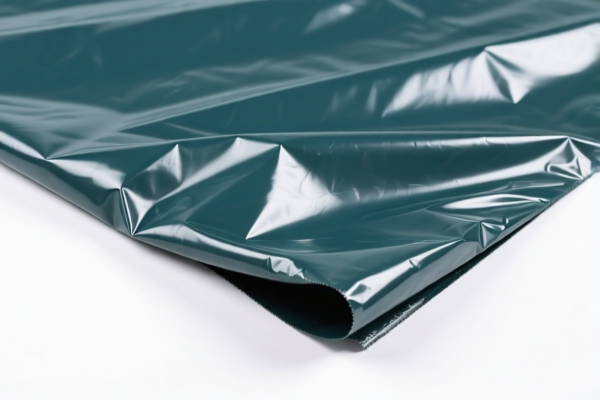
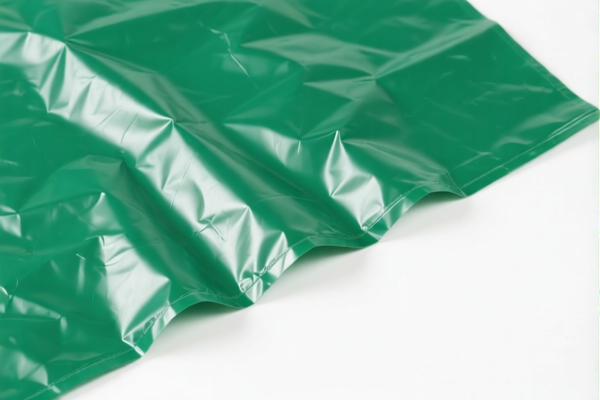
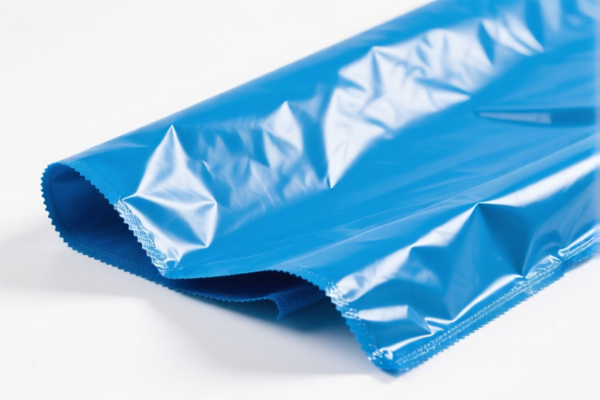
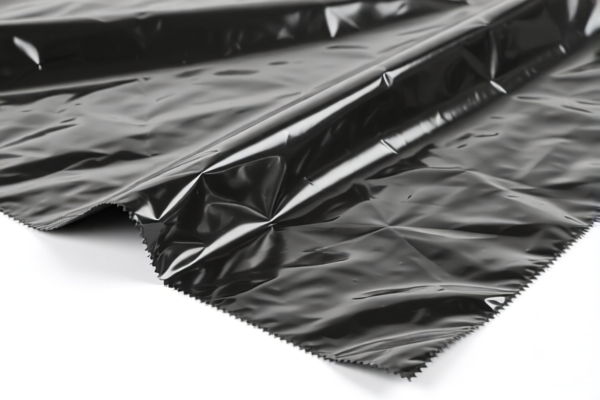
AI Analysis
🎈 PVC Coated Balloon Fabric – HS Code Guide & Clearance Strategy (2026)
🌐 HS Code Reference & Customs Clearance Guide | 2026 Latest Tariff Analysis | Professional Clearance Strategy
📌 I. Product Definition & Classification: Do You Truly Understand "PVC Coated Balloon Fabric"?
PVC Coated Balloon Fabric is a specialized textile material primarily used for manufacturing balloons, inflatables, air cushions, and festive decorations. In international trade, its classification depends heavily on the manufacturing process (impregnated vs. laminated/coated) and the final form (textile fabric vs. composite sheet/membrane).
There are two main categories for this product:
-
Textile-Based (Chapter 59):
- The base is a textile fabric, and PVC is applied via impregnation, coating, or lamination.
- Key Identifier: The textile structure is still visible or dominant; it is treated as a "coated textile."
- Target HS Codes:
5903.10.20.10,5903.10.20.90,5903.10.25.00.
-
Composite/Plastic-Based (Chapter 39):
- The material is viewed as a PVC sheet, film, or plate combined with textile or other materials.
- Key Identifier: The PVC layer dominates, or it is formed into a rigid/flexible sheet rather than a loose textile.
- Target HS Codes:
3921.12.11.00,3921.12.15.00.
⚠️ Critical Distinction Point: - If the product is a flexible textile roll where PVC is applied to a woven/knitted base → Classify under Chapter 59 (5903.xx). - If the product is a sheet/membrane/plate where PVC is the primary material, possibly with a textile backing → Classify under Chapter 39 (3921.12).
📦 II. HS Code Classification Details (2026 Latest Tariff Concordance)
| HS Code | Product Description | Application Scenario | Classification Logic |
|---|---|---|---|
5903.10.20.10 |
PVC Coated Balloon Fabric, Impregnated/Coated Textile Fabric | Standard balloon fabric, PVC impregnated into weave | ✅ Textile Base (Impregnated) |
5903.10.20.90 |
PVC Coated Balloon Fabric, Coated Textile Fabric | General PVC coated textile, not impregnated | ✅ Textile Base (Coated) |
5903.10.25.00 |
PVC Coated Inflatable Toy Fabric, Impregnated/Coated/Laminated | Specific for inflatable toys/games | ✅ Textile Base (Toy-specific) |
3921.12.11.00 |
PVC Coated Balloon Fabric, Composite Board/Sheet/Membrane | Rigid or semi-rigid PVC sheets with textile backing | ❌ Plastic Base (Sheet/Plate) |
3921.12.15.00 |
PVC Coated Balloon Fabric, Film/Sheet/Strip Combined with Textile | Thin PVC film laminated to textile, often for packaging or light inflatables | ❌ Plastic Base (Film/Strip) |
🔍 Key Reminder: - "Inflatable Toy Fabric" (
5903.10.25.00) is specific to materials used for inflatable games/toys. If it is for decorative balloons, check if it fits the broader5903.10.20categories. - "Sheet/Membrane" (3921.12.xx) implies a plastic commodity classification. If the fabric is clearly a textile piece with PVC coating, Chapter 59 is usually more accurate and may have different duty implications. - Misclassification Risk: Declaring a textile-based coated fabric as a plastic sheet (3921) may lead to customs disputes or incorrect duty assessments.
💰 III. 2026 Latest Tariff Rate Breakdown (Including Additional Taxes & Policy Surcharges)
✅ Applicable Country: United States (US)
✅ Country of Origin: China (CN)
✅ Effective Date: Ongoing (Current US Trade Policy)
🎯 1. Chapter 59 Codes: 5903.10.20.10 & 5903.10.20.90
| Item | Detail |
|---|---|
| Base Tariff | 0% (ad valorem) |
| Section 301 Additional Tariff | +25% (China-specific, under USITC Footnote 9903.88.01) |
| Section 122 Tariff | +10% (Specific surcharge for certain Chinese goods) |
| Total Tariff Rate | 35.0% |
| Tax Calculation | CIF Value × 35% |
| De Minimis Eligibility | ❌ No (Not eligible for Section 321 de minimis exemption) |
| Legal Basis Path | USITC:5903.10.20.10/90 → Section 301: Footnote 9903.88.01 → Section 122: Specific Surcharge |
📌 Explanation: - Both
5903.10.20.10(Impregnated) and5903.10.20.90(Coated) share the same tax structure. - Base duty is 0%, but the 25% Section 301 tariff and 10% Section 122 tariff apply, totaling 35%. - These are high-cost imports for US buyers.
🎯 2. Chapter 39 Code: 3921.12.11.00 (Composite Sheet/Membrane)
| Item | Detail |
|---|---|
| Base Tariff | 4.2% |
| Section 301 Additional Tariff | +25% |
| Section 122 Tariff | +10% |
| Total Tariff Rate | 39.2% |
| Tax Calculation | CIF Value × 39.2% |
| De Minimis Eligibility | ❌ No |
| Legal Basis Path | USITC:3921.12.11.00 → Section 301 → Section 122 |
📌 Explanation: - Higher base duty (4.2%) results in a higher total tax (39.2%) compared to Chapter 59 codes. - Ensure the product is truly a "sheet/membrane" and not a textile fabric to justify this higher base rate.
🎯 3. Chapter 39 Code: 3921.12.15.00 (Film/Strip with Textile)
| Item | Detail |
|---|---|
| Base Tariff | 6.5% |
| Section 301 Additional Tariff | +25% |
| Section 122 Tariff | +10% |
| Total Tariff Rate | 41.5% |
| Tax Calculation | CIF Value × 41.5% |
| De Minimis Eligibility | ❌ No |
| Legal Basis Path | USITC:3921.12.15.00 → Section 301 → Section 122 |
📌 Explanation: - This is the highest tax bracket (41.5%) among all listed codes. - Only use if the product is a thin PVC film laminated to textile, not a heavy coated fabric.
🎯 4. Chapter 59 Code: 5903.10.25.00 (Inflatable Toy Fabric)
| Item | Detail |
|---|---|
| Base Tariff | 7.5% |
| Section 301 Additional Tariff | +25% |
| Section 122 Tariff | +10% |
| Total Tariff Rate | 42.5% |
| Tax Calculation | CIF Value × 42.5% |
| De Minimis Eligibility | ❌ No |
| Legal Basis Path | USITC:5903.10.25.00 → Section 301 → Section 122 |
📌 Explanation: - This code is specifically for inflatable toys. - If your "balloon fabric" is for party balloons, it likely falls under
5903.10.20.xx(35%), not5903.10.25.00(42.5%). - Crucial: Misclassifying regular balloon fabric as "toy fabric" leads to overpaying taxes. Use5903.10.20.xxfor standard balloons.
🛠️ IV. Customs Clearance Practical Advice (Battle-Tested Guide)
✅ 1. Required Documentation Checklist (Mandatory)
| Document | Required | Notes |
|---|---|---|
| ✅ Product Specification Sheet | ✔️ | Must detail: Base fabric (woven/knitted), PVC coating method (impregnated/coated/laminated), weight, thickness. |
| ✅ Composition Certificate | ✔️ | Specify % of Polyester/Nylon base vs. PVC. |
| ✅ Product Photos | ✔️ | Close-ups of fabric texture, edge finish, and label. |
| ✅ Commercial Invoice | ✔️ | Clearly state: "PVC Coated Balloon Fabric, HTS: 5903.10.20.10" (or relevant code). |
| ✅ Packing List | ✔️ | Include gross/net weight, dimensions, and number of rolls. |
| ✅ Certificate of Origin | ✔️ | Required for origin verification and potential preferential treatment (if applicable). |
✅ 2. Declaration Tips (Key Mnemonics)
🔥 "Textile Base = Ch.59, Plastic Sheet = Ch.39; Toy Fabric ≠ Party Balloon!"
| Scenario | Correct Declaration | Incorrect Practice |
|---|---|---|
| Standard Balloon Fabric | 5903.10.20.10 or 5903.10.20.90 (35% tax) |
Declaring as 3921.12.xx (40%+ tax) |
| Inflatable Toy Material | 5903.10.25.00 (42.5% tax) |
Declaring as 5903.10.20.10 (35% tax) if clearly for toys |
| Rigid PVC Sheet with Fabric Backing | 3921.12.11.00 (39.2% tax) |
Declaring as "Textile" → Customs rejection |
| Thin PVC Film on Fabric | 3921.12.15.00 (41.5% tax) |
Declaring as 5903.10.20.90 → Dispute over "dominant character" |
📌 Important: - If the product is for decorative balloons (not inflatable toys), do NOT use
5903.10.25.00. Use5903.10.20.10or5903.10.20.90to save 7.5% in base duty. - Always specify the coating method (impregnated vs. coated) to distinguish between5903.10.20.10and5903.10.20.90, though tax rates are identical, accuracy is key for audits.
✅ 3. Special Case Handling
| Case | Recommendation |
|---|---|
| OEM Custom Fabric | Provide customer PO and technical drawings to prove intended use (toy vs. decoration). |
| Mixed Shipment | If balloons and fabric are shipped together, separate declarations are required. Do not lump into one HS code. |
| Samples | Even samples are subject to full duty. Declare accurately. |
| Origin Marking | Ensure all rolls or packaging are marked "Made in China" to avoid origin-related penalties. |
🌍 V. Global Market Clearance Comparison (2026 Latest)
| Country/Region | Recommended HS Code | Tariff Rate | Certification Required | Notes |
|---|---|---|---|---|
| 🇺🇸 USA | 5903.10.20.10 |
35% | No specific CAUTION needed | High duty due to Section 301 & 122 |
| 🇨🇳 China | 5903.10.20.10 |
~5-10% | No | Low duty for domestic trade |
| 🇪🇺 EU | 5903.10.20 |
~6.5% | REACH, RoHS | No Section 301 equivalent |
| 🇦🇺 Australia | 5903.10.20 |
~5% | No | Standard MFN rate |
| 🇬🇧 UK | 5903.10.20 |
~6.5% | UKCA | Post-Brexit rules apply |
📌 Conclusion: - USA is the most costly market for PVC coated balloon fabric due to 35% total duty. - EU/UK/Australia have significantly lower tariffs (~5-7%), making them more competitive for imports from China. - Consider supply chain diversification if targeting the US market heavily.
📌 VI. Common Errors & Pitfalls (Lessons Learned)
❌ Error 1: Declaring "PVC Coated Fabric" as "Inflatable Toy Fabric" (5903.10.25.00) for party balloons.
👉 Consequence: Paying 42.5% instead of 35%. Overpayment of 7.5% duty!
❌ Error 2: Declaring "Balloon Fabric" as "Plastic Sheet" (3921.12.11.00).
👉 Consequence: Customs may reject if the textile base is dominant. Delay + Storage Fees.
❌ Error 3: Ignoring Section 122 Tariff.
👉 Consequence: Underpayment by 10%. Penalties + Interest.
❌ Error 4: Vague Description: "Balloon Material."
👉 Consequence: Customs asks for clarification. Hold up in clearance.
✅ Correct Declaration Example:
"PVC Coated Polyester Balloon Fabric, Impregnated, for Decorative Balloons, Not Inflatable Toys, 100% PVC Coated, 0.5mm Thick, HTS: 5903.10.20.10"
🎯 VII. Conclusion: Smart Classification, Lower Costs!
🎯 Remember the Mnemonic:
🔹 "Textile Base = 5903 (35%), Plastic Sheet = 3921 (39-41%), Toy Fabric = 5903.25 (42.5%)!"
🔹 "Party Balloons ≠ Toys! Use 5903.10.20 to Save 7.5%!"
🔹 "USA Tariff is High, Plan Ahead, Avoid Delays!"
📌 Pro Tip:
- If you are shipping inflatable toys (e.g., bounce houses), ensure they are classified correctly under 5903.10.25.00 if they are fabric-based, or 9503.xx if completed toys.
- For balloons, always use 5903.10.20.xx.
📣 Immediate Action:
📞 Contact your freight forwarder to confirm HS Code with Customs Broker.
📄 Prepare detailed product specs including coating method and intended use.
🚀 Clearance Smooth, Costs Predictable, Profit Maximized!
✨ Professional Customs Clearance Starts with Accurate Classification!
💼 Every Percent Saved is Pure Profit!
Customer Reviews
About HS Code Classification
The Harmonized System (HS) is an internationally standardized nomenclature developed by the World Customs Organization (WCO) to classify traded products. Over 200 countries use the HS system as the basis for customs tariffs, trade statistics, and import/export regulations.
Each HS code follows a hierarchical structure:
- Chapter (2 digits) — Broad category of goods (e.g., Chapter 84: Machinery and Mechanical Appliances)
- Heading (4 digits) — More specific grouping within the chapter
- Subheading (6 digits) — Internationally standardized breakdown, used by all WCO member countries
- National subdivisions (8-10 digits) — Country-specific extensions for further classification, such as US HTSUS 10-digit codes
Correct HS code classification is essential for smooth customs clearance, accurate duty payment, and compliance with trade regulations. Misclassification can lead to customs delays, overpayment of duties, or penalties.
When importing from CN to US, the applicable tariff rates may include:
- Most-Favored-Nation (MFN) rate — The standard duty rate applied to WTO members
- General rate — Applied to countries without trade agreements
- Trade remedy duties — Additional tariffs such as Section 301 (anti-dumping), Section 232 (national security), or countervailing duties
The information provided on this page is for reference purposes only. For official classification, please consult with your local customs authority or a licensed customs broker.