PVC Coated Eco friendly Fabric
CN → US| HS Code | Tariff Rate | Origin | Destination | Doc |
|---|---|---|---|---|
| 9403995005 | 35.0% | CN | US | Official Doc |
| 9403995010 | 35.0% | CN | US | Official Doc |
| 3926206000 | 35.0% | CN | US | Official Doc |
| 3921125000 | 41.5% | CN | US | Official Doc |
| 3921905050 | 39.8% | CN | US | Official Doc |
Product Images
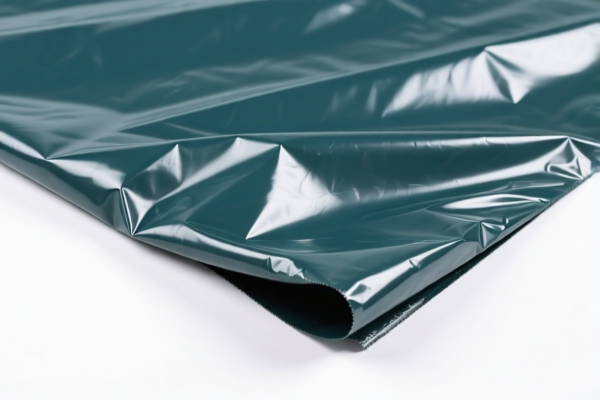
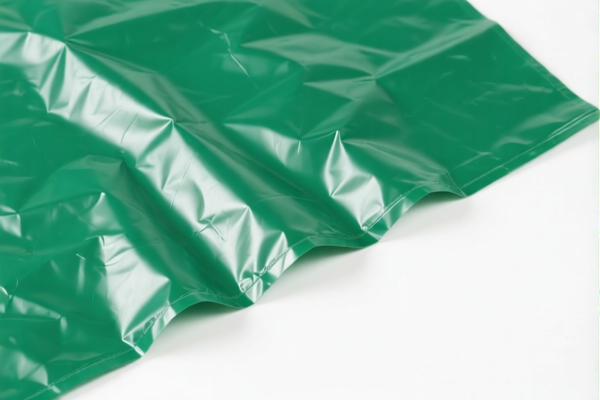
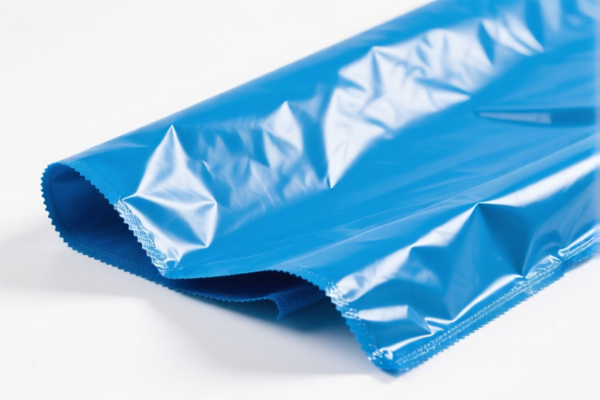
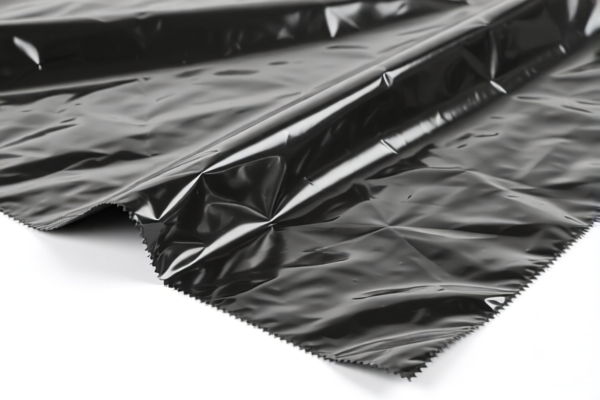
AI Analysis
🧵 PVC Coated Eco-Friendly Fabric
🌐 HS Code Reference & Customs Clearance Guide | 2026 Latest Tariff Analysis | Professional Clearance Strategy
📌 I. Product Definition & Classification: What is "PVC Coated Eco-Friendly Fabric"?
PVC Coated Fabric is a composite material widely used in outdoor tents, awnings, tarps, and furniture. In international trade, "Eco-friendly" is often a marketing term that does not automatically change the HS Code classification unless specific biodegradable certifications are involved, but the material composition (Plastic vs. Textile) and form (Sheet vs. Component) dictate the classification.
International customs agencies (especially US CBP) scrutinize this product heavily due to the complex interplay between Plastic Chapters (39) and Furniture/Textile Chapters (63/94).
⚠️ Key Distinction Point:
- If classified as a Textile Product (for furniture parts) → Chapter 94
- If classified as a Plastic Product (raw material/semi-finished) → Chapter 39
- Note: The specific use (e.g., children's围栏) can trigger specific sub-headings even for plastic materials.
📦 II. HS Code Classification Details (2026 Latest Tariff Authority Comparison)
Based on the provided data, here are the 5 possible HS Codes and their logical justifications:
| HS Code | Product Description | Applicability / Scenario | Classification Logic |
|---|---|---|---|
9403.99.50.05 |
Parts of Furniture: Other Plastic Materials | Artistic fabric used as furniture parts, material is PVC (non-cotton textile base) | Fits "Other parts" attribute for furniture components. |
9403.99.50.10 |
Parts of Furniture: Children's Activity Fences | Fabric used specifically for children's playpens/fences, synthetic material | Specific use case overrides general material classification. |
3926.20.60.00 |
Other Plastic Articles: Articles of Apparel and Clothing Accessories | PVC Plastic material, treated as semi-finished/intermediate product | Treated as a plastic article/semi-finished good, not yet a final textile product. |
3921.12.50.00 |
Other Plates, Sheets, Film, Foil and Strip: of Polymers of Vinyl Chloride | PVC Outdoor Tent Fabric, material is Vinyl Chloride Polymer, form is strip/sheet | Directly matches the chemical composition (PVC) and physical form (sheet/strip). |
3921.90.50.50 |
Other Plates, Sheets, Film, Foil and Strip: Other Plastic | PVC Outdoor Tent Fabric, material is Plastic, form is sheet/film/strip | General plastic sheet classification if not specifically vinyl chloride or if other plastic components dominate. |
🔍 Key Reminder:
- Textile vs. Plastic: If the fabric is primarily a textile base with light PVC coating, it might lean towards Chapter 63 or 94, but heavy PVC coating often pushes it into Chapter 39 (Plastics).
- End Use Matters: If the fabric is sold as a component for a specific item (like a children's fence), 9403.99.50.10 may apply.
- Form Matters: If sold as raw rolls for tents, 3921 series is highly likely because it describes "Plates, Sheets, Film."
💰 III. 2026 Latest Tariff Rate Breakdown (Including Surcharge & Policy Additions)
✅ Applicable Country: United States (US)
✅ Origin: China (CN)
✅ Effective Date: 2025/2026 (Current Tariff Regime)
🎯 1. 9403.99.50.05 & 9403.99.50.10
(Furniture Parts Classification)
| Item | Content |
|---|---|
| Base Tariff | 0.0% (ad valorem) |
| USITC Surcharge (Section 301) | +25.0% |
| IEEPA Surcharge (Section 122) | +10.0% |
| Total Rate | 35.0% |
| Tax Calculation | CIF Value × 35% |
| De Minimis Eligibility | ❌ No (High risk of seizure or penalty if under $800) |
| Legal Basis Path | USITC:9403.99.50.xx → FOOTNOTE:Section301 → IEEPA:122 |
📌 Explanation:
- Although base tariff is 0%, the 35% total rate is punitive.
- These codes are often used for finished furniture components. If the fabric is just a raw material, customs may reject this classification in favor of Chapter 39.
🎯 2. 3926.20.60.00
(Other Plastic Articles - Semi-finished)
| Item | Content |
|---|---|
| Base Tariff | 0.0% |
| USITC Surcharge (Section 301) | +25.0% |
| IEEPA Surcharge (Section 122) | +10.0% |
| Total Rate | 35.0% |
| Tax Calculation | CIF Value × 35% |
| De Minimis Eligibility | ❌ No |
| Legal Basis Path | USITC:3926.20.60.00 → FOOTNOTE:Section301 → IEEPA:122 |
📌 Explanation:
- Classified as "Other plastic articles." If the fabric is considered a semi-finished plastic good, this applies.
- 35% Total Rate.
🎯 3. 3921.12.50.00
(Plates, Sheets, of Vinyl Chloride Polymers)
| Item | Content |
|---|---|
| Base Tariff | 6.5% |
| USITC Surcharge (Section 301) | +25.0% |
| IEEPA Surcharge (Section 122) | +10.0% |
| Total Rate | 41.5% |
| Tax Calculation | CIF Value × 41.5% |
| De Minimis Eligibility | ❌ No |
| Legal Basis Path | USITC:3921.12.50.00 → FOOTNOTE:Section301 → IEEPA:122 |
📌 Explanation:
- This is a common code for PVC Tarpaulins/Tent Fabrics.
- Why higher? Because the base tariff is 6.5%, not 0%.
- 41.5% Total Rate. This is the highest risk code for pure PVC sheet goods.
🎯 4. 3921.90.50.50
(Other Plates, Sheets, of Plastic)
| Item | Content |
|---|---|
| Base Tariff | 4.8% |
| USITC Surcharge (Section 301) | +25.0% |
| IEEPA Surcharge (Section 122) | +10.0% |
| Total Rate | 39.8% |
| Tax Calculation | CIF Value × 39.8% |
| De Minimis Eligibility | ❌ No |
| Legal Basis Path | USITC:3921.90.50.50 → FOOTNOTE:Section301 → IEEPA:122 |
📌 Explanation:
- Used if the plastic is not strictly "Vinyl Chloride" or falls under a general "Other Plastic" subcategory.
- 39.8% Total Rate. Slightly lower than the PVC-specific code due to a lower base rate (4.8% vs 6.5%).
🛠️ IV. Customs Clearance Practical Advice (Battle-Tested Pitfall Avoidance)
✅ 1. Preparation Checklist (Non-Negotiable)
| Document | Mandatory | Description |
|---|---|---|
| ✅ Product Spec Sheet | ✔️ | Must detail: Base Fabric (Polyester/Nylon?), PVC Coating Thickness (GSM), Total Weight, Width. |
| ✅ Material Composition | ✔️ | Explicitly state % of PVC vs. Fabric. Critical for Chapter 39 vs. 94/63 determination. |
| ✅ Product Photos | ✔️ | Show texture, coating side, and any branding. |
| ✅ Commercial Invoice | ✔️ | Describe accurately: "PVC Coated Polyester Fabric, For Outdoor Tent Use" (Avoid vague terms like "Eco-Friendly Cloth"). |
| ✅ Certificate of Origin | ✔️ | Proof of Chinese origin triggers the 301/122 surcharges. |
| ✅ HS Code Pre-Ruling | ✔️ | Highly Recommended due to the 4 different codes and varying rates (35% vs 41.5%). |
✅ 2. Declaration Tactics (Key Mantras)
🔥 "Material First, End Use Second, Form Determines Chapter!"
| Scenario | Recommended HS Code | Why? | Risk if Wrong |
|---|---|---|---|
| Selling as Raw Rolls for Tents | 3921.12.50.00 or 3921.90.50.50 |
Classified as Plastic Sheet/Strip. | If declared as Furniture Part (9403), customs may argue it's not yet a "part." |
| Selling as Finished Furniture Cover | 9403.99.50.05 |
Finished good, specific use. | If declared as Raw Material, rate might be higher (41.5% vs 35%). |
| Selling for Children's Playpen | 9403.99.50.10 |
Specific end-use exemption/specificity. | Must provide proof of end-use (e.g., buyer's declaration). |
| Semi-Finished Plastic Good | 3926.20.60.00 |
Intermediate product. | Rare for final fabric, but possible if heavily processed. |
📌 Crucial Tip:
- "Eco-Friendly" is not a HS Code term. Do not rely on this marketing term. Focus on Polyvinyl Chloride (PVC) content.
- If the base fabric is 100% Polyester with a PVC Coating, it is still often classified under Chapter 39 if the coating is substantial, because the plastic defines the character.
✅ 3. Special Circumstances Handling
| Situation | Handling Advice |
|---|---|
| De Minimis (Section 321) Shipment | ❌ Avoid. All these codes have 35%+ tax and are Not Eligible for de minimis (under $800). Small parcels will be seized or taxed heavily. |
| Mixed Shipments (Fabric + Hardware) | Declare separately. Do not lump PVC fabric with metal frames. |
| Pre-Ruling Application | Apply for a US CBP Pre-Ruling 3-6 months before shipping. This locks in the HS Code and protects against audits. |
🌍 V. Global Market Comparison (2026)
| Country/Region | Recommended HS Code | Tariff Rate | Notes |
|---|---|---|---|
| 🇺🇸 USA | 3921.12.50.00 |
41.5% | Highest base rate. Consider 3921.90.50.50 (39.8%) if applicable. |
| 🇪🇺 EU | 3921.12.00 |
~6-10% | No Section 301/122 equivalents. Lower total cost. |
| 🇨🇳 China | 3921.12.50.00 |
~6.5% | Import tariff only. No surcharges. |
| 🇬🇧 UK | 3921.12.00 |
~6.5% | Post-Brexit tariff alignment with EU. |
📌 Conclusion:
- USA is the most expensive market for PVC Coated Fabric due to the 35%–41.5% total tariff burden.
- EU/UK/Asia have significantly lower barriers. Consider near-shoring or sourcing from non-China origins (e.g., Vietnam, India) to avoid IEEPA/Section 301 surcharges.
📌 VI. Common Mistakes & Pitfalls (Lessons Learned)
❌ Mistake 1: Calling it "Textile" to avoid plastic tariffs.
👉 Result: CBP reclassifies to Chapter 39 anyway because of high PVC content. Penalty + Back Taxes.
❌ Mistake 2: Assuming "Eco-Friendly" means lower tariff.
👉 Result: No tax benefit. "Eco-Friendly" is not a recognized HS descriptor.
❌ Mistake 3: Using 9403 for raw fabric rolls.
👉 Result: Customs may reject it as "Not yet a part." If rejected, they may default to the highest plastic rate or demand proof of use.
✅ Correct Approach:
"PVC Coated Polyester Fabric, 600D, 500 GSM, for Outdoor Tent Manufacturing, Roll Form, HS 3921.12.50.00"
🎯 VII. Conclusion: Precision in Classification Saves Money!
🎯 Remember the Mantra:
🔹 "PVC Sheets = Chapter 39, High Base Rate (4.8-6.5%) + Surcharges (35%) = 40%+ Tax!"
🔹 "Furniture Parts = Chapter 94, 0% Base + Surcharges (35%) = 35% Tax."
🔹 "Check End Use: If for Children's Fence, Use 9403.99.50.10 (35%)."
📌 Pro Tip:
If your FOB value is high, a 0.5% difference in base rate (6.5% vs 4.8%) saves you $1,750 on every $100k shipment. Always negotiate the HS Code with your customs broker before shipping.
📣 Immediate Action:
📞 Contact your Customs Broker
📄 Provide Material SDS (Safety Data Sheet)
🚀 Apply for Pre-Ruling
Clear Customs Smoothly, Protect Your Margins!
✨ Professional Customs Clearance, Starts with Accurate Classification!
💼 Your Every Dollar of Tax is Worth Calculating Precisely!
Customer Reviews
About HS Code Classification
The Harmonized System (HS) is an internationally standardized nomenclature developed by the World Customs Organization (WCO) to classify traded products. Over 200 countries use the HS system as the basis for customs tariffs, trade statistics, and import/export regulations.
Each HS code follows a hierarchical structure:
- Chapter (2 digits) — Broad category of goods (e.g., Chapter 84: Machinery and Mechanical Appliances)
- Heading (4 digits) — More specific grouping within the chapter
- Subheading (6 digits) — Internationally standardized breakdown, used by all WCO member countries
- National subdivisions (8-10 digits) — Country-specific extensions for further classification, such as US HTSUS 10-digit codes
Correct HS code classification is essential for smooth customs clearance, accurate duty payment, and compliance with trade regulations. Misclassification can lead to customs delays, overpayment of duties, or penalties.
When importing from CN to US, the applicable tariff rates may include:
- Most-Favored-Nation (MFN) rate — The standard duty rate applied to WTO members
- General rate — Applied to countries without trade agreements
- Trade remedy duties — Additional tariffs such as Section 301 (anti-dumping), Section 232 (national security), or countervailing duties
The information provided on this page is for reference purposes only. For official classification, please consult with your local customs authority or a licensed customs broker.