PVC Coated Industrial Fabric
CN → US| HS Code | Tariff Rate | Origin | Destination | Doc |
|---|---|---|---|---|
| 6306229030 | 26.3% | CN | US | Official Doc |
| 6306120000 | 18.8% | CN | US | Official Doc |
| 3921125000 | 41.5% | CN | US | Official Doc |
| 3921905050 | 39.8% | CN | US | Official Doc |
| 5903102090 | 35.0% | CN | US | Official Doc |
Product Images
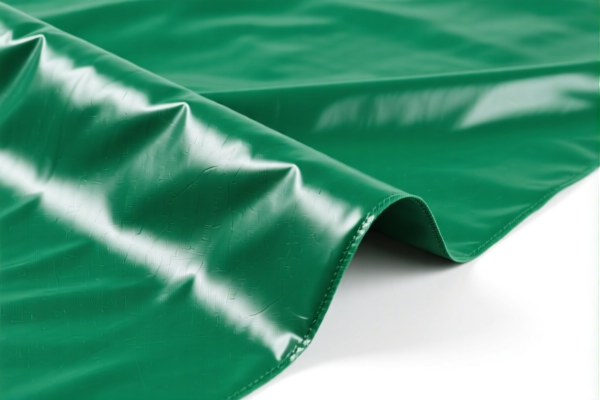
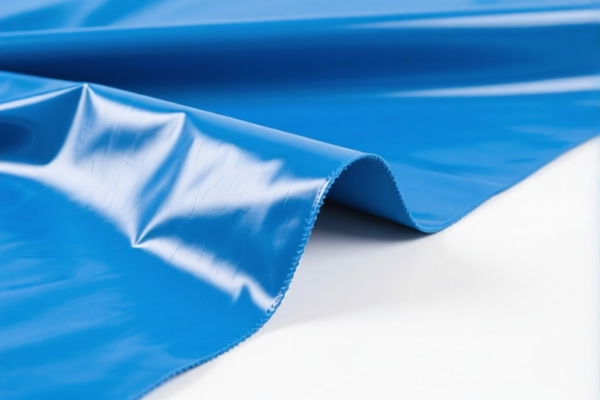
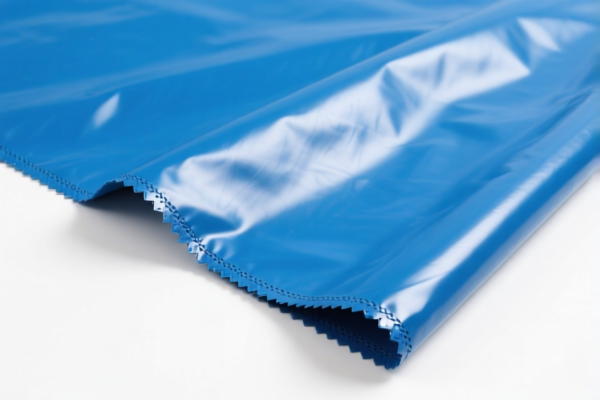
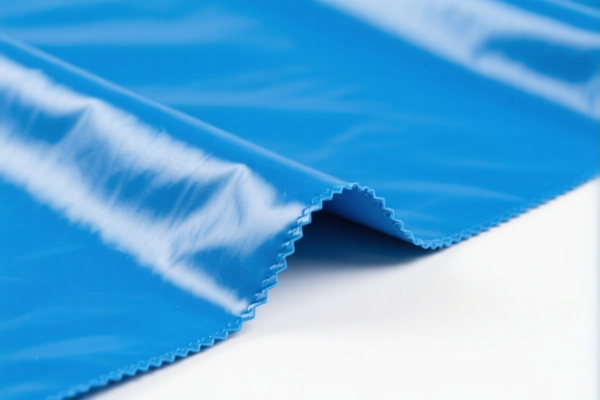
AI Analysis
🏕️ PVC Coated Outdoor Tent Fabric (聚氯乙烯涂层户外帐篷面料)
🌐 HS Code Reference & Customs Clearance Guide | 2026 Latest Tariff Analysis | Professional Clearance Strategy
📌 Part 1: Product Definition & Classification: What exactly is "Tent Fabric"?
PVC Coated Outdoor Tent Fabric is a composite textile material widely used in camping, industrial shading, and temporary structures. In international trade, its classification is highly sensitive to the exact composition and end-use definition. It is generally categorized into two main paths: 1. Finished Textile Articles: Classified under Chapter 63 (if recognized as tents/tarpaulins). 2. Plastic-Coated Textiles/Plastic Sheets: Classified under Chapter 59 or Chapter 39 (if viewed as plastic materials or impregnated fabrics).
⚠️ Key Classification Pivot Point:
- Is it a fabric impregnated with PVC? → Likely Chapter 59.
- Is it a plastic sheet with fabric backing? → Likely Chapter 39.
- Is it a finished tent article (even if unassembled)? → Likely Chapter 63.
📦 Part 2: HS Code Classification Details (2026 Latest Tariff Authority对照)
| HS Code | Product Description | Applicable Scenario | Material Nature | Total Tax Rate (China Origin → US) |
|---|---|---|---|---|
6306.22.90.30 |
Tents & Accessories: Synthetic fiber tents | Recognized as "Tents" made of synthetic fibers | Textile-based (Tent Article) | 26.3% |
6306.12.00.00 |
Tarpaulins/Sun Blinds: Synthetic fiber made | Used as tarpaulins, awnings, or sunshades | Textile-based (Article) | 18.8% |
5903.10.20.90 |
Textile Fabrics Impregnated with PVC | PVC-coated textile fabric, not yet a tent | Plastic-coated Textile | 35.0% |
3921.12.50.00 |
Plastic Sheets: Vinyl polymer products | Viewed primarily as plastic sheeting | Plastic Product | 41.5% |
3921.90.50.50 |
Plastic Plates/Sheets: Other plastic products | General plastic sheet classification | Plastic Product | 39.8% |
🔍 Critical Analysis:
- Lowest Tax (18.8%):6306.12.00.00applies if the fabric is clearly defined as Tarpaulins/Sun Blinds.
- Highest Tax (41.5%):3921.12.50.00applies if Customs views it strictly as a Plastic Sheet, ignoring the textile backing.
- Middle Ground (26.3%):6306.22.90.30applies if it is classified as a Tent (synthetic fiber).
💰 Part 3: 2026 Latest Tariff Rate Breakdown (Including Additional Taxes)
✅ Applicable Country: United States (US)
✅ Country of Origin: China (CN)
✅ Effective Time: 2025 November 10 onwards
🎯 1. 6306.12.00.00 —— Tarpaulins, Tents, or Sun Blinds (Synthetic Fiber)
Best Case Scenario for Textile-Based Classification
| Item | Details |
|---|---|
| Base Duty Rate | 8.8% |
| Section 301 Additional Duty | 0.0% (Exempt or lower tier for this specific textile article) |
| IEEPA Additional Duty (122 Clause) | +10% |
| Total Effective Rate | 18.8% |
| Calculation Basis | CIF Value × 18.8% |
| De Minimis Eligibility | ❌ No (Denied) |
| Legal Path | IEEPA:9903.01.24 → USITC:6306.12.00.00 → FOOTNOTE:9903.88.01 |
📌 Interpretation:
This is the most favorable classification if the product can be proven to be a Tarpaulin or Sun Blind made of synthetic fibers. The lack of Section 301 tariffs (25%) makes it significantly cheaper than plastic-classified items.
🎯 2. 6306.22.90.30 —— Tents (Synthetic Fiber)
Standard Tent Classification
| Item | Details |
|---|---|
| Base Duty Rate | 8.8% |
| Section 301 Additional Duty | +7.5% (Partial Section 301 application) |
| IEEPA Additional Duty (122 Clause) | +10% |
| Total Effective Rate | 26.3% |
| Calculation Basis | CIF Value × 26.3% |
| De Minimis Eligibility | ❌ No (Denied) |
| Legal Path | IEEPA:9903.01.24 → USITC:6306.22.90.30 → FOOTNOTE:9903.88.01 |
📌 Interpretation:
If the fabric is explicitly marketed and used as a Tent (not just tarpaulin), it incurs an additional 7.5% on top of the base rate. Still better than plastic classifications.
🎯 3. 5903.10.20.90 —— Textile Fabrics Impregnated/Covered with PVC
Textile-Plastic Composite Classification
| Item | Details |
|---|---|
| Base Duty Rate | 0.0% |
| Section 301 Additional Duty | +25.0% |
| IEEPA Additional Duty (122 Clause) | +10% |
| Total Effective Rate | 35.0% |
| Calculation Basis | CIF Value × 35.0% |
| De Minimis Eligibility | ❌ No (Denied) |
| Legal Path | IEEPA:9901.25 → IEEPA:9903.01.24 → USITC:5903.10.20.90 → FOOTNOTE:9903.88.01 |
📌 Interpretation:
If Customs determines the product is primarily a fabric impregnated with PVC (Chapter 59), the base duty is 0%, but the 25% Section 301 tariff applies heavily. Total: 35%.
🎯 4. 3921.12.50.00 & 3921.90.50.50 —— Plastic Sheets/Plates
Worst Case Scenario (Plastic Classification)
| Item | Details |
|---|---|
| Base Duty Rate | 4.8% – 6.5% |
| Section 301 Additional Duty | +25.0% |
| IEEPA Additional Duty (122 Clause) | +10% |
| Total Effective Rate | 39.8% – 41.5% |
| Calculation Basis | CIF Value × ~40% |
| De Minimis Eligibility | ❌ No (Denied) |
| Legal Path | IEEPA:9901.25 → IEEPA:9903.01.24 → USITC:3921.xx → FOOTNOTE:9903.88.01 |
📌 Interpretation:
If the product is classified as a Plastic Product (Chapter 39), it bears the highest tax burden. The base duty is low (4.8-6.5%), but the 25% Section 301 plus 10% IEEPA pushes the total over 39%.
🛠️ Part 4: Customs Clearance Practical Advice (Avoid Pitfalls)
✅ 1. Preparation Checklist (Mandatory)
| Document | Required? | Purpose |
|---|---|---|
| ✅ Product Specification Sheet | ✔️ | Define structure: Fabric type, PVC coating thickness, weight (gsm). |
| ✅ Material Composition Statement | ✔️ | Specify % of Polyester/Nylon vs. PVC content. |
| ✅ Usage Declaration | ✔️ | Clearly state: "For use as Tarpaulins/Awnings" (to aim for 6306) vs. "Raw Material for Tent Manufacturing" (5903). |
| ✅ Photos (Clear & Detailed) | ✔️ | Show cross-section of fabric, coating texture, and end-use application. |
| ✅ Commercial Invoice | ✔️ | Description must match HS code intent precisely. |
| ✅ Certificate of Origin (CO) | ✔️ | Proof of China origin for tariff calculation. |
✅ 2. Declaration Strategy (Key Tips)
🔥 Golden Rule:
"Define by End-Use, Not Just Material! Aim for Chapter 63!"
| Scenario | Recommended HS Code | Risk Level |
|---|---|---|
| Sold as "Tarpaulin Fabric" | 6306.12.00.00 |
🟢 Lowest Tax (18.8%) |
| Sold as "Tent Fabric" | 6306.22.90.30 |
🟡 Medium Tax (26.3%) |
| Sold as "PVC Coated Textile" | 5903.10.20.90 |
🟠 High Tax (35.0%) |
| Sold as "Plastic Sheet" | 3921.12.50.00 |
🔴 Highest Tax (41.5%) |
📌 Warning:
- Do NOT describe the product simply as "PVC Fabric" without specifying if it is for tents/tarpaulins. Customs may default to Chapter 39 (Plastic) for safety, leading to higher taxes. - If you are selling raw fabric to be sewn into tents later,5903.10.20.90(35%) is safer than6306(which requires it to be "articles"). However, if the fabric is cut and pre-sewn (even if unassembled), argue for6306.
✅ 3. Special Cases & Mitigation
| Situation | Advice |
|---|---|
| OEM Custom Colors/Prints | Provide design proofs. If prints are integral, it strengthens the "Tent/Tarpaulin" identity. |
| Heavy-Duty Industrial Use | Emphasize "Tarpaulin/Awnings" usage to target 6306.12.00.00. Avoid "Plastic Sheet" terminology. |
| Mixed Shipments | Do not mix "Plastic Sheets" and "Tent Fabrics" in one HS code. Split declarations to avoid penalty. |
| Pre-Ruling Application | ⭐ Strongly Recommended: Apply for an Advance Ruling from US Customs to lock in 6306.12.00.00 or 6306.22.90.30. |
🌍 Part 5: Global Market Comparison (2026)
| Market | Recommended HS Code | Est. Total Tax | Key Requirement |
|---|---|---|---|
| 🇺🇸 USA | 6306.12.00.00 |
18.8% | Proof of "Tarpaulin/Sun Blind" use |
| 🇺🇸 USA (Risky) | 3921.12.50.00 |
41.5% | Avoid this classification! |
| 🇪🇺 EU | 6306.22.00 |
~6-12% | No Section 301/IEEPA taxes |
| 🇨🇳 China | 6306.22.00 |
~10-12% | Domestic trade rules apply |
📌 Conclusion:
- The US market is the most expensive due to Section 301 and IEEPA tariffs. - Classification Accuracy is Profit: Choosing6306.12.00.00over3921.12.50.00saves ~22.7% in taxes. That’s a massive margin difference!
📌 Part 6: Common Mistakes & Pitfalls (Lessons Learned)
❌ Mistake 1: Declaring as "Plastic Coated Fabric" without specifying end-use.
👉 Result: Customs classifies as 3921 (41.5%).
👉 Fix: Use terms like "PVC Coated Tarpaulin Fabric" or "Tent Grade PVC Fabric".
❌ Mistake 2: Assuming all PVC fabrics are textiles.
👉 Result: If the PVC layer is dominant, Customs may view it as plastic (3921).
👉 Fix: Provide lab tests showing textile strength and PVC adhesion ratio.
❌ Mistake 3: Ignoring IEEPA 10% Surcharge.
👉 Result: Under-quoting taxes by 10%, leading to penalties upon arrival.
👉 Fix: Always include the +10% IEEPA in cost calculations for China-origin goods.
🎯 Part 7: Conclusion: Professional Declaration, Maximize Margin!
🎯 Remember the Mantra:
🔹 "Tarpaulin Wins, Tent Follows, Plastic Loses!"
🔹 6306.12 → 18.8% (Best)
🔹 6306.22 → 26.3% (Good)
🔹 5903.10 → 35.0% (High)
🔹 3921.12 → 41.5% (Worst)
📌 Pro Tip:
If your PVC coated fabric is exclusively for industrial tents, work with your supplier to label the product explicitly as "Tarpaulin Material for Outdoor Covers". This linguistic cue helps customs officers lean toward Chapter 63, saving you up to 22.7% in tariffs.
📣 Immediate Action:
📞 Consult a Customs Broker for an Advance Ruling before shipping.
📝 Labeling: Ensure commercial invoices clearly state "For Use as Tarpaulins/Sun Blinds".
🚀 Optimize Your Supply Chain to align with the 18.8% tax tier!
✨ Precision Classification Saves Money!
💼 Every percentage point counts in the PVC Fabric trade!
Customer Reviews
About HS Code Classification
The Harmonized System (HS) is an internationally standardized nomenclature developed by the World Customs Organization (WCO) to classify traded products. Over 200 countries use the HS system as the basis for customs tariffs, trade statistics, and import/export regulations.
Each HS code follows a hierarchical structure:
- Chapter (2 digits) — Broad category of goods (e.g., Chapter 84: Machinery and Mechanical Appliances)
- Heading (4 digits) — More specific grouping within the chapter
- Subheading (6 digits) — Internationally standardized breakdown, used by all WCO member countries
- National subdivisions (8-10 digits) — Country-specific extensions for further classification, such as US HTSUS 10-digit codes
Correct HS code classification is essential for smooth customs clearance, accurate duty payment, and compliance with trade regulations. Misclassification can lead to customs delays, overpayment of duties, or penalties.
When importing from CN to US, the applicable tariff rates may include:
- Most-Favored-Nation (MFN) rate — The standard duty rate applied to WTO members
- General rate — Applied to countries without trade agreements
- Trade remedy duties — Additional tariffs such as Section 301 (anti-dumping), Section 232 (national security), or countervailing duties
The information provided on this page is for reference purposes only. For official classification, please consult with your local customs authority or a licensed customs broker.