PVC Coated Marine Canvas
CN → US| HS Code | Tariff Rate | Origin | Destination | Doc |
|---|---|---|---|---|
| 5903102010 | 35.0% | CN | US | Official Doc |
| 5911102000 | 38.8% | CN | US | Official Doc |
| 6306120000 | 18.8% | CN | US | Official Doc |
| 5911900080 | 38.8% | CN | US | Official Doc |
| 5903102010 | 35.0% | CN | US | Official Doc |
Product Images
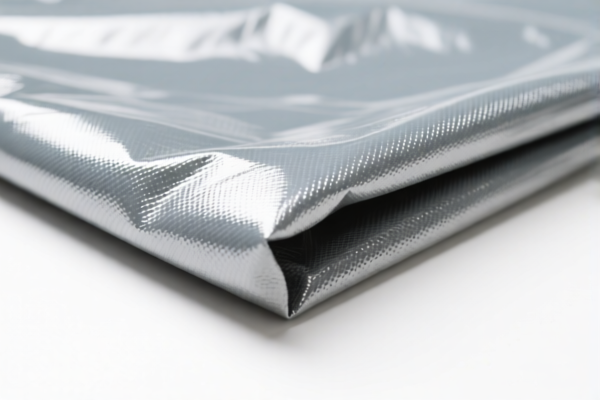
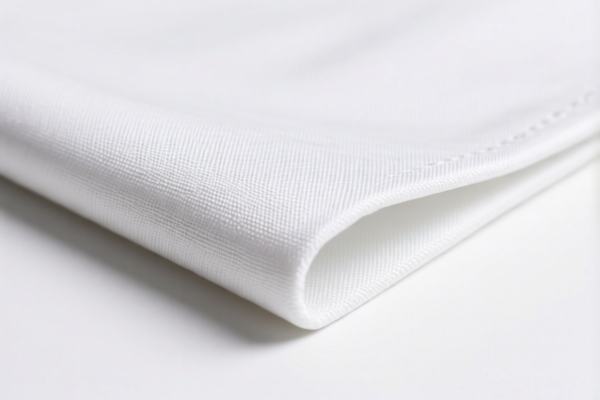
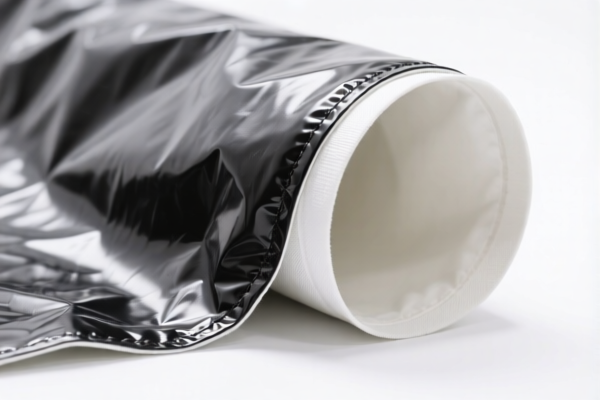
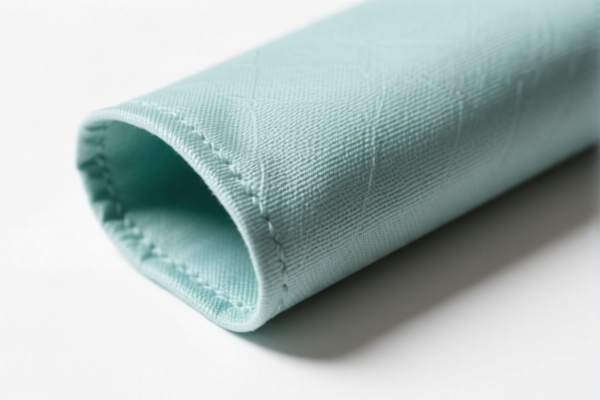
AI Analysis
🌊 PVC Coated Marine Canvas: The Ultimate Tariff & Customs Clearance Guide
🌐 HS Code Reference & Customs Strategy | 2026 Tariff Analysis | Professional Port Clearance Strategy
📌 I. Product Definition & Classification: What Exactly is "Marine Canvas"?
PVC Coated Marine Canvas is a heavy-duty, waterproof textile product widely used in marine environments, RVs, awnings, and industrial covers. It consists of a base fabric (usually polyester or cotton) laminated or coated with Polyvinyl Chloride (PVC).
In international trade, it is often confused with general "tarpaulins" or "technical textiles." However, the material composition (PVC) and manufacturing process (coating/laminating) are the critical factors for HS Code classification.
⚠️ Key Distinction:
- If the product is primarily defined by its PVC coating/impregnation on a textile base → It falls under Chapter 59.
- If it is simply a woven fabric with waterproofing but not PVC-coated, it might fall under different chapters (not covered in this specific dataset).
- Crucial: The term "PVC Coated" strongly points towards HS Code 5903 or 5911 depending on the specific technical use and weight, but 5903.10.20.10 is the most precise fit for general PVC-coated canvas.
📦 II. HS Code Classification Details (Based on Provided Data)
Below are the potential HS Codes for PVC Coated Marine Canvas, ranked by suitability and tax impact based on the provided dataset.
| HS Code | Product Description | Suitability for PVC Coated Marine Canvas | Total Tax Rate |
|---|---|---|---|
5903.10.20.10 |
PVC Coated Rain Tarpaulin (Textile fabric, PVC impregnated/coated) |
✅ HIGHLY RECOMMENDED Matches "PVC Coated" and "Canvas/Rain Cover" nature. |
35.0% |
6306.12.00.00 |
Waterproof Canvas/Tarpaulin (Synthetic fiber or coated fabric) |
⚠️ ALTERNATIVE Matches form (canvas) and use (waterproof), but less specific to PVC coating than 5903. |
18.8% |
5911.10.20.00 |
Technical Textile with Rubber/Plastic Coating (Filtered/covered textile) |
❌ LOWER PRIORITY Implies technical/industrial filtering use. Higher tax burden. |
38.8% |
5911.90.00.80 |
Other Technical Textiles (Residual/Catch-all category) |
❌ LOW PRIORITY Generic catch-all for technical textiles. Higher tax. |
38.8% |
🔍 Analysis:
- Best Fit:5903.10.20.10is the most accurate description for "PVC Coated" textiles. It explicitly mentions "PVC impregnated/coated."
- Cost-Saving Option:6306.12.00.00offers a significantly lower total tax rate (18.8% vs 35.0%). However, customs may challenge this if the product is heavily PVC-coated and classified as a "technical textile" under Chapter 59. Use this only if the PVC content is low or the fabric is primarily defined as a "finished tarpaulin" rather than a "coated textile."
- Avoid:5911codes are generally for industrial technical textiles (filters, etc.) and carry higher tariffs (38.8%).
💰 III. Detailed Tariff Rate Breakdown (2026 Latest)
✅ Applicable Country: United States (US)
✅ Country of Origin: China (CN)
✅ Effective Date: Post-2025 policies (including Section 301 & IEEPA)
🎯 1. 5903.10.20.10 – PVC Coated Textile (Most Accurate Fit)
| Item | Details |
|---|---|
| Base Tariff | 0.0% (Ad Valorem) |
| Section 301 Additional Tariff | +25.0% (USITC Footnote for Chinese goods) |
| Section 122 IEEPA Tariff | +10.0% (Specific levy on certain Chinese imports) |
| Total Effective Tax Rate | 35.0% |
| Calculation Basis | CIF Value × 35% |
| De Minimis Exemption? | ❌ NO (Deny de minimis. Small shipments are still subject to tariffs.) |
| Legal Authority Path | USITC:5903.10.20.10 → USITC Footnote: Section 301 → IEEPA: Section 122 |
📌 Explanation:
- This code attracts the highest common tariff among the accurate fits due to the 25% Section 301 duty and an additional 10% Section 122 duty.
- Total Cost Impact: For every $1,000 of CIF value, you pay $350 in duties alone.
🎯 2. 6306.12.00.00 – Waterproof Canvas (Potential Cost Saver)
| Item | Details |
|---|---|
| Base Tariff | 8.8% (Ad Valorem) |
| Section 301 Additional Tariff | +0.0% (No Section 301 duty on this specific heading) |
| Section 122 IEEPA Tariff | +10.0% (Still applies) |
| Total Effective Tax Rate | 18.8% |
| Calculation Basis | CIF Value × 18.8% |
| De Minimis Exemption? | ❌ NO (Deny de minimis) |
| Legal Authority Path | USITC:6306.12.00.00 → IEEPA: Section 122 |
📌 Explanation:
- This code benefits from 0% Section 301 duties, making it significantly cheaper than5903.
- Risk: Customs may reclassify PVC-coated fabrics into Chapter 59 if they deem the PVC coating to be the essential character. Ensure your product specification supports a "finished tarpaulin" classification.
🎯 3. 5911.10.20.00 & 5911.90.00.80 – Technical Textiles (Higher Cost)
| Item | Details |
|---|---|
| Base Tariff | 3.8% |
| Section 301 Additional Tariff | +25.0% |
| Section 122 IEEPA Tariff | +10.0% |
| Total Effective Tax Rate | 38.8% |
| Calculation Basis | CIF Value × 38.8% |
| Legal Authority Path | USITC:5911.xxxx → Section 301 → Section 122 |
📌 Explanation:
- These codes are not recommended for general marine canvas unless the product has specific technical filtration or industrial performance characteristics. The tariff burden is the highest.
🛠️ IV. Customs Clearance Practical Advice (Avoiding Pitfalls)
✅ 1. Documentation Checklist (Non-Negotiable)
| Document | Requirement | Purpose |
|---|---|---|
| Product Specification Sheet | Must explicitly state: "PVC Coated," "Polyester Base," "Waterproof," "Usage: Marine/Canvas" | Proves material composition for HS Code selection. |
| Commercial Invoice | Describe as "PVC Coated Polyester Canvas, Waterproof Tarpaulin" | Aligns with HS Code description. |
| Bill of Lading | Clear description matching invoice | Prevents discrepancies during inspection. |
| Material Composition Certificate | Detail % of PVC vs. Base Fabric | Critical for distinguishing between 5903 (PVC coated) and 6306 (Finished tarpaulin). |
| Country of Origin Certificate | Must state "Made in China" | Triggers correct Section 301 & IEEPA duties. |
✅ 2. Strategic HS Code Selection
| Scenario | Recommended HS Code | Reasoning |
|---|---|---|
| Heavy PVC Coating (>30% weight) | 5903.10.20.10 |
PVC is the essential character. High risk of misclassification if 6306 is used. |
| Light Coating / Finished Tarp | 6306.12.00.00 |
Lower tax (18.8%). Only use if the product is a finished item (sewn, grommeted) and coating is minimal. |
| Industrial/Technical Filter Canvas | 5911.10.20.00 |
Only if used for filtration/technical separation, not general weather protection. |
🔥 Golden Rule:
"If it's 100% PVC-coated textile, go with 5903. If it's a finished waterproof tarp, argue for 6306 to save 16.2% in duties."
✅ 3. Common Errors & Avoidance
❌ Error 1: Declaring PVC Canvas as "Plastic Sheet" (Chapter 39)
👉 Consequence: Customs will reclassify to Chapter 59 or 63, leading to delays and potential penalties.
❌ Error 2: Ignoring Section 122 (IEEPA)
👉 Consequence: Underpayment of 10% duty. Customs audits will recover this with interest.
❌ Error 3: Using De Minimis ($800) Exemption
👉 Consequence: ILLEGAL for China-origin PVC-coated canvases under current policies. All shipments are subject to duties.
❌ Error 4: Vague Description ("Canvas Tarp")
👉 Consequence: Customs may assign the highest possible duty rate (e.g., 38.8%) due to uncertainty. Always specify "PVC Coated."
🌍 V. Global Market Comparison (2026)
| Market | HS Code | Tariff Rate | Notes |
|---|---|---|---|
| 🇺🇸 USA | 5903.10.20.10 |
35.0% | High duties due to Section 301 + IEEPA. |
| 🇺🇸 USA | 6306.12.00.00 |
18.8% | Strategic Alternative. Lower duties, but higher audit risk. |
| 🇨🇳 China | 5903.10.20.10 |
~10-13% | Import duty + VAT. No Section 301. |
| 🇪🇺 EU | 5903.10.20 |
~6.5% | Standard EU duty. No equivalent to US Section 301. |
📌 Conclusion:
- The US market is the most challenging due to high cumulative tariffs (35-38.8%).
- Cost Optimization: Consider sourcing PVC canvas from non-Chinese origins (e.g., Vietnam, India) to avoid Section 301 and IEEPA tariffs, potentially reducing costs by 25-35%.
- Alternative Strategy: If the product can be classified as a "finished tarpaulin" (6306), it saves 16.2% in duties, but requires robust documentation to withstand customs scrutiny.
🎯 VI. Final Recommendation: Action Plan
- Audit Product Specs: Determine if PVC coating is the dominant feature. If yes,
5903.10.20.10is safer. If it's a finished tarp with light coating, explore6306.12.00.00. - Calculate Landed Cost:
- Scenario A (
5903): CIF + 35% Duty - Scenario B (
6306): CIF + 18.8% Duty - Compare with potential audit costs.
- Pre-Clearance Consultation: Engage a US customs broker to review your product samples and specifications for an Advance Ruling or Pre-Screening.
- Diversify Supply Chain: If tariffs remain prohibitive, evaluate manufacturing alternatives in Southeast Asia to bypass US-China specific duties.
📣 Immediate Action:
📞 Contact your customs broker with this specific HS Code analysis.
📄 Prepare detailed product descriptions highlighting "PVC Coated" or "Waterproof Tarpaulin" as appropriate.
🚀 Optimize your tariff strategy now to protect your profit margins in 2026!
✨ Professional Customs Clearance, Starting with Precise Classification!
💼 Every Percent Saved is Profit Gained!
Customer Reviews
About HS Code Classification
The Harmonized System (HS) is an internationally standardized nomenclature developed by the World Customs Organization (WCO) to classify traded products. Over 200 countries use the HS system as the basis for customs tariffs, trade statistics, and import/export regulations.
Each HS code follows a hierarchical structure:
- Chapter (2 digits) — Broad category of goods (e.g., Chapter 84: Machinery and Mechanical Appliances)
- Heading (4 digits) — More specific grouping within the chapter
- Subheading (6 digits) — Internationally standardized breakdown, used by all WCO member countries
- National subdivisions (8-10 digits) — Country-specific extensions for further classification, such as US HTSUS 10-digit codes
Correct HS code classification is essential for smooth customs clearance, accurate duty payment, and compliance with trade regulations. Misclassification can lead to customs delays, overpayment of duties, or penalties.
When importing from CN to US, the applicable tariff rates may include:
- Most-Favored-Nation (MFN) rate — The standard duty rate applied to WTO members
- General rate — Applied to countries without trade agreements
- Trade remedy duties — Additional tariffs such as Section 301 (anti-dumping), Section 232 (national security), or countervailing duties
The information provided on this page is for reference purposes only. For official classification, please consult with your local customs authority or a licensed customs broker.