PVC Coated Medical Textile
CN → US| HS Code | Tariff Rate | Origin | Destination | Doc |
|---|---|---|---|---|
| 6306120000 | 18.8% | CN | US | Official Doc |
| 5903102010 | 35.0% | CN | US | Official Doc |
| 3921121100 | 39.2% | CN | US | Official Doc |
| 6306192110 | 22.6% | CN | US | Official Doc |
| 5903102090 | 35.0% | CN | US | Official Doc |
Product Images
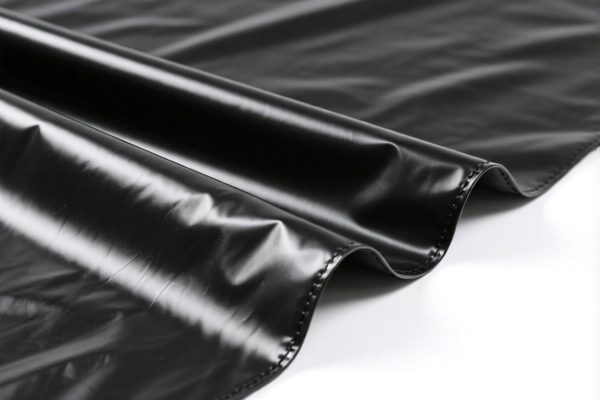


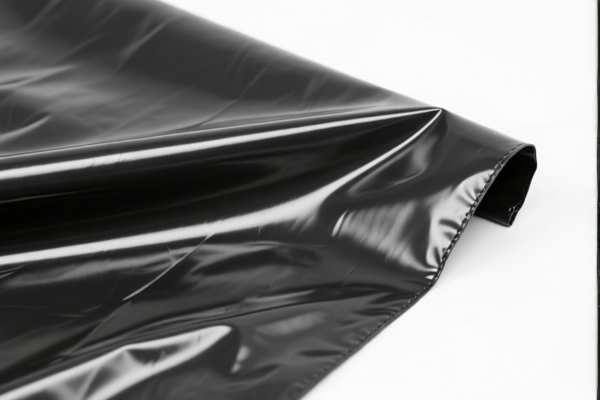
AI Analysis
🏥 PVC Coated Medical Textiles: HS Code Classification & Duty Deep Dive (2026 US Trade Context)
🌐 HS Code Reference & Customs Clearance Guide | 2026 Latest Tariff Analysis | Professional Clearance Strategy
📌 I. Product Definition & Classification: What Exactly is "PVC Coated Medical Textile"?
PVC (Polyvinyl Chloride) Coated Textiles used in medical contexts are composite materials combining fabric reinforcement with plastic coatings. In international trade, they are classified based on physical structure (coated vs. impregnated), material composition (synthetic fiber vs. other), and specific use.
The core distinction lies in whether the textile is primarily a "textile product" (Chapter 63) or a "plastic product" (Chapter 39), and how the PVC is applied (coating surface vs. impregnating the fabric).
⚠️ Key Distinction Points:
- If it is a finished textile product (e.g., curtains, covers, simple covers) with PVC coating → Often falls under 6306.
- If it is a fabrous material (not yet made up into articles) impregnated/coated with PVC → Often falls under 5903.
- If it is treated as a composite sheet/board where plastic is the essential character → May fall under 3921.
📦 II. HS Code Classification Details (2026 Latest Tariff Authority Comparison)
Based on the provided data, here are the five potential HS Codes for "PVC Coated Medical Textiles":
| HS Code | Product Description | Application Scenario | Tax Category |
|---|---|---|---|
6306.12.00.00 |
Textile products coated with PVC, for UV protection/medical use, made of synthetic fibers/plastic coating | Medical tents, UV protection covers, synthetic fiber-based medical barriers | 18.8% (Lowest Risk) |
5903.10.20.10 |
PVC coated textiles, textile fabrics impregnated/coated with plastics, suitable for medical scenarios | Raw medical-grade fabric rolls, impregnated medical textiles | 35.0% (High Risk) |
3921.12.11.00 |
Plastic plates/sheets of PVC and textile composites, matching characteristics of medical textile composites | Composite sheets, rigid medical trays/liners, plastic-heavy composites | 39.2% (Highest Risk) |
6306.19.21.10 |
PVC coated tarpaulins/shading materials, man-made fiber, suitable for medical protection use | Medical field tents, large-scale medical shelter covers | 22.6% (Medium Risk) |
5903.10.20.90 |
PVC coated textiles, textile fabrics impregnated/coated with plastics, suitable for medical use | Generic medical PVC fabrics, standard impregnated textiles | 35.0% (High Risk) |
🔍 Critical Reminder:
- Chapter 59 vs. Chapter 63: If the product is still a "fabric" (not cut/sewn into final articles), it usually belongs to 5903. If it is a "made-up article" (like a tent or curtain), it belongs to 6306.
- Chapter 39: Only applies if the plastic component gives the article its essential character (e.g., a rigid sheet with fabric backing).
- US Tariffs: All these codes are subject to significant US Section 301 and IEEPA tariffs due to Chinese origin.
💰 III. 2026 Latest Tariff Rate Breakdown (Including Surcharges & Policy Add-ons)
✅ Applicable Country: United States (US)
✅ Origin: China (CN)
✅ Effective Date: Post-November 2025 (Current Trade Regime)
🎯 1. 6306.12.00.00 —— Textile Products Coated with PVC (Synthetic Fiber)
| Item | Content |
|---|---|
| Base Duty | 8.8% |
| Section 301 Surcharge | 0.0% (Specific subheading exemption or lower rate) |
| Section 122 Clause Tariff | +10.0% |
| Total Effective Rate | 18.8% |
| Calculation | CIF Value × 18.8% |
| De Minimis Eligibility | ❌ No (Not eligible for $800 exemption) |
| Legal Basis | Base tariff 8.8% + Section 122 (10%) |
📌 Explanation:
- This is the most favorable classification among the options.
- It avoids the 25% Section 301 surcharge typically applied to textiles from China, likely due to specific policy exemptions for certain medical-related synthetic fibers or specific subheading nuances.
- Total cost burden is significantly lower than other classifications.
🎯 2. 5903.10.20.10 & 5903.10.20.90 —— PVC Coated Textile Fabrics (Impregnated/Coated)
| Item | Content |
|---|---|
| Base Duty | 0.0% |
| Section 301 Surcharge | +25.0% |
| Section 122 Clause Tariff | +10.0% |
| Total Effective Rate | 35.0% |
| Calculation | CIF Value × 35.0% |
| De Minimis Eligibility | ❌ No |
| Legal Basis | Base 0% + Section 301 (25%) + Section 122 (10%) |
📌 Explanation:
- Although the base duty is 0%, the 25% Section 301 tariff kicks in heavily for Chinese-origin PVC-coated fabrics.
- These codes cover "fabric" forms (rolls, not finished articles).
- Total 35% makes this a high-cost option unless the base duty is offset elsewhere (which it isn't here).
🎯 3. 3921.12.11.00 —— Plastic Plates/Sheets of PVC and Textile
| Item | Content |
|---|---|
| Base Duty | 4.2% |
| Section 301 Surcharge | +25.0% |
| Section 122 Clause Tariff | +10.0% |
| Total Effective Rate | 39.2% |
| Calculation | CIF Value × 39.2% |
| De Minimis Eligibility | ❌ No |
| Legal Basis | Base 4.2% + Section 301 (25%) + Section 122 (10%) |
📌 Explanation:
- This is the most expensive classification.
- Customs may classify your product here if the PVC layer is thick or if it behaves more like a rigid sheet than a flexible textile.
- Avoid this unless necessary, as the total tax burden is nearly 40%.
🎯 4. 6306.19.21.10 —— PVC Coated Tarpaulins/Shading Materials (Man-made Fiber)
| Item | Content |
|---|---|
| Base Duty | 5.1% |
| Section 301 Surcharge | +7.5% (Reduced Section 301 rate for this subheading) |
| Section 122 Clause Tariff | +10.0% |
| Total Effective Rate | 22.6% |
| Calculation | CIF Value × 22.6% |
| De Minimis Eligibility | ❌ No |
| Legal Basis | Base 5.1% + Section 301 (7.5%) + Section 122 (10%) |
📌 Explanation:
- A mid-range option.
- If the product is clearly a "tarpaulin" or "shading material" (even for medical shelters), this code applies.
- The Section 301 rate is lower (7.5% vs. 25%), making it cheaper than5903but more expensive than6306.12.00.00.
🛠️ IV. Customs Clearance Practical Advice (Pitfall Avoidance Guide)
✅ 1. Preparation Checklist (Non-negotiable)
| Document | Required | Explanation |
|---|---|---|
| ✅ Product Specification Sheet | ✔️ | Must specify: PVC % content, fabric base (polyester/nylon), coating weight, medical compliance (ISO 10993 if applicable). |
| ✅ Material Composition Proof | ✔️ | Lab test results showing fiber type and plastic type. Critical for distinguishing between 5903 and 3921. |
| ✅ Product Photos | ✔️ | Clear images showing texture, coating, and any medical certifications. |
| ✅ Commercial Invoice | ✔️ | Description must be precise: e.g., "PVC Coated Polyester Medical Tent Fabric" vs. generic "PVC Material". |
| ✅ Certificate of Origin | ✔️ | If claiming any potential exemptions (though Section 301 is hard to waive). |
✅ 2. Declaration Strategy (Key Mantras)
🔥 "Coating vs. Impregnation, Article vs. Fabric, Name Matters!"
| Scenario | Correct HS Code | Wrong Practice | Consequence |
|---|---|---|---|
| Finished Medical Tent/Cover (Sewn) | 6306.12.00.00 or 6306.19.21.10 |
Declare as "PVC Fabric" (5903) | Risk of Re-classification & Penalties |
| Raw Fabric Rolls (Unsewn) | 5903.10.20.10 or 5903.10.20.90 |
Declare as "Tent" (6306) | Under-declaration of Duty if base rates differ |
| Rigid Composite Sheet | 3921.12.11.00 |
Declare as "Textile" (5903) | Over-declaration or Misclassification |
| Generic PVC Material | Avoid vague descriptions | Use "PVC Coated Textile" | Customs may choose highest duty |
✅ 3. Special Handling Tips
| Situation | Handling Advice |
|---|---|
| Medical Certification | Provide ISO 10993 (Biological Evaluation of Medical Devices) reports to justify "Medical Use" in description, helping justify 6306.12.00.00 (UV/Medical specific). |
| Composite Structure | If PVC thickness > fabric thickness, customs may lean toward 3921. Ensure fabric is the essential character for 5903/6306. |
| US Section 122 Tariff | Note: Section 122 applies to all these codes (+10%). This is a current US policy for many textile/plastic goods from China. Budget accordingly. |
| Origin Labeling | Clearly mark "Made in China" on packaging. Mislabeling can lead to higher penalties than tariff differences. |
🌍 V. Global Market Clearance Comparison (2026 Latest)
| Country/Region | Recommended HS Code | Tariff Impact | Key Certification | Notes |
|---|---|---|---|---|
| 🇺🇸 USA | 6306.12.00.00 |
18.8% (Best) | FDA/ISO 13485 (if device) | Avoid 5903/3921 due to 301 tariffs. |
| 🇨🇳 China | 6306.12.00.00 |
~8-10% | CCC (if applicable) | Lower tariffs, no Section 301. |
| 🇪🇺 EU | 5903.10.90 |
~4-6% | CE Marking (MDR) | PVC may face REACH restrictions. |
| 🇬🇧 UK | 5903.10.90 |
~4-6% | UKCA Mark | Post-Brexit rules apply. |
📌 Conclusion:
- USA is the most challenging market due to Section 301 and Section 122 tariffs.
- Goal: Strive for classification under6306.12.00.00to achieve the lowest effective rate (18.8%).
- Risk:3921.12.11.00(39.2%) should be avoided at all costs unless the product is physically a rigid plastic sheet.
📌 VI. Common Errors & Pitfall Guide (Lessons Learned)
❌ Error 1: Declaring a finished medical tent as PVC Fabric (5903)
👉 Consequence: Customs may re-classify to 6306, but if declared incorrectly, you risk penalties for misdeclaration. Also, duty rates might differ.
❌ Error 2: Declaring raw fabric rolls as Finished Goods (6306)
👉 Consequence: Under-declaration of duty if base rates for finished goods are higher. Customs will charge the difference + interest.
❌ Error 3: Ignoring Section 122 Tariff in cost calculation
👉 Consequence: Budget shortfalls. Add 10% to all PVC-coated textile imports from China to the US.
❌ Error 4: Vague Description "PVC Material"
👉 Consequence: Customs will assign the highest possible duty code (likely 3921 or 5903 with 25% 301 tariff).
✅ Correct Approach:
"PVC-Coated Polyester Medical Tent, UV-Resistant, ISO 10993 Compliant, Made in China"
HS Code:6306.12.00.00
Duty: 18.8%
🎯 VII. Conclusion: Precision Saves Money!
🎯 Remember the Mantra:
🔹 "Fabric Rolls go to 5903, Finished Goods go to 6306, Sheets go to 3921."
🔹 "Target 6306.12 for lowest US duty (18.8%). Avoid 3921 (39.2%)!"
🔹 "Add 10% for Section 122. Add 25% for 301 unless exempted."
📌 Pro Tip:
If your product is exclusively for medical use and meets specific standards, consult with a customs broker to see if Section 301 exclusions apply (though rare for PVC textiles). Always request a binding ruling from US CBP before shipping large volumes.
📣 Immediate Action:
📞 Contact a licensed customs broker with your product samples and technical specs.
🚀 Optimize your HS Code to6306.12.00.00and ensure your commercial invoice clearly states "Medical Use" and "PVC Coated Textile".
✨ Professional clearance starts with accurate classification!
💼 Every percentage point saved is profit earned!
Customer Reviews
About HS Code Classification
The Harmonized System (HS) is an internationally standardized nomenclature developed by the World Customs Organization (WCO) to classify traded products. Over 200 countries use the HS system as the basis for customs tariffs, trade statistics, and import/export regulations.
Each HS code follows a hierarchical structure:
- Chapter (2 digits) — Broad category of goods (e.g., Chapter 84: Machinery and Mechanical Appliances)
- Heading (4 digits) — More specific grouping within the chapter
- Subheading (6 digits) — Internationally standardized breakdown, used by all WCO member countries
- National subdivisions (8-10 digits) — Country-specific extensions for further classification, such as US HTSUS 10-digit codes
Correct HS code classification is essential for smooth customs clearance, accurate duty payment, and compliance with trade regulations. Misclassification can lead to customs delays, overpayment of duties, or penalties.
When importing from CN to US, the applicable tariff rates may include:
- Most-Favored-Nation (MFN) rate — The standard duty rate applied to WTO members
- General rate — Applied to countries without trade agreements
- Trade remedy duties — Additional tariffs such as Section 301 (anti-dumping), Section 232 (national security), or countervailing duties
The information provided on this page is for reference purposes only. For official classification, please consult with your local customs authority or a licensed customs broker.