PVC Coated Nylon Wall Cloth
CN → US| HS Code | Tariff Rate | Origin | Destination | Doc |
|---|---|---|---|---|
| 5903102090 | 35.0% | CN | US | Official Doc |
| 3921121500 | 41.5% | CN | US | Official Doc |
| 3921121950 | 40.3% | CN | US | Official Doc |
| 5903102500 | 42.5% | CN | US | Official Doc |
| 5903102090 | 35.0% | CN | US | Official Doc |
Product Images
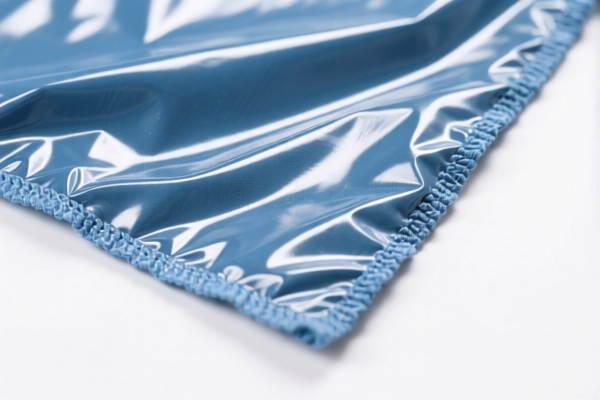
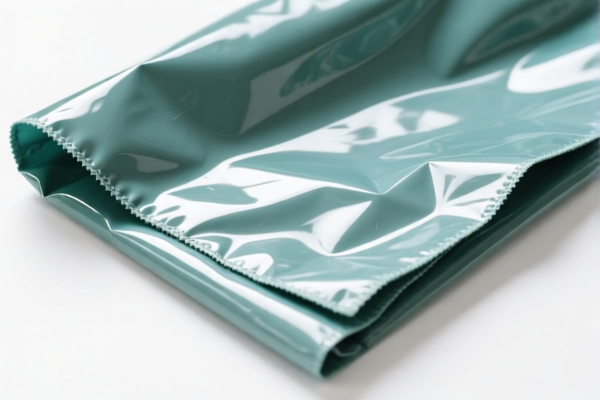
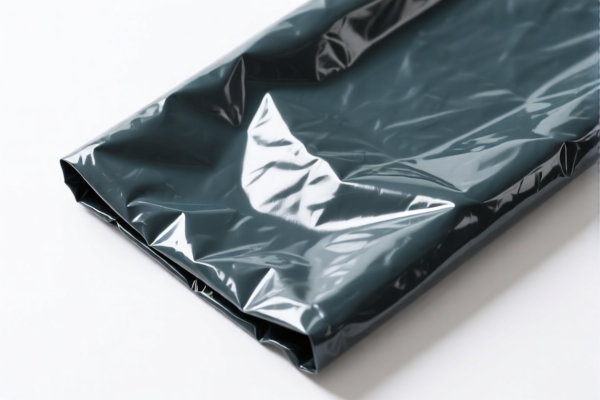

AI Analysis
🌟 PVC-Coated Nylon Wall Cloth
🌐 HS Code Classification & Tariff Guide | 2026 Updated | Expert Customs Clearance Strategy
📌 One Product, Four HS Codes — Know the Difference to Avoid 40%+ Tariff Pitfalls!
📦 I. Product Definition & Key Classification Logic
✅ What is PVC-Coated Nylon Wall Cloth?
A flexible, durable wall covering made by coating or laminating polyvinyl chloride (PVC) onto a nylon knit fabric base. Used in interior design, commercial spaces, and architectural applications for its moisture resistance, aesthetic appeal, and ease of installation.🔍 Why Multiple HS Codes?
The exact classification depends on the physical form and structure, not just the name. The key distinction lies in how the PVC is applied and whether it forms a layered composite or remains merely coated on textile.⚠️ Critical Insight:
- If PVC is only coated/impregnated on the fabric → HS Code 5903.10.20.90 or 5903.10.25.00
- If PVC is formed into a film/plate layer bonded to fabric → HS Code 3921.12.15.00 or 3921.12.19.50
📊 II. HS Code Breakdown (2026 Tariff Authority Reference)
| HS Code | Product Description | Physical Form | Key Trigger |
|---|---|---|---|
5903.10.20.90 |
PVC-coated knit wall cloth; PVC applied via impregnation, coating, covering, or lamination on textile fabric | Textile-based, flexible, fabric-like | PVC is not a separate film/plate |
5903.10.25.00 |
PVC-coated knit wall cloth; same material, but specifically described as "impregnated, coated, covered, or laminated" | Same as above | More precise wording in tariff description |
3921.12.15.00 |
PVC-coated wall cloth; PVC forms a film/plate layer bonded to textile | Composite sheet or film with textile backing | PVC acts as a structural layer |
3921.12.19.50 |
Chlorovinyl polymer-coated wall cloth; combined with textile materials as plates, films, sheets, or foils | PVC film + textile composite | Material is chlorovinyl polymer, not pure PVC |
📌 Why the Difference Matters:
- HS Code 5903.10 = Textile-based (lower base tariff)
- HS Code 3921.12 = Plastic-based composite (higher base tariff)
- Misclassification = 10–15% higher tax + penalties
💰 III. 2026 Tariff Rate Breakdown (US Market – China Origin)
✅ Applicable to: United States (US)
✅ Origin: China (CN)
✅ Effective Date: November 10, 2025 (including subsequent imports)
🎯 1. 5903.10.20.90 — PVC-Coated Knit Wall Cloth (Textile Form)
| Component | Rate | Explanation |
|---|---|---|
| Base Duty | 0.0% | No standard tariff under HTSUS |
| Section 301 (USITC) | +25.0% | From U.S. Trade Act §301 – China-specific retaliatory tariff |
| Section 122 (IEEPA) | +10.0% | From International Emergency Economic Powers Act (IEEPA) – applies to China/HK-origin goods |
| Total Effective Duty | 35.0% | CIF × 35% |
| De Minimis Threshold | ❌ Not applicable | No exemption – even small shipments taxed fully |
| Legal Basis Path | IEEPA:9903.01.25 → USITC:5903.10.20.90 → FOOTNOTE:9903.88.01 |
🔍 Key Note:
- Despite being "textile-like", if the PVC is not a structural film, this code applies.
- No de minimis → No escape from 35% tax.
🎯 2. 5903.10.25.00 — PVC-Coated Knit Wall Cloth (Same Material, Different Description)
| Component | Rate | Explanation |
|---|---|---|
| Base Duty | 7.5% | Higher than 5903.10.20.90 due to more specific description |
| Section 301 (USITC) | +25.0% | Same as above – China-origin tariff |
| Section 122 (IEEPA) | +10.0% | Same as above |
| Total Effective Duty | 42.5% | CIF × 42.5% |
| De Minimis | ❌ Not applicable | |
| Legal Basis Path | IEEPA:9903.01.24 → USITC:5903.10.25.00 → FOOTNOTE:9903.88.01 |
🔍 Why Higher?
- The "impregnated, coated, covered, or laminated" wording triggers a higher base rate under HTSUS.
- Even if functionally identical, the description matters.
🎯 3. 3921.12.15.00 — PVC-Coated Wall Cloth (Plastic Film + Textile Composite)
| Component | Rate | Explanation |
|---|---|---|
| Base Duty | 6.5% | Applies to plastic plates/films combined with textiles |
| Section 301 (USITC) | +25.0% | China-specific tariff |
| Section 122 (IEEPA) | +10.0% | Applies to China-origin goods |
| Total Effective Duty | 41.5% | CIF × 41.5% |
| De Minimis | ❌ Not applicable | |
| Legal Basis Path | IEEPA:9903.01.24 → USITC:3921.12.15.00 → FOOTNOTE:9903.88.01 |
🔍 Trigger:
- PVC forms a distinct film or plate layer bonded to fabric → treated as plastic composite, not textile.
🎯 4. 3921.12.19.50 — Chlorovinyl Polymer-Coated Wall Cloth (Plastic Composite)
| Component | Rate | Explanation |
|---|---|---|
| Base Duty | 5.3% | Slightly lower than 3921.12.15.00 |
| Section 301 (USITC) | +25.0% | China-origin tariff |
| Section 122 (IEEPA) | +10.0% | Applies to China/HK |
| Total Effective Duty | 40.3% | CIF × 40.3% |
| De Minimis | ❌ Not applicable | |
| Legal Basis Path | IEEPA:9903.01.24 → USITC:3921.12.19.50 → FOOTNOTE:9903.88.01 |
🔍 Key Distinction:
- Uses "chlorovinyl polymer" instead of "PVC" → slightly lower base rate, but same附加 taxes.
🛠️ IV. Customs Clearance Best Practices (Pro Tips)
✅ 1. Documentation Checklist (Must-Have)
| Document | Required? | Why It Matters |
|---|---|---|
| ✅ Product Specification Sheet | ✔️ | Shows PVC layer thickness, coating method, fabric type |
| ✅ Technical Drawings / Cross-Section Image | ✔️ | Proves whether PVC is a film or coating |
| ✅ High-Resolution Product Photos (with label) | ✔️ | Shows surface texture, layering, backing |
| ✅ Third-Party Test Report (RoHS, REACH, UL) | ✔️ | Validates material composition |
| ✅ Commercial Invoice | ✔️ | Must state "PVC-coated nylon knit wall cloth" |
| ✅ Certificate of Origin (CO) | ✔️ | Critical – if from Vietnam/Mexico, may qualify for IEEPA exemption |
| ✅ Packing List | ✔️ | Shows unit count, weight, packaging |
✅ 2.申报技巧(申报口诀)
🔥 "Coating vs Film, 7% vs 6.5% — One Word Changes Your Tax!"
| Scenario | Correct HS Code | Common Mistake |
|---|---|---|
| PVC coated/impregnated on fabric | 5903.10.20.90 or 5903.10.25.00 |
Misclassified as plastic → higher tax |
| PVC forms a film/plate layer | 3921.12.15.00 or 3921.12.19.50 |
Misclassified as textile → underpaid duties |
| Product looks like fabric but has rigid layer | 3921.12.15.00 |
Risk of penalties & audits |
✅ 3. Special Cases & Solutions
| Situation | Recommended Action |
|---|---|
| OEM Custom Wall Cloth | Provide design specs + coating process diagram |
| Mixed PVC & Fabric Layer | Submit cross-section image to prove structure |
| Shipment from Vietnam/Mexico | Apply for IEEPA exemption – 0%附加税 |
| Samples or Low-Value Shipment | Still taxed at 35–42.5% – no de minimis |
| Recalled or Defective Goods | Must reclassify – may trigger higher duty |
🌍 V. Global Market Tariff Comparison (2026)
| Country | Recommended HS Code | Base Duty | Additional Taxes | Notes |
|---|---|---|---|---|
| 🇺🇸 USA | 5903.10.20.90 |
0.0% | +25% +10% | Total: 35% |
| 🇨🇳 China | 5903.10.20.90 |
5% | None | No 301/IEEPA |
| 🇪🇺 EU | 5903.10.20.90 |
0% | None | CE/REACH required |
| 🇦🇺 Australia | 5903.10.20.90 |
5% | None | RCM compliance |
| 🇯🇵 Japan | 5903.10.20.90 |
0% | None | PSE certification |
📌 Insight:
- USA is the only market with 35%+ tariff on this product from China.
- Shift production to Vietnam/Mexico to avoid 35%+ tax.
🚨 VI. Common Mistakes & Real-World Pitfalls
❌ Mistake 1:
"We use the same product as before — why is tax higher?"
👉 Answer: Different HS Code description →5903.10.25.00vs5903.10.20.90→ 7.5% vs 0% base → +7.5% tax
❌ Mistake 2:
"It’s just fabric with PVC on top — why not 5903?"
👉 Answer: If the PVC layer is rigid or film-like, it’s 3921.12 → +6.5% base → higher total duty
❌ Mistake 3:
"We shipped 100 units — no de minimis?"
👉 Answer: No de minimis in US for China-origin goods → 100% taxed
✅ Pro Tip:
Always submit a pre-classification request (Advance Ruling) to the U.S. CBP before shipment.
🎯 VII. Final Verdict: How to Win the Tax Battle
🔹 "If it’s coated — use 5903.
🔹 If it’s a film — use 3921.
🔹 If it’s from China — expect 35%+ tax.
🔹 If it’s from Vietnam — 0%附加税!
📌 Action Plan: Your Next Steps
- 📸 Take clear photos of the cross-section of your PVC-coated wall cloth.
- 📄 Review product specs — is PVC a coating or a film layer?
- 🌐 Check origin — if from Vietnam/Mexico, apply for IEEPA exemption.
- 📞 Contact a customs broker for HS Code pre-ruling.
- 💼 Reclassify if needed — avoid $10k+ penalties.
📣 🚀 Ready to Ship?
🔗 Get a free HS Code pre-ruling from a U.S.-licensed customs broker today!
💬 Don’t guess — classify with confidence!
✨ Pro Tip:
The difference between 35% and 42.5% is just one word in the description.
One mistake = thousands in extra tax.
Be precise. Be safe. Be profitable.
💼 Your product. Your tax. Your control.
🔍 Master the HS Code — Master the Market!
Customer Reviews
About HS Code Classification
The Harmonized System (HS) is an internationally standardized nomenclature developed by the World Customs Organization (WCO) to classify traded products. Over 200 countries use the HS system as the basis for customs tariffs, trade statistics, and import/export regulations.
Each HS code follows a hierarchical structure:
- Chapter (2 digits) — Broad category of goods (e.g., Chapter 84: Machinery and Mechanical Appliances)
- Heading (4 digits) — More specific grouping within the chapter
- Subheading (6 digits) — Internationally standardized breakdown, used by all WCO member countries
- National subdivisions (8-10 digits) — Country-specific extensions for further classification, such as US HTSUS 10-digit codes
Correct HS code classification is essential for smooth customs clearance, accurate duty payment, and compliance with trade regulations. Misclassification can lead to customs delays, overpayment of duties, or penalties.
When importing from CN to US, the applicable tariff rates may include:
- Most-Favored-Nation (MFN) rate — The standard duty rate applied to WTO members
- General rate — Applied to countries without trade agreements
- Trade remedy duties — Additional tariffs such as Section 301 (anti-dumping), Section 232 (national security), or countervailing duties
The information provided on this page is for reference purposes only. For official classification, please consult with your local customs authority or a licensed customs broker.