PVC Coated Polyester Tablecloth
CN → US| HS Code | Tariff Rate | Origin | Destination | Doc |
|---|---|---|---|---|
| 3921125000 | 41.5% | CN | US | Official Doc |
| 3919102055 | 40.8% | CN | US | Official Doc |
| 3924901010 | 13.3% | CN | US | Official Doc |
| 3921905050 | 39.8% | CN | US | Official Doc |
| 3919905060 | 40.8% | CN | US | Official Doc |
Product Images
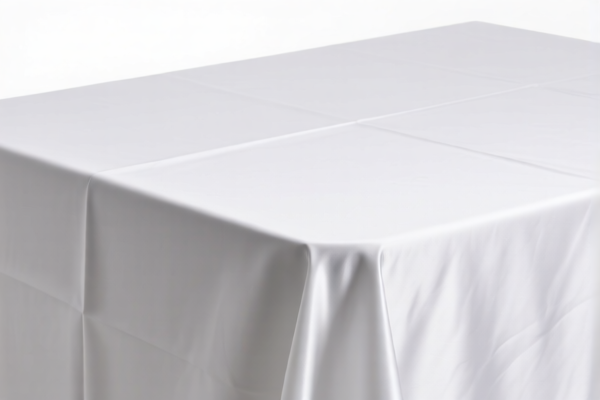
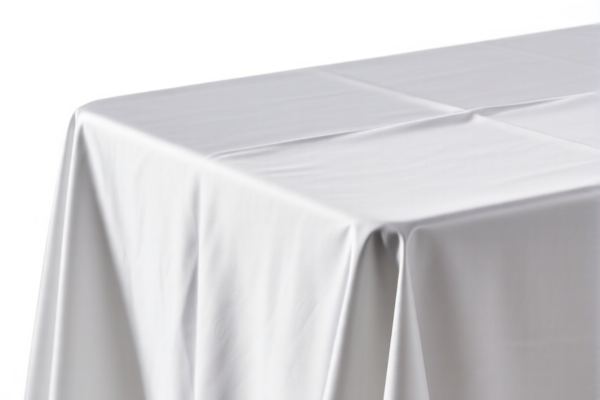
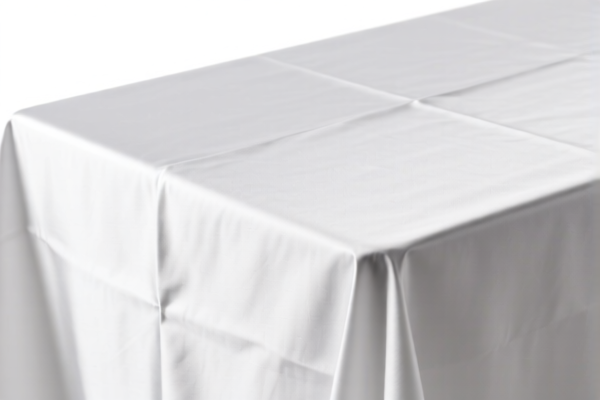
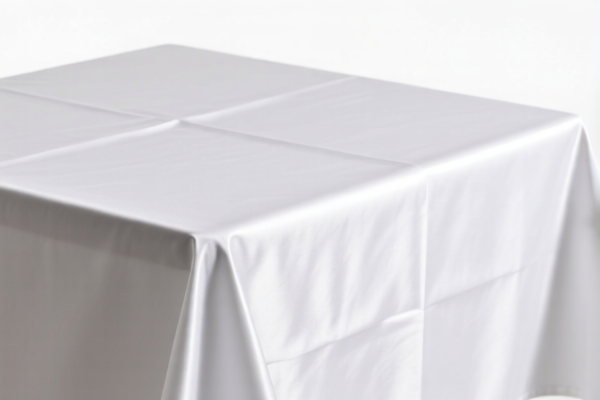
AI Analysis
🍽️ PVC Coated Polyester Tablecloth: The "Hidden Tax" Trap
🌐 HS Code Reference & Customs Clearance Guide | 2026 Updated Tariff Analysis | Strategic Clearance Strategy
📌 I. Product Definition & Classification: Are You Sure It’s Just a "Tablecloth"?
A PVC Coated Polyester Tablecloth is a composite textile product. While marketed as a "textile" or "table linen," customs authorities primarily classify it based on its surface material and primary function.
Key Classification Dilemma: 1. Plastic Sheet/Board Classification: If the PVC coating is the dominant feature (providing the structure, waterproofing, and primary value), it is often classified under Chapter 39 (Plastics). 2. Plastic Household Article Classification: If it is explicitly shaped for a specific household use (like a tablecloth) and made of plastic materials, it may fall under Chapter 39, Heading 3924. 3. Self-Adhesive/Decorative Film: If it has a backing or specific decorative flat nature, it might be misclassified under 3919.
⚠️ Critical Distinction:
- Misclassification Risk: Many importers mistakenly classify these as "Textiles" (Chapter 63) to avoid high tariffs. This is dangerous. Customs will reclassify them as Plastics (Chapter 39), leading to significant duties (25%+10% = 35%+) plus penalties.
- Primary Material Test: The PVC coating is usually substantial enough to change the character of the goods from "fabric" to "plastic sheet/film."
📦 II. HS Code Classification Details (2026 Latest Tariff Authority)
Based on the provided data, here are the 5 possible HS Codes for PVC Coated Polyester Tablecloths, ranging from low to high risk/tax.
| HS Code | Product Description (Summary) | Total Tax Rate | Tax Detail Breakdown | Risk Level |
|---|---|---|---|---|
3924.90.10.10 |
Plastic Tablecloths & Place Mats | 13.3% | Base: 3.3% Add'l (Sec 301): 0.0% 122 Clause: 10% |
✅ Lowest Tax / Best Classification |
3921.90.50.50 |
Other Plastic Sheets/Foils/Strips | 39.8% | Base: 4.8% Add'l (Sec 301): 25.0% 122 Clause: 10% |
⚠️ High Tax |
3919.90.50.60 |
Plastic Self-Adhesive Flat Goods | 40.8% | Base: 5.8% Add'l (Sec 301): 25.0% 122 Clause: 10% |
⚠️ High Tax |
3919.10.20.55 |
Plastic Flat Goods (Non-Self-Adhesive) | 40.8% | Base: 5.8% Add'l (Sec 301): 25.0% 122 Clause: 10% |
⚠️ High Tax |
3921.12.50.00 |
PVC Sheet Products (Unreinforced/Reinforced) | 41.5% | Base: 6.5% Add'l (Sec 301): 25.0% 122 Clause: 10% |
❌ Highest Tax |
🔍 Key Insight:
-3924.90.10.10is the only classification that avoids the 25% Section 301 surcharge. It treats the item as a specific "Household Article" (Tablecloth) rather than a generic "Plastic Sheet." - The other four codes (3921and3919) are treated as generic plastic materials, attracting the full 35% total add-on tax (25% Sec 301 + 10% 122 Clause).
💰 III. 2026 Latest Tariff Rate Breakdown (Detailed Analysis)
✅ Applicable Country: China (CN) to USA (US)
✅ Product: PVC Coated Polyester Tablecloth
✅ Effective Date: Current tariffs apply (Section 301 & 122 Clause)
🎯 1. 3924.90.10.10 —— The Golden Ticket: Plastic Household Articles (Tablecloths)
| Item | Content |
|---|---|
| Base Rate | 3.3% (Ad Valorem) |
| USITC Additional Tax (Sec 301) | 0.0% (Exempt/Not listed for this specific subheading) |
| Section 122 Clause Tax | +10.0% |
| Total Effective Tax Rate | 13.3% |
| Tax Calculation | CIF Value × 13.3% |
| De Minimis Eligibility | ✅ Likely Eligible (If value < $800, may be duty-free under Section 321, but check 122 Clause exclusions) |
| Legal Basis | HTSUS:3924.90.10 → Chapter 39 Note 1 (Household Articles) |
📌 Explanation:
- This classification is based on Use (Tablecloth) rather than Material (Plastic Sheet).
- Heading 3924 covers "Table linen, kitchen linen, toilet linen and laboratory linen, of plastics."
- Crucial Advantage: It bypasses the punitive 25% Section 301 tariff that applies to most plastic sheets.
🎯 2. 3921.12.50.00 —— PVC Sheet Products (Generic Plastic)
| Item | Content |
|---|---|
| Base Rate | 6.5% |
| USITC Additional Tax (Sec 301) | +25.0% |
| Section 122 Clause Tax | +10.0% |
| Total Effective Tax Rate | 41.5% |
| Tax Calculation | CIF Value × 41.5% |
| De Minimis Eligibility | ❌ Not Eligible (High rate often triggers scrutiny) |
| Legal Basis | HTSUS:3921.12 → Chapter 39 Note 1 (Plastic Sheets) |
📌 Explanation:
- Classified as a "Plastic Sheet" because the PVC is seen as the primary material.
- No functional exemption for "household use" in this heading.
🎯 3. 3919.10.20.55 & 3919.90.50.60 —— Plastic Flat Goods (Rolls/Sheets)
| Item | Content |
|---|---|
| Base Rate | 5.8% |
| USITC Additional Tax (Sec 301) | +25.0% |
| Section 122 Clause Tax | +10.0% |
| Total Effective Tax Rate | 40.8% |
| Tax Calculation | CIF Value × 40.8% |
| De Minimis Eligibility | ❌ Not Eligible |
| Legal Basis | HTSUS:3919 → Plastic Plates, Sheets, Film, Foil, Tape, Strip and Block |
📌 Explanation:
- These codes apply if the tablecloth is imported as a roll or if the classification focuses on its "flat, self-adhesive or non-adhesive plastic" nature.
- Often used for decorative plastic films that are not yet cut into final shapes, but if sold as a finished tablecloth, this is a misclassification that invites audit.
🎯 4. 3921.90.50.50 —— Other Plastic Sheets
| Item | Content |
|---|---|
| Base Rate | 4.8% |
| USITC Additional Tax (Sec 301) | +25.0% |
| Section 122 Clause Tax | +10.0% |
| Total Effective Tax Rate | 39.8% |
| Tax Calculation | CIF Value × 39.8% |
| De Minimis Eligibility | ❌ Not Eligible |
| Legal Basis | HTSUS:3921.90 → Other plastic plates, sheets, film, foil, strip and block |
📌 Explanation:
- A catch-all for plastic sheets not specified elsewhere.
- High risk because it ignores the specific "tablecloth" function.
🛠️ IV. Customs Clearance Operational Advice (Practical Pitfall Guide)
✅ 1. Preparation Checklist (Non-Negotiable)
| Document | Required? | Description |
|---|---|---|
| ✅ Product Specification Sheet | ✔️ | Must state: "PVC Coated Polyester Tablecloth," dimensions, weight, and end-use (Household/Kitchen). |
| ✅ Photos (Front & Back) | ✔️ | Show the PVC coating texture and any labels. Proof of "finished article" status is critical. |
| ✅ Bill of Lading / Invoice | ✔️ | Description should be: "Plastic Tablecloths, PVC Coated, Household Use." Avoid generic terms like "Plastic Sheets" or "PVC Films" unless you want the 40%+ tax. |
| ✅ Material Composition Report | ✔️ | Detail the % of Polyester vs. PVC. If PVC is >50% by weight, it supports Chapter 39 classification. |
| ✅ Origin Certificate | ✔️ | To prove Chinese origin (for accurate Sec 301 application). |
✅ 2. Declaration Strategy (Key Mnemonic)
🔥 "Finish the Product, Claim the Use, Avoid the Sheet!"
| Scenario | Correct HS Code | Incorrect HS Code (Risk) |
|---|---|---|
| Finished Tablecloth (Cut, Hemmed, Sold for use) | 3924.90.10.10 (13.3%) |
3921.12.50.00 (41.5%) → Overpay ~28%! |
| Rolls of PVC-Backed Fabric (Not cut) | 3921.12.50.00 (41.5%) |
3924.90.10.10 (13.3%) → Under-declare! Audit Risk! |
| Decorative Plastic Film (Self-adhesive) | 3919.90.50.60 (40.8%) |
3924.90.10.10 (13.3%) → Misclassification |
📌 Critical Warning:
- If you declare a finished tablecloth as3921(Plastic Sheet), you pay ~40% tax.
- If you declare it as3924(Tablecloth), you pay ~13.3% tax.
- Difference: ~27% of CIF value. On a $10,000 shipment, that’s a $2,700 savings.
✅ 3. Special Handling
| Situation | Advice |
|---|---|
| De Minimis (Section 321) | Check if 3924.90.10.10 qualifies for de minimis (under $800). Some 122 Clause items are excluded. Verify current CBP rulings. |
| Mixed Containers | Do not mix 3924 goods with 3921 goods in the same BL if possible. Clear separation avoids confusion. |
| Customs Ruling | Highly Recommended: Apply for a Binding Tariff Information (BTI) or Pre-Ruling from CBP to confirm 3924.90.10.10 eligibility. |
🌍 V. Global Market Comparison (2026 Latest)
| Country/Region | Recommended HS Code | Tariff Rate | Notes |
|---|---|---|---|
| 🇺🇸 USA | 3924.90.10.10 |
13.3% | Best rate. Avoid 3921 (41.5%). |
| 🇪🇺 EU | 3924.90.00 |
~6.5% | No Section 301 equivalent. Lower base duty. |
| 🇨🇳 China | 3924.90.10 |
0% (Imported into CN) | If importing raw PVC into China for export. |
| 🇬🇧 UK | 3924.90.00 |
~6.5% | Post-Brexit tariff structure. |
📌 Conclusion:
- The USA is the most complex market due to Section 301 and 122 Clause tariffs.
- Correct classification is not optional—it’s a cost-saving necessity.
📌 VI. Common Errors & Pitfalls (Lessons Learned)
❌ Error 1: Declaring "PVC Tablecloth" as "Plastic Sheet"
👉 Result: Paying 41.5% instead of 13.3%. Loss of ~$2,700 per $10k shipment.
❌ Error 2: Using "Textile" HS Codes (Chapter 63)
👉 Result: Customs reclassifies to Chapter 39, adds penalties + interest, and delays cargo for months.
❌ Error 3: Not specifying "Household Use" in description
👉 Result: Customs assumes generic plastic material → applies higher tax codes.
❌ Error 4: Mixing "Cut" and "Uncut" goods
👉 Result: If you ship rolls (uncut) but declare as finished tablecloths, it’s fraud. If you ship finished goods but declare as sheets, it’s overpayment. Be precise.
✅ Correct Declaration Example:
"Finished PVC Coated Polyester Tablecloths, Household Use, Cut to Size, Model XYZ, HS 3924.90.10.10"
🎯 VII. Conclusion: Professional Declaration, Save Costs!
🎯 Remember the Mantra:
🔹 "Finish the Product, Claim the Use, Avoid the Sheet!"
🔹 "HS Code Defines the Tax: 13.3% vs 41.5% is a Huge Gap!"
📌 Pro Tip:
- If your tablecloths are imported as rolls (not cut), you must use 3921 or 3919 codes (40%+ tax).
- If you can pre-cut them in China before shipping, you may qualify for 3924.90.10.10 (13.3% tax).
- Consult a Customs Broker to verify if your specific manufacturing process allows for the "finished article" classification.
📣 Immediate Action:
📞 Contact your customs broker.
📄 Provide product photos and specifications.
🚀 Apply for a Pre-Ruling to lock in the 13.3% rate.
✨ Professional Clearance Starts with Accurate Classification!
💼 Every Percentage Point of Tax is Pure Profit Lost!
Customer Reviews
About HS Code Classification
The Harmonized System (HS) is an internationally standardized nomenclature developed by the World Customs Organization (WCO) to classify traded products. Over 200 countries use the HS system as the basis for customs tariffs, trade statistics, and import/export regulations.
Each HS code follows a hierarchical structure:
- Chapter (2 digits) — Broad category of goods (e.g., Chapter 84: Machinery and Mechanical Appliances)
- Heading (4 digits) — More specific grouping within the chapter
- Subheading (6 digits) — Internationally standardized breakdown, used by all WCO member countries
- National subdivisions (8-10 digits) — Country-specific extensions for further classification, such as US HTSUS 10-digit codes
Correct HS code classification is essential for smooth customs clearance, accurate duty payment, and compliance with trade regulations. Misclassification can lead to customs delays, overpayment of duties, or penalties.
When importing from CN to US, the applicable tariff rates may include:
- Most-Favored-Nation (MFN) rate — The standard duty rate applied to WTO members
- General rate — Applied to countries without trade agreements
- Trade remedy duties — Additional tariffs such as Section 301 (anti-dumping), Section 232 (national security), or countervailing duties
The information provided on this page is for reference purposes only. For official classification, please consult with your local customs authority or a licensed customs broker.