PVC Coated Rain Cover
CN → US| HS Code | Tariff Rate | Origin | Destination | Doc |
|---|---|---|---|---|
| 5903102010 | 35.0% | CN | US | Official Doc |
| 6306120000 | 18.8% | CN | US | Official Doc |
| 6306192110 | 22.6% | CN | US | Official Doc |
| 5903102090 | 35.0% | CN | US | Official Doc |
| 3926206000 | 35.0% | CN | US | Official Doc |
Product Images
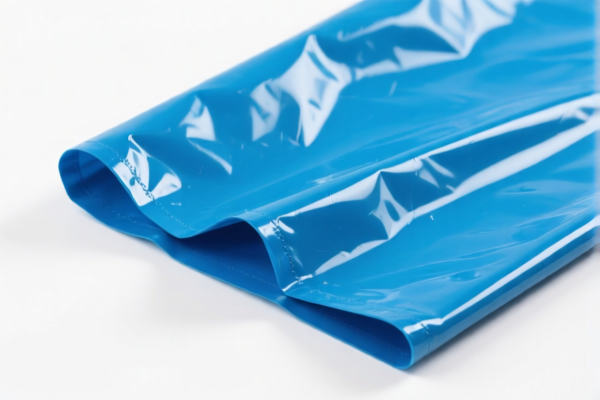
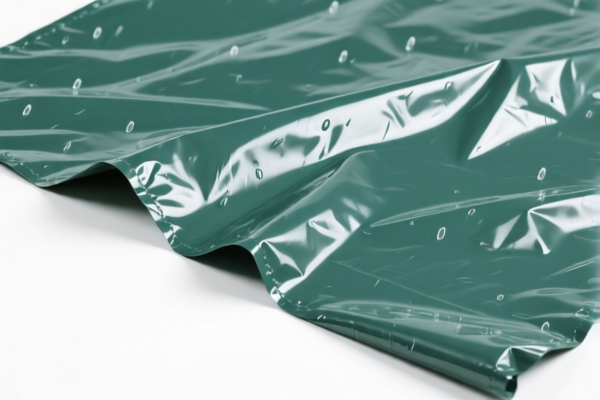

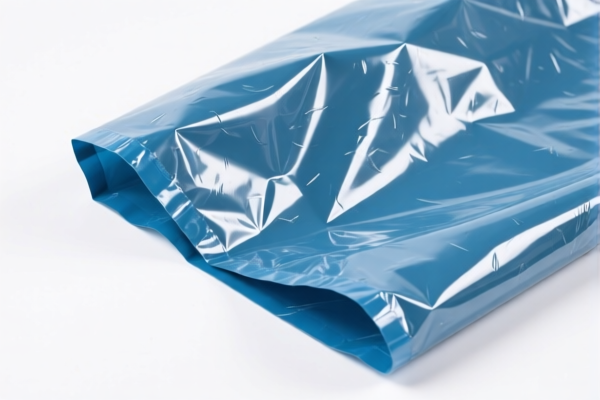
AI Analysis
🌧️ PVC Coated Rain Cover (Tarpaulin/Canopy)
🌐 HS Code Reference & Customs Clearance Guide | 2026 Latest Tariff Analysis | Professional Clearance Strategy
📌 I. Product Definition & Classification: Do You Really Understand "PVC Coated Rain Cover"?
A PVC Coated Rain Cover is a versatile industrial and commercial textile product, primarily used for protection against rain, sun, and dust. In international trade, its classification hinges on two critical factors:
1. The Base Fabric: Is it a textile fabric coated/impregnated with PVC?
2. The End-Use: Is it classified as a "Tarpaulin/Canvas" or a "General Plastic Article"?
⚠️ Key Distinction Point:
- If it is a textile fabric coated/impregnated with PVC (even if used as a tarp), it generally falls under Chapter 59 or Chapter 63 depending on specific construction and use.
- If it is a finished plastic article (e.g., simple plastic raincoat-like sheet without textile reinforcement), it may fall under Chapter 39.
- "Tarpaulin" (6306) usually applies to specific woven or non-woven fabric constructions designed for covering, while "Coated Fabric" (5903) applies to the material itself regardless of final shape, unless specified otherwise.
📦 II. HS Code Classification Details (2026 Latest Tariff Authority Comparison)
Based on the provided data, here are the possible HS Codes, their summaries, and why they apply.
| HS Code | Product Description | Why It Applies (Summary) | Total Tax Rate |
|---|---|---|---|
5903.10.20.10 |
PVC-Coated Rain Cover, Material: Polyvinyl Chloride (PVC), Form: Textile Fabric | Matches the definition of "Textile Fabrics Impregnated, Coated, Covered or Laminated with Plastics". Specifically for PVC-coated fabrics. | 35.0% |
6306.12.00.00 |
PVC-Coated Rain Cover, Use: Tarpaulin/Cover (e.g., Awning/Shade) | Classified as "Tarpaulins, Sunshades and Awningss, Camping Goods, Ground Cloths, Sacks and Sacks". Specifically PVC-coated textile materials used for covering. | 18.8% |
6306.19.21.10 |
PVC-Coated Rain Cover, Use: Sunshade/Waterproof Cloth (Awning/Waterproof Cloth) | A sub-category under 6306 for other tarpaulins/awnings made of synthetic fibers/plastics, specifically PVC. | 22.6% |
5903.10.20.90 |
PVC-Coated Rain Cover, Material: PVC, Coating Method: Impregnated/Coated/Laminated | Another sub-category under 5903 for PVC-coated textile fabrics where the specific use is not restricted to the "10" sub-heading. | 35.0% |
3926.20.60.00 |
PVC-Coated Rain Cover, Material: PVC (Polyvinyl Chloride), Form: Rain Cover Article | Classified as "Other Articles of Plastics", specifically inferred as plastic raincoats/rain gear if not recognized as a textile article. | 35.0% |
🔍 Critical Analysis:
-5903.10.20.10/90(35%): Applies when the good is considered a coated textile fabric. The customs authority focuses on the material composition (PVC-coated fabric).
-6306.12.00.00(18.8%): Applies when the good is considered a finished tarpaulin/cover. This is often the preferred classification if the product is clearly a "tarpaulin" or "awning" made of coated fabric, as it has a lower base tariff.
-6306.19.21.10(22.6%): A middle-ground classification for specific types of synthetic fiber awnings/waterproof cloths.
-3926.20.60.00(35%): Applies if the product is considered a plastic article rather than a textile article (e.g., thin, non-fabric-reinforced PVC sheet). This is risky if the product has a fabric base.
💰 III. 2026 Latest Tariff Rate Breakdown (Including Additional Duties & Policy Surcharges)
✅ Applicable Country: United States (US)
✅ Country of Origin: China (CN)
✅ Effective Date: From November 10, 2025 onwards (including subsequent imports)
🎯 1. 5903.10.20.10 & 5903.10.20.90 & 3926.20.60.00 —— Coated Fabric / Plastic Article
| Item | Detail |
|---|---|
| Base Tariff | 0.0% (ad valorem) |
| Section 301 Additional Tariff | +25.0% (from USITC Footnote 9903.01.25/24) |
| IEEPA Additional Tariff | +10.0% (Targeting Chinese/HK products, effective from Nov 10, 2025) |
| Total Tariff Rate | 35.0% |
| Tax Calculation | CIF Value × 35% |
| De Minimis Eligibility | ❌ Not Eligible (deny_de_minimis) |
| Legal Basis Path | IEEPA:9903.01.25 → IEEPA:9903.01.24 → USITC:5903.10.20.10 / 3926.20.60.00 → FOOTNOTE:9903.01.25 |
📌 Explanation:
- The 0% base tariff for coated plastics/textiles is offset by significant political surcharges.
- The 25% Section 301 tariff is standard for many Chinese-made coated fabrics and plastic articles.
- The 10% IEEPA tariff is the new layer added from Nov 10, 2025.
- Total: 35% is a high cost, leaving minimal margin if not optimized.
🎯 2. 6306.12.00.00 —— Tarpaulin/Cover (Optimal Classification?)
| Item | Detail |
|---|---|
| Base Tariff | 8.8% (ad valorem) |
| Section 301 Additional Tariff | 0.0% |
| IEEPA Additional Tariff | +10.0% (Targeting Chinese/HK products, effective from Nov 10, 2025) |
| Total Tariff Rate | 18.8% |
| Tax Calculation | CIF Value × 18.8% |
| De Minimis Eligibility | ❌ Not Eligible (deny_de_minimis) |
| Legal Basis Path | IEEPA:9903.01.24 → USITC:6306.12.00.00 → FOOTNOTE:9903.01.24 |
📌 Explanation:
- This is the most cost-effective classification if the product can be legitimately classified as a Tarpaulin/Cover under Chapter 63.
- The base tariff is 8.8%, and while Section 301 is 0%, the 10% IEEPA still applies.
- Total: 18.8% is less than half of the 35% rate, making it highly recommended if the product structure allows.
🎯 3. 6306.19.21.10 —— Other Tarpaulin/Awning (Synthetic)
| Item | Detail |
|---|---|
| Base Tariff | 5.1% (ad valorem) |
| Section 301 Additional Tariff | +7.5% |
| IEEPA Additional Tariff | +10.0% |
| Total Tariff Rate | 22.6% |
| Tax Calculation | CIF Value × 22.6% |
| De Minimis Eligibility | ❌ Not Eligible (deny_de_minimis) |
| Legal Basis Path | IEEPA:9903.01.24 → USITC:6306.19.21.10 → FOOTNOTE:9903.01.24 |
📌 Explanation:
- This applies to specific synthetic fiber awnings/waterproof cloths.
- Total: 22.6% is a middle ground. It’s higher than6306.12.00.00but lower than the 35% group.
- The 7.5% Section 301 applies here, which is unusual compared to the 0% or 25% in other categories, indicating a specific tariff line treatment.
🛠️ IV. Customs Clearance Practical Advice (实战避坑指南)
✅ 1. Preparation Checklist (Essential Documents)
| Document | Required | Description |
|---|---|---|
| ✅ Product Specification | ✔️ | Include material composition (e.g., "Polyester mesh coated with PVC"), dimensions, weight. |
| ✅ Product Photos | ✔️ | Clear images showing the texture (fabric weave visible? or solid plastic?). Show stitching if any. |
| ✅ Commercial Invoice | ✔️ | Description must be precise: "PVC Coated Polyester Tarpaulin" vs "PVC Plastic Sheet". |
| ✅ Origin Certificate (CO) | ✔️ | To prove Chinese origin (triggering IEEPA). |
| ✅ Packing List | ✔️ | Detailed packing info. |
✅ 2. Declaration Strategy (Key Tips)
🔥 "Material vs. Use: Choose Wisely!"
| Scenario | Recommended HS Code | Reason | Risk |
|---|---|---|---|
| Generic PVC Coated Fabric | 5903.10.20.10 |
Classified by material. | High Tariff (35%) |
| Clearly a Tarpaulin/Cover | 6306.12.00.00 |
Classified by use (Tarpaulin). | Lowest Tariff (18.8%) |
| Specific Awning/Canopy | 6306.19.21.10 |
Specific use category. | Medium Tariff (22.6%) |
| Unreinforced PVC Sheet | 3926.20.60.00 |
Classified as Plastic Article. | High Tariff (35%) |
📌 Critical Advice:
- Always try to classify under Chapter 63 (Tarpaulins) if possible, as the tariff is significantly lower (18.8% vs 35%).
- Ensure the product description emphasizes "Tarpaulin," "Cover," "Awning," or "Shade Cloth" rather than just "Coated Fabric" or "Plastic Sheet."
- If the product has stitched seams, grommets, or ropes, it strengthens the case for Chapter 63 (finished article) rather than Chapter 59 (fabric).
✅ 3. Special Circumstances
| Situation | Handling Suggestion |
|---|---|
| Mixed Material | If coated with both PVC and other plastics, clarify the main coating material. |
| Custom Design | Provide design drawings to prove it's a "cover" and not just a roll of fabric. |
| Small Samples | Even small samples are subject to tariffs if declared correctly. No de minimis exemption. |
🌍 V. Global Market Clearance Comparison (2026 Latest)
| Country/Region | Recommended HS Code | Tariff (China Origin) | Certification | Notes |
|---|---|---|---|---|
| 🇺🇸 USA | 6306.12.00.00 |
18.8% (vs 35% for others) | None | Best Option if classified as Tarpaulin. |
| 🇨🇳 China | 6306.12.00.00 |
~8.8% | None | Lower base rate. |
| 🇪🇺 EU | 6306.12.00.00 |
~6-10% | CE (if applicable) | Lower tariffs than US. |
| 🇬🇧 UK | 6306.12.00.00 |
~6-10% | UKCA | Post-Brexit rules apply. |
📌 Conclusion:
- The USA is the most expensive market for this product due to Section 301 and IEEPA tariffs.
- Optimizing HS Code to6306.12.00.00can save nearly 16.2% in total duty (35% - 18.8%).
- Ensure your product description and physical attributes align with the "Tarpaulin/Cover" definition to qualify for the lower rate.
📌 VI. Common Mistakes & Pitfalls (Lessons Learned)
❌ Mistake 1: Declaring as "Plastic Sheet" (3926.20.60.00) when it's clearly a coated fabric.
👉 Consequence: High tariff (35%) + potential customs penalty for misclassification.
❌ Mistake 2: Declaring as "Coated Fabric" (5903.10.20.10) when it's a finished Tarpaulin.
👉 Consequence: Unnecessarily high tariff (35%) instead of 18.8%.
❌ Mistake 3: Not specifying "PVC Coated" in the description.
👉 Consequence: Customs may classify under a different, potentially higher tariff line.
❌ Mistake 4: Ignoring the IEEPA 10% surcharge (effective Nov 10, 2025).
👉 Consequence: Unexpected cost increase if not factored into pricing.
✅ Correct Approach:
"PVC Coated Polyester Tarpaulin, 10x12 ft, with Metal Grommets, for Outdoor Cover Use" → HS 6306.12.00.00
🎯 VII. Conclusion: Precise Classification Saves Money!
🎯 Remember:
🔹 "Tarpaulin is King: 6306 saves you 16%!"
🔹 "Coated Fabric is Expensive: 5903 costs you 35%!"
🔹 "IEEPA Adds 10%: Don't Forget It!"
📌 Pro Tip:
If your product can be argued as a Tarpaulin/Cover (Chapter 63), always choose that classification over Coated Fabric (Chapter 59) or Plastic Articles (Chapter 39).
Recommend Advance Ruling from US Customs if the classification is ambiguous.
📣 Action Plan:
📞 Consult a Customs Broker to confirm if your specific PVC Rain Cover qualifies as a "Tarpaulin."
🚀 Optimize your invoice description to match6306.12.00.00criteria.
💼 Lower your duty cost from 35% to 18.8% with correct classification!
✨ Professional Clearance Starts with Accurate Classification!
💼 Every Percent Matters in Your Profit Margin!
Customer Reviews
About HS Code Classification
The Harmonized System (HS) is an internationally standardized nomenclature developed by the World Customs Organization (WCO) to classify traded products. Over 200 countries use the HS system as the basis for customs tariffs, trade statistics, and import/export regulations.
Each HS code follows a hierarchical structure:
- Chapter (2 digits) — Broad category of goods (e.g., Chapter 84: Machinery and Mechanical Appliances)
- Heading (4 digits) — More specific grouping within the chapter
- Subheading (6 digits) — Internationally standardized breakdown, used by all WCO member countries
- National subdivisions (8-10 digits) — Country-specific extensions for further classification, such as US HTSUS 10-digit codes
Correct HS code classification is essential for smooth customs clearance, accurate duty payment, and compliance with trade regulations. Misclassification can lead to customs delays, overpayment of duties, or penalties.
When importing from CN to US, the applicable tariff rates may include:
- Most-Favored-Nation (MFN) rate — The standard duty rate applied to WTO members
- General rate — Applied to countries without trade agreements
- Trade remedy duties — Additional tariffs such as Section 301 (anti-dumping), Section 232 (national security), or countervailing duties
The information provided on this page is for reference purposes only. For official classification, please consult with your local customs authority or a licensed customs broker.