PVC Coated Stain Resistant Fabric
CN → US| HS Code | Tariff Rate | Origin | Destination | Doc |
|---|---|---|---|---|
| 3921121100 | 39.2% | CN | US | Official Doc |
| 6307909875 | 24.5% | CN | US | Official Doc |
| 5903102090 | 35.0% | CN | US | Official Doc |
| 5903102010 | 35.0% | CN | US | Official Doc |
Product Images
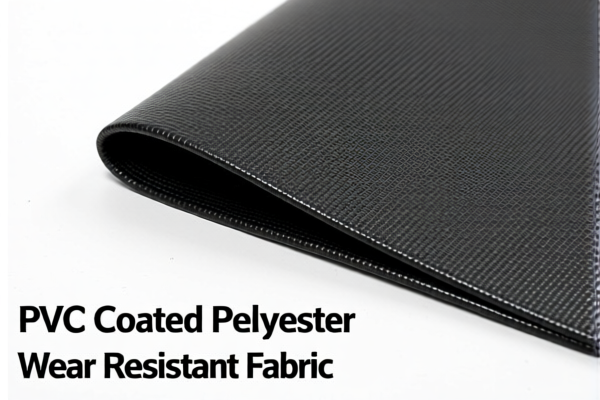
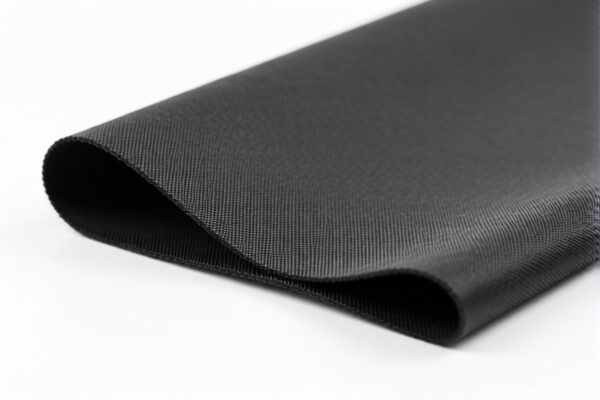
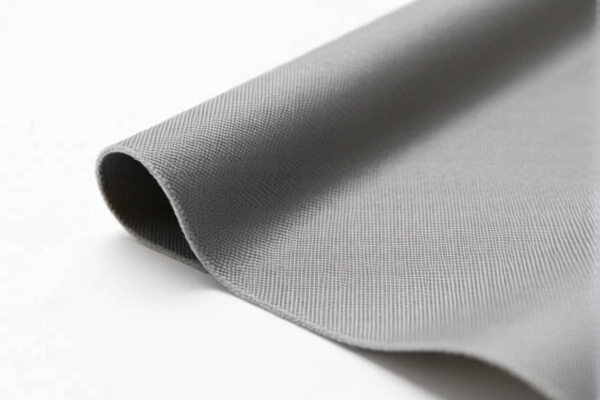
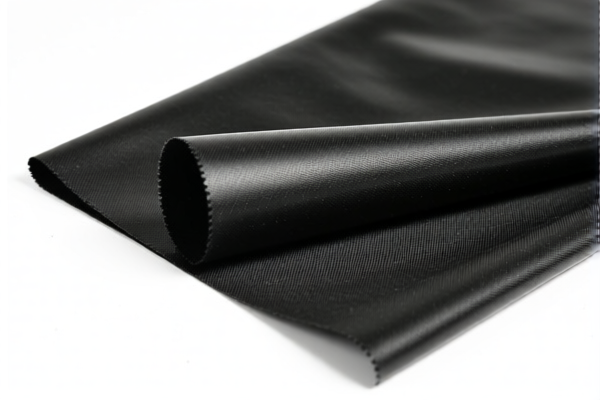
AI Analysis
🧵 PVC Coated Stain Resistant Fabric (PVC Coated Textiles)
🌐 HS Code Reference & Customs Clearance Guide | 2026 Latest Tariff Analysis | Professional Clearance Strategy
📌 Part 1: Product Definition & Classification – Do You Really Understand "PVC Coated Fabric"?
PVC coated fabrics are composite materials consisting of textile bases (such as polyester, nylon, or cotton) impregnated or coated with polyvinyl chloride (PVC). They are widely used in outdoor tents, awnings, tarps, inflatable products, and industrial covers due to their waterproof, durable, and stain-resistant properties.
In international trade, the classification of these products depends heavily on whether they are considered "composite materials with textile as the essential character" or "finished textile articles." This distinction significantly impacts the HS Code selection and, consequently, the tax burden.
⚠️ Key Distinction Point:
- If classified as "Textile Materials Impregnated with Plastic" → Belongs to Chapter 59 (e.g.,5903.10.20).
- If classified as "Composite Materials Where Textile is Essential" → May belong to Chapter 39 (e.g.,3921.12) or Chapter 63 (e.g.,6307.90) as a finished article.
- Crucial: The presence of "stain-resistant" or "flame-retardant" features does not change the basic HS code but may affect the specific sub-heading within the 10-digit US HTS system.
📦 Part 2: Detailed HS Code Classification (2026 Latest Tariff Authority Comparison)
Based on the provided data, there are four potential HS Codes for PVC Coated Stain Resistant Fabric. Each reflects a different regulatory interpretation of the product's nature.
| HS Code | Product Description | Classification Logic | Tax Rate |
|---|---|---|---|
3921.12.11.00 |
PVC-Coated Textile (Composite Material) | Classified as a plastic sheet/product with textile backing. Textile is not the essential character. | 39.2% |
6307.90.98.75 |
PVC-Coated Textile (Finished Article) | Classified as a made-up textile article (e.g., a specific cover or tarp). | 24.5% |
5903.10.20.90 |
Textile Impregnated with PVC (General/Fallback) | Standard classification for plastic-impregnated textiles under Chapter 59. | 35.0% |
5903.10.20.10 |
Textile Impregnated with PVC (Special Function) | Impregnated PVC textile with specific functional claims (e.g., stain resistance/flame retardancy) that do not conflict with the base classification. | 35.0% |
🔍 Analysis & Warning:
-3921.12.11.00(39.2%): This is a high-risk classification. If customs views the PVC layer as dominant, the textile is treated as a plastic product.
-6307.90.98.75(24.5%): This is the most advantageous rate among the options, but only if the product is considered a "made-up article" (e.g., a sewn tent or awning) rather than raw fabric. If selling raw rolls of fabric, this code is likely incorrect and may lead to disputes.
-5903.10.20.90/5903.10.20.10(35.0%): This is the most common and defensible classification for raw PVC-coated textile fabrics. The difference between.90(general fallback) and.10(specific function) lies in the 10-digit detail. If your fabric has certified stain-resistant or flame-retardant properties,.10is more accurate.
💰 Part 3: 2026 Latest Tariff Rate Breakdown (Including Surcharges & Policy Add-ons)
✅ Applicable Country: United States (US)
✅ Country of Origin: China (CN)
✅ Effective Date: November 10, 2025 (and subsequent imports)
🎯 1. 3921.12.11.00 —— PVC-Coated Textile (Plastic Composite)
| Item | Content |
|---|---|
| Base Duty Rate | 4.2% (ad valorem) |
| Section 301 Surcharge | +25.0% (USITC Footnote) |
| Section 122 Tariff | +10.0% (Specific provision for certain plastic/textile composites) |
| Total Rate | 39.2% |
| Tax Calculation | CIF Value × 39.2% |
| De Minimis Eligibility | ❌ Not Eligible (deny_de_minimis) |
| Legal Basis Path | USITC:3921.12.11.00 → Footnote:301/122 |
📌 Explanation:
- The 25% Section 301 tariff applies to most Chinese-made plastic products.
- The 10% Section 122 tariff is a specific additional levy.
- Total 39.2% is extremely high. Misclassifying a raw textile fabric as a plastic composite here increases costs significantly.
🎯 2. 6307.90.98.75 —— PVC-Coated Textile (Finished Textile Article)
| Item | Content |
|---|---|
| Base Duty Rate | 7.0% (ad valorem) |
| Section 301 Surcharge | +7.5% (Note: Lower surcharge rate for some textile articles under specific interpretations) |
| Section 122 Tariff | +10.0% |
| Total Rate | 24.5% |
| Tax Calculation | CIF Value × 24.5% |
| De Minimis Eligibility | ❌ Not Eligible (deny_de_minimis) |
| Legal Basis Path | USITC:6307.90.98.75 → Footnote:301/122 |
📌 Warning:
- While the rate is 24.5%, this code is only valid for "made-up articles" (e.g., finished tents, bags, awnings).
- If you are importing raw rolls of fabric, customs will likely reject this code and reclassify it to Chapter 59 or 39, leading to penalties and back taxes.
- Do not use this code for raw fabric.
🎯 3. 5903.10.20.90 & 5903.10.20.10 —— Textile Impregnated with PVC (Standard & Functional)
| Item | Content |
|---|---|
| Base Duty Rate | 0.0% (ad valorem) |
| Section 301 Surcharge | +25.0% |
| Section 122 Tariff | +10.0% |
| Total Rate | 35.0% |
| Tax Calculation | CIF Value × 35.0% |
| De Minimis Eligibility | ❌ Not Eligible (deny_de_minimis) |
| Legal Basis Path | USITC:5903.10.20.xx → Footnote:301/122 |
📌 Comparison:
- Base rate is 0%, which is favorable.
- However, the 25% Section 301 and 10% Section 122 make the total 35.0%.
- Difference between.90and.10:
-.90(35.0%): General fallback for "other" PVC-impregnated textiles.
-.10(35.0%): For textiles with specific functional characteristics (e.g., stain-resistant, flame-retardant, or UV-resistant) that are declared and verified.
- Recommendation: If your fabric is certified stain-resistant, use5903.10.20.10to align with the product's actual performance. If not, use.90.
🛠️ Part 4: Customs Clearance Practical Advice (Battle-Tested Pitfall Guide)
✅ 1. Documentation Checklist (Mandatory)
| Document | Required | Notes |
|---|---|---|
| ✅ Product Specification Sheet | ✔️ | Must detail: Fabric base (e.g., 100% Polyester), PVC weight (gsm), coating thickness, and functional claims (e.g., "Stain-Resistant Certified"). |
| ✅ Commercial Invoice | ✔️ | Clearly state: "PVC Coated Polyester Fabric, Stain Resistant, Roll Form." Avoid vague terms like "Plastic Sheet." |
| ✅ Packing List | ✔️ | Specify dimensions, weight, and number of rolls. |
| ✅ Certificate of Origin | ✔️ | Required for US origin verification and tariff application. |
| ✅ Test Reports | ✔️ | If claiming 5903.10.20.10, provide third-party lab tests proving stain resistance or flame retardancy. |
| ✅ Photo of Product | ✔️ | Show texture, edge, and any branding/labels. |
✅ 2. Declaration Strategy (Key Mantra)
🔥 "Raw Fabric → Chapter 59; Finished Goods → Chapter 63; Plastic-Dominant → Chapter 39!"
| Scenario | Correct HS Code | Incorrect Code | Consequence |
|---|---|---|---|
| Raw Rolls of Fabric (Coated side visible) | 5903.10.20.10 or .90 |
3921.12.11.00 or 6307.90.98.75 |
Risk of reclassification, penalties, and higher taxes (39.2%). |
| Sewn Tents/Awnings (Finished Goods) | 6307.90.98.75 |
5903.10.20.90 |
Lower tax (24.5%), but only if truly finished. |
| PVC Sheet with Thin Fabric Backing | 3921.12.11.00 |
5903.10.20.90 |
Higher tax (39.2%). |
📌 Critical Tip:
- Do NOT declare raw PVC-coated fabric as6307.90.98.75to save taxes. Customs is strict about this. If inspected, you will be asked for a "made-up article" declaration, which will fail for raw fabric.
- Use5903.10.20.10if you have proof of stain resistance. It is the most accurate and defensible for functional textiles.
✅ 3. Special Situations & Handling
| Situation | Handling Advice |
|---|---|
| OEM Custom Colors/Patterns | Provide design files. Does not change HS code, but ensures accuracy in description. |
| Mixed Shipments (Fabric + Hardware) | Declare separately. Fabric goes to 5903.10.20.xx; hardware (zippers, hooks) to their respective codes. |
| Stain-Resistant Claims | Must provide test reports. If customs disputes the claim, they may revert to .90 or question the classification. |
| Transshipment via Third Country | Ensure Certificate of Origin is correctly issued. US customs checks for evasion of Section 301 tariffs. |
🌍 Part 5: Global Market Customs Comparison (2026 Latest)
| Country/Region | Recommended HS Code | Duty Rate (China Origin) | Certification Requirements | Notes |
|---|---|---|---|---|
| 🇺🇸 USA | 5903.10.20.10 or .90 |
35.0% (incl. 301 & 122) | No specific US certs for fabric, but test reports recommended | High duty due to Section 301 & 122. |
| 🇨🇳 China | 5903.10.20.00 |
7.0% | RoHS (if electronic components nearby) | Lower base duty, no US-style surcharges. |
| 🇪🇺 EU | 5903.10.20 |
12.0% | REACH, OEKO-TEX (for consumer goods) | No Section 301 equivalent, but high base duty. |
| 🇬🇧 UK | 5903.10.20 |
12.0% | UKCA marking (if applicable) | Post-Brexit rules apply. |
| 🇯🇵 Japan | 5903.10.20 |
10.8% | JIS standards (if industrial) | Moderate duty. |
📌 Conclusion:
- The US market is the most challenging due to the 35-39.2% total tariff.
- Accurate classification is key. Over-classifying to Chapter 39 (3921) increases taxes to 39.2%. Under-classifying to Chapter 63 (6307) for raw fabric is illegal and risky.
- Stick to5903.10.20.10(if functional claims are supported) for the most accurate and compliant clearance.
📌 Part 6: Common Mistakes & Pitfall Guide (Lessons Learned)
❌ Mistake 1: Declaring raw PVC-coated fabric as 6307.90.98.75 to get 24.5% tax.
👉 Result: Customs audit → Reclassification to 5903.10.20.90 (35.0%) → Back taxes + penalties.
❌ Mistake 2: Using 3921.12.11.00 for fabric without realizing it triggers a 39.2% tax.
👉 Result: Unnecessary 4.2% extra cost compared to Chapter 59. Misclassification.
❌ Mistake 3: Claiming "Stain-Resistant" without test reports for 5903.10.20.10.
👉 Result: Customs may doubt the claim, leading to delays or reclassification to .90.
❌ Mistake 4: Ignoring Section 122 Tariff.
👉 Result: All listed codes include a 10% Section 122 surcharge. Failing to account for this leads to budget miscalculations.
✅ Correct Practice:
"PVC Coated Polyester Fabric, Stain Resistant, Roll Form, 100% Polyester Base, 1000gsm PVC Coating. For Use in Outdoor Tents."
- HS Code:5903.10.20.10
- Rate: 35.0%
- Documentation: Include test report for stain resistance.
🎯 Part 7: Conclusion – Professional Classification, Cost Savings, Risk Mitigation!
🎯 Remember the Mantra:
🔹 "Raw Fabric → Chapter 59 (35%); Finished Goods → Chapter 63 (24.5%); Plastic-Dominant → Chapter 39 (39.2%)."
🔹 "Section 301 (25%) + Section 122 (10%) = High Cost. Accuracy is Survival."
🔹 "Stain-Resistant? Get the Report. Use .10. Avoid Disputes."
📌 Pro Tip:
- If your volume is high, consider applying for an Advance Ruling (Pre-Ruling) from US Customs and Border Protection (CBP). This provides legal certainty on the HS Code classification before shipment.
- Ensure your supplier provides accurate material composition details. The textile base (polyester vs. cotton) and PVC weight are critical for Chapter 59 classification.
📣 Immediate Action:
📞 Contact your customs broker + Provide product photos & specs + Submit test reports for functional claims
🚀 Clear customs smoothly, avoid penalties, and protect your profit margins!
✨ Professional Customs Clearance Starts with Accurate Classification!
💼 Every percentage point matters. Get it right from the start!
Customer Reviews
About HS Code Classification
The Harmonized System (HS) is an internationally standardized nomenclature developed by the World Customs Organization (WCO) to classify traded products. Over 200 countries use the HS system as the basis for customs tariffs, trade statistics, and import/export regulations.
Each HS code follows a hierarchical structure:
- Chapter (2 digits) — Broad category of goods (e.g., Chapter 84: Machinery and Mechanical Appliances)
- Heading (4 digits) — More specific grouping within the chapter
- Subheading (6 digits) — Internationally standardized breakdown, used by all WCO member countries
- National subdivisions (8-10 digits) — Country-specific extensions for further classification, such as US HTSUS 10-digit codes
Correct HS code classification is essential for smooth customs clearance, accurate duty payment, and compliance with trade regulations. Misclassification can lead to customs delays, overpayment of duties, or penalties.
When importing from CN to US, the applicable tariff rates may include:
- Most-Favored-Nation (MFN) rate — The standard duty rate applied to WTO members
- General rate — Applied to countries without trade agreements
- Trade remedy duties — Additional tariffs such as Section 301 (anti-dumping), Section 232 (national security), or countervailing duties
The information provided on this page is for reference purposes only. For official classification, please consult with your local customs authority or a licensed customs broker.